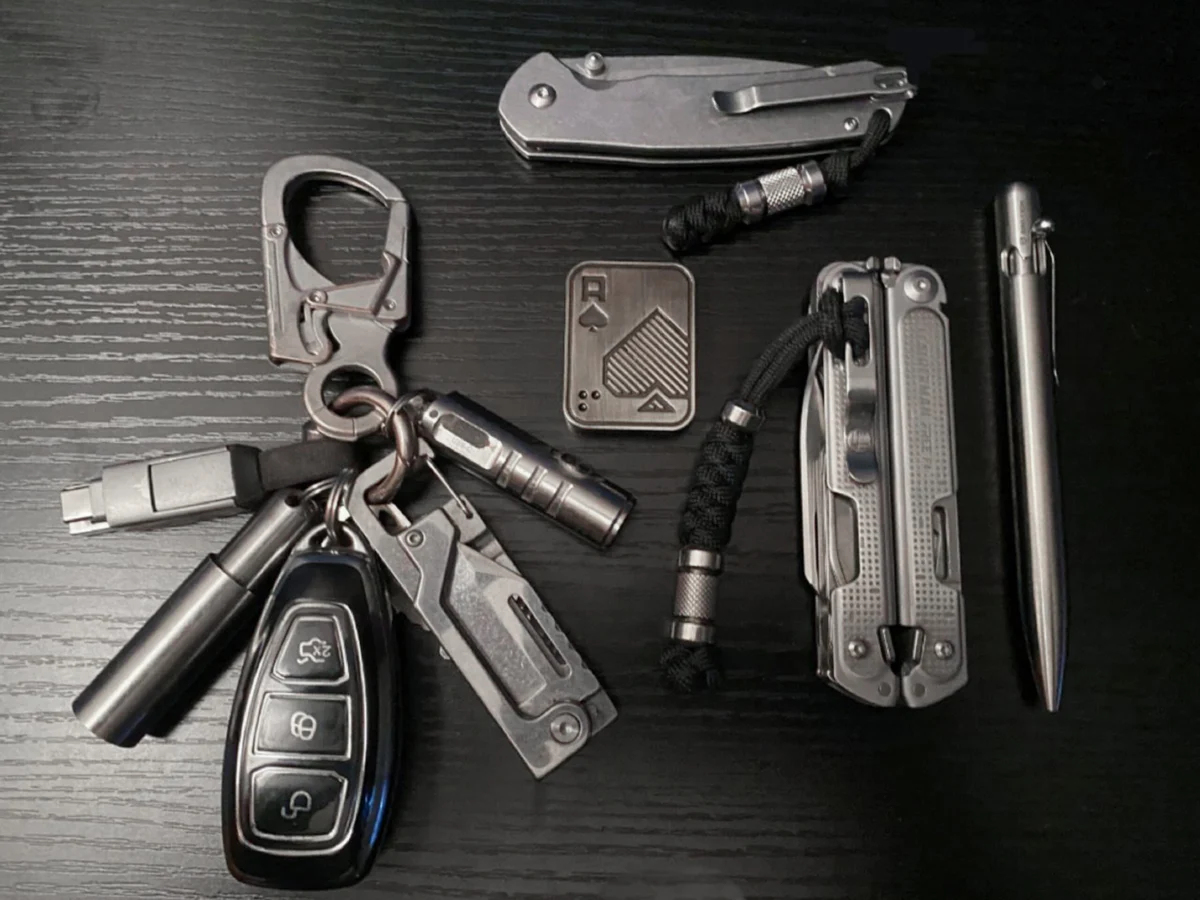
The integration of professional utility tools with the requirements of modern family life has led to a significant shift in the everyday carry (EDC) landscape, particularly among those balancing industrial labor with domestic responsibilities. As workers in high-paced manufacturing environments look for ways to maximize efficiency, the EDC community has observed a trend toward multi-functional, compact, and durable equipment. A recent submission from a factory worker known as Kamren highlights this intersection, showcasing a curated selection of tools designed to handle both the rigorous demands of plastic and pipe fabrication and the unpredictable nature of fatherhood.
The Evolution of the Modern Toolset
The concept of everyday carry, once reserved for tactical enthusiasts or outdoor adventurers, has evolved into a practical discipline for the blue-collar workforce. For professionals operating in manufacturing, the tools must satisfy two specific criteria: they must be rugged enough to withstand the corrosive or abrasive environments of a factory floor, and they must be compact enough to remain unobtrusive during a standard shift.
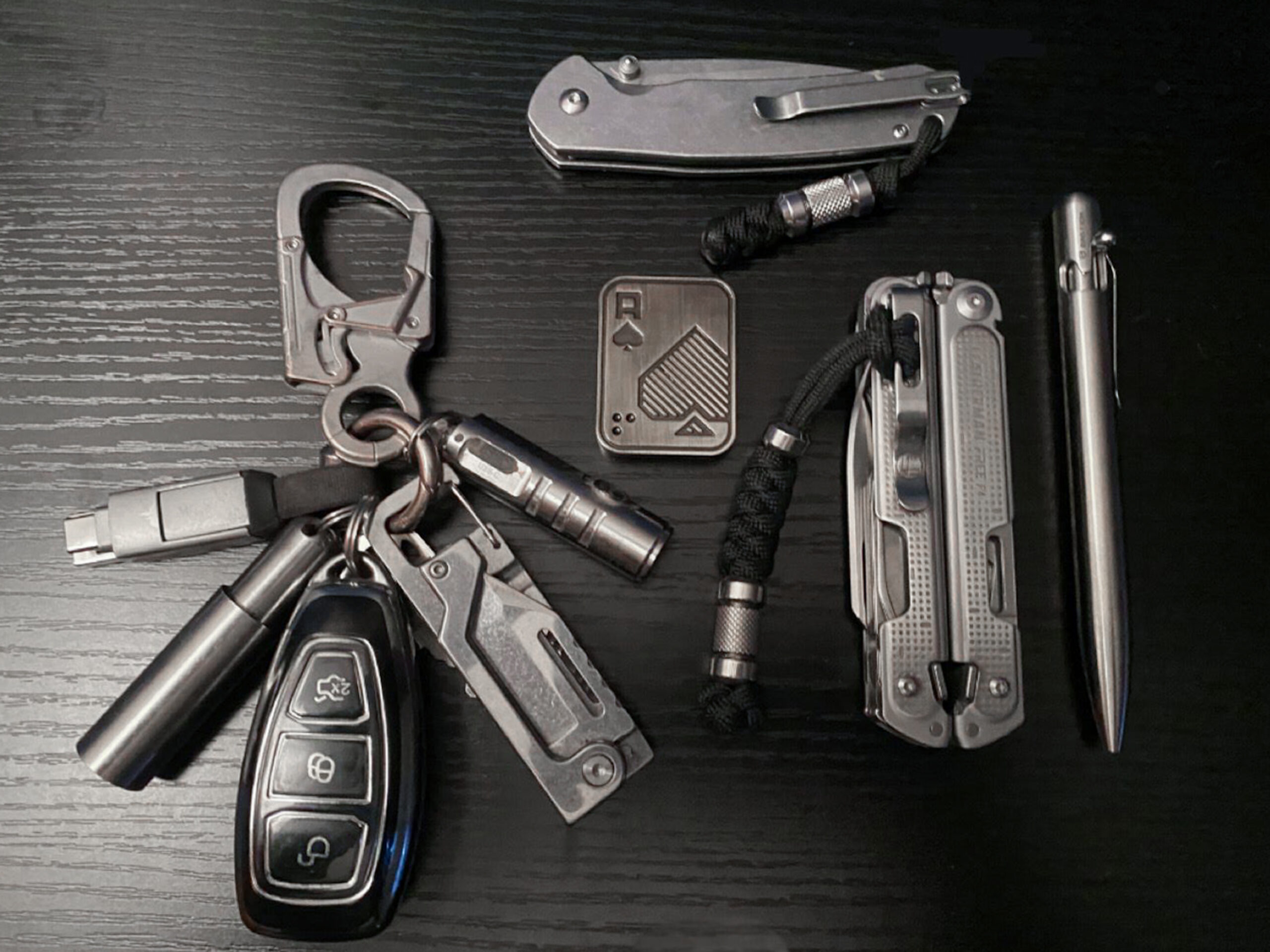
Kamren’s specific kit, which features a monochrome metal aesthetic, emphasizes high-utility items that prioritize portability. The inclusion of the CJRB Pyrite, the Leatherman FREE, the RovyVon A4, and the Mordeco Nanosprayer suggests a deliberate effort to consolidate repair capabilities into a package that fits comfortably in a pocket. In industrial settings, the ability to address minor mechanical failures or perform precision cuts on piping is critical to maintaining productivity. By utilizing tools that offer rapid deployment, workers can minimize downtime when machines require immediate attention.
Chronology of EDC Trends
The rise of curated EDC kits can be traced back to the early 2010s, when the proliferation of internet forums and social media platforms allowed hobbyists to share configurations. Initially, these kits were dominated by heavy-duty tactical gear. However, a significant pivot occurred around 2018-2020, as the focus shifted toward "urban EDC"—a philosophy that prioritizes lighter, more refined materials like titanium and aluminum, and tools that are legally compliant and socially acceptable in non-tactical environments.
This shift mirrors a broader cultural movement toward minimalism and preparedness. The "Girl Dad" demographic, as represented by the current case study, often incorporates a "dual-purpose" strategy. The tools carried are expected to perform industrial tasks—such as cutting synthetic materials—while also serving as emergency assets for domestic challenges. The addition of a keychain-based charging cable and a cologne atomizer demonstrates that modern EDC is no longer just about survival; it is about seamless transitions between the factory floor and personal life.
Analysis of Essential Components
To understand the efficacy of this specific kit, one must look at the mechanical advantages of the chosen components:
- CJRB Pyrite: This folding knife has become a staple in the EDC community due to its ergonomic button-lock mechanism. In a manufacturing environment, the ability to open and close a blade with one hand is a vital safety feature when the user’s other hand may be occupied by materials or equipment.
- Leatherman FREE Series: Representing the pinnacle of modern multi-tool engineering, the magnetic locking system in the FREE series allows for fluid operation. For a worker dealing with pipe repairs, having immediate access to pliers, wire cutters, and screwdrivers reduces the need to carry a full-sized tool belt, thereby reducing fatigue.
- RovyVon A4: Lighting is a primary concern in many industrial facilities where overhead lighting may not reach into the depths of machinery. The A4 provides high-lumen output in a compact titanium body, making it both durable and lightweight.
- Mordeco Nanosprayer: While niche, the inclusion of an atomizer suggests a focus on personal maintenance and hygiene. This reflects a growing trend where EDC kits are becoming holistic, addressing both professional repair needs and personal comfort.
Supporting Data on Industrial Productivity
According to labor research, workers who have immediate access to necessary tools experience a 12% to 15% increase in task efficiency. In an industrial environment, the "search and retrieve" time—the time spent walking to a toolbox or locating a misplaced tool—is one of the leading causes of non-productive downtime.
By optimizing the "pocket-space" available to them, factory workers like Kamren effectively extend their capability. When a pipe requires a quick adjustment or a piece of plastic requires a clean cut, the difference between having a tool on one’s person versus walking across a shop floor can represent the difference between a minor delay and a significant production bottleneck. Furthermore, the use of paracord for customization is not merely aesthetic; it serves a functional purpose by providing a tactile grip, ensuring that tools can be retrieved even while wearing work gloves or when hands are slick with oils or lubricants.
The Intersection of Fatherhood and Field Work
The "Girl Dad" identity within the EDC space often involves carrying items that provide solutions to spontaneous problems—snack packaging, toy repairs, or unexpected clothing stains. The Mordeco Nanosprayer, for example, is not only useful for personal grooming but can also be repurposed for quick sanitation tasks. This versatility is the hallmark of the modern, prepared parent.
The editor’s note regarding this kit underscores a consensus among EDC experts: the keychain is the most underrated "platform" in the industry. Because pockets are limited in volume, utilizing the keychain for items like charging cables and specialized hygiene products allows the primary pockets to remain dedicated to high-impact tools like the Leatherman and the folder.
Official Industry Perspective and Broader Implications
Industry analysts observe that the EDC market is currently undergoing a "democratization of quality." High-end materials that were once prohibitively expensive—such as Grade 5 titanium, G10 handle scales, and S35VN steel—are now becoming standard in entry-to-mid-level tools. This accessibility allows laborers to invest in equipment that lasts for years, rather than months, which is a major factor in the sustainability of their personal kits.

The implications for the broader manufacturing sector are twofold. First, there is a clear demand for "personal-scale" innovation. Manufacturers of tools are increasingly focusing on miniaturization without sacrificing torque or blade geometry. Second, the psychological benefit of a personalized, efficient kit should not be underestimated. Workers who feel prepared for the tasks assigned to them report higher job satisfaction and lower levels of stress during high-pressure incidents.
Conclusion: The Future of Daily Carry
As we look toward the remainder of the decade, the trend of integrating professional utility with personal life will likely continue to accelerate. The kit presented by Kamren serves as a benchmark for this evolution—a balanced, monochrome, and highly functional collection of tools that addresses the dual identity of the worker and the parent.
The importance of these kits goes beyond the hardware. It represents a proactive approach to life where one takes ownership of their immediate environment, whether that involves repairing a machine on a factory line or managing the logistical demands of family life. As EDC gear continues to become more refined, we can expect to see further innovations in wearable technology, modularity, and materials, ensuring that the modern worker remains as equipped as possible for the challenges of the 21st century. The willingness of users to share these configurations provides a vital feedback loop, allowing for a community-driven refinement of what it means to be truly prepared in a modern, industrial society.