The photography landscape is experiencing an unexpected blast from the past as the once-dormant 110 film format makes a dramatic commercial and cultural comeback. Originally introduced by Kodak in 1972, the miniature cassette-based film format was celebrated for its extreme simplicity, moving away from the intricate threading required by standard 35mm rolls in favor of a straightforward drop-in plastic cartridge. Decades after its market dominance waned with the rise of digital photography and smartphone cameras, the distinctively boxy, pocket-sized aesthetic of the 110 camera is driving a modern hardware renaissance. Driven by a broader cultural obsession with vintage electronics, screen-free digital alternatives, and 1980s-inspired kitsch aesthetics, manufacturers and consumers alike are pouring renewed energy into hardware that mirrors an era long thought relegated to thrift stores and dusty attics.
A Brief History of the 110 Format
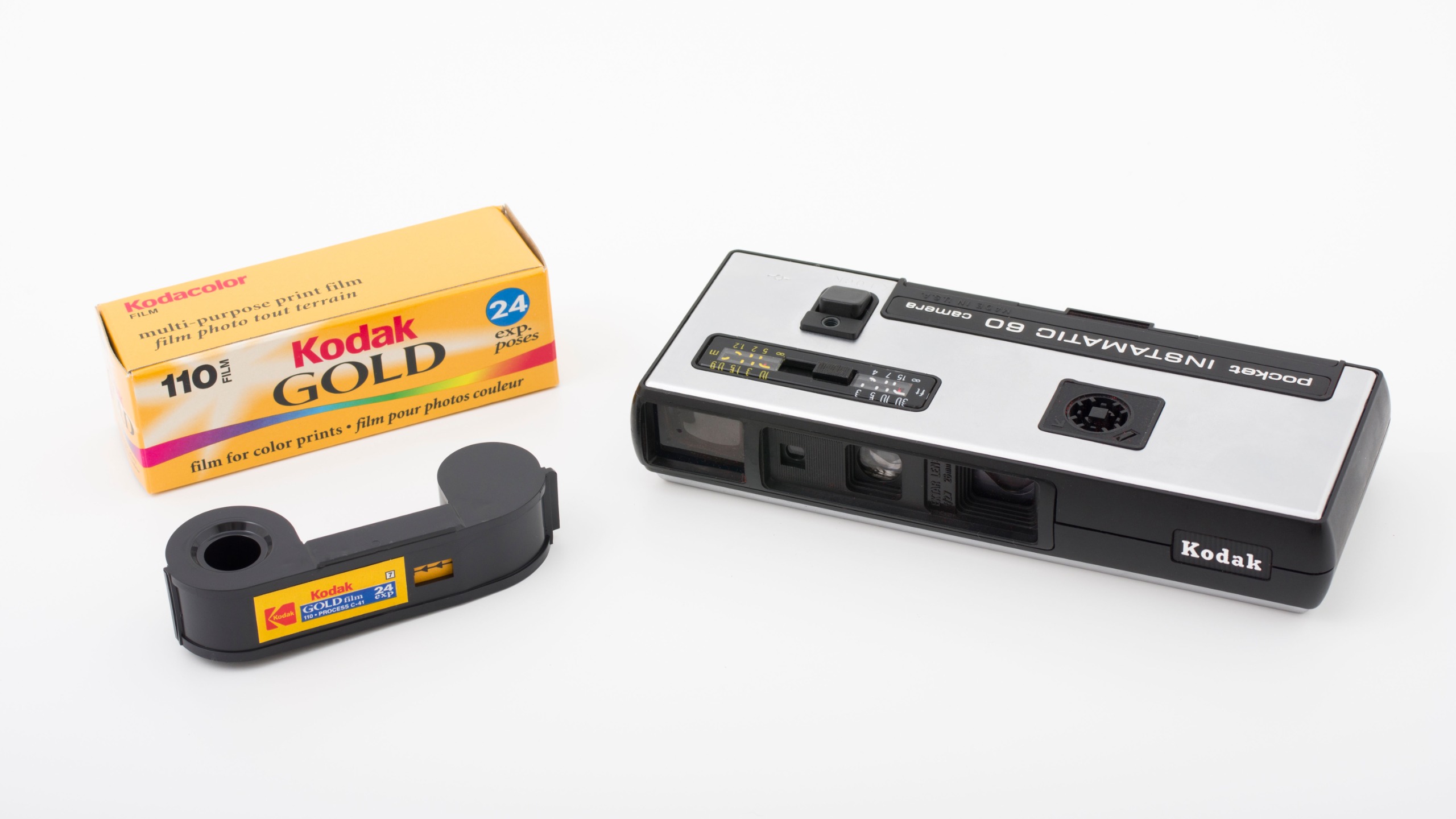
To understand the current fascination with 110 cameras, it is necessary to examine their origins in the early 1970s. Kodak introduced the 110 film format alongside its revolutionary Pocket Instamatic camera line in the spring of 1972. The core innovation of the format was the enclosed plastic cartridge, which eliminated the need for users to manually wind film leaders onto take-up spools. Users simply opened the back of the camera, dropped the cartridge into place, closed it, and began shooting.
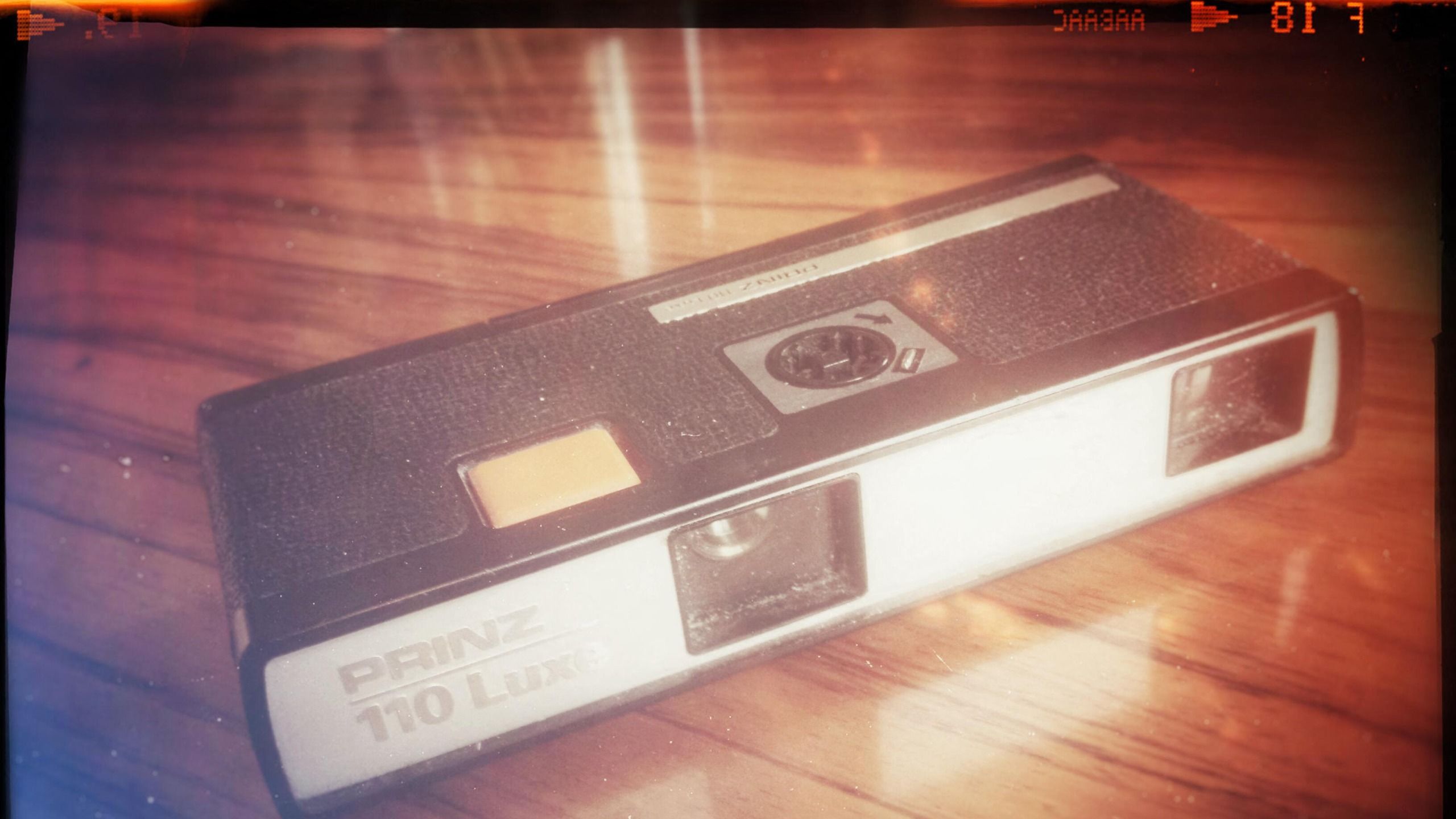
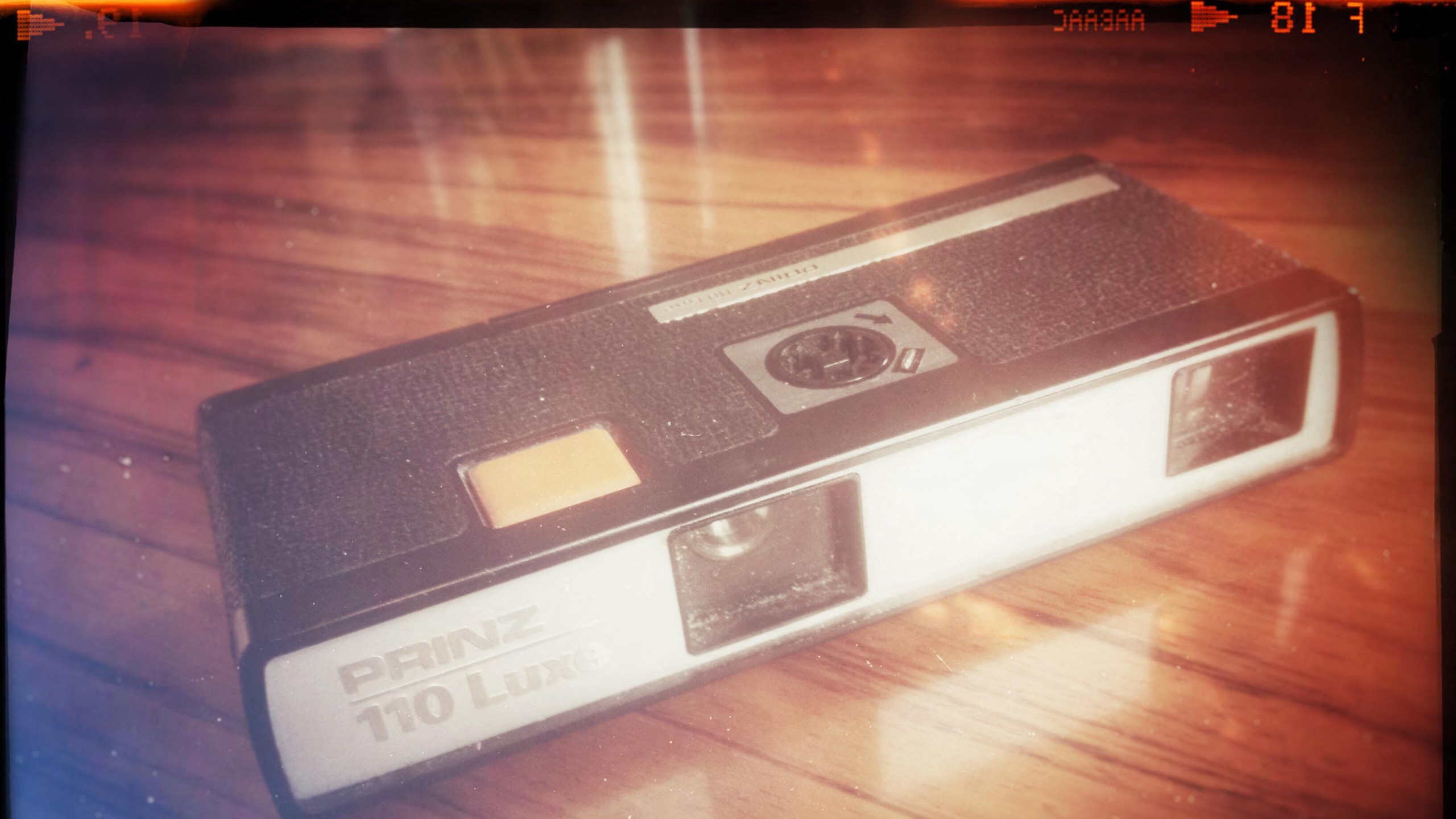
The format produced a negative measuring 13x17mm, significantly smaller than standard 35mm film. While this smaller negative size inherently limited the potential enlargement size and resolution—often resulting in a characteristic graininess and softness—it allowed manufacturers to build cameras that could easily fit into a shirt pocket or small handbag. Throughout the late 1970s, the 1980s, and into the 1990s, millions of households relied on pocket-sized 110 cameras for family vacations, school trips, and casual snapshots. However, as 35mm point-and-shoot cameras became more compact, affordable, and optically superior during the late 1990s and 2000s, the 110 format gradually faded from commercial production, leaving behind a legacy of nostalgic family albums.
The 2026 Retro Hardware Boom and Digital Hybrids
The modern revival of the 110 aesthetic is not limited strictly to traditional chemical film; instead, it spans a fascinating intersection of analog re-releases and digital lookalikes. According to global search metrics, consumer interest in 110 cameras reached a ten-year high in 2026, catalyzing a wave of product development across the consumer electronics and specialty photography sectors.
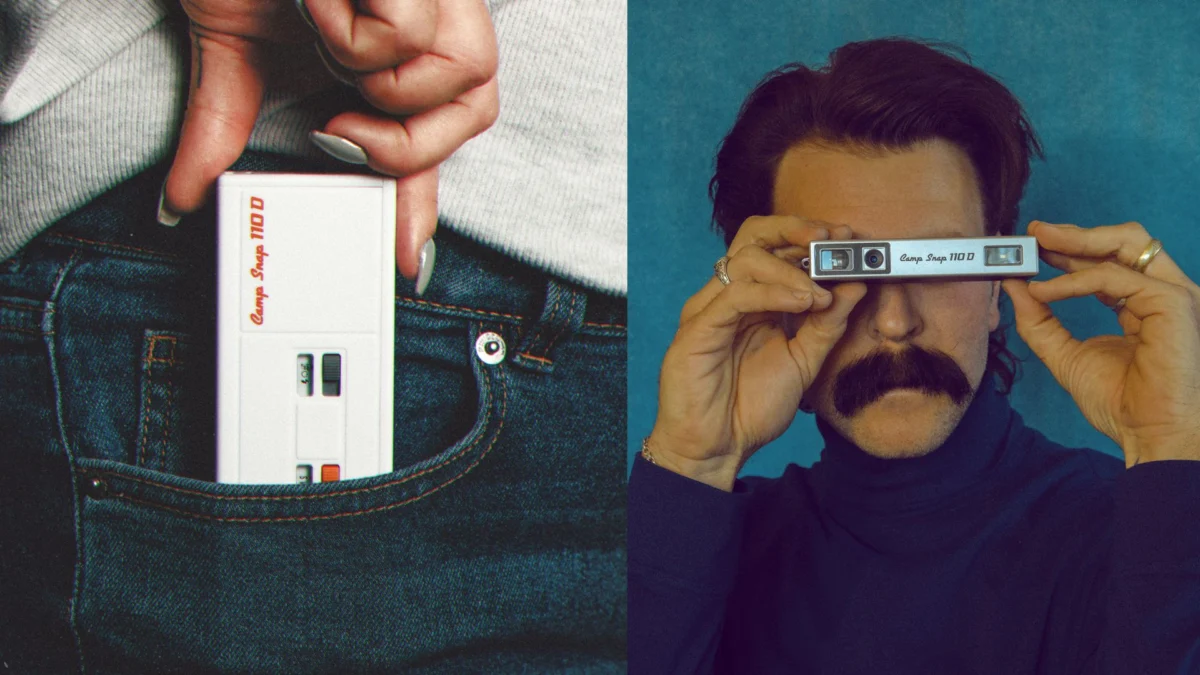
Among the frontrunners in this movement is the Camp Snap 110D, a digital compact camera that strips away modern conveniences like LCD screens and complex settings, adopting the unmistakable rectangular, pocketable chassis of a classic 110 film camera. Upon its announcement, the device captured widespread attention, with its initial pre-order batches selling out almost instantaneously. The appeal lies in the "chasing analog" philosophy: users get the tactile, screen-free shooting experience of a vintage camera without the recurring costs of buying and developing physical film.
Similarly, other legacy manufacturers are leaning into historical designs. While not strictly a 110 format, the Yashica Y16—inspired by a 1959 subminiature camera that utilized custom-loaded 16mm film cartridges—is receiving a modern digital refresh equipped with retro filter dials. Meanwhile, analog-focused brands continue to support physical film development. Lomography, known for its dedication to alternative and experimental photography, introduced fresh designs for its Lomomatic 110 film camera, including a striking brass cheetah pattern and red dot motif that evoke the height of 1970s and 1980s industrial design.
Cultural Drivers and Consumer Psychology
The resurgence of the 110 form factor aligns with broader demographic shifts in consumer technology. Younger demographics, particularly Generation Z, have fueled a massive multi-year comeback for vintage point-and-shoot digital and analog cameras. Industry analysts attribute this trend to several distinct psychological and sociological factors:
- Digital Fatigue: Constant connectivity and smartphone saturation have driven consumers to seek out intentional friction in their hobbies. Screen-free cameras force users to live in the moment rather than immediately reviewing and editing photos on a glowing display.
- The Aesthetic of Imperfection: In an era of hyper-processed, AI-enhanced smartphone photography, the soft focus, unexpected light leaks, and heavy grain of compact vintage formats offer an authentic, tactile counter-narrative.
- Portability and Accessibility: The literal pocket-sized nature of 110 cameras makes them ideal for daily carry, music festivals, and social gatherings where hauling a heavy DSLR or mirrorless rig is impractical.
Industry insiders note that the lower barrier to entry for 110 cameras—both in terms of physical operation and the simplicity of drop-in cartridges—makes them an inviting gateway for novices looking to explore film photography without the intimidating technical hurdles of manual exposure meters and complex film threading.
Market Implications and Future Outlook
The commercial success of devices like the Camp Snap 110D and Lomography’s specialized editions signals a permanent shift in how manufacturers view retro-styled hardware. What started as a niche internet subculture has matured into a viable commercial segment within the broader imaging market.
While legacy film processing labs will need to ensure continued chemical and scanning support for smaller negative formats, the integration of digital sensors into retro bodies points to a sustainable long-term model. These hybrid devices bridge the gap between vintage nostalgia and modern convenience, ensuring that the distinctive design language of the 1970s and 1980s will continue to influence camera engineering for years to come.