
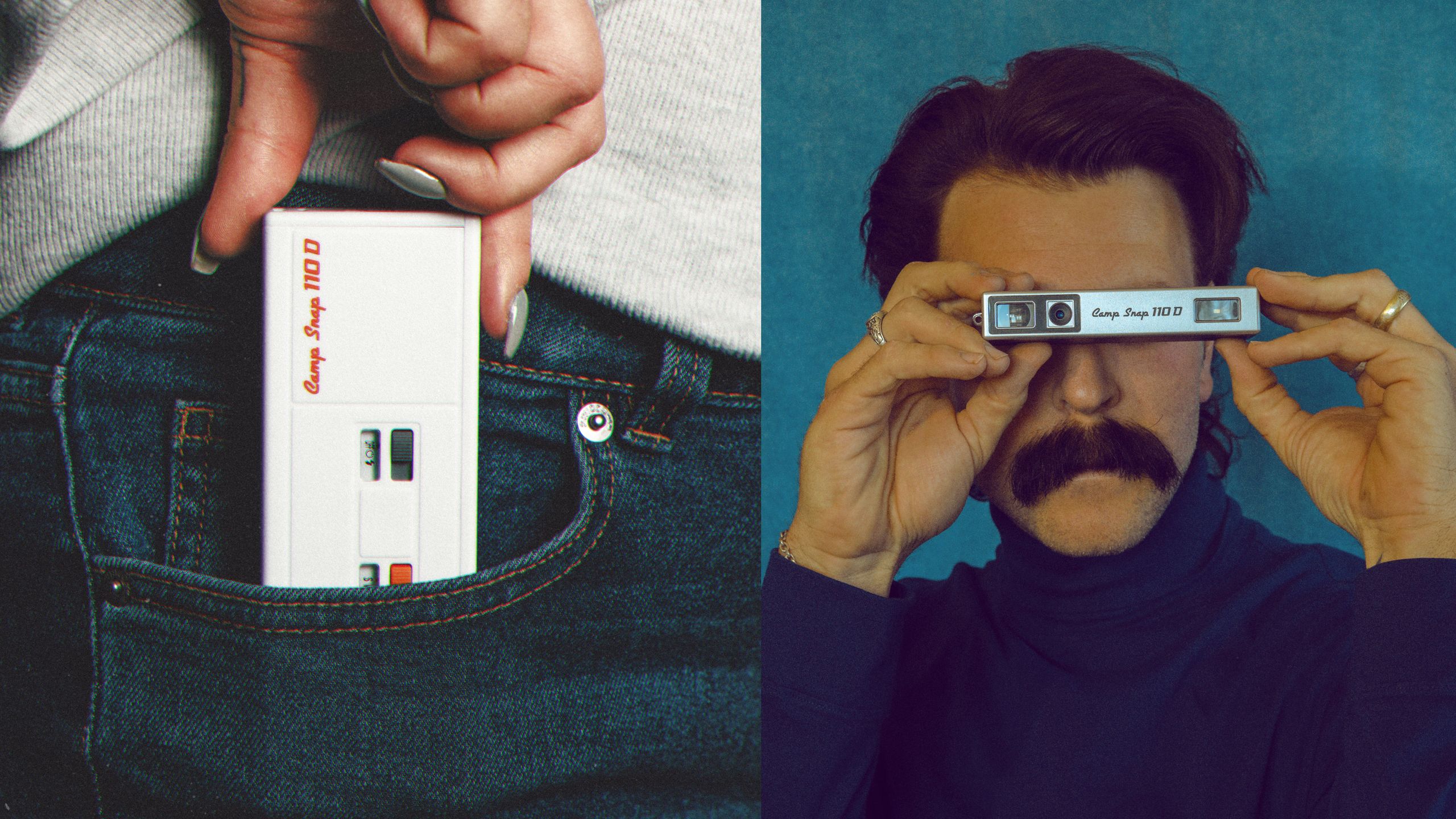
The consumer electronics and photography markets have witnessed a remarkable resurgence of analog aesthetics in recent years, driven largely by younger demographics seeking respite from the hyper-connected nature of modern smartphones. Camp Snap, a brand that achieved viral success with its minimalist, screen-free digital cameras styled after disposable film units, is expanding its nostalgic hardware portfolio. The company has officially announced its newest product: the Camp Snap 110D. This latest iteration reimagines the narrow, rectangular 110-film format cameras popularized during the 1970s, translating their distinct physical ergonomics into an 8-megapixel digital compact camera.
While the new form factor represents a sharp departure from the square, boxy silhouettes of earlier models like the Camp Snap 2 and the CS-Pro, the internal technological foundation remains familiar. The 110D incorporates an 8-megapixel, 1/3.2-inch image sensor manufactured by Sony, paired with a fixed lens featuring a 26mm equivalent focal length. However, the engineering team has addressed one of the most persistent criticisms leveled against previous hardware iterations: shutter lag. According to official product specifications, the 110D features a completely redesigned shutter button mechanism, delivering the fastest response time in the company’s product history.
The Evolution of Camp Snap and the Screen-Free Movement
The genesis of Camp Snap lies in a growing cultural fatigue with digital saturation. Traditional digital cameras and smartphones encourage an endless loop of capturing, reviewing, deleting, and editing photos immediately after execution. This constant feedback loop often distracts users from experiencing the actual events unfolding around them. Camp Snap sought to disrupt this cycle by eliminating the LCD screen entirely, forcing photographers to compose their shots via a traditional optical viewfinder and wait until they offloaded their files to a computer or smartphone to view the results.
Earlier releases, including the original Camp Snap and the subsequent Camp Snap 2, won dedicated followings among parents, educators, and outdoor enthusiasts. The cameras were particularly popular at summer camps—hence the brand name—where digital devices and smartphones are frequently prohibited, yet children still desire a tangible way to document their experiences. Despite the enthusiasm, early models faced valid technical critiques regarding shutter response times and limited dynamic range. Subsequent releases, such as the CS-Pro, gradually improved build quality and internal processing, paving the way for the refined architecture seen in the 110D.
Ergonomic Redesign Inspired by 110 Film Formats
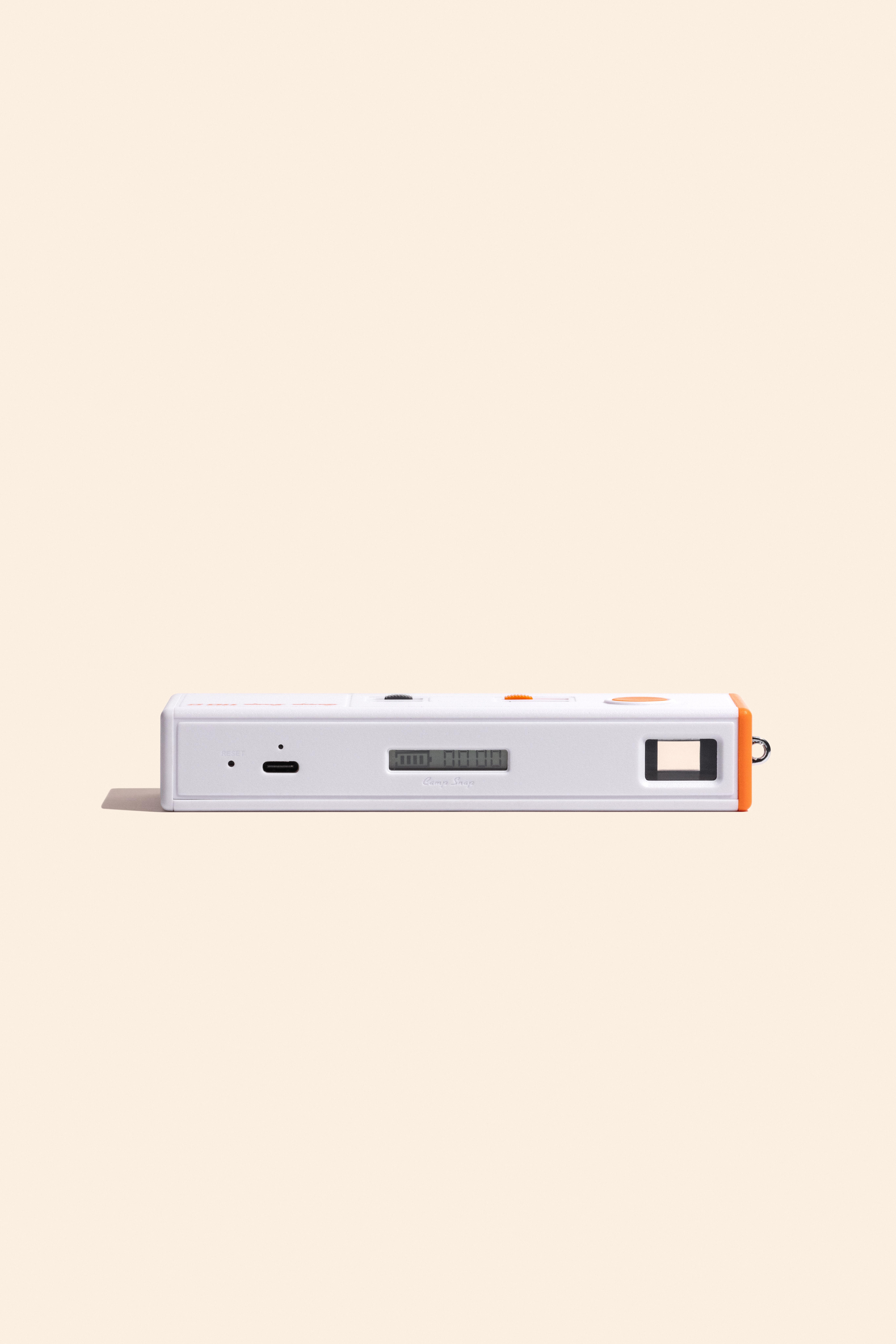
The physical architecture of the Camp Snap 110D marks a significant architectural shift for the brand. Drawing direct inspiration from the pocket-friendly 110-film cartridge cameras introduced in the 1970s by manufacturers like Kodak, the 110D abandons the squat, square layout of its predecessors. Instead, it adopts a longer, slimmer profile.
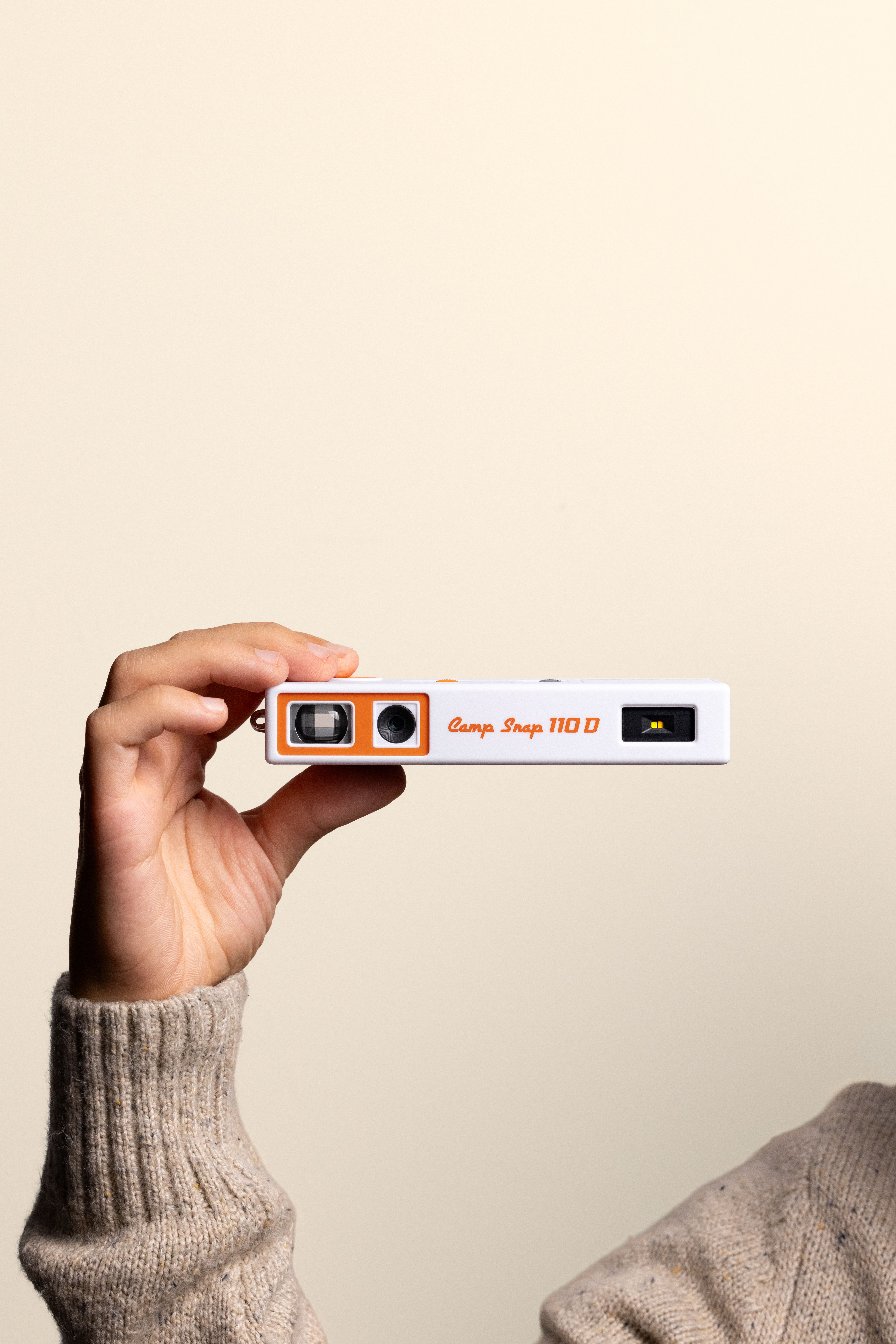
Measuring approximately 143.2 x 50 x 24.5 millimetres (roughly 5.6 x 1.9 x 0.96 inches), the device is notably thinner than previous Camp Snap iterations, allowing it to slide easily into a shirt pocket or small bag. To accommodate active users, the chassis includes integrated strap lugs, enabling owners to attach a lanyard or wrist strap for secure handling during outdoor excursions.
The historical 110-film format was celebrated in its heyday for its revolutionary simplicity. Unlike standard 35mm film rolls, which required manual threading into the camera mechanism, 110 film was housed in a self-contained, drop-in plastic cartridge that required virtually no technical expertise to load. The Camp Snap 110D captures this spirit of accessibility by retaining a completely streamlined, menu-free digital interface.
Core Specifications and User Features
Underneath its retro exterior, the Camp Snap 110D is equipped with modern conveniences designed to ensure reliable, everyday operation. The device comes pre-installed with a microSD card boasting sufficient storage capacity to hold approximately 2,000 image files.
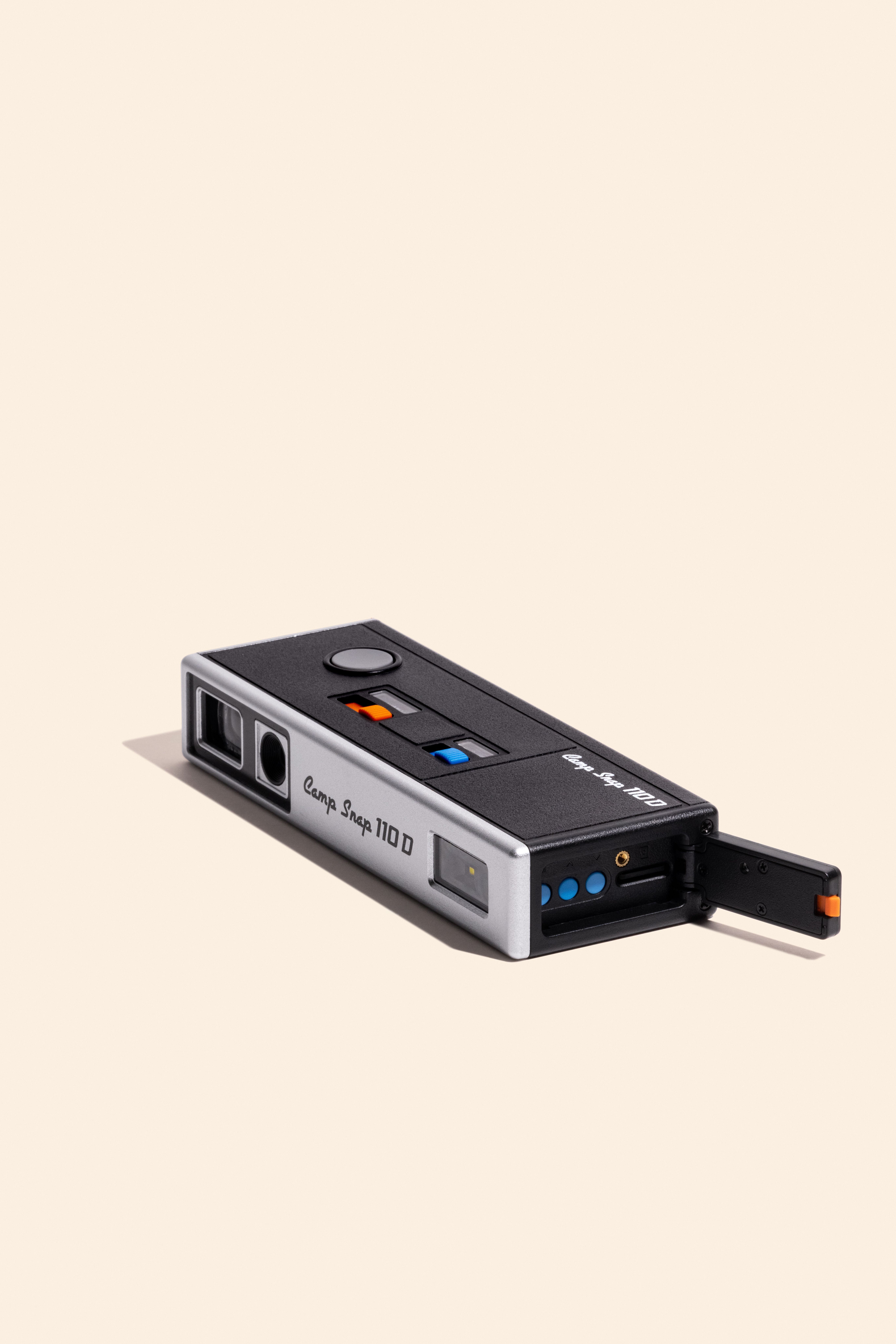
For users seeking creative control without the complexity of post-processing software or mobile companion applications, the 110D features five built-in color and contrast filters. These distinct looks can be toggled directly on the camera body using a physical slider switch. Furthermore, to address the needs of educators and parents, both the microSD card slot and the filter mechanism can be physically locked down, rendering the camera child-safe and tamper-proof.
Power is managed via an internal rechargeable battery paired with a modern USB-C port, which serves a dual purpose: replenishing the battery and transferring image files to a host computer or mobile device. The battery is rated to deliver approximately 500 exposures on a single charge, ensuring ample endurance for day trips, hikes, or extended events.
Market Positioning and Pricing Strategy
The Camp Snap 110D is positioned as an accessible, low-barrier entry point into casual photography, bridging the gap between novelty toy cameras and serious compact digital tools. Retailing at approximately $75 USD, the camera sits slightly above the price point of the Camp Snap 2, reflecting its updated housing design and improved shutter actuation mechanism. While official international pricing structures vary by region, initial market conversions estimate the cost at roughly £56 in the United Kingdom, $105 AUD in Australia, and $105 CAD in Canada.
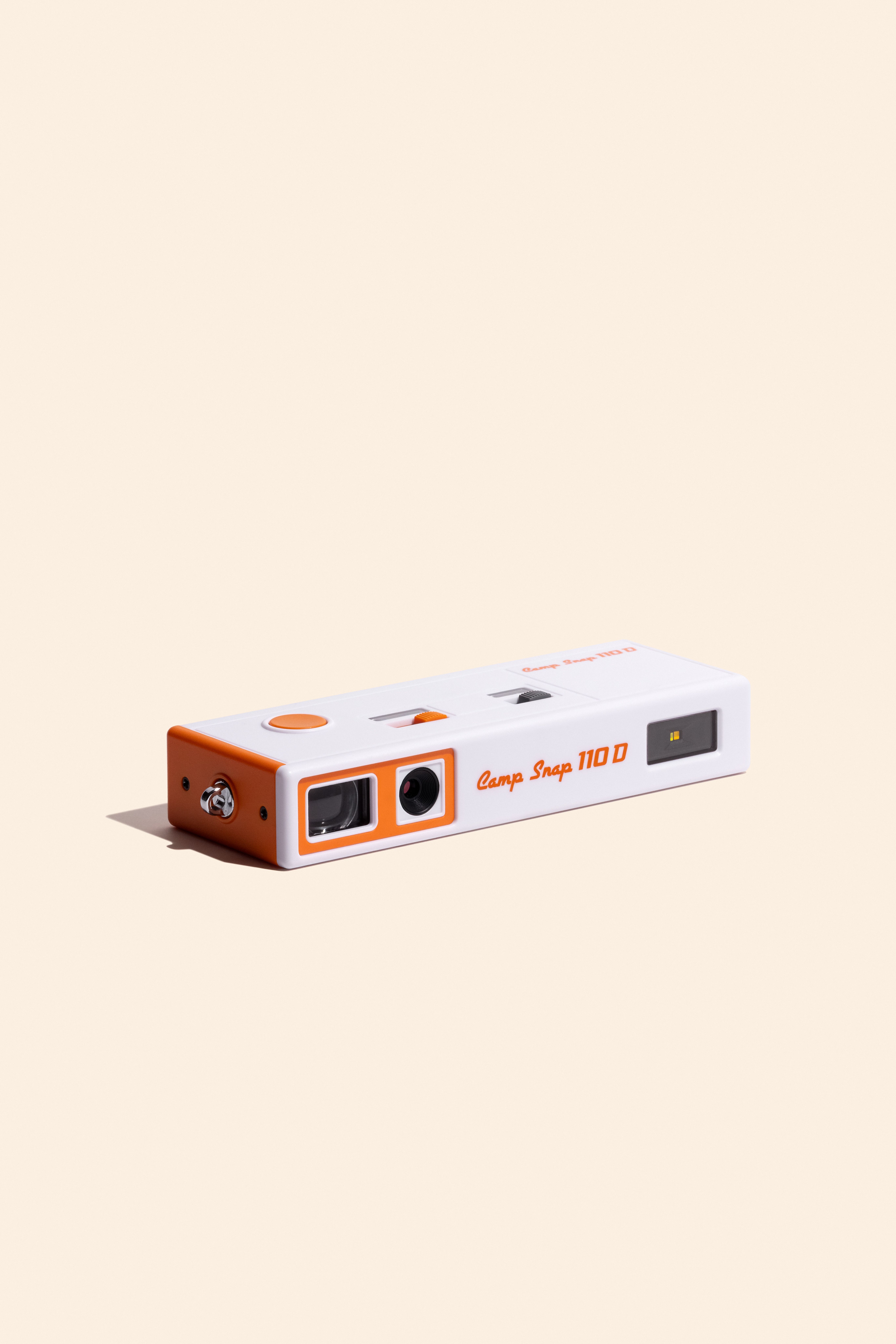
Pre-orders for the device have officially opened through Camp Snap’s primary distribution channels, with initial shipments anticipated to generate strong interest among the brand’s established community of analog enthusiasts and minimalist photographers.
Industry Implications and the Broader Retro Tech Trend
The launch of the Camp Snap 110D occurs against a much broader commercial backdrop characterized by surging demand for vintage and retro-styled technology. From the explosive popularity of Fujifilm’s Instax instant cameras to the renaissance of compact digital "point-and-shoot" cameras from the mid-2000s—often commanding inflated prices on the secondhand market—consumers are actively rejecting the clinical perfection of modern computational smartphone photography.
Market analysts note that products like the 110D tap into two powerful psychological drivers: nostalgia and intentional mindfulness. By stripping away the distractions of touchscreens, notification settings, and endless menu configurations, devices like the Camp Snap 110D re-center the photographic process on composition, patience, and anticipation.
As manufacturers continue to explore the intersection of legacy industrial design and modern sensor technology, the success of the 110D will likely serve as a bellwether for how deeply consumers are willing to embrace intentional limitations in exchange for an authentic, tactile user experience. Whether targeting tech-weary adults or introducing younger generations to the fundamentals of image-making, Camp Snap’s latest offering demonstrates that the market for screen-free, analog-inspired digital devices is expanding rather than slowing down.