








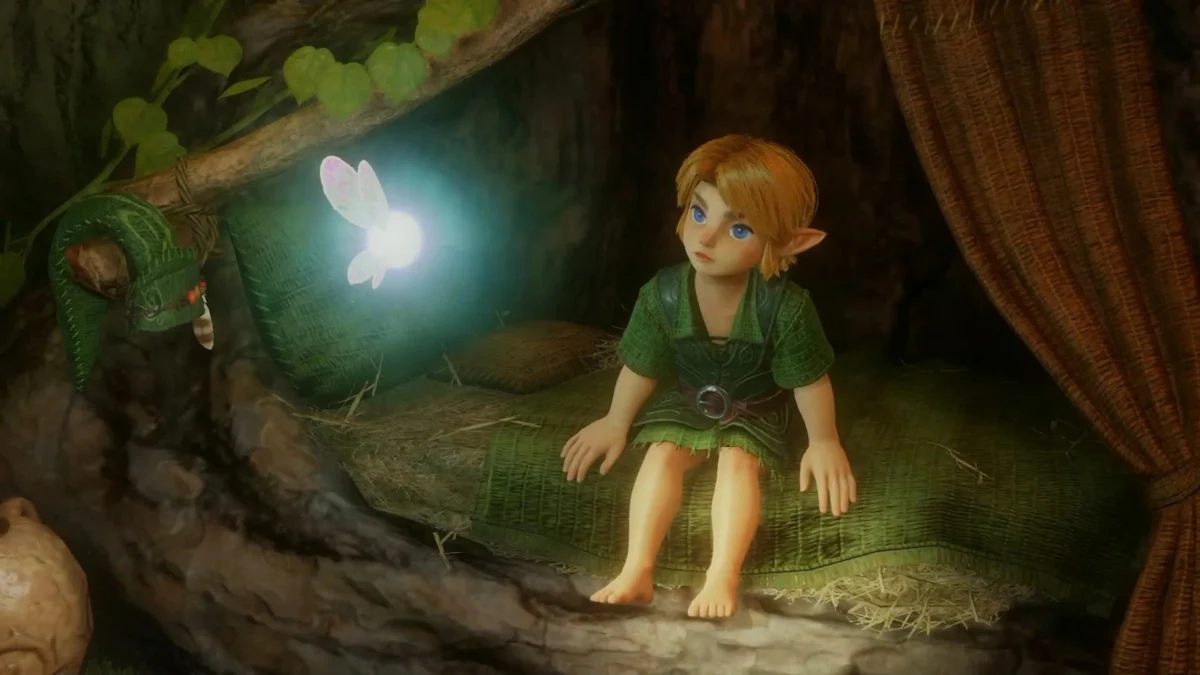
The release of the highly anticipated remake of The Legend of Zelda: Ocarina of Time for the upcoming Switch 2 platform has unveiled a remarkable behind-the-scenes narrative regarding its production. In a development that bridges nearly three decades of gaming history, Nintendo has revealed that one of the voice actors hired for the modern, fully-voiced production is the same individual who provided the iconic vocal cues for the original Nintendo 64 title. This serendipitous reunion occurred during a rigorous, blind audition process intended to preserve the auditory legacy of one of the most influential titles in the history of interactive entertainment.
A Legacy Reimagined
The Legend of Zelda: Ocarina of Time, originally released in 1998, remains a cornerstone of the action-adventure genre. For the modern remake, the development team faced a delicate balancing act: updating the game’s technical fidelity to meet contemporary standards while maintaining the specific, nostalgic identity of the source material.
According to the latest installment of Nintendo’s "Ask the Developer" blog series, director HokWai Ng emphasized that the transition from the silent, text-heavy nature of the 1998 original to a fully voiced modern experience required a disciplined approach. The goal was to modernize the cutscenes without alienating the established player base, who hold the original soundscapes—particularly the sharp, repetitive vocal cues of the fairy companion, Navi—in high regard.
The Audition Process: An Unintended Reunion
To ensure the new performances aligned with the original’s aesthetic, Nintendo implemented a strict blind audition process. The production team sought to identify actors whose vocal textures and delivery styles most closely mirrored the original characterizations. This methodology was designed to strip away bias and focus entirely on the sonic quality of the performances.
Series director Eiji Aonuma noted that the team was searching for a specific emotional resonance. "We felt that if we were going to improve the graphics so dramatically, the cutscenes needed to be fully voiced to match," Aonuma explained. "But at the same time, we knew we shouldn’t mess with established perceptions of how certain characters sound based on the original. Navi’s ‘Listen!’ is one example. Even someone who’s never played The Legend of Zelda: Ocarina of Time may have heard it before. We absolutely didn’t want to change anything as iconic as that."
During the selection process, the casting directors found themselves repeatedly drawn to a particular candidate whose delivery perfectly captured the essence of the character. It was only after the final selections were made that the team realized they had inadvertently chosen the same actor who had provided the original, synthesized voice work for the Nintendo 64 version nearly 28 years prior. The revelation underscored the consistency of the actor’s performance and the effectiveness of the blind auditioning protocol.
Historical Context and Character Identity
While Nintendo representatives initially refrained from naming the specific actor to maintain professional mystery, industry analysts and fans have cross-referenced the game’s credits. Evidence from leaked credits and industry databases strongly points to Kaori Mizuhashi as the actor in question. Mizuhashi, who provided the voice for Navi in the Japanese version of the 1998 original, has returned to reprise the role for the remake.
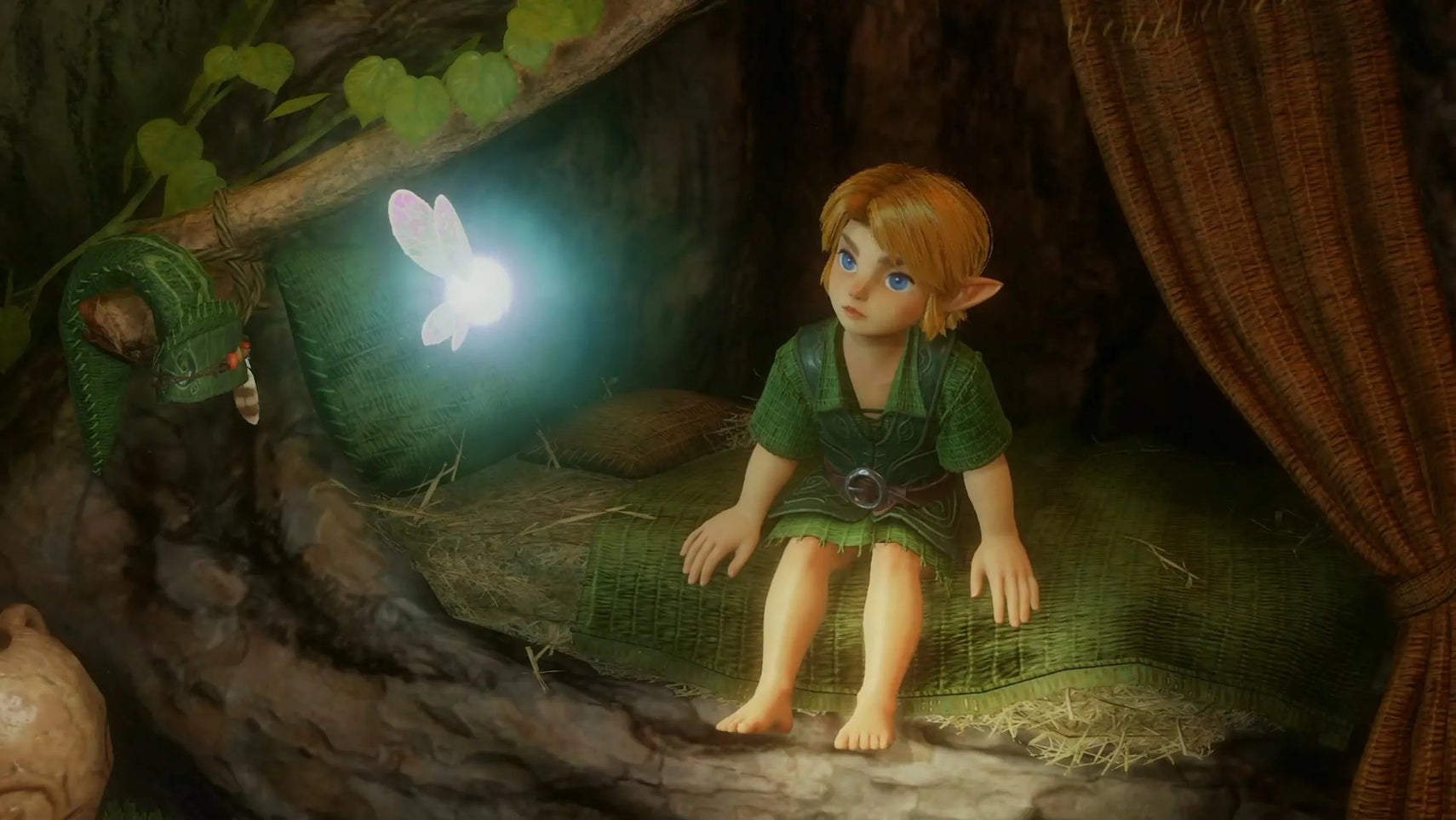
The return of Mizuhashi serves as a symbolic anchor for the project. In the original 1998 release, the "voice" of Navi was a limited collection of sound bites—grunts, chirps, and the famous, frequently debated "Hey!" and "Listen!" prompts. In the 2024 remake, these cues have been integrated into a more comprehensive narrative performance, yet they retain the exact tonal character that defined the original experience for millions of players.
Timeline of a Cultural Icon
The chronology of the Ocarina of Time franchise illustrates the evolution of voice acting within the series:
- 1998: The original Ocarina of Time launches on the Nintendo 64. Voice acting is minimal, utilizing compressed, synthesized sound effects to denote character dialogue and reactions.
- 1998–2023: The title is ported to various platforms, including the GameCube and the Nintendo 3DS, with the original sound files largely preserved to maintain authenticity.
- 2024: Nintendo announces the full-scale remake for the Switch 2, confirming a shift toward full, professional voice acting for all primary cutscenes.
- Late 2024: The production team completes casting, leading to the discovery of the returning actor for the role of Navi.
Implications for Modern Remakes
The success of this casting choice highlights a growing trend in the video game industry: the "faithful modernization." As developers increasingly look to the back catalogs of the 1990s and early 2000s for remake material, the challenge of preserving the "soul" of the original work becomes paramount.
For Nintendo, the decision to utilize the original actor for a role as specific as Navi represents a commitment to structural and emotional continuity. By prioritizing the "feel" of the original audio, the developers have mitigated the risk of the remake feeling like a disconnected imitation. This approach provides a blueprint for future remakes of classic titles, suggesting that the preservation of original voice talent—even for minor or repetitive roles—can be a critical factor in the success and reception of the product.
The Impact of Full Voice Acting
The integration of full voice acting into Ocarina of Time is not merely an aesthetic choice; it represents a fundamental change in the game’s narrative delivery. In the 1998 original, the absence of voice acting required players to project their own interpretations onto the characters, a hallmark of the 16-bit and early 64-bit eras. By introducing voice acting, Nintendo is now dictating the emotional cadence of these scenes, a risk that necessitates the kind of careful casting demonstrated by the Navi selection.
Critics and reviewers, such as those at Eurogamer, have praised the remake, citing the balance between modern technological leaps and the preservation of the original’s atmosphere as the key to its success. The "astonishing remake" label applied to the title reflects a consensus that the game manages to feel like the original in spirit while functioning as a modern high-definition experience.
Conclusion: A Seamless Blend of Past and Present
The story of Navi’s voice actor is emblematic of the meticulous detail involved in the Ocarina of Time remake. It is a rare instance where professional rigor and historical luck converged to benefit the final product. By honoring the past through the inclusion of the original voice talent, Nintendo has ensured that the "Hey!" and "Listen!" that echo through the corridors of the Temple of Time feel exactly as they did in 1998, even as the walls surrounding the player have been rendered in unprecedented detail.
As the industry continues to revisit its past, this event serves as a poignant reminder that the most memorable aspects of gaming are often the human elements—the voices, the performances, and the specific choices that define character. For players, the return of a familiar voice is a testament to the enduring power of Ocarina of Time and a clear indicator that while technology evolves, the core identity of a masterpiece remains constant.