Published June 30, 2026 08:14PM
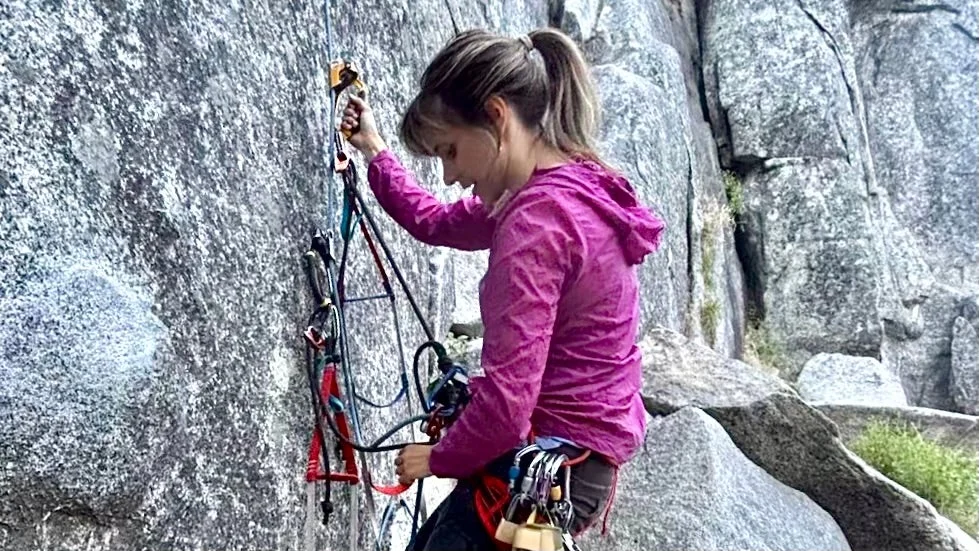
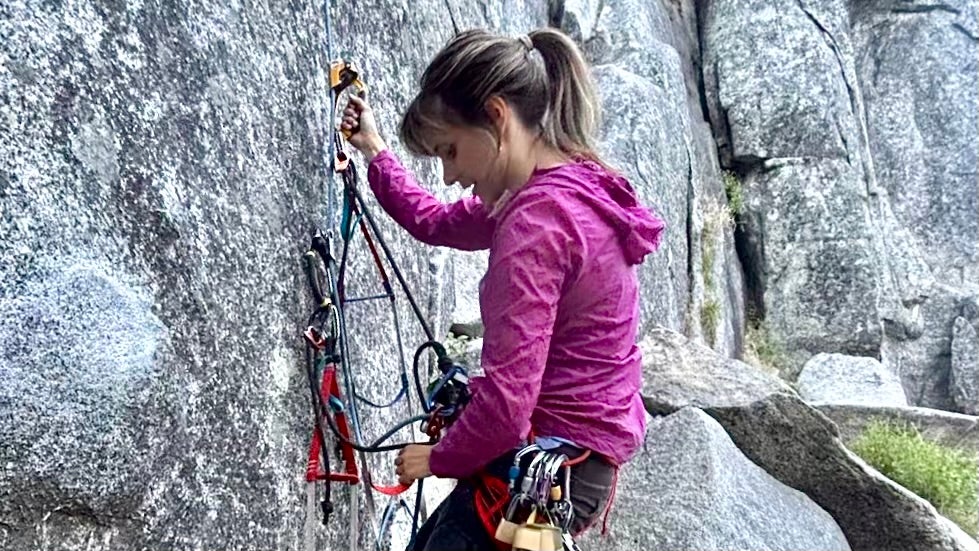
This spring, a seasoned climber embarked on an ambitious expedition into Yosemite Valley, aiming to achieve a multifaceted personal and professional agenda. The goals were clear: reconnect with friends, conquer the iconic El Capitan, launch a new digital newsletter, revive the dormant Yosemite Writing Club, and provide timely reporting on breaking news from within the Valley. During this intensive period, the climber had the opportunity to rigorously test a diverse array of gear specifically designed for the demands of big wall ascents. As the season draws to a close and the climber prepares to depart, a comprehensive evaluation of the tested products is now available, detailing which innovations impressed, which fell short, and which have earned a permanent place in the kit for future expeditions.
Aideer Climbing Ladders: A Lightweight Revolution in Aid Climbing
One of the earliest pieces of equipment to capture the climber’s attention was the Aideer climbing ladders. The journey with these ladders began in 2023, a pivotal year when the aspiration to engage in big wall climbing solidified. Influenced by a mentor, Kate Kelleghan, a renowned elite speed climber, the initial focus was on acquiring the lightest possible equipment. This philosophy led away from established brands like CAMP and Metolius, and instead, towards a less-known Swedish manufacturer: Aideer Climbing, owned and operated by Olle Hjort.
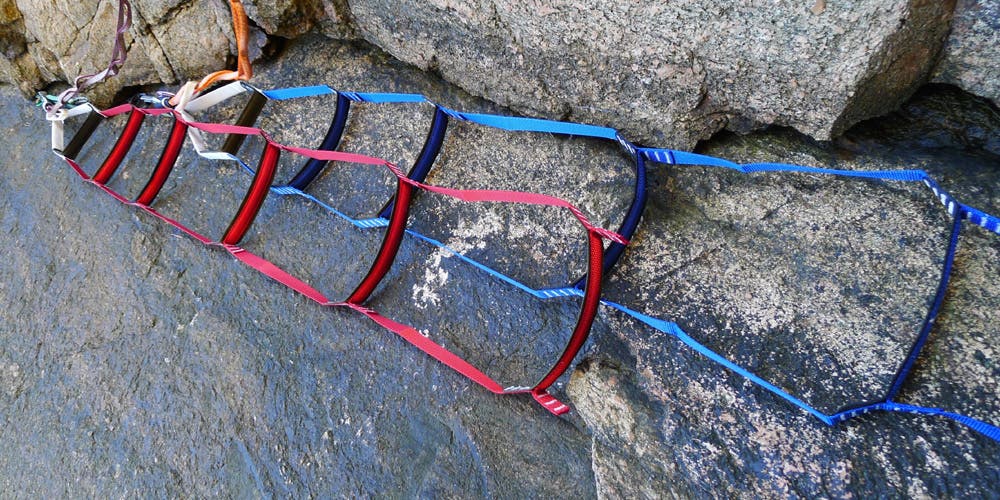
Three years later, the climber’s endorsement of Hjort’s aiders remains unwavering, citing their exceptional performance for both jugging (ascending fixed ropes) and aid climbing. Each Aideer ladder weighs a mere 7.9 ounces, a figure that, while not as minimal as pocket aiders, significantly undercuts most other ladders on the market, excluding specialized triangle-step etriers. A key innovation lies in the spreader bar design. Unlike the cylindrical bars found on many competitors, Aideer employs a flat fiberglass bar. This design not only enhances grip but also provides a more stable platform, potentially allowing for direct stepping in a pinch.
In comparison to the popular Yates Speed Ladders, which weigh 13.6 ounces and feature 1-inch steps, the Aideer ladders feel noticeably lighter and more streamlined. The steps themselves are a significant upgrade, measuring 1.2 inches and featuring a flat profile reinforced with plastic, offering a more secure and comfortable foothold. This is particularly advantageous for climbers of shorter stature, like the 5’6" tester, who found the enhanced step size crucial for stability.
Having utilized these aiders on ten Grade VI big walls, including three ambitious in-a-day ascents, the climber reports no inclination to switch to alternative models, as the Aideer ladders have demonstrated remarkable durability. They are expected to remain in use until they reach their natural end-of-life, a state they have not yet approached. For individuals seeking the stability of full-sized ladders at an unparalleled weight, or for climbers who are shorter, these aiders are highly recommended. While they do not include a packable bag or foot elastics for jugging, the climber notes that these can be easily added as personal modifications. A notable bonus is the ability to customize ladder colors online at no additional cost.
The North Face Verto Approach Shoe: A Surprising Contender
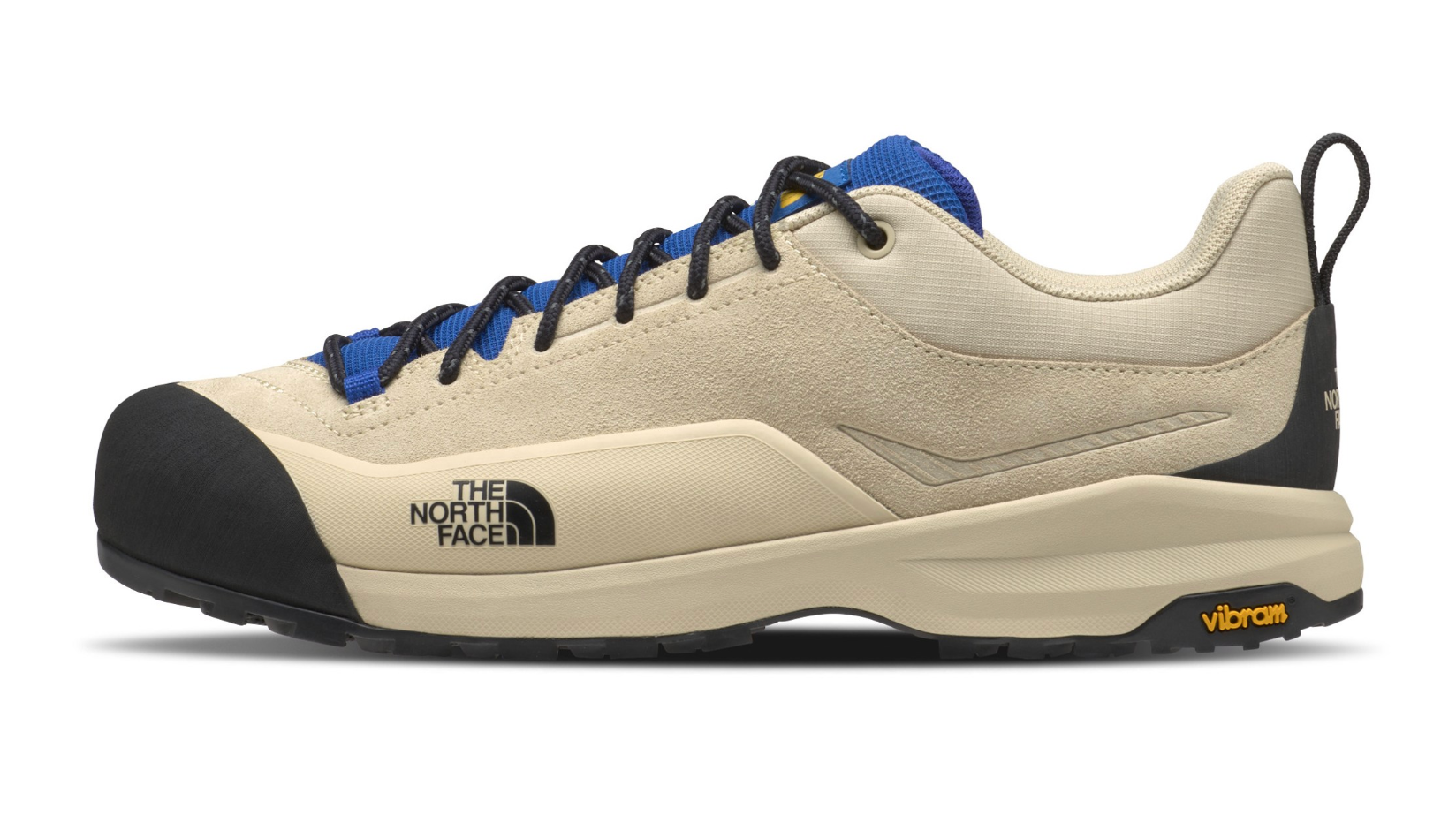
Historically, the climber’s footwear choice for Yosemite ascents had been limited to well-regarded models like the La Sportiva TX4, TX4 Guides, or Scarpa Cruxes, primarily prioritizing comfort, outsole grip, and toe protection for extended climbing days. While The North Face is more commonly associated with its apparel, the Verto approach shoe quickly proved to be a compelling alternative.
The Verto model impressed with its compact, supportive, and comfortable design, offering a sturdy feel that performed exceptionally well. The Vibram rubber outsole provided reliable traction on the smooth, ropeless slabs above Snake Dike and ensured stability during the sandy descent of North Dome Gully. A standout feature is the shoe’s clippable loop tag, robust enough to accommodate a standard carabiner. This proved a significant advantage over the flimsier 2-millimeter cord heel loops found on the La Sportiva TX4s, instilling greater confidence when hanging the shoes off a portaledge.
For the specific demands of jugging and aid climbing, the Verto shoes exhibited a low-profile design that facilitated easy entry into ladders. The reinforced rubber toe cap was a notable benefit; after more than a dozen pitches of jugging on both Washington Column and El Capitan, the climber reported no instances of toe pain from impact with the rock face.
The only significant drawback identified was the lacing system. While the laces are undeniably durable, their cylindrical and springy nature caused them to come undone approximately two to three times more frequently than on other footwear during aid climbing or jugging. Although this tendency diminished slightly after a break-in period, it remained an occasional annoyance, prompting the use of triple bows for security. However, this minor inconvenience does not detract from the shoe’s overall merit, especially given the user-friendly eyelet design that allows for easy lace replacement without specialized tools, a stark contrast to the more complex lacing systems on shoes like the TC Pros. Ultimately, the high performance, comfort, and stability of the Verto make it a strong candidate for any climber’s approach shoe rotation.
Outdoor Research Granite Gloves: Protection with Practicality
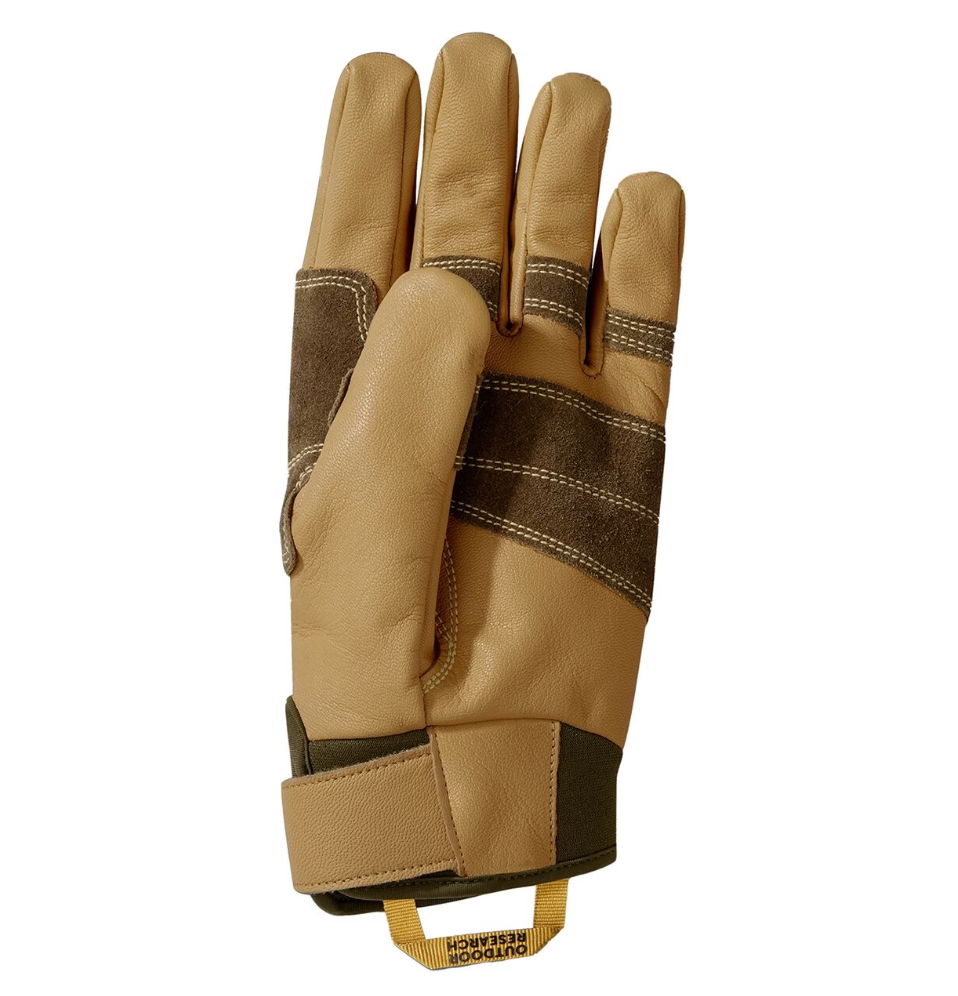
Belay gloves are a staple for many climbers, primarily to prevent the pervasive aluminum residue that can accumulate on hands from rope friction. However, the multitasking required during big wall belays—eating, drinking, managing multiple ropes, and consulting topos—demands gloves that offer both protection and dexterity.
The Outdoor Research Granite Gloves lean more towards protection than fine motor skills due to their somewhat thicker construction. Nevertheless, their standout feature is the impeccably designed wrist strap. This strap facilitates rapid and secure on-and-off transitions, being small enough to avoid interference while large enough to clip to a carabiner before removal. Furthermore, the strap functions as an effective built-in lever, simplifying the process of putting the gloves on in a single movement.
These gloves proved indispensable and reliable for various tasks, including hauling, rappelling, navigating the precarious Half Dome cables, and meticulously flaking ropes. They were found to be too warm for aid leading pitches, particularly in summer temperatures. However, they were instrumental in preventing "wall hands" after a four-day ascent of El Capitan. The climber intends to pack them again for future expeditions involving significant rope handling.
Sun Protection Redefined: Mountain Hardwear and Outdoor Research Hoodies
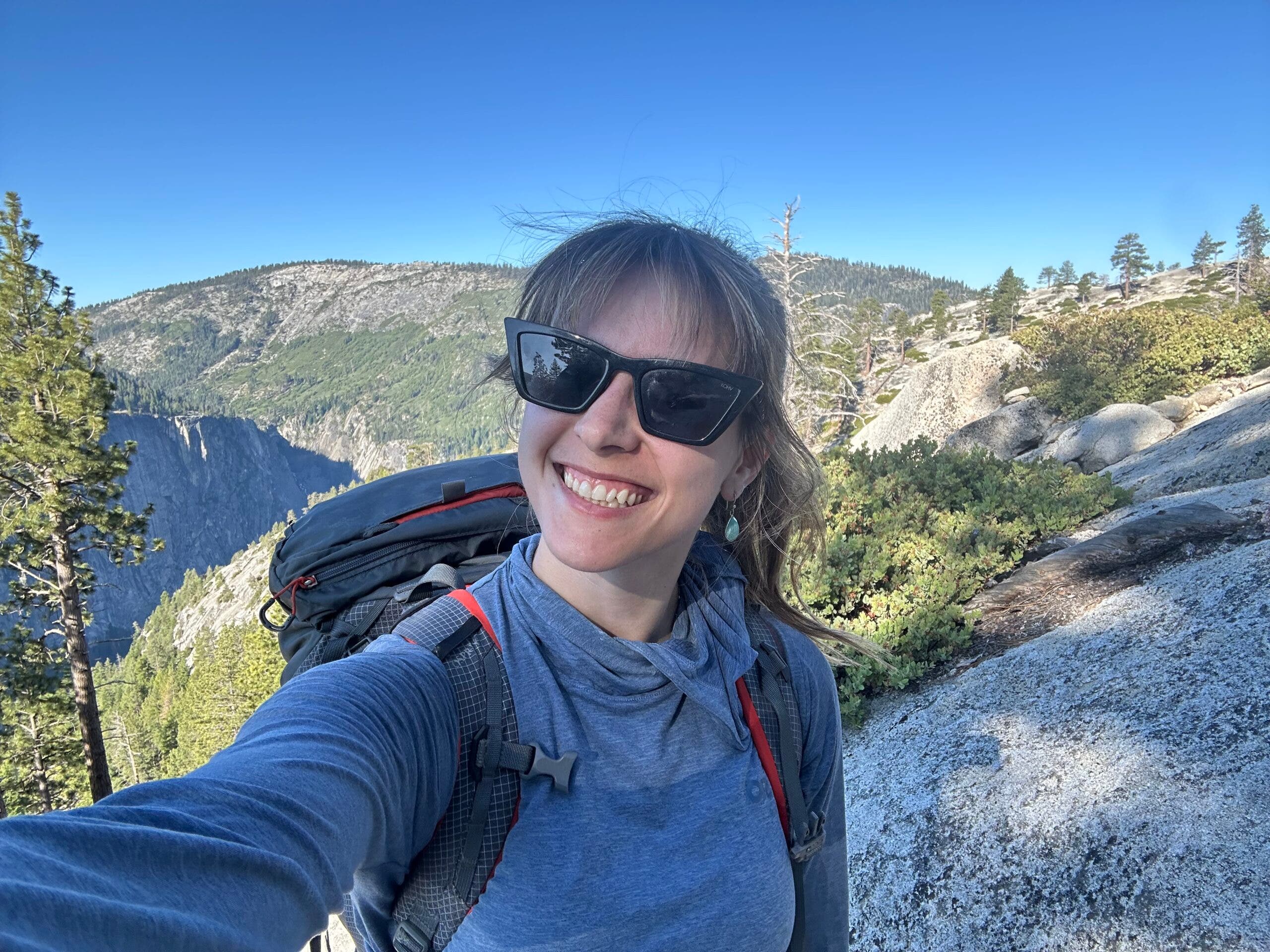
The quest for the ideal lightweight and comfortable sun hoodie has been an ongoing pursuit for the climber for several years. This season, two distinct sun-protective options from Outdoor Research were subjected to rigorous testing: the Echo and the ActiveIce Spectrum Sun Hoodie. The trials took place against the iconic backdrops of Half Dome, Washington Column, and El Capitan.
While not exceptionally lightweight, the ActiveIce Spectrum offers a cool and sleek feel. With a UPF 50 rating, it emerged as the most versatile option for the unpredictable mountain weather. The Echo, conversely, feels airy and sleek but provides only UPF 15 protection. This difference was acutely felt during a two-hour belay on El Capitan’s southwest face, where the ActiveIce Spectrum offered significantly superior sun radiation blocking compared to the Echo. The ActiveIce Spectrum also felt lighter and more comfortable than the climber’s previous go-to, the Black Diamond Alpenglow (rated UPF 40), which felt considerably heavier. All three tested hoodies were deemed comfortable enough for climbing and sleeping.
The ActiveIce Spectrum is designated for everyday wear, windy conditions, and extended climbing days with anticipated temperature fluctuations. For the most intense heat, however, the climber still favors the Mountain Hardwear Crater Lake Long Sleeve Hoody. This hoody strikes an ideal balance, combining the airy texture of the Echo with the UPF 50 sun protection of the ActiveIce Spectrum, effectively mitigating sunburn risk without causing overheating. Despite its age and evident wear from multiple big wall ascents, the yellow Crater Lake remains the top recommendation for summer climbing.
Arc’teryx Kragg Shoe: Versatile Footwear for Camp and Crag
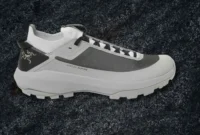
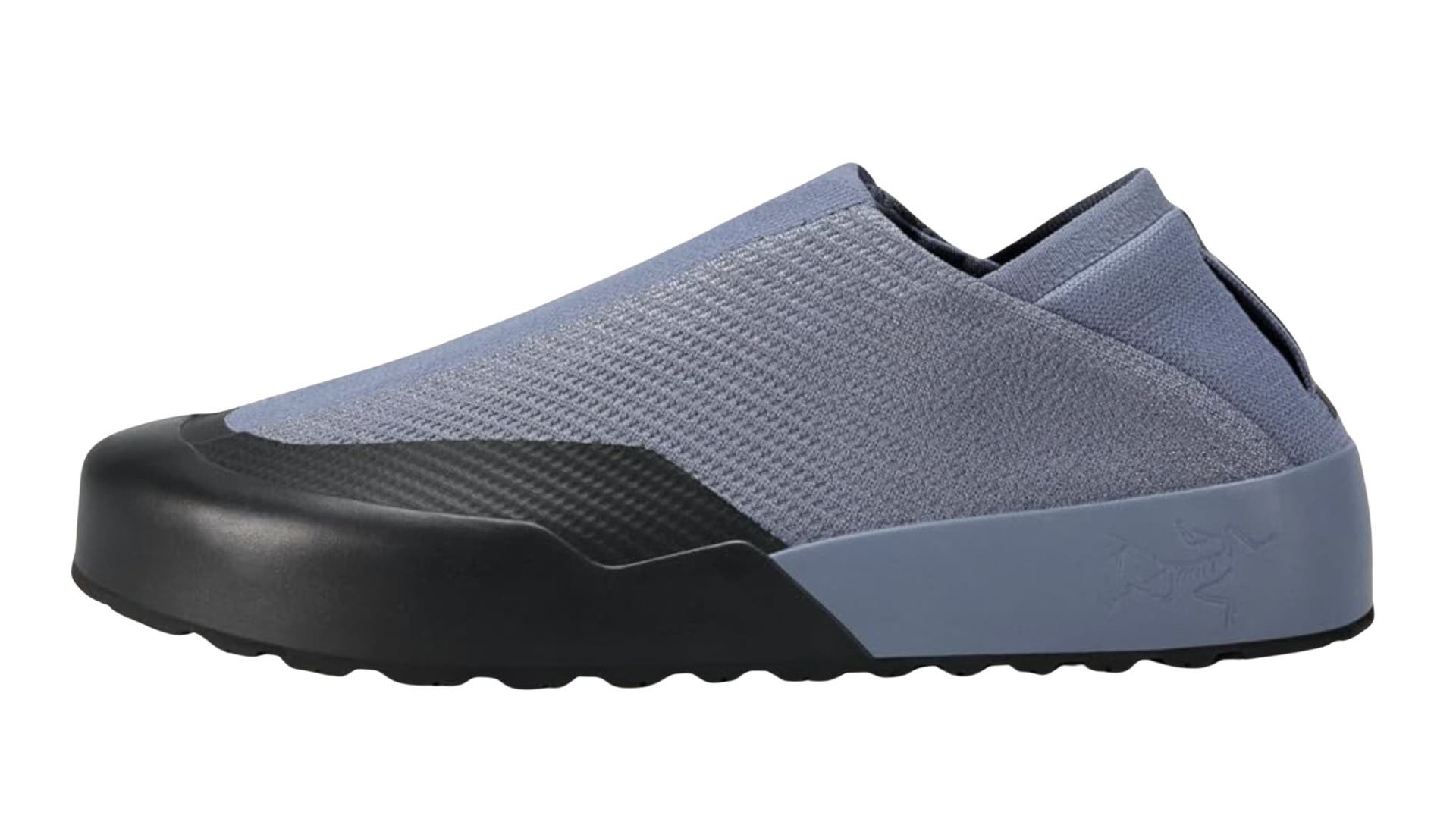
Extended stays in a tent demand footwear that balances convenience and protection. The repetitive process of lacing and unlacing approach shoes for brief excursions from the tent became a point of contention, especially when trying to deter insect intrusions. Flip-flops, while easy to slip on, offered insufficient protection against errant rocks. This spring, the Arc’teryx Kragg shoes emerged as the preferred everyday footwear, offering a welcome solution.
Prior to discovering the Kraggs, the climber’s go-to slip-on footwear were the North Face Nuptse Mules. While appreciated for their down insulation and water repellency, their aesthetic was likened to "squishy duck slippers," and they proved excessively warm for summer conditions. In contrast, the Kraggs feature thin side panels, promoting excellent breathability.
Originally designed as recovery shoes for bouldering, the Kraggs possess surprisingly effective tread, incorporating Vibram rubber and a protective toe cap. Their grippy nature makes them suitable for hiking and even scrambling on slabs. Aesthetically, their Vans-inspired profile complements casual outfits, making them a stylish choice for non-climbing days. The Kraggs proved ideal for transitioning between activities, whether hopping on a bike, hiking to a crag, or moving between the tent and the outdoors, all without compromising comfort or readiness. They are now a permanent fixture in the camping and climbing gear repertoire.
The Patagonia Houdini Jacket: An Indispensable Layer for Multi-Pitch Climbers
The Patagonia Houdini Jacket stands out as the paramount recommendation for any multi-pitch climber, particularly those operating in Yosemite. Initially received as a gift in 2024, its ultralight design was initially underestimated. The prevailing assumption was that significant warmth required heavier insulation.
This assumption proved incorrect. For the past year, the Houdini, which packs into a mere 96-gram (3.4 oz), palm-sized stuff sack—lighter than two small carabiners—has accompanied the climber on every major multi-pitch ascent, secured to the back of the harness. Its ability to neutralize biting wind, transforming icy air into a more temperate sensation, is remarkable. Crucially, it retains sufficient breathability for activities such as biking, hauling, or aid climbing with a full rack.
While not a substitute for a down puffy jacket, the Houdini demonstrably enhances the warmth of insulated layers when worn in conjunction. Its nylon fabric and zippers are both robust and reliable, although the stuff sack tag could benefit from increased thickness. An additional significant advantage is its efficacy as a bug barrier; its thin nylon construction provides comfortable wear even in hot weather, effectively repelling mosquitoes.
BioLite Range 500 Headlamp: Illuminating the Path to Safety
The specifications of a headlamp often seem abstract until a critical moment demands their full potential. During a recent descent of North Dome Gully, racing against the setting sun after a day-long ascent of the Prow, the climber’s reliance on the BioLite Range 500 headlamp became acutely apparent. Its ability to project 500 lumens over 320 feet was the crucial factor preventing a potentially disastrous fall. Enhanced brightness facilitates earlier decision-making, enabling climbers to discern false trails, switchbacks, and drop-offs well in advance. The Range 500 has emerged as the most effective climbing headlamp the tester has used in recent months.
The Range 500 excels in durability, lightness, and rapid charging, fully recharging in under an hour. Compared to other headlamps, such as the Black Diamond Storm, the Range 500 offers a slimmer profile and sits more flush against a helmet. Its design minimizes protruding components, reducing weight and preventing bouncing against the head during rapid movement, thereby avoiding interference when maneuvering close to rock features.
With an operational time of up to 7 hours on its highest setting and 200 hours on its low setting, the Range 500 is an excellent choice for expeditions where extended nighttime climbing is a possibility. Its swift charging capability makes it convenient to replenish power using a portable charger, allowing for a swap to a more casual light, like the Black Diamond Cosmo-350, for camp tasks. By the time dinner is finished, the Range 500 is typically ready for the following morning.
The sole noted flaw is that the lamp becomes noticeably hot to the touch for several minutes after prolonged use on the 500-lumen setting. While this may be a common characteristic of high-output headlamps, caution is advised to avoid direct contact with the lens immediately after intense use.