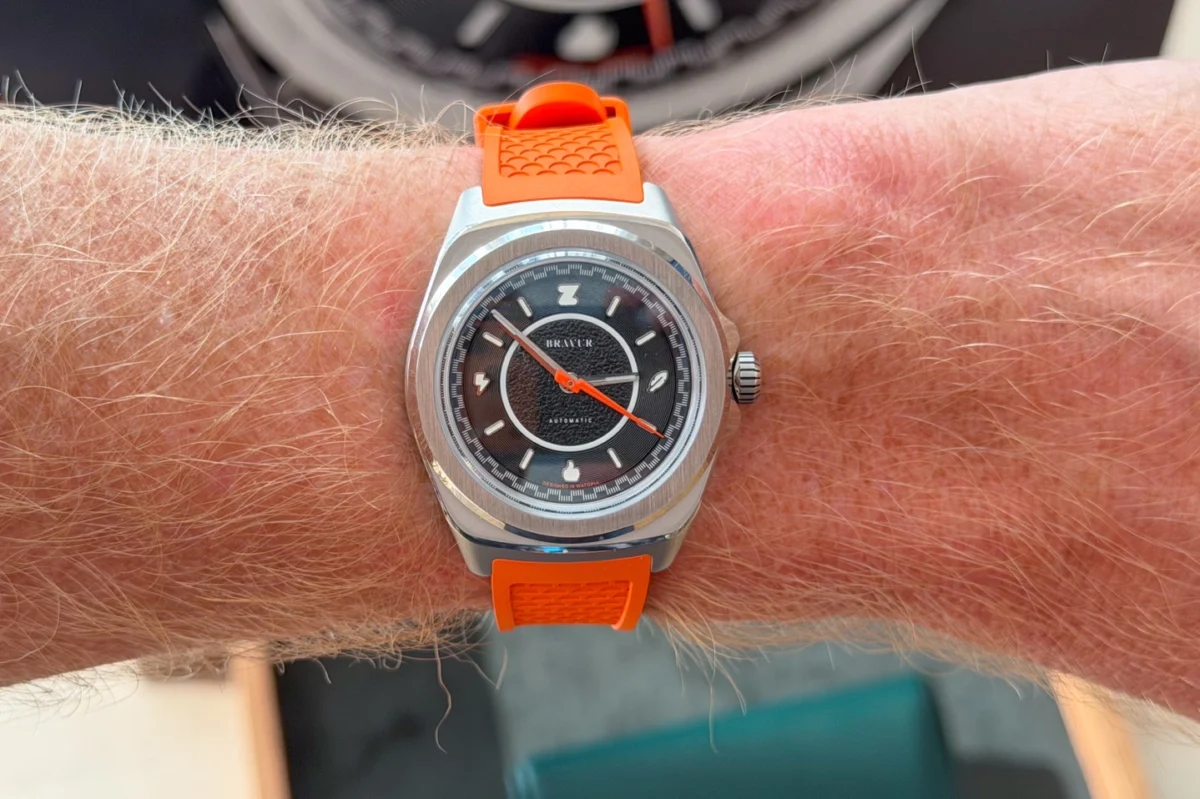
The virtual fitness giant Zwift has officially partnered with the Swedish independent watchmaker Bravur to release a highly exclusive, mechanical timepiece designed for the dedicated cycling community. This collaboration, known as the Bravur x Zwift Limited Edition, marks a significant departure for Zwift, moving from its traditional digital and hardware-based ecosystem into the realm of luxury analog horology. The watch was first previewed during the Zwift Community Live 2026 event held in Mallorca, Spain, and has now transitioned into a formal market release. Priced at $1,195 USD (plus applicable taxes and duties) or €1,395 (VAT included), the timepiece is limited to just 100 individually numbered units, targeting collectors and enthusiasts who bridge the gap between digital performance and classical craftsmanship.
The unveiling of the Bravur x Zwift timepiece occurred against the backdrop of Mallorca, an island globally recognized as a premier destination for professional and amateur cyclists. The Zwift Community Live 2026 event served as a hub for the platform’s most dedicated users, offering an environment where virtual training and real-world cycling intersect. While the event focused heavily on software updates and community engagement, the presence of a physical, non-electronic watch signaled Zwift’s broader ambition to establish itself as a lifestyle brand. Despite the prevalence of high-tech smartwatches at the event, including the latest iterations from Garmin and Apple, the Bravur collaboration deliberately eschews digital features in favor of a traditional Swiss-made movement.
Technically, the Bravur x Zwift watch is built upon a foundation of established horological standards. The case is constructed from 316L stainless steel, a material favored in the watchmaking industry for its corrosion resistance and durability. It features a diameter of 37 mm and a lug-to-lug measurement of 44.6 mm, placing it in the category of "mid-size" or "vintage-inspired" watches. This sizing is a notable contrast to the current trend of oversized sports watches and multi-sport GPS units, which often exceed 45 mm or 50 mm in diameter. The lug width is set at 18 mm, and the case is equipped with a screw-down crown, contributing to a water resistance rating of 10 ATM (100 meters), making it suitable for swimming and exposure to the elements during outdoor rides.
The movement powering the timepiece is the Swiss-made Sellita SW200-2 Power+. This self-winding mechanical caliber is a well-regarded "workhorse" movement within the industry, known for its reliability and ease of service. It operates at a frequency of 28,800 vibrations per hour (4 Hz), which translates to a smooth sweeping motion of the second hand at eight beats per second. The movement includes 26 jewels to reduce friction and offers a power reserve of up to 62 hours. Notably, the watch does not feature a date complication, a design choice that maintains the symmetry of the dial and emphasizes its purpose as a specialized commemorative piece.
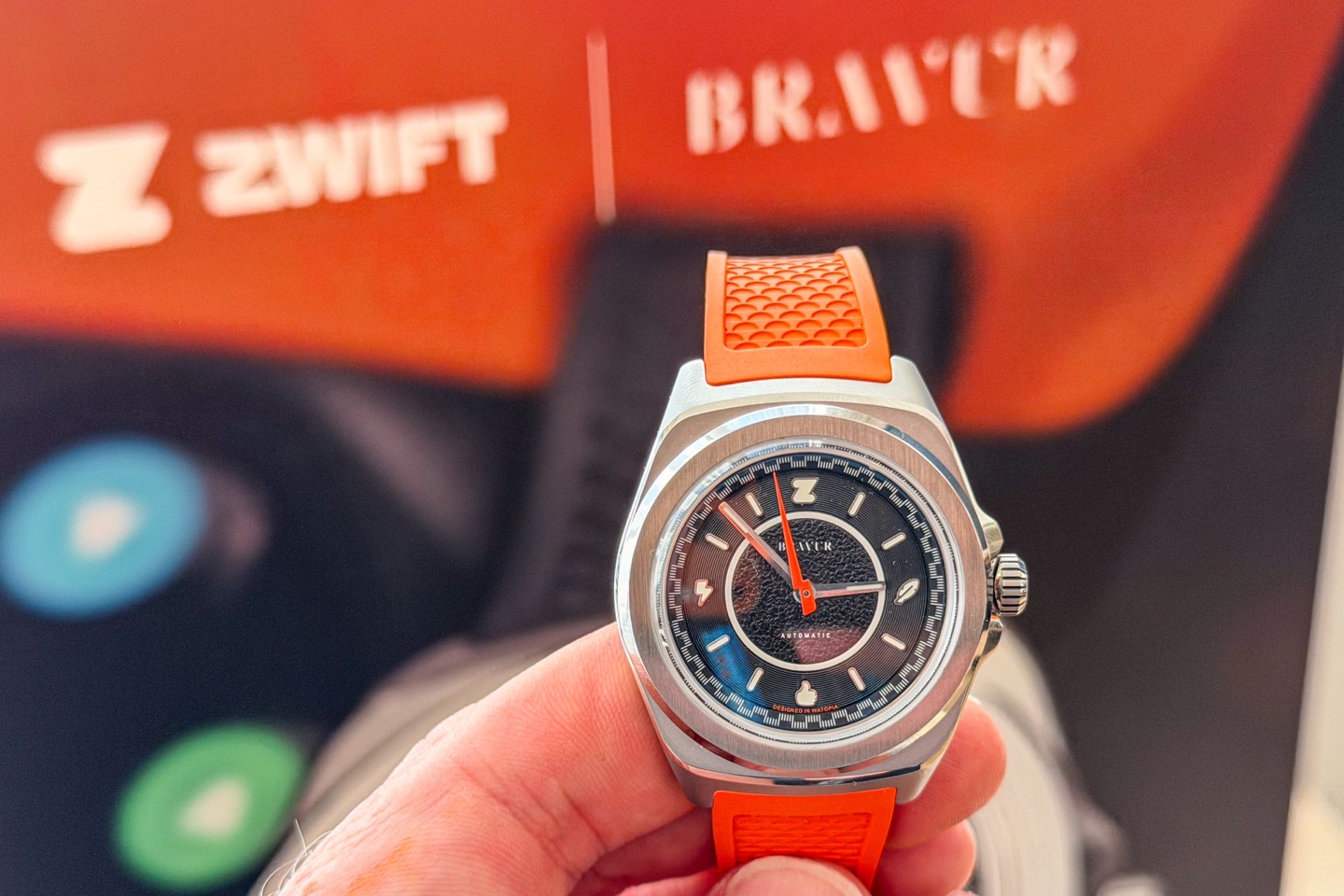
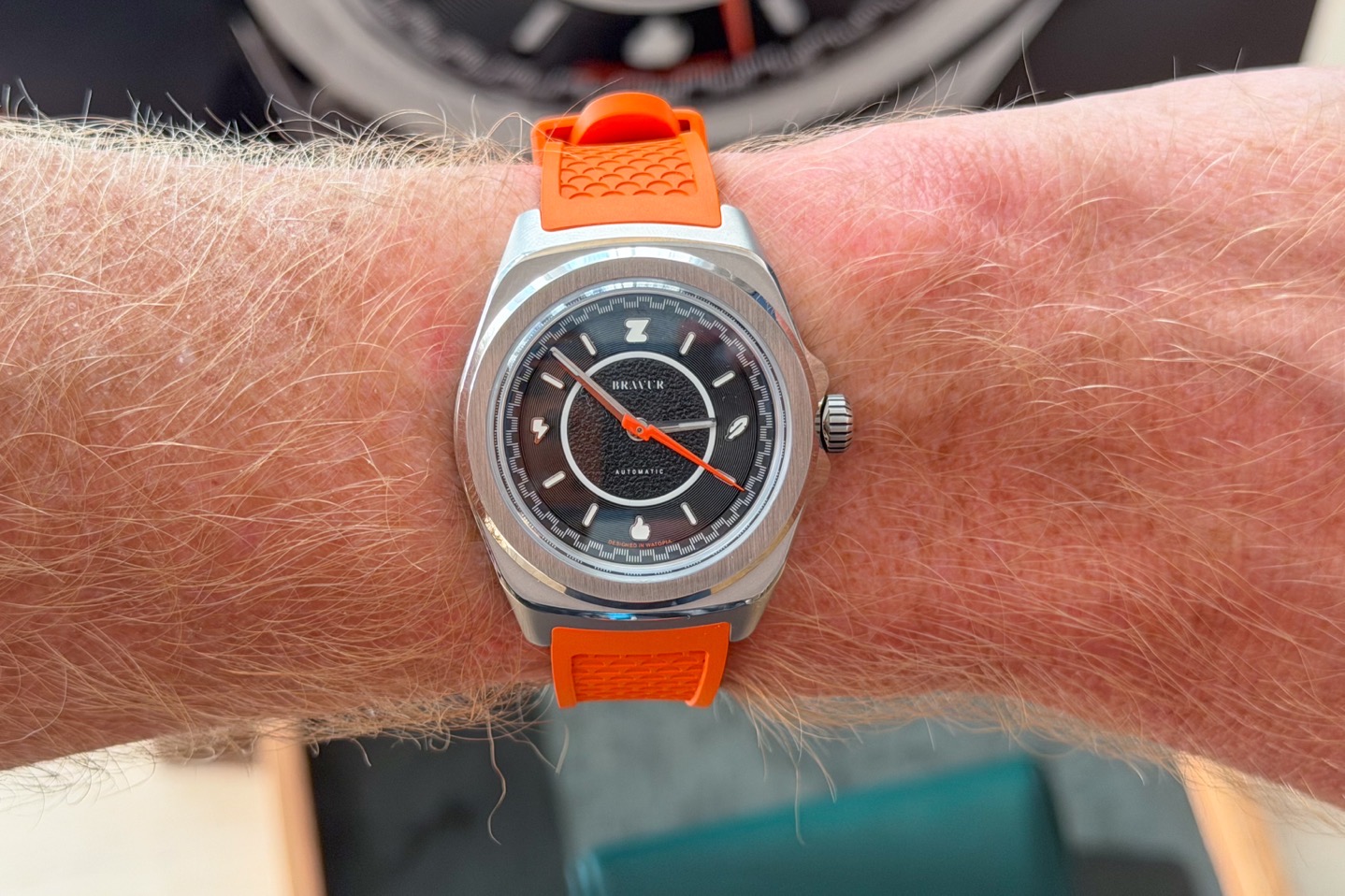
The design language of the Bravur x Zwift watch is heavily influenced by the visual identity of the Zwift platform. The dial is black with a "lava" texture at the center, a reference to the volcanic landscapes found within Zwift’s virtual worlds, such as Watopia. Surrounding the center is a luminous "Tron" ring, designed to mimic the glowing aesthetics of the "Concept Z1" bike—famously known as the Tron bike—which is a coveted status symbol in the Zwift game. The indices are applied and infilled with Super-LumiNova for low-light visibility. In a direct nod to the platform’s mechanics, the 3, 6, 9, and 12-hour markers are replaced with Zwift "power-up" symbols, representing the various in-game advantages users can earn during races and training sessions.
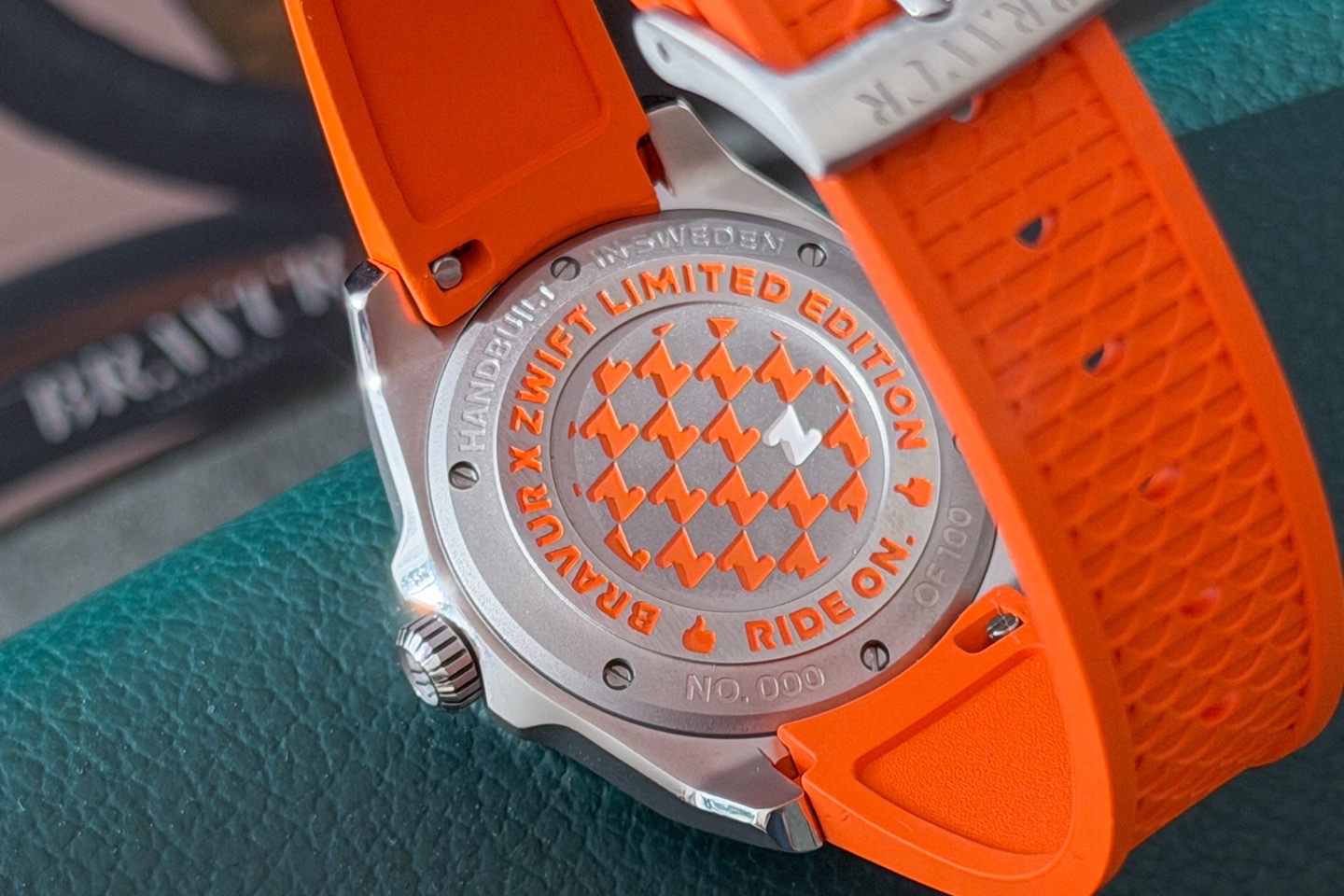
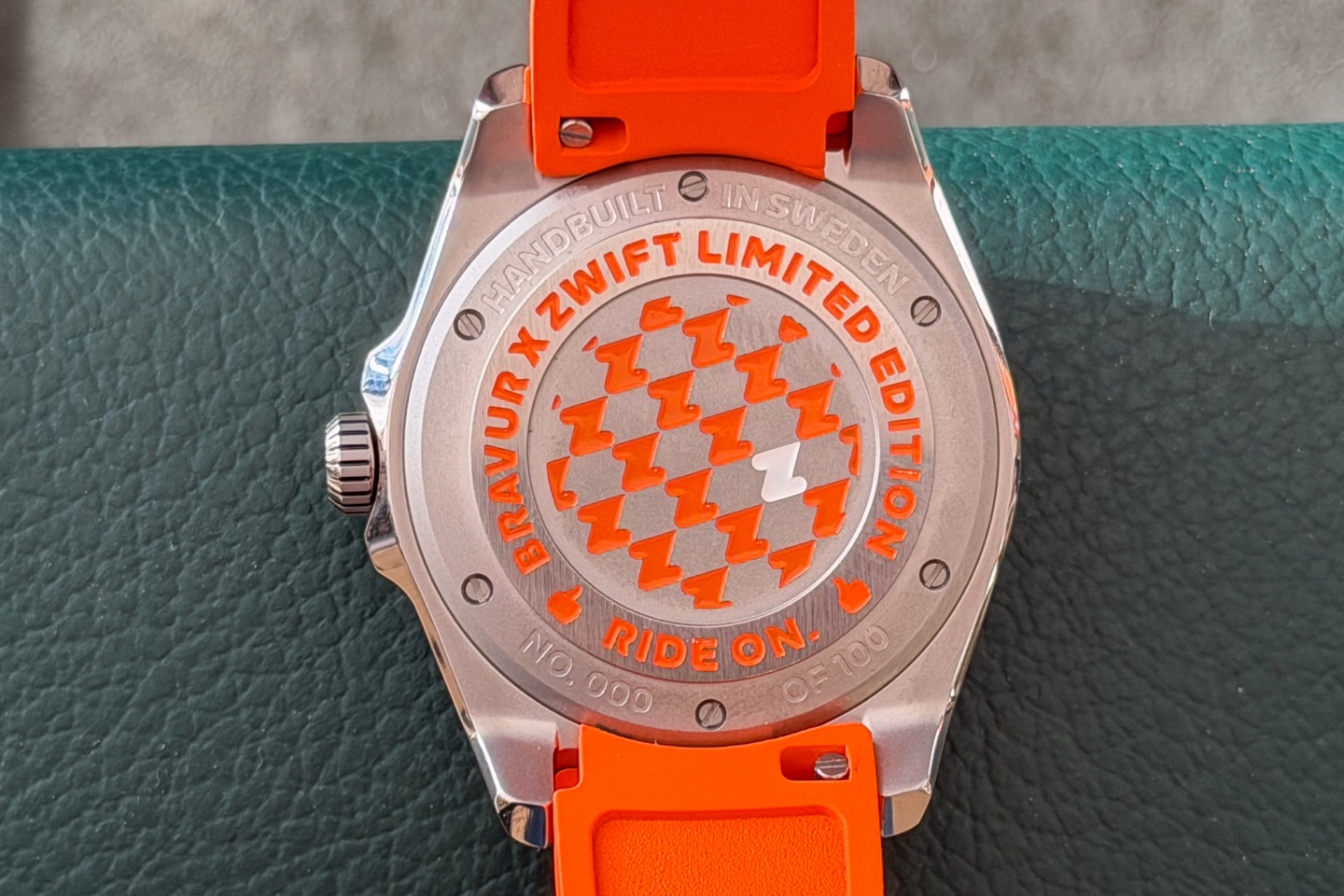
Further customization is evident in the hands and the minute track. The hour and minute hands are rhodium-plated and infilled with Super-LumiNova, while the second hand is shaped like a lightning bolt and finished in "Zwift Orange." The minute track is described as "racing-inspired," emphasizing the competitive spirit of the platform. On the reverse side, the stainless steel case back is engraved with the Zwift logo, the "Ride On" slogan, and the iconic thumbs-up icon used by members of the community to encourage one another during virtual rides. Each unit is also engraved with its unique serial number out of the 100-piece production run.
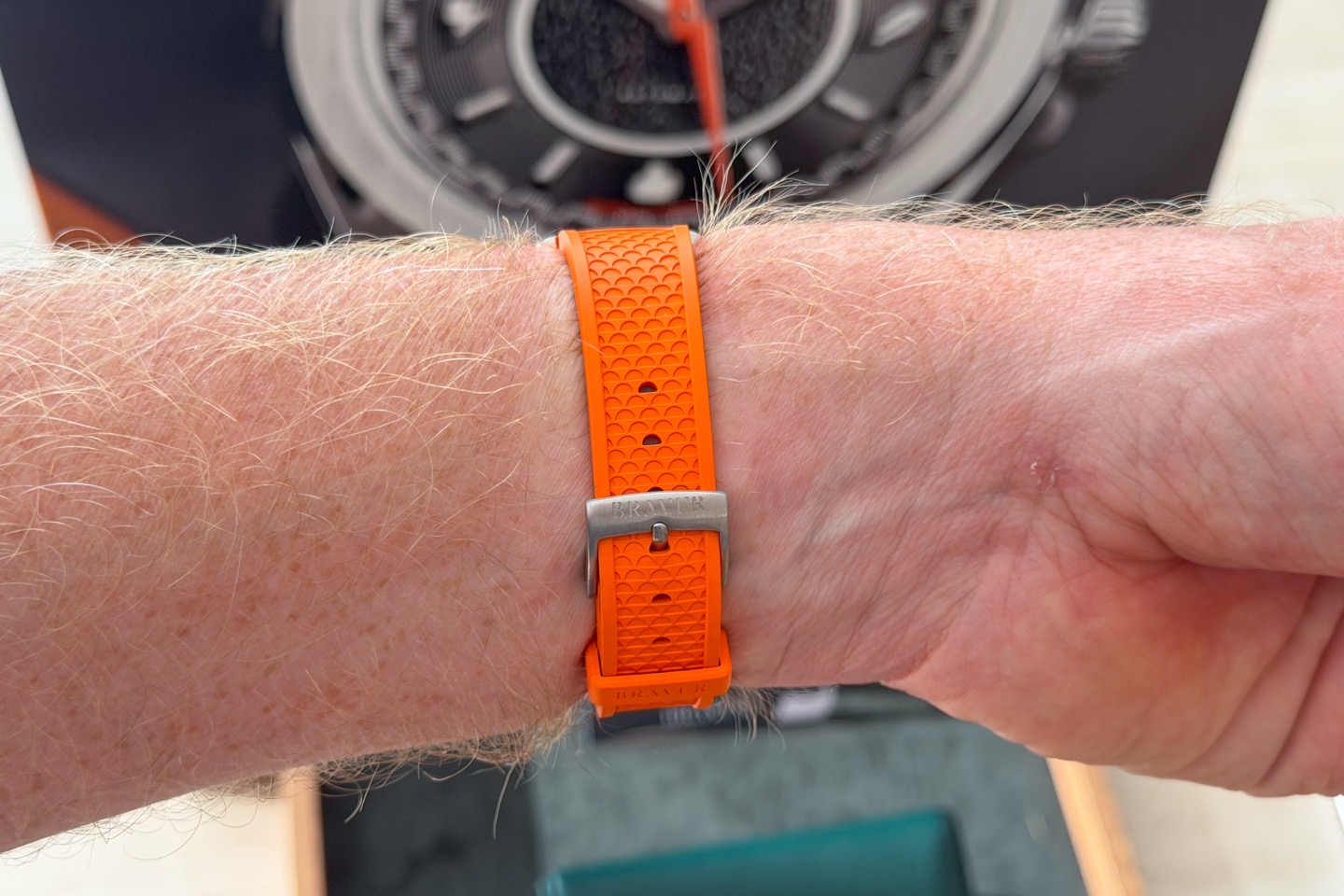
The watch is supplied with two integrated FKM rubber straps: one in black and one in the signature Zwift orange. FKM (fluoroelastomer) rubber is a high-performance material often used in luxury sports watches due to its resistance to heat, chemicals, and UV radiation, as well as its comfort on the wrist compared to standard silicone or natural rubber. The package also includes a leather cycling bag, reinforcing the connection between the product and the sport of cycling.
From a market perspective, the release of the Bravur x Zwift watch reflects a growing trend of "lifestyle crossover" products. While Zwift’s core business remains its subscription-based virtual training software, the company has increasingly expanded into physical hardware, including smart trainers and the Zwift Play controllers. However, a mechanical watch represents a different tier of brand engagement. Unlike a smartwatch, which requires frequent charging and becomes obsolete as technology advances, a mechanical watch like the Bravur collaboration is intended to be a long-term keepsake. It does not offer heart rate monitoring, GPS tracking, or Bluetooth connectivity—features that the author of the initial report noted with a degree of irony, given Zwift’s status as a tech-driven company.
Industry analysts suggest that the 100-unit limit is a strategic move to ensure the product remains a "grail" item for the most loyal segments of the Zwift user base. Bravur, the manufacturing partner, is no stranger to the cycling world. The Swedish brand has previously released several watches under its "Team Heritage" and "Grand Tour" series, drawing inspiration from the colors and history of professional road racing. By partnering with Bravur, Zwift leverages the watchmaker’s existing reputation for hand-building timepieces in Båstad, Sweden, while adding its own unique digital heritage to the design.
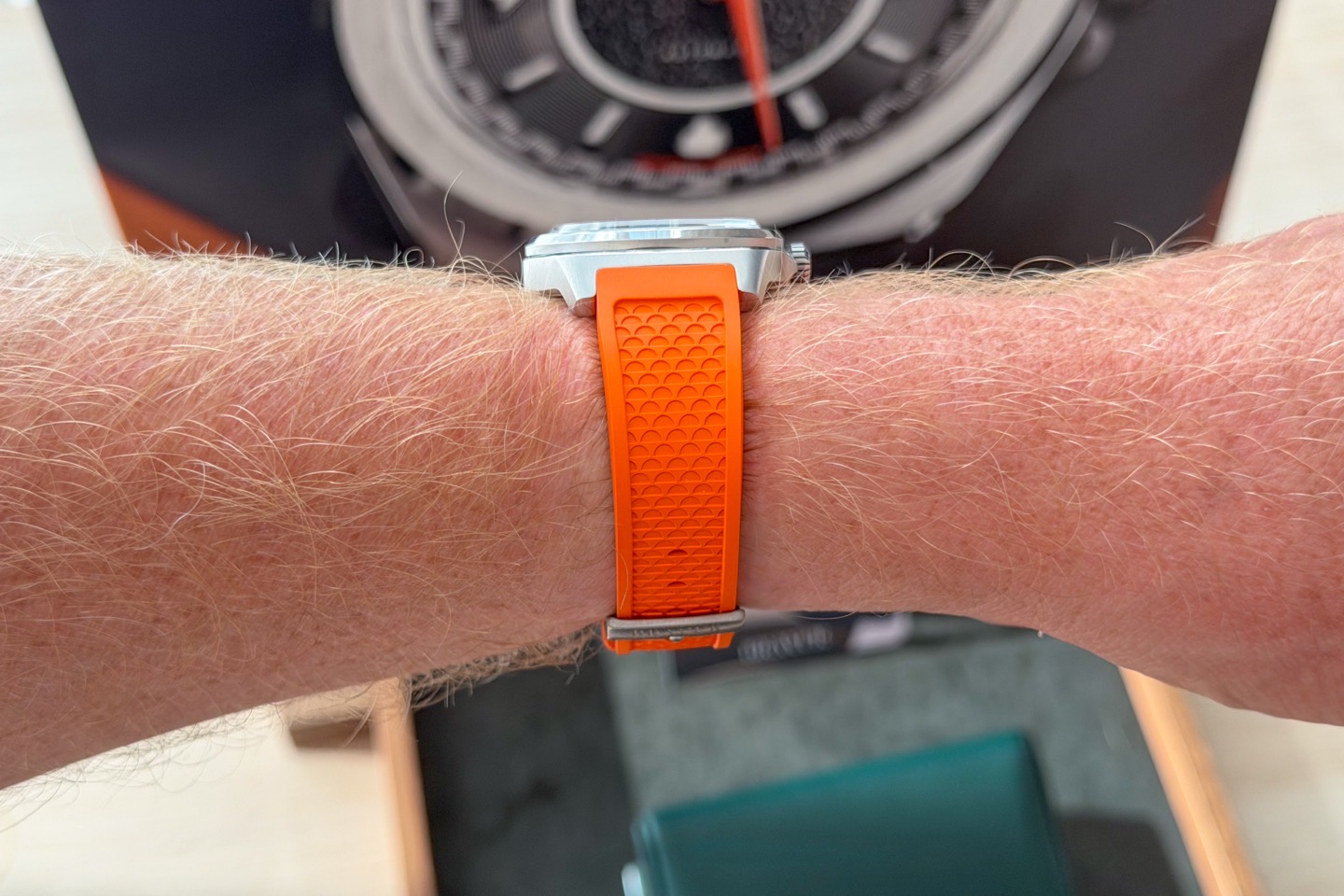
The choice of a 37 mm case size has sparked discussion among enthusiasts. In comparison to modern wearables, such as the Apple Watch Ultra (49 mm) or the Garmin Fenix 8 series (up to 51 mm), the Bravur x Zwift watch is significantly smaller. This sizing aligns it more closely with the "neo-vintage" trend in horology, where smaller, more wearable cases are favored for their elegance and comfort. For cyclists, a smaller watch may also be preferable as it is less likely to interfere with the wrist’s range of motion or get caught on jersey sleeves.
The pricing of the watch—exceeding $1,000—positions it as a luxury item rather than a mass-market accessory. This places it in competition with other entry-level luxury mechanical watches from brands such as Tissot, Sinn, or Oris. However, for the Zwift community, the value proposition lies in the exclusivity and the specific thematic elements that cannot be found elsewhere. It serves as a physical trophy for those who have spent hundreds or thousands of hours training in the virtual world of Watopia.
The official response from the community during the Mallorca event was one of quiet curiosity. While many participants were focused on their performance metrics and the latest trainer technology, the Bravur display provided a moment of reflection on the culture of cycling. The watch serves as a reminder that even in an era of data-driven athletics and virtual environments, there remains a deep appreciation for the mechanical and the tactile.
In conclusion, the Bravur x Zwift Limited Edition is a calculated venture into the lifestyle luxury market. It successfully translates the digital icons and aesthetic energy of the world’s largest virtual cycling platform into a high-quality, hand-built mechanical object. While it lacks the "smart" features that define Zwift’s primary product, its appeal lies in its craftsmanship, its rarity, and its status as a permanent tribute to the "Ride On" culture. As Zwift continues to evolve, collaborations such as this indicate that the company is looking far beyond the screen to integrate itself into every aspect of a cyclist’s life. With only 100 units in existence, the timepiece is expected to become a significant collector’s item within the cycling community, symbolizing the intersection of 21st-century technology and 18th-century horological tradition.