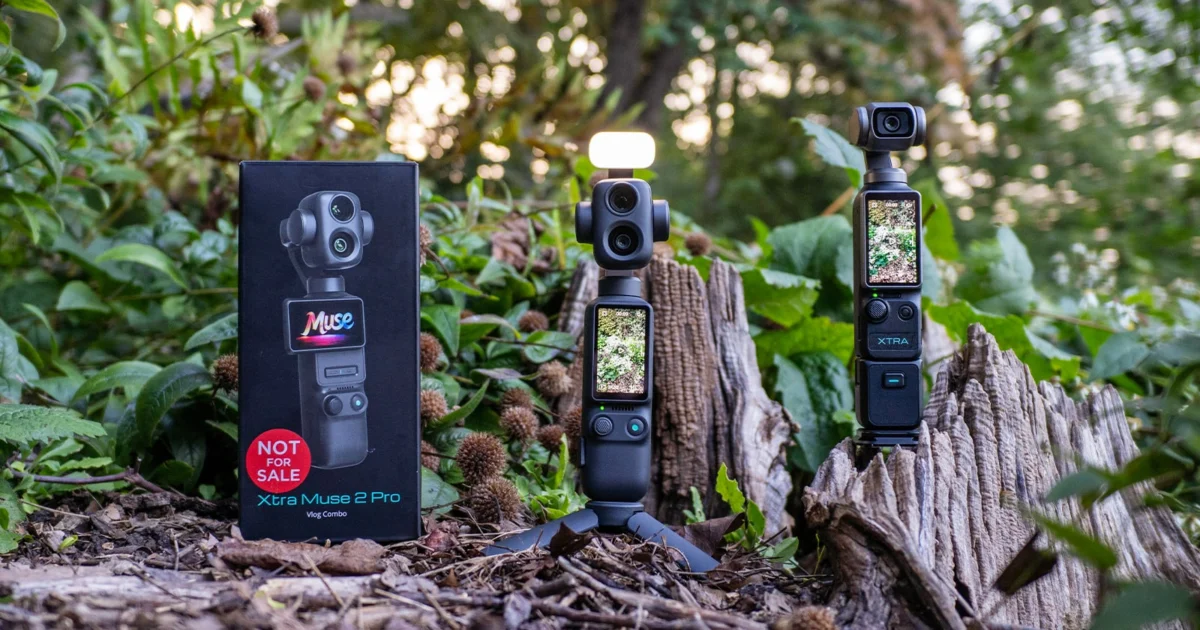
The Xtra Muse 2 Pro, a dual-lens pocket gimbal camera, was initially heralded as a breakthrough in mobile content creation. However, the device’s journey from a promising late-summer launch to its current state of regulatory limbo serves as a case study in the increasing friction between international hardware manufacturers and U.S. federal oversight.
A Chronology of Regulatory Friction
The path of the Muse 2 Pro began with optimism. In late May 2026, Xtra announced its "100 Creators" program, a strategic marketing initiative designed to seed the device among high-profile influencers and photographers. By June 2026, the company had successfully navigated the initial hurdles of the Federal Communications Commission (FCC) equipment authorization process, receiving the necessary filings to import and market the device.
However, the climate for such technology shifted rapidly. By July 2026, Xtra was forced to pause its "Early Bird" reservation program, which had required a refundable $20 deposit from prospective buyers. The company began issuing refunds, citing an inability to confirm a reliable launch timeline.
This disruption coincided with broader, intensifying scrutiny from the FCC. The commission has been conducting a wider investigation into companies accused of integrating restricted or proprietary technologies from entities already under U.S. trade sanctions, specifically those linked to DJI-related supply chains. In July, the FCC proposed a $25,000 forfeiture against Xtra, alongside a proposal to prohibit the continued importation and marketing of certain equipment. While these actions are part of an ongoing administrative process rather than an immediate, total ban on all Xtra products, the resulting regulatory uncertainty has effectively paralyzed the domestic release of the Muse 2 Pro.
Technical Capabilities and Market Positioning
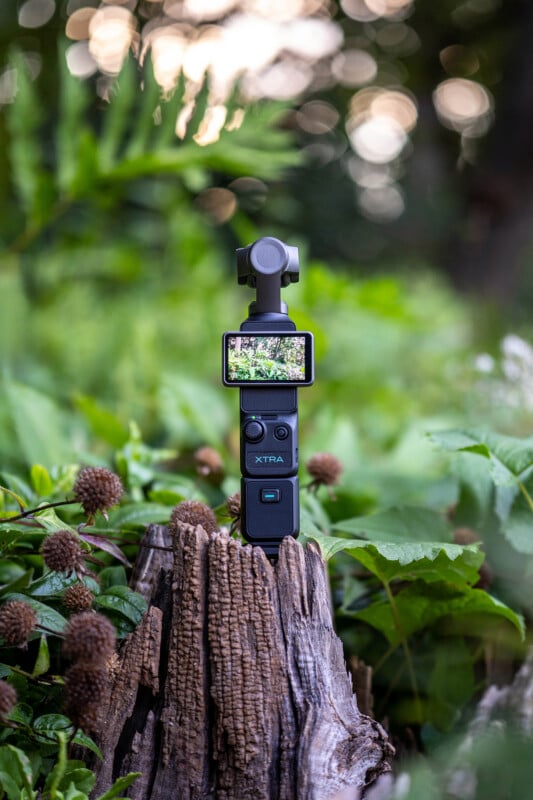
Despite the regulatory roadblocks, the Muse 2 Pro is a sophisticated piece of hardware. It features a dual-camera array, a departure from the single-lens standard typical of pocket-sized gimbals. The primary camera houses a 1-inch CMOS sensor paired with an f/2.0 lens, providing 20mm-equivalent wide-angle coverage. The secondary camera serves as a telephoto lens, offering a 60mm-equivalent focal length that provides approximately 3x optical reach.
For content creators, the inclusion of a three-axis mechanical gimbal in a device of this size is a significant differentiator. The camera is capable of recording 4K video at up to 240 frames per second and supports the 10-bit X-Log 3 profile, which is engineered to provide a wide dynamic range—claimed by the manufacturer to be up to 17 stops. This technical specification puts it in direct competition with professional-grade vlogging tools, yet it is contained in a chassis that is, as the name implies, easily pocketable.
The device also distinguishes itself with 103GB of integrated internal storage, reducing the immediate reliance on external microSD cards. Its automated subject-tracking features, powered by updated algorithms, have demonstrated a high level of performance in real-world testing, particularly in maintaining focus during rapid movement.
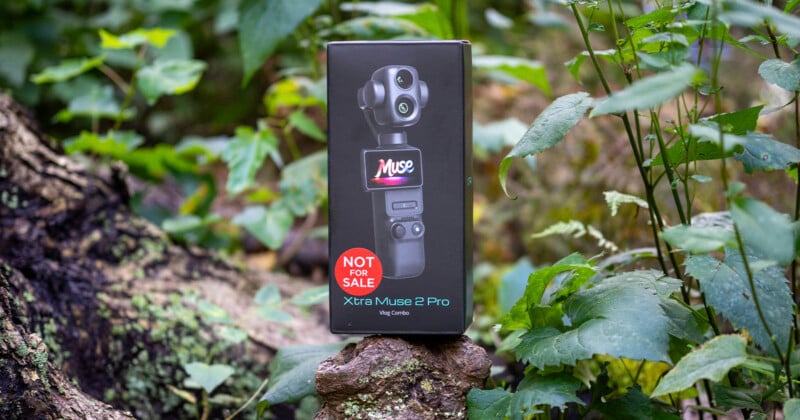
The "Not For Sale" Paradox
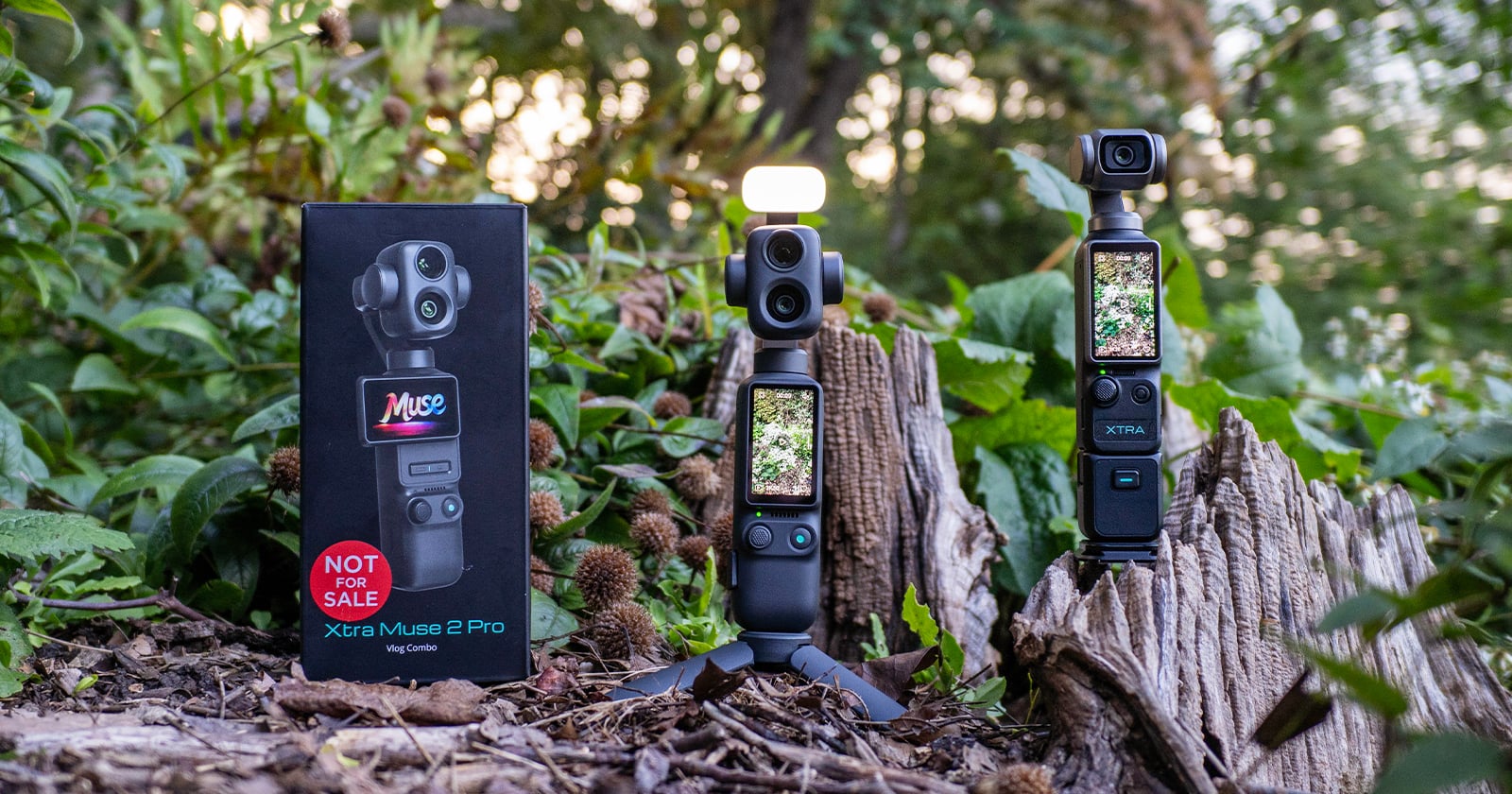
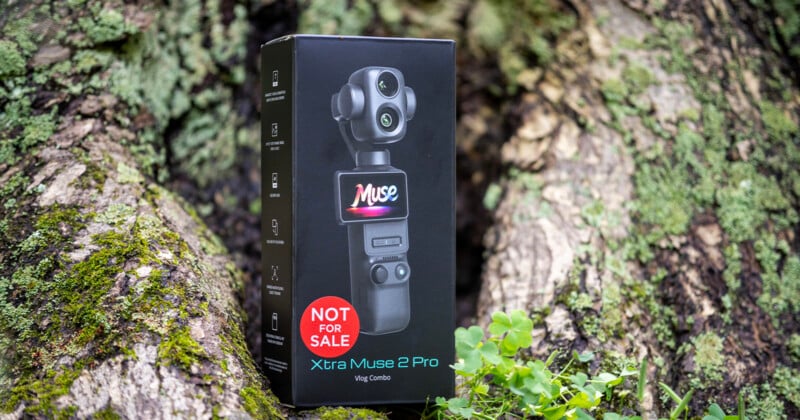
The units currently in circulation—such as those provided to the “Aesthetic Masters”—carry a distinct "NOT FOR SALE" designation on their packaging. This is not merely a legal disclaimer; it is a physical manifestation of the current trade environment. While Xtra maintains that its older, existing product lines remain fully supported and available for purchase in the U.S., the Muse 2 Pro occupies a precarious "limbo" status.
Industry analysts suggest that the "NOT FOR SALE" status of these units is likely a precautionary measure by the manufacturer to ensure compliance with current FCC directives while the company remains in active communication with federal regulators. If Xtra cannot resolve the outstanding questions regarding its supply chain and the origin of its integrated technologies, the device may never reach the U.S. retail shelf, despite its clear technical viability.
Broader Implications for the Creator Economy
The situation surrounding the Xtra Muse 2 Pro reflects a growing trend in the consumer electronics sector, where hardware capability is increasingly tethered to geopolitical stability. As social media platforms demand higher-quality, cinematic-style footage, creators are moving away from smartphones and toward specialized hardware like the Muse 2 Pro.
However, when those tools are caught in the crosshairs of national security and trade regulation, the creator economy faces a disruption in its supply chain. For the individual creator, the loss of access to such hardware means a setback in their ability to document content efficiently. For the manufacturer, it represents a loss of market share in one of the world’s most lucrative demographics.

The "Aesthetic Masters" who received the units have reported that the camera performs exceptionally well in low-light conditions, with natural color science and effective mechanical stabilization. Yet, these positive impressions are shadowed by the reality that, for the average American consumer, the device is essentially a ghost product—visible on social media feeds and discussed in tech circles, but physically unattainable.
The Path Forward
Xtra has publicly stated that it is engaged in ongoing dialogue with the FCC. Whether this will lead to a modified version of the Muse 2 Pro that meets all U.S. requirements, or if the product will be permanently relegated to international markets, remains an open question.

The current situation is illustrative of a broader challenge for global tech firms: the necessity of navigating a fragmented regulatory landscape. As the FCC continues to scrutinize the provenance of imaging components and software integration, companies like Xtra will face increasing pressure to prove the independence of their supply chains.
For now, the Muse 2 Pro stands as a symbol of high-end, portable innovation that has been sidelined by international policy. It remains a "what-if" product for the American market—a device that promised to redefine the pocket-gimbal category, only to be stopped by the very regulations designed to govern the technology it utilizes. Until there is a resolution from the FCC, the "Not For Sale" sticker remains the definitive status of the device, serving as a reminder that in the modern era of photography and video, technology is never entirely separate from policy.