McLaren’s Formula 1 partnership with Motul is set to redefine high-performance lubricants, extending their collaboration from the pinnacle of motorsport to the demanding world of endurance racing. This strategic alliance leverages the extreme conditions of Formula 1 to rigorously test and develop bespoke lubrication solutions, promising enhanced performance and durability across a wider spectrum of automotive applications. The partnership signifies a commitment to pushing the boundaries of fluid technology, where every drop plays a critical role in mechanical success.
The Genesis of a High-Performance Partnership
The initial stages of the Motul and McLaren collaboration focused on the transmission fluid for McLaren’s Formula 1 cars. This was not a casual undertaking. Formula 1, by its very nature, subjects components to unparalleled stresses. Engines rev to stratospheric RPMs, gears are shifted with violent precision, and the entire powertrain operates under immense thermal and mechanical loads for extended periods. For Motul, this presented an ultimate proving ground.
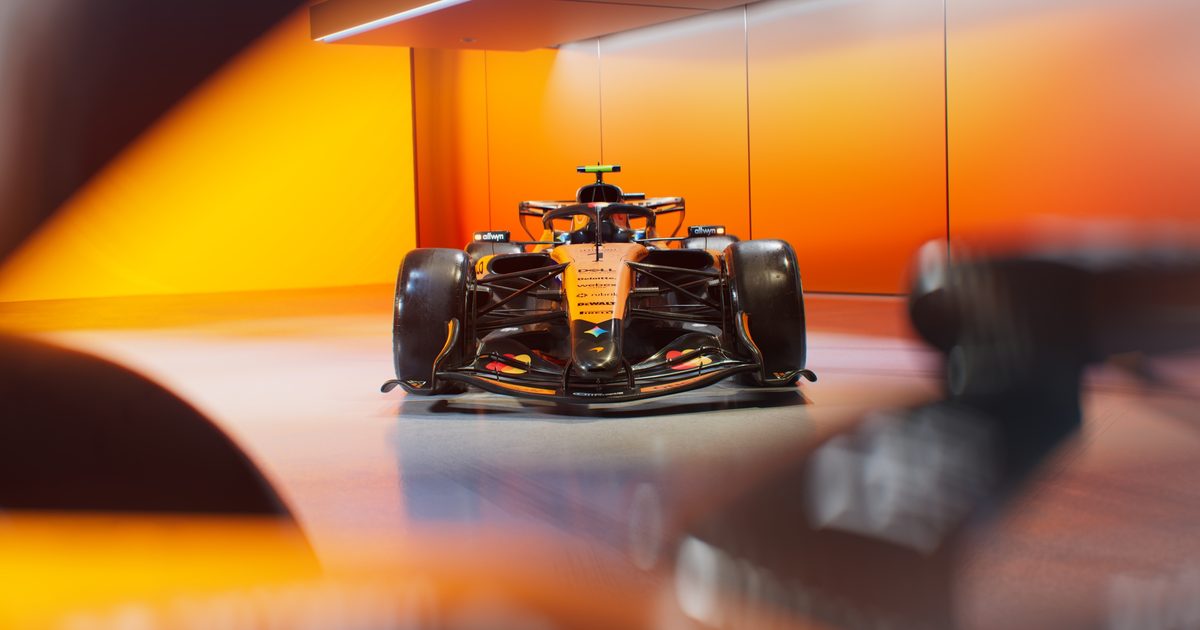
Julien Plet, Head of R&D at Motul, articulated the core challenge: "McLaren was already using a very high-performance transmission fluid, with an extremely high level of requirements. Our challenge was to go even further: decrease friction losses even more while ensuring lubricant durability over time. The formulation developed with McLaren Racing has been validated to maintain its performance over several thousand kilometers under Formula 1 conditions."
This statement underscores the sophisticated engineering involved. Reducing friction is paramount in racing, as it directly translates to more power reaching the wheels and improved efficiency. However, achieving this reduction without compromising the lubricant’s integrity over prolonged, high-intensity use is a delicate balance. The fact that the developed formulation was validated to maintain its performance under F1 conditions is a testament to the advanced chemistry and meticulous testing employed.
Formula 1: The Ultimate Proving Ground
The relentless pursuit of speed and efficiency in Formula 1 makes it an unparalleled testing laboratory for automotive components. The immense forces exerted on an F1 car’s drivetrain – from the gearbox to the engine internals – are exponentially greater than those encountered in road cars or even other forms of motorsport. This extreme environment allows Motul to identify and address potential weaknesses in lubricant formulations that might go unnoticed in less demanding applications.
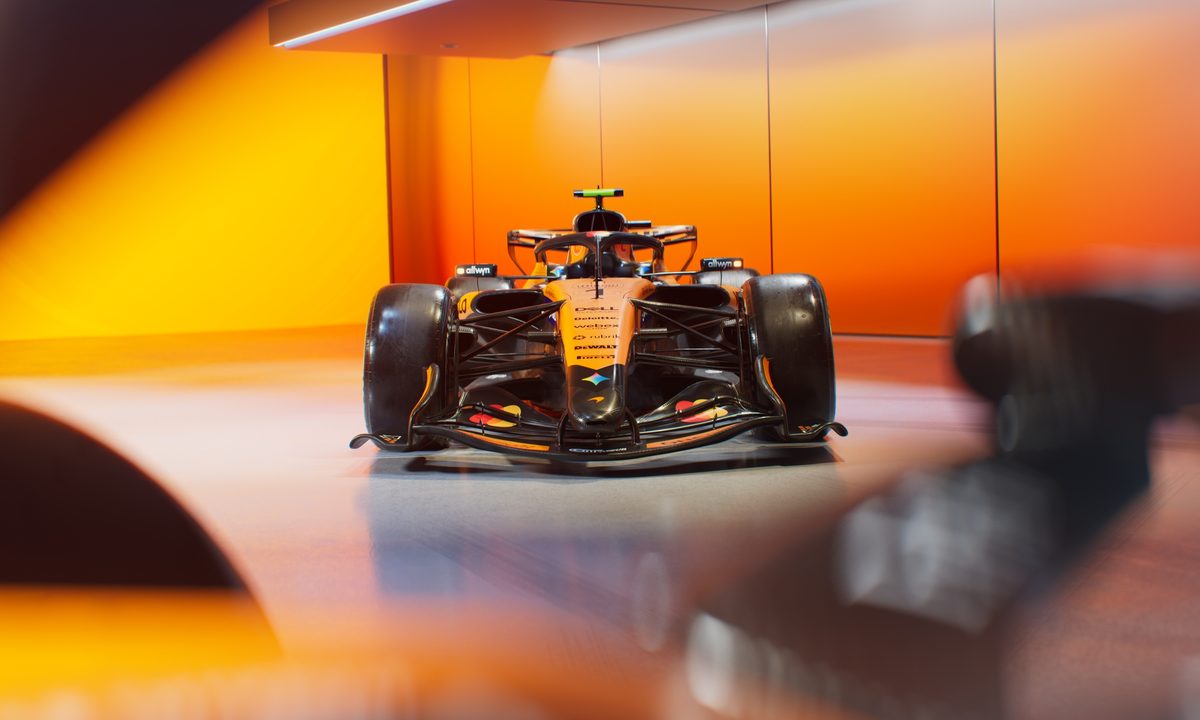
The data generated from F1 testing provides invaluable insights. Sensors meticulously monitor temperatures, pressures, wear rates, and fluid viscosity in real-time. This granular data allows Motul’s R&D teams to precisely understand how their lubricants perform under various racing scenarios, from the searing heat of a Grand Prix circuit to the precise demands of qualifying laps.
Plet further elaborated on the ongoing nature of this development: "And this is only the beginning: in F1, cars are constantly evolving, and the formulation will continue to progress as well." This highlights the dynamic relationship between Motul and McLaren. As McLaren’s F1 cars undergo aerodynamic and mechanical upgrades, the lubrication requirements also shift. Motul’s role is not static; it is a continuous process of adaptation and innovation, ensuring their lubricants remain at the cutting edge of automotive technology in tandem with the race cars themselves.
Expanding the Horizon: Endurance Racing
The success and insights gained from the Formula 1 program have paved the way for an expanded collaboration, extending into the realm of endurance racing. Motul’s strategic decision to enter the World Endurance Championship (WEC) with McLaren signifies a clear intent to leverage their F1-honed expertise for longer-duration, yet equally demanding, motorsport disciplines.

Endurance racing, characterized by races spanning 6, 12, or even 24 hours, presents a different, yet equally formidable, set of challenges. While F1 races are intense sprints, endurance events are marathons. Lubricants must not only withstand high speeds and aggressive driving but also maintain their protective and performance-enhancing properties over hundreds or even thousands of kilometers, often with minimal downtime.
This extension of the partnership is a logical progression for Motul. By applying their F1-developed technologies to endurance racing, they aim to establish a benchmark for lubricant reliability and performance across a broader spectrum of high-stakes automotive competition. The transition from F1 to WEC means that the lubricants developed for the former will be subjected to sustained operational cycles, testing their long-term stability and resistance to degradation under continuous high loads.
The "Litmus Test" Philosophy
Motul’s philosophy, as articulated by Plet, centers on using top-tier motorsport as a validation for their consumer products. "If our products can withstand conditions as demanding as those faced by the top racing teams," Plet stated, "we know they meet the highest standards of quality and reliability. These are the very same products we offer to our customers. This has been part of our promise to them for decades: greater protection, endurance, and long-term reliability."

This "litmus test" approach is a powerful differentiator. It implies that the extreme performance and durability proven on the race track are directly transferable to the lubricants available to everyday drivers. For consumers, this translates to a tangible benefit: the assurance that the oil in their car has undergone the most rigorous testing imaginable.
The implications of this are significant. For a lubricant to function effectively in an F1 car, it must prevent catastrophic failure under immense pressure and heat, maintain optimal viscosity across a wide temperature range, and minimize wear on critical engine and gearbox components. When these same qualities are promised for consumer-grade products, it elevates the perceived value and trustworthiness of the Motul brand.
Timeline and Future Implications
The timeline for this deepening partnership is clearly defined. Motul has been supplying lubricants for McLaren’s Formula 1 gearboxes since 2026. The expansion into World Endurance Championship supercars is slated for 2027. This phased approach allows for thorough integration and validation at each step.
The immediate implication of this collaboration is the continuous refinement of lubricant technology. As McLaren’s F1 cars and WEC supercars evolve, so too will the demands placed on their lubricants. Motul’s commitment to ongoing development ensures that they remain at the forefront of this technological race.
Looking further ahead, the successful application of these bespoke lubricants in both F1 and WEC is expected to have a ripple effect across the automotive industry. The data and innovations generated from this partnership could lead to advancements in:
- Engine Efficiency: Reduced friction translates directly to improved fuel economy and lower emissions, aligning with global sustainability goals.
- Component Longevity: Enhanced protection against wear and tear can significantly extend the lifespan of critical engine and transmission components, reducing maintenance costs for consumers.
- Performance Enhancement: By enabling engines and drivetrains to operate at their peak potential with greater reliability, these lubricants can unlock new levels of performance.
- New Product Development: The insights gained may lead to the development of entirely new lubricant formulations tailored for specific performance niches or emerging automotive technologies.
The partnership between McLaren and Motul is more than just a sponsorship deal; it is a strategic alliance built on a shared commitment to pushing the boundaries of automotive engineering. By utilizing the extreme environment of motorsport as their ultimate testing ground, Motul is not only developing lubricants that keep McLaren at the top of the racing world but also ensuring that the benefits of this cutting-edge technology trickle down to consumers, promising greater protection, endurance, and long-term reliability for vehicles on and off the track. This synergy between the highest echelons of motorsport and everyday automotive needs exemplifies the relentless drive for innovation that defines the modern automotive landscape.