A high-quality camping mattress can transform a challenging night in the wilderness into a deeply restorative sleep experience. Investing in the right sleep system is paramount to ensuring you wake up fully recharged for a day of outdoor adventure. This article delves into the significant disparities between budget-friendly sleeping pads and premium camping mattresses, examining how price correlates with comfort, durability, and overall performance in the great outdoors.
The quest for a good night’s sleep under the stars has never been more diverse, with an unprecedented array of options catering to every budget and comfort preference. From minimalist foam mats costing less than $30 to luxurious insulated air mattresses exceeding $300, the market offers a vast spectrum. However, a higher price tag does not automatically equate to superior sleep. To ascertain the tangible benefits and drawbacks associated with different price points, a comprehensive testing of 25 sleeping pads and camping mattresses was undertaken. This extensive evaluation identified nine top performers, with three standout models representing the budget, mid-range, and premium segments of the market. While all three options promise a comfortable outdoor sleeping experience, the ultimate decision hinges on individual priorities and willingness to invest in achieving optimal Zzzs.
The Evolution of Outdoor Sleep Systems
The journey of outdoor sleeping gear has evolved significantly from basic ground cloths and simple wool blankets. Early campers often relied on layers of pine needles, animal hides, or rudimentary cotton-filled sacks to create a buffer between themselves and the often-uneven and cold ground. The advent of synthetic materials and inflatable technologies revolutionized the industry. The introduction of closed-cell foam pads in the mid-20th century provided a lightweight and relatively insulating option, followed by the development of air mattresses which offered unprecedented comfort and cushioning.
More recently, the integration of advanced insulation technologies, such as those found in down or synthetic fills within air chambers, has led to sleeping pads with impressive R-values – a measure of thermal resistance. This innovation has made camping in colder conditions far more accessible and comfortable. The current market reflects this evolution, with manufacturers constantly innovating to balance weight, packability, insulation, and comfort. The testing conducted for this article aims to demystify these advancements and help consumers understand where their money is best spent.
Best Budget Sleeping Pad: Kelty Kush Air Bed ($140)
Key Specifications:
- Thickness: 6 inches
- Dimensions: 79" x 55.5"
- R-value: N/A (not rated for thermal resistance in this context)
Pros:
- Includes a rechargeable USB pump for effortless inflation.
- Achieves a remarkably small packed size, comparable to a laptop.
Cons:

- The external fabric can be noisy when shifting positions.
- The material may feel rough against bare skin.
For campers who prioritize simplicity and effective insulation without the need for advanced features, the Kelty Kush Air Bed presents a compelling option. This sleeping pad offers a substantial six inches of cushioning, effectively elevating users off the ground and providing adequate comfort for nights as cold as 30 degrees Fahrenheit. This level of elevation and comfort surpasses that of basic foam mats, which can leave campers feeling the contours of the terrain beneath them, and even some more expensive, non-inflatable pads like the Therm-a-Rest Z-Lite.
A significant advantage of the Kelty Kush Air Bed, particularly for its thickness, is its compact packed size. Lacking internal foam, it compresses to approximately the dimensions of a laptop, making it highly portable. The included USB rechargeable pump simplifies the inflation process, allowing the pad to be fully inflated in about four minutes. One tester reported that the pad maintained its firmness throughout a weekend trip without requiring any top-ups, a testament to its reliable air retention.
While the $140 price point is reasonable for an inflatable sleeping pad of this caliber, it does come with certain compromises. The polyester exterior generates a noticeable "zip-zip" sound with movement, which might be a minor concern for solo campers but could potentially disturb tent mates. Furthermore, the fabric’s texture can feel somewhat coarse against bare skin. However, these issues are easily mitigated by sleeping within a sleeping bag or utilizing a top sheet, rendering them minor inconveniences for most users.
Best Mid-Range Sleeping Pad: Nemo Roamer ($260-$280)
Key Specifications:
- Thickness: 4 inches
- Dimensions: Available in multiple sizes, ranging from 76" x 25" to 78" x 52"
- R-value: 7
Pros:
- Features a soft and comfortable upper surface.
- Delivers exceptional overall comfort.
- Offered in a variety of sizes to suit different needs.
Cons:
- Represents a significant investment.
- Can be challenging to repack into its original stuff sack.
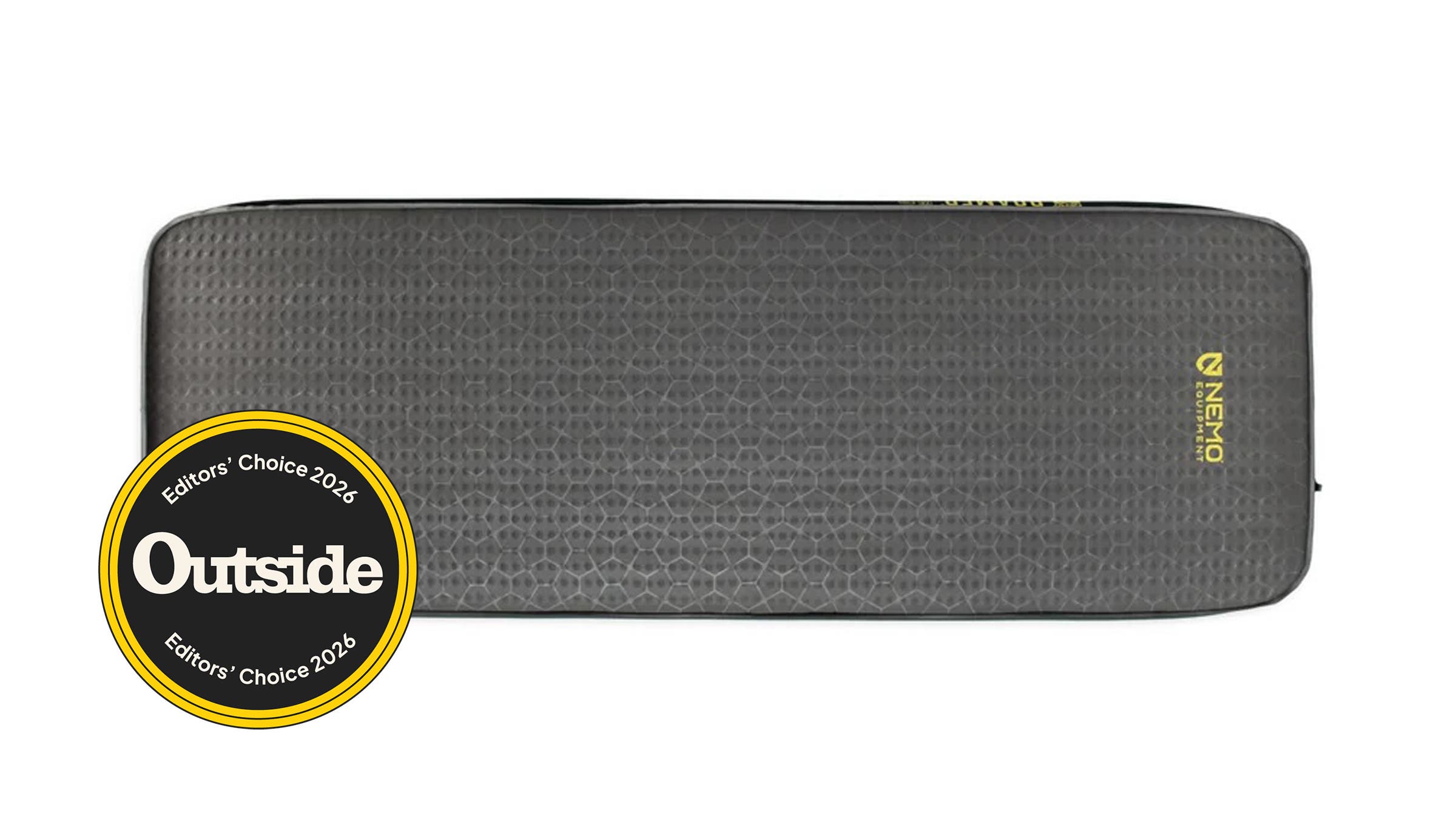
For those seeking an outdoor sleeping experience that closely mimics the comfort of their bed at home, the Nemo Roamer is an investment worth considering. This pad, a long-standing favorite that received a significant update for 2026, has earned an Editor’s Choice award for its unparalleled comfort. As one tester from Colorado aptly described it, the Roamer is "the closest thing to my bed at home that I’ve ever camped on."
The Roamer’s four-inch thickness, combined with its inflatable open-cell construction, provides a luxurious feel. The updated insulation now boasts an R-value of 7, ensuring warmth even when temperatures drop below 30 degrees Fahrenheit. The new PU stretch polyester fabric is not only soft to the touch but also more durable, reducing the risk of punctures from accidental contact with rocks or sharp objects.
The Nemo Roamer also excels in user convenience. Unlike the Kelty Kush, it features a self-inflating valve and a dump valve, streamlining both setup and breakdown. For a firmer sleeping surface, users can opt to top it off with their own breath or by using the included pump. The only notable drawback identified by testers was the difficulty in repacking the sleeping pad into its original stuff sack, often requiring a considerable effort akin to a wrestling match. This minor challenge, however, does little to detract from the pad’s overall exceptional performance and comfort.
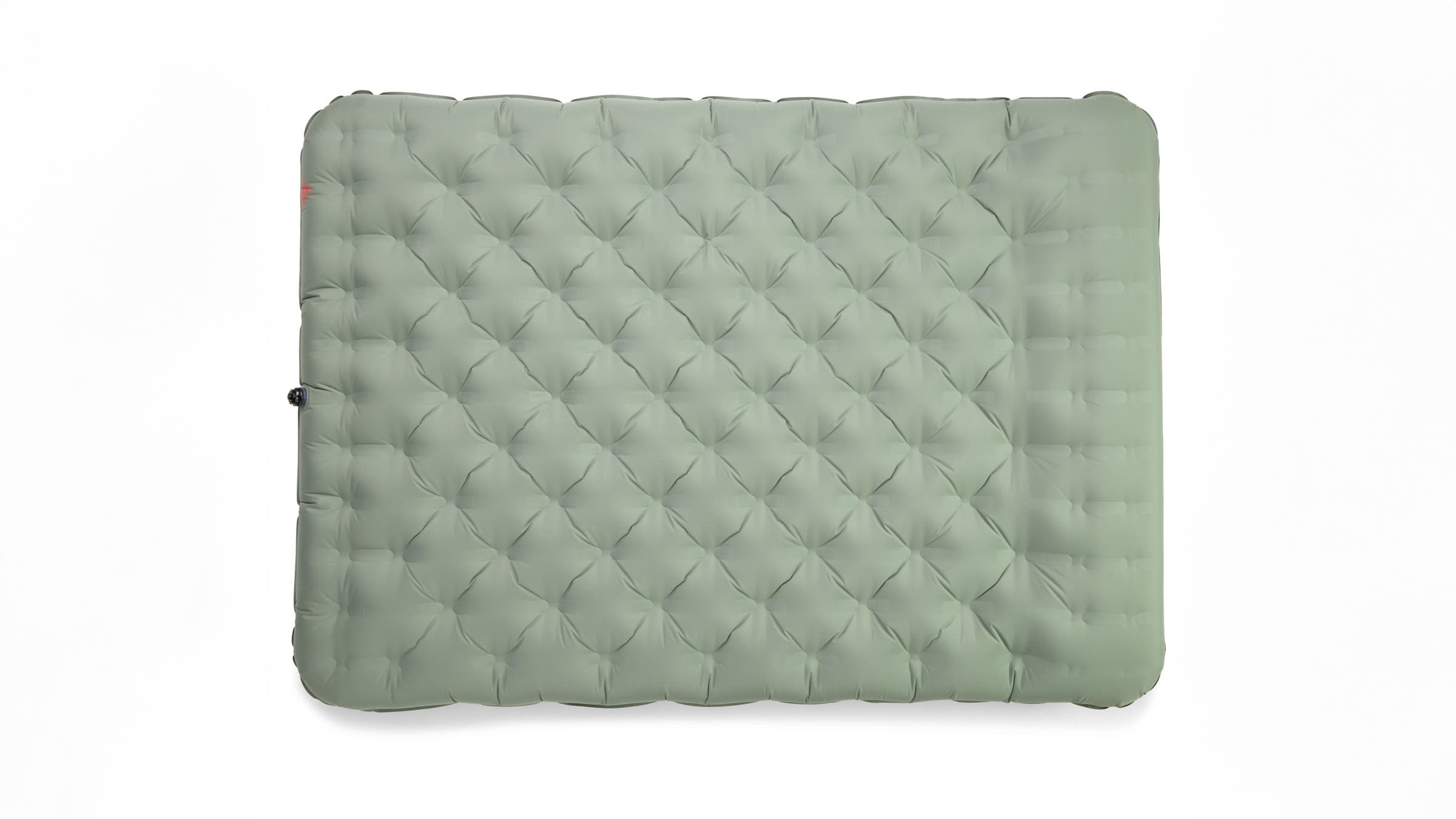
Best Splurge Sleeping Pad: Zempire Monstabed Twin ($400)
Key Specifications:
- Thickness: 16.5 inches
- Dimensions: 77" x 53"
- R-value: 10.5
Pros:
- Offers exceptional warmth and a plush, comfortable top layer.
- Its significant height is beneficial for individuals with back pain or injuries.
Cons:
- Considerably heavy and bulky when packed.
- The "twin" size is narrower than a standard full-size bed, potentially feeling cramped for two people.
The Zempire Monstabed Twin redefines luxury camping, offering an elevated sleeping experience at a premium price point. For $400, campers can enjoy a sleeping surface that is an astonishing 16.5 inches off the ground, a height that can be particularly beneficial for individuals experiencing back pain or other physical limitations. This substantial elevation provides a sense of sleeping on a true bed rather than a ground mat.
Testers were particularly impressed with the Monstabed Twin’s incredibly plush topper, which delivers an extreme level of coziness. Its impressive R-value of 10.5 signifies exceptional thermal insulation, making it suitable for the coldest camping conditions. The secret to this warmth lies in its construction: an open-cell foam topper rests atop an inflatable platform. Inflation is facilitated by the separately sold Zempire Monstapump ($50) or any similar electric pump, making setup remarkably easy. When packed, the Monstabed Twin assumes the dimensions of a large carry-on suitcase. While this is significantly more voluminous than most other sleep systems, it is a negligible concern for car camping scenarios where weight and packed size are less critical.
Despite its "twin" designation, this model measures an inch less than a standard full-size bed and is designed to accommodate two campers. However, at 53 inches wide, it may not fit comfortably in all standard tents. It is optimally suited for larger, specialized tents, such as the Zempire Pro TM V2, where it fits perfectly. Zempire also offers smaller Single and larger Queen sizes in this line.
Minor drawbacks were noted, primarily concerning the 150-denier ripstop polyester base fabric, which is not as robust as some competing materials and is not recommended for abrasive contact with rocks. Nevertheless, for campers prioritizing unparalleled comfort and a sleeping experience that rivals their home mattress, the Zempire Monstabed Twin offers an unparalleled, albeit expensive, solution.
Analyzing the Price-to-Performance Ratio
The significant price differential between the Kelty Kush Air Bed ($140), the Nemo Roamer ($260-$280), and the Zempire Monstabed Twin ($400) reflects a clear progression in materials, construction, and features.
The Kelty Kush Air Bed demonstrates that a functional and comfortable outdoor sleeping experience can be achieved at a more accessible price point. Its primary appeal lies in its inflatable design, which offers a significant comfort upgrade over basic foam pads, and its included pump, which enhances usability. The trade-offs are primarily in material feel and noise, which are understandable given its budget positioning.
The Nemo Roamer occupies a crucial mid-range segment, offering a substantial leap in comfort and insulation for a moderate increase in price. The use of softer, more durable fabrics, a higher R-value, and user-friendly valves contribute to its "home-away-from-home" reputation. The higher price is justified by the enhanced sleeping quality and improved materials.
The Zempire Monstabed Twin represents the pinnacle of camping comfort, pushing the boundaries of what is considered a "sleeping pad." Its extraordinary thickness, plush topper, and high R-value transform it into a true mattress alternative. The cost reflects the premium materials, advanced construction, and the sheer volume of comfort it provides. The implications here are clear: for those who prioritize sleep above all else and have the budget, the investment in a high-end option like the Monstabed Twin can dramatically enhance the overall camping experience, particularly for longer trips or for individuals with specific comfort needs.
Broader Implications for Outdoor Recreation
The availability of such a diverse range of sleeping systems has significant implications for the broader outdoor recreation industry. It democratizes comfort, allowing individuals with varying budgets and needs to participate in and enjoy camping and backpacking. For some, the accessibility of affordable yet functional sleeping pads means they can embark on their first outdoor adventures without a prohibitive upfront cost. For others, the availability of high-end, luxury options caters to those who view outdoor excursions as an extension of their lifestyle, where comfort and quality are paramount.
Furthermore, the continuous innovation in sleeping pad technology, driven by competition across all price points, benefits all consumers. Advances in material science, insulation, and design trickle down, leading to lighter, more durable, and more comfortable products across the board. This technological evolution not only enhances individual experiences but also contributes to the growing popularity and accessibility of outdoor activities. As more people find it comfortable and feasible to sleep well in the outdoors, the overall engagement with nature and conservation efforts is likely to increase. The sleeping pad, often an overlooked piece of gear, plays a vital role in this ecosystem of outdoor enjoyment.