










Sony Bravia Theater Trio (HT-A8) review
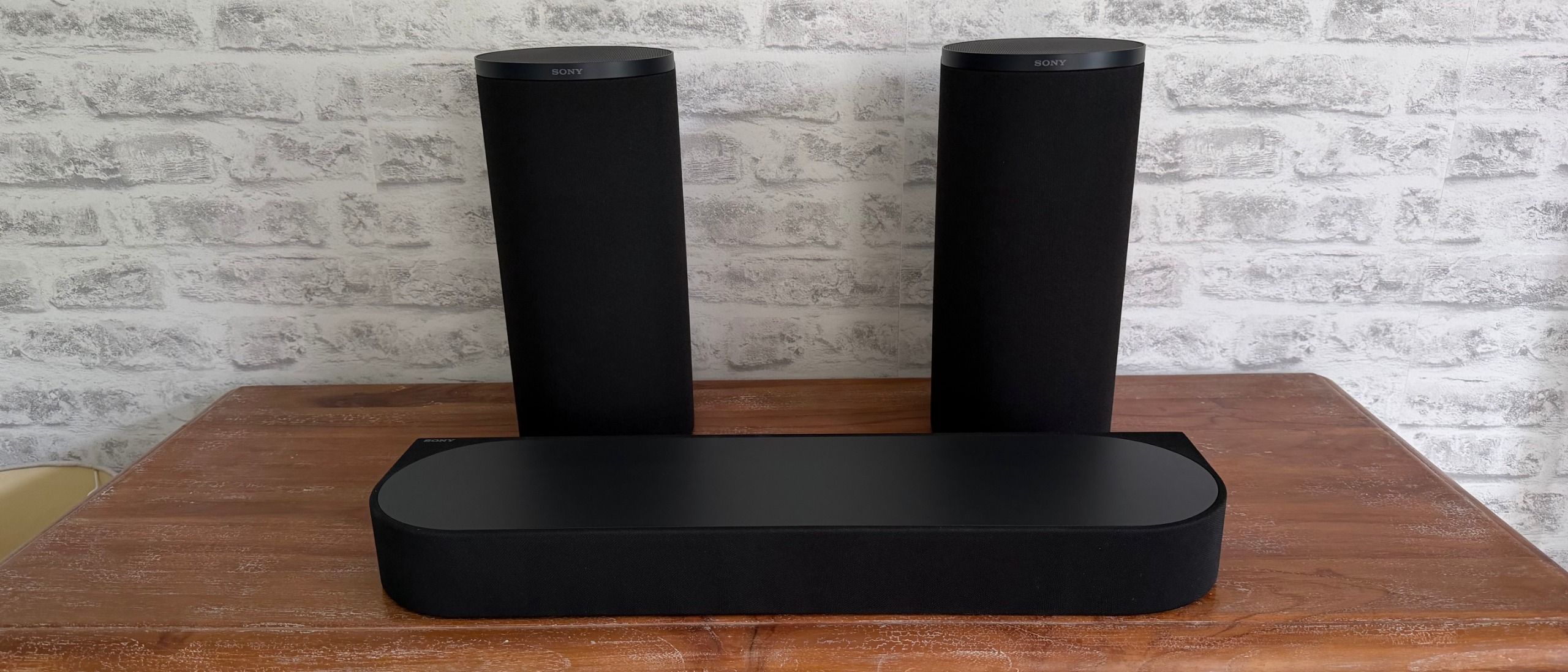
The consumer electronics market has long faced a unique design and acoustic dilemma: as television displays expand beyond 75 and 85 inches, traditional single-unit soundbars frequently fail to generate a soundstage wide enough to match the visual scale of these massive screens. Traditional standalone soundbars, even those positioned at the high end of the market, struggle to project physical width that corresponds accurately to the cinematic expanse of ultra-large displays. To solve this engineering challenge, Sony’s audio division developed a distinct three-piece modular approach rather than relying on a continuously elongated single chassis. The result of this development cycle is the Sony Bravia Theater Trio (HT-A8), an unorthodox home audio package that defies easy categorization. Priced at $1,999 / £1,999 / AU$2,999, the system consists of a dedicated center channel alongside independent left and right front speakers.
Origins and Development Context
The genesis of the Bravia Theater Trio stems from internal frustrations within Sony’s audio engineering department regarding the physical limitations of conventional soundbars. Engineers determined that stretching a single cabinet to accommodate massive screens inevitably compromises stereo separation and acoustic imaging. Instead, dividing the front soundstage into three distinct physical units allows users to position the wireless left and right channels as far apart as a given room permits, thereby matching the scale of large-screen panels.
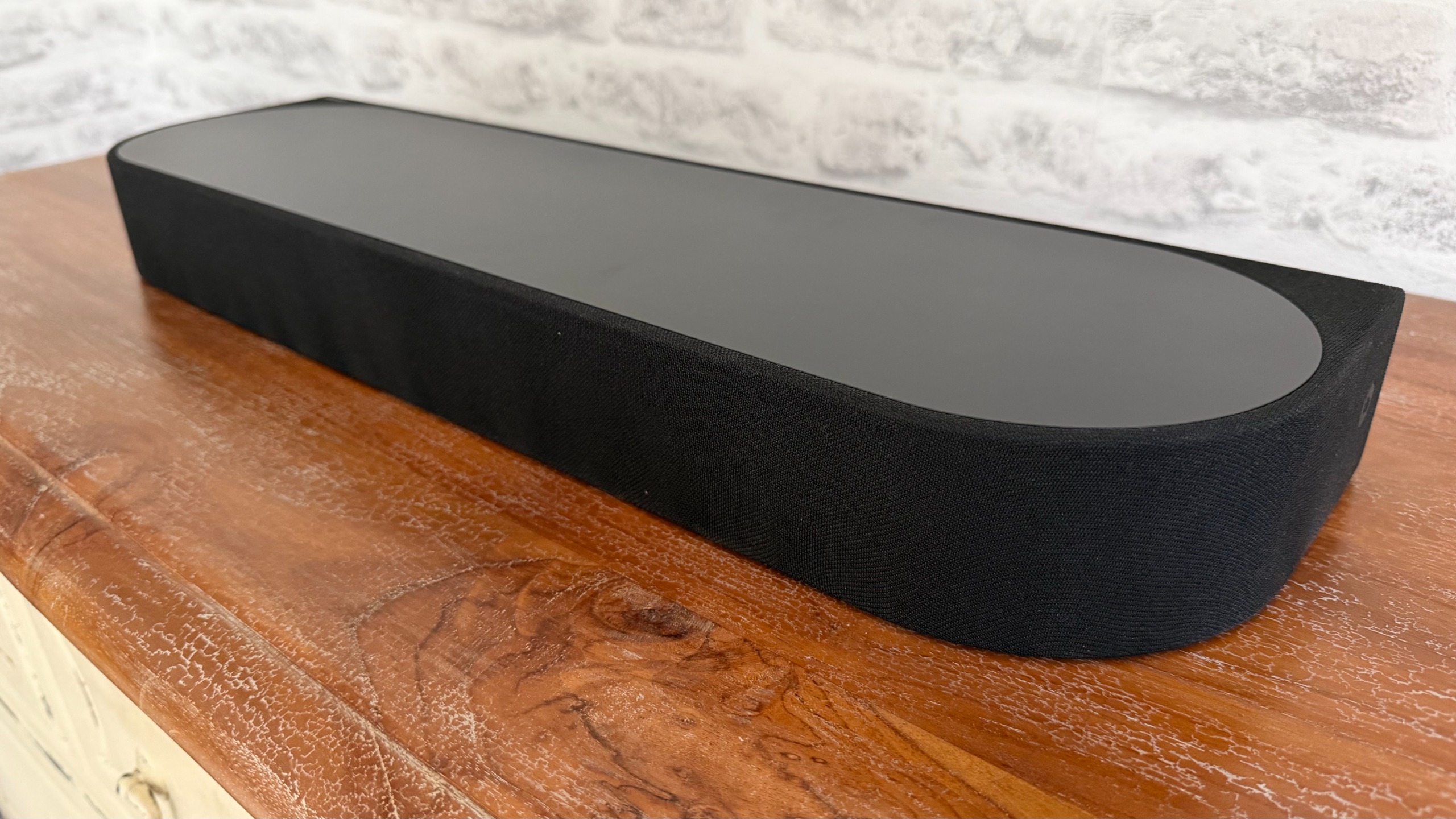
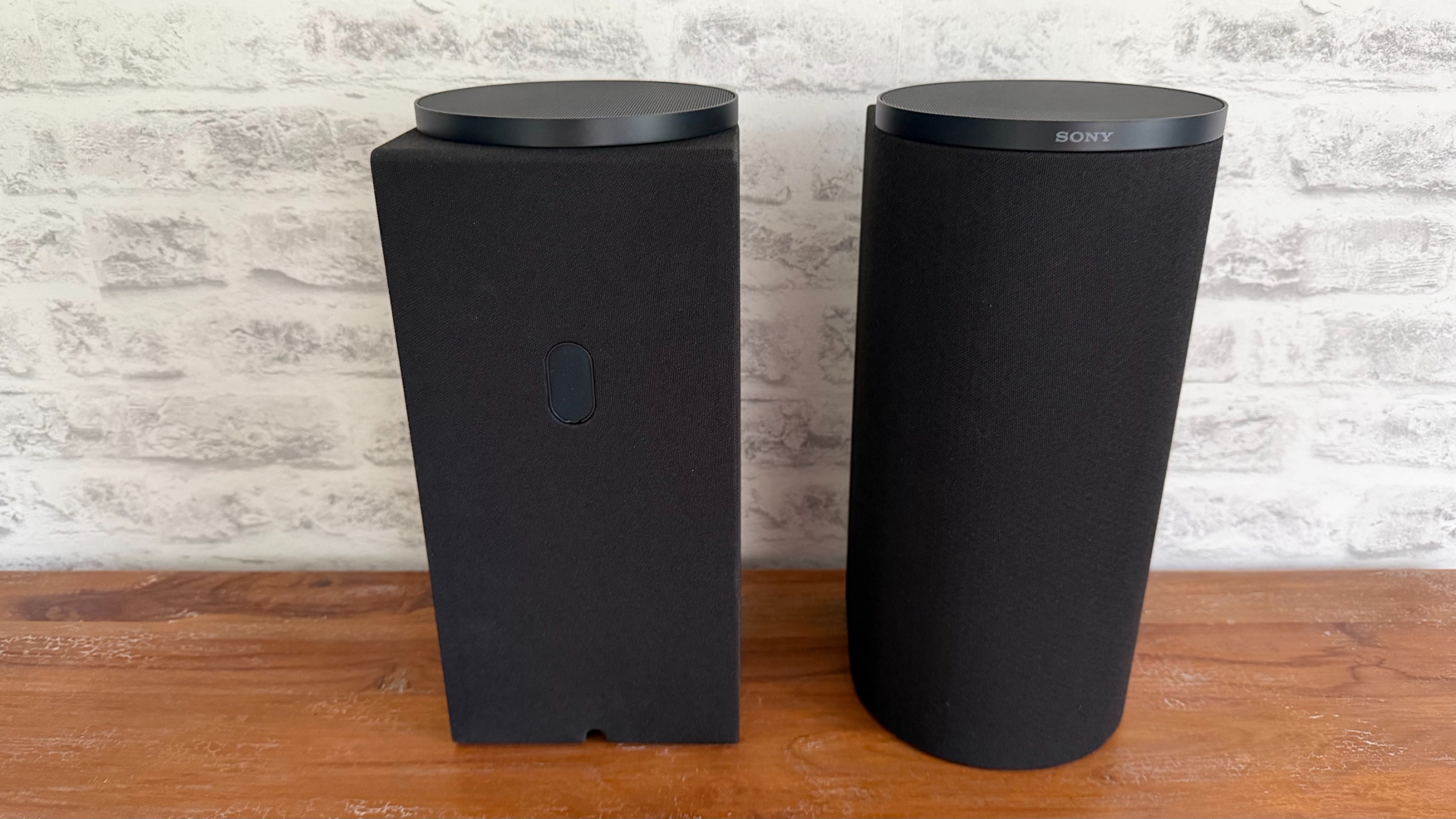
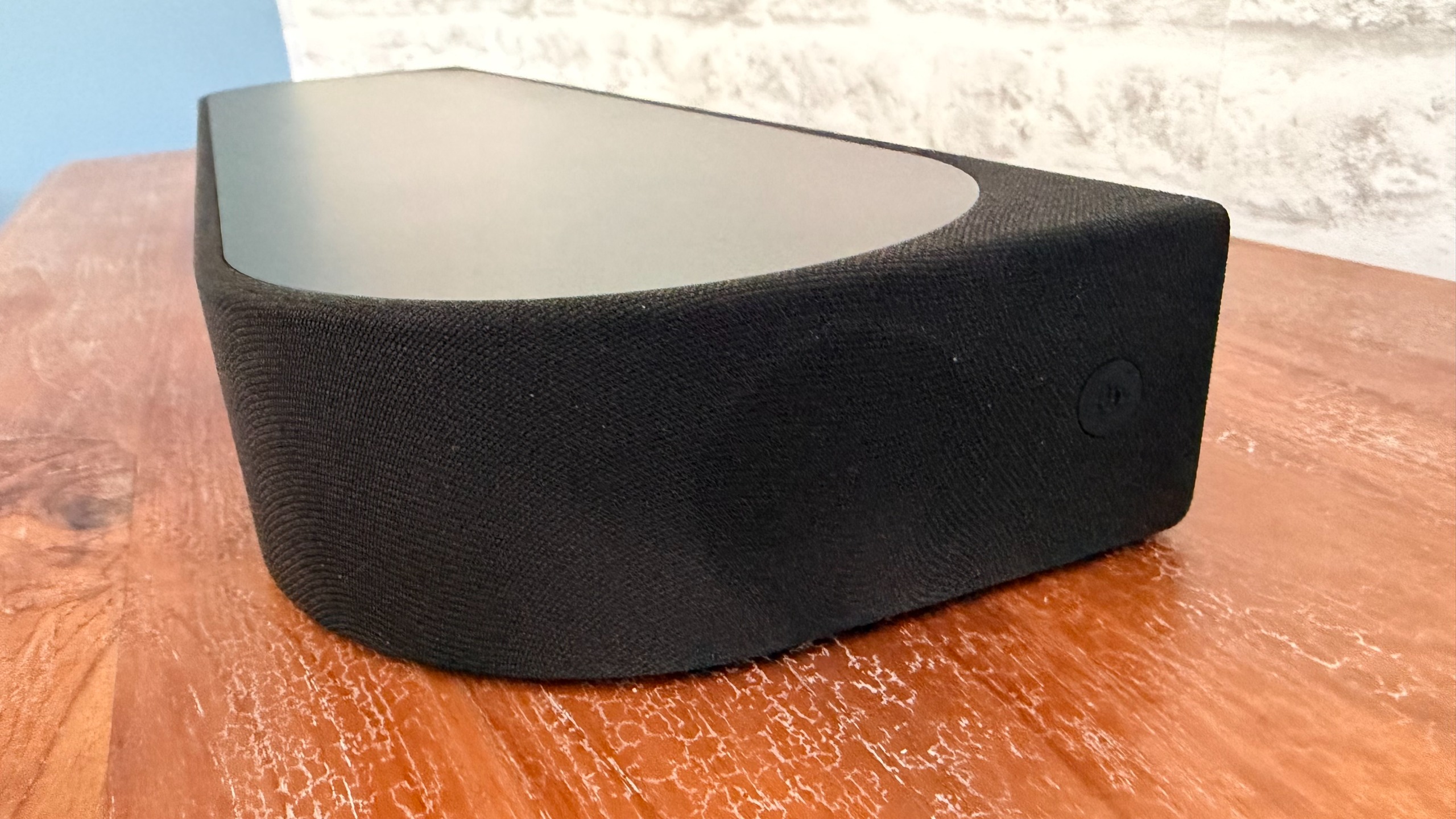
Despite utilizing larger and heavier components than standard satellite speakers bundled with conventional soundbar setups, the overall package maintains a surprisingly compact footprint. The primary center speaker measures 23.19 x 2.52 x 6.5 inches (589 x 64 x 165mm), allowing it to sit neatly beneath most modern television displays without obstructing infrared receivers or protruding excessively into living spaces. Meanwhile, the left and right speakers feature a hybrid cylindrical design incorporating a flattened rear edge, which facilitates straightforward wall mounting alongside traditional sideboard placement.
Acoustic Architecture and 360 Spatial Sound Mapping
Out of the box, the physical configuration of the Bravia Theater Trio operates as a 3.0.2 channel system, providing dedicated left, right, center, and up-firing drivers for height effects. However, Sony’s proprietary 360 Spatial Sound Mapping technology expands the acoustic capabilities far beyond these physical boundaries. Utilizing advanced psychoacoustic processing, the system can generate up to 24 virtual phantom speakers, creating a hemispheric audio environment that envelops the listener.
To tailor this processing to individual living spaces, Sony supplies a high-precision microphone dongle that connects directly to a smartphone running the Bravia Connect application. During the calibration procedure, the software measures room dimensions, boundary reflections, and speaker distances, adjusting the timing and dispersion of both physical and virtual channels. This calibration system enables the Trio to deliver a balanced, symmetrical soundstage even in acoustically challenging or awkwardly shaped rooms. For users seeking an even more enveloping presentation, the system is fully compatible with Sony’s optional Rear 9 wireless surround sound speakers, though adding these auxiliary channels increases the total investment significantly.
Audio Performance and Fidelity
In terms of raw acoustic output, the Bravia Theater Trio delivers a level of scale, detail, and dynamic impact that surpasses its official 405-watt power specification. Movie soundtracks benefit from immense spatial projection, making action sequences feel vast and cinematic while retaining the ability to contract the soundstage for intimate, dialogue-driven scenes. High-frequency treble reproduction remains clean and uncompressed, avoiding the harshness or brittleness often associated with compact soundbars. Similarly, the left and right speakers handle low-frequency extension with impressive agility, delivering impactful bass transients without muddying the midrange or overwhelming delicate acoustic details.
Music playback receives equal attention. Operating in native stereo mode, the Trio exhibits precise vocal localization and wide stereo separation, preserving the characteristics of a high-fidelity separates system. For compressed audio sources, Sony’s DSEE Ultimate AI upscaling system restores lost detail, while support for Hi-Res Audio, Spotify Connect, and Apple AirPlay 2 ensures comprehensive streaming versatility. When playing Dolby Atmos music, the system introduces a three-dimensional vertical dimension without sounding overly processed, though listeners can also engage the 360 Spatial Sound Mapping upmixing mode to transform standard stereo tracks into immersive spatial experiences.
Connectivity, Integration, and Hardware Limitations
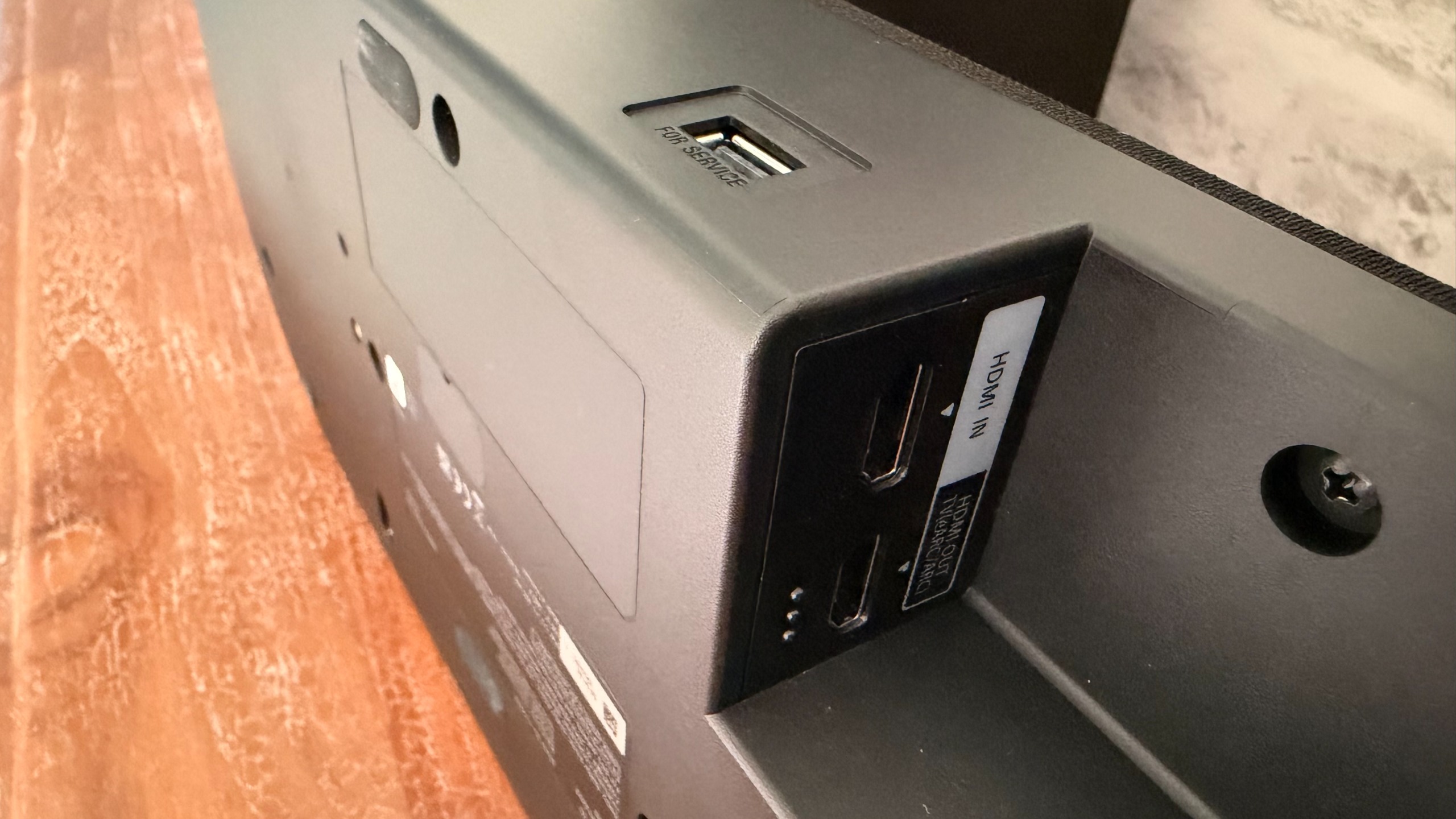
Connectivity options on the Bravia Theater Trio are centered around an HDMI loop-through system that supports 4K video feeds at 120Hz, catering directly to modern gaming consoles such as the PlayStation 5. The HDMI output supports eARC (Enhanced Audio Return Channel) for transmitting audio directly from the television, alongside compatibility with HDR10, HLG, and Dolby Vision high dynamic range formats. However, the omission of HDR10+ support and the presence of only a single HDMI input may disappoint users with multiple hard-wired source components, such as 4K Blu-ray players and streaming boxes, who might require an external HDMI switcher. Additional physical ports are sparse, limited primarily to a USB slot reserved strictly for software updates. Wireless connectivity is robust, encompassing Wi-Fi and Bluetooth 6.0 support.
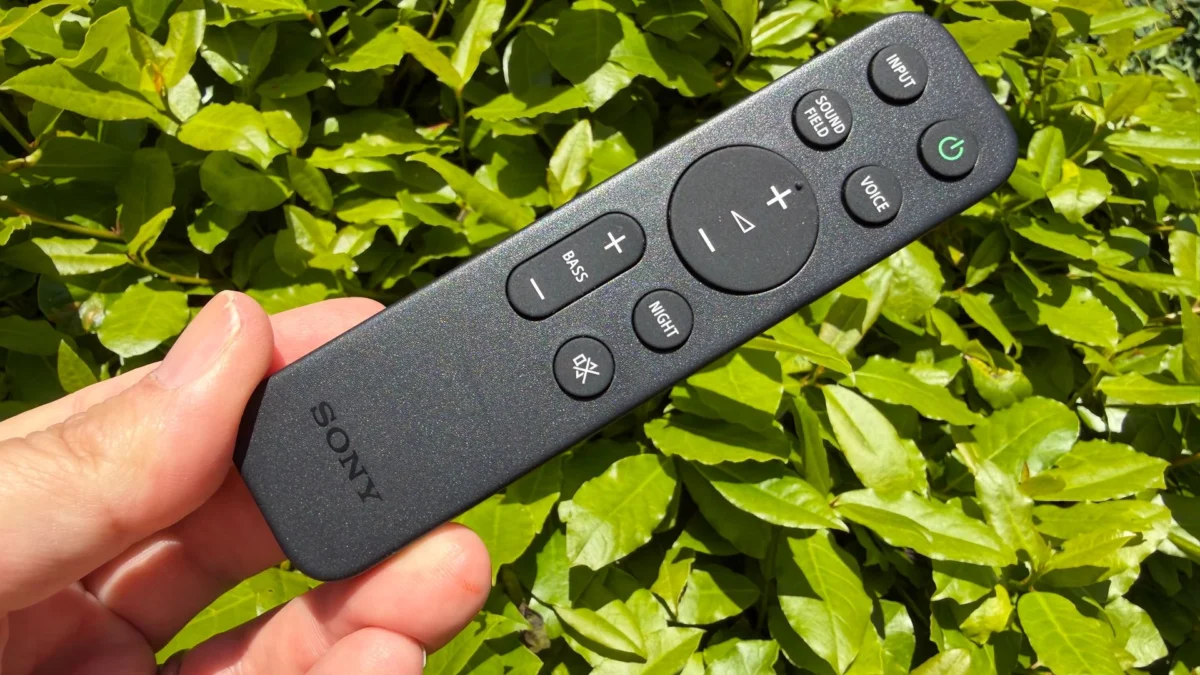
Because the main unit lacks a built-in LED display, system configuration and status monitoring rely heavily on either the companion Bravia Connect mobile application or the minimalist physical remote control. The application provides an intuitive visual interface for managing inputs, adjusting sound modes, and verifying network connections.
Market Positioning and Comparative Analysis
Priced at $1,999 / £1,999 / AU$2,999, the Sony Bravia Theater Trio occupies a premium tier that places it above many conventional all-in-one soundbar packages. For comparison, complete integrated surround sound solutions such as the Samsung HW-Q990H offer multi-channel configurations including subwoofers and rear speakers for a lower cost. Furthermore, incorporating Sony’s optional Rear 9 surround speakers pushes the total expenditure past the $2,700 / £2,700 mark.
Nevertheless, the Trio justifies its pricing through audio refinement and acoustic flexibility that closely mirror traditional component separates. While it does not include a dedicated subwoofer in the base package—leaving users to consider optional external subwoofers like the Sub 8 or Sub 9 if deep cinematic rumble is a priority—its core performance offers a viable alternative for audiophiles and home theater enthusiasts who desire separates-grade sound quality without the complex wiring and installation requirements of a traditional AV receiver and passive speaker array.