








The integration of advanced artificial intelligence into consumer smart home ecosystems has reached a new threshold with the latest developer beta releases of Apple’s operating systems. However, as macOS 27 beta 3 and its corresponding mobile counterparts reach testers, a significant financial barrier has emerged for those looking to utilize the newly announced AI-driven enhancements for HomeKit-compatible security cameras. Apple has confirmed that the utilization of these intelligent features requires a premium iCloud+ subscription tier, specifically the 2TB plan, which currently retails for $9.99 per month.
This development arrives on the heels of Apple’s Worldwide Developers Conference (WWDC), where the company touted a suite of AI-powered upgrades designed to transform the Home app from a simple control interface into an intuitive, proactive security assistant. By gating these features behind a high-tier storage subscription, Apple has reignited a debate regarding the accessibility of advanced privacy-focused smart home technology and the shifting landscape of subscription-based hardware utilities.
Chronology of the Home App Evolution
The trajectory of Apple’s smart home strategy has been marked by a transition from basic remote control to sophisticated, privacy-centric automation. Since the inception of HomeKit, the platform has distinguished itself by emphasizing local processing and end-to-end encryption.
In June 2026, during the annual WWDC keynote, Apple unveiled the next generation of its smart home vision. The highlights included the transition of HomeKit Secure Video from its long-standing 1080p resolution standard to 4K, significantly enhancing the clarity of captured footage. Alongside this hardware-level boost, Apple introduced three core intelligent capabilities: generated video summaries, natural language search, and automated highlight reels of noteworthy events.
The recent discovery in the macOS 27 beta 3 release notes clarifies that these features—which rely on Apple Intelligence to analyze video feeds—are not merely software updates but services tethered to the iCloud+ ecosystem. While developers have been testing these features in early builds, the formal requirement for the 2TB tier has caused a shift in the perceived value proposition for long-term users of the platform.
The Mechanism of Intelligent Home Notifications
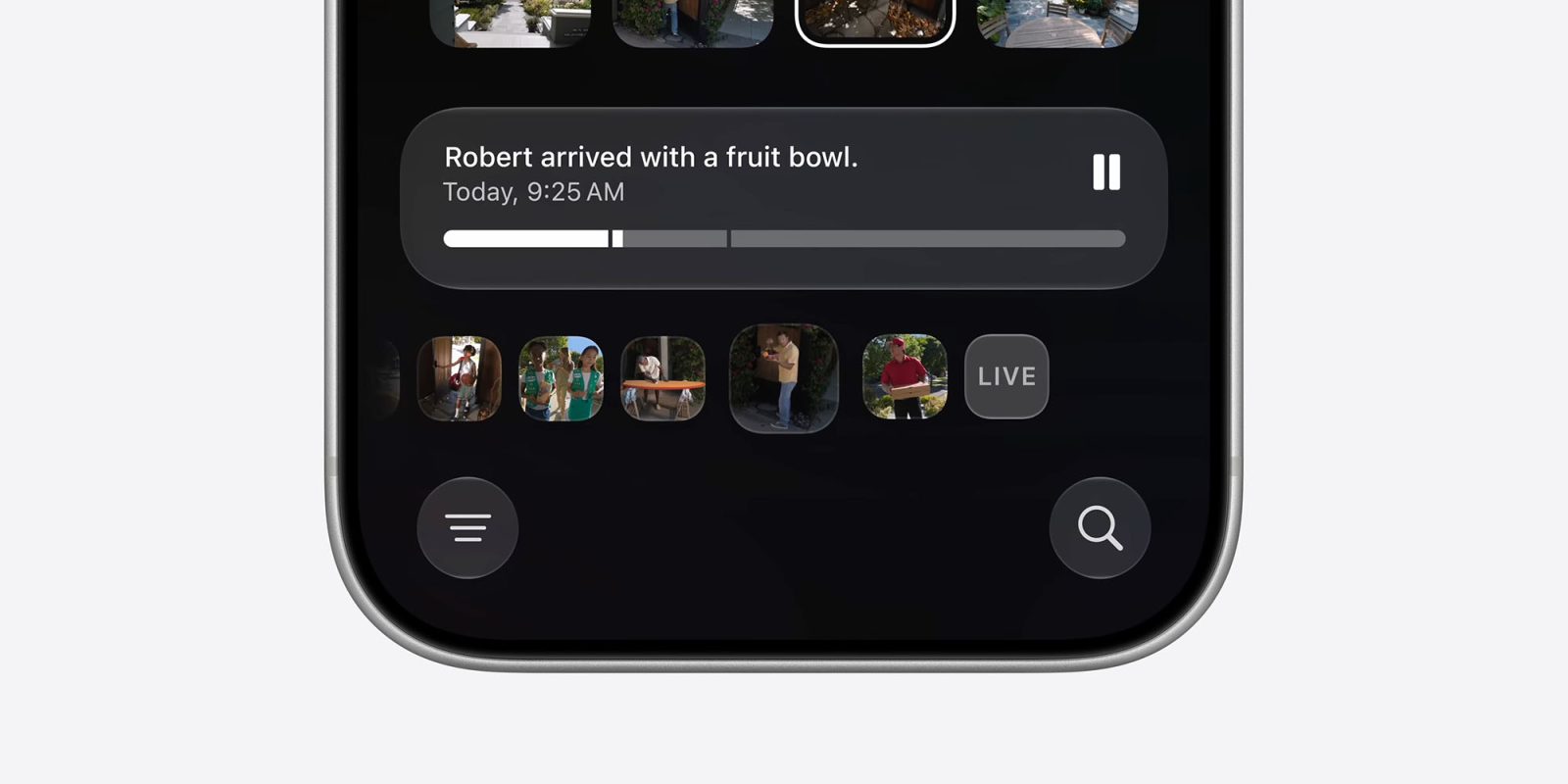
The core value proposition of the new AI features lies in the mitigation of "notification fatigue." Under the current framework, a standard smart home security setup can be overwhelming. A routine event, such as a family member returning from work, might trigger a barrage of individual pings: driveway motion detected, garage door opening, camera triggered, door unlocked, and door locked.
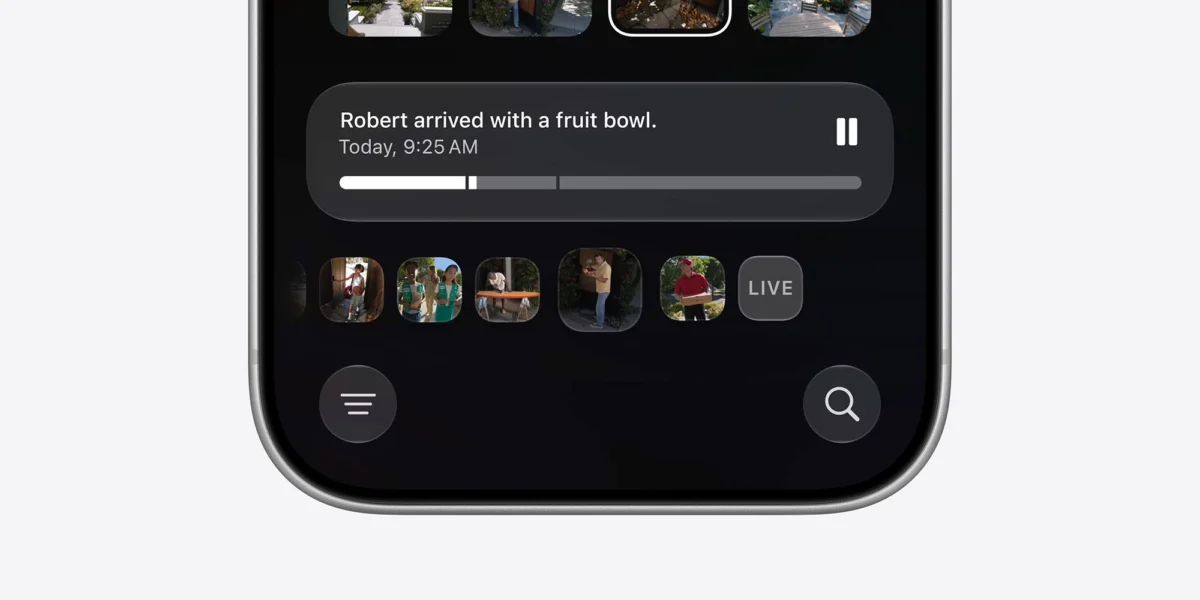
Apple Intelligence aims to synthesize these disparate data points into a single, cohesive narrative. By leveraging on-device and cloud-based intelligence, the Home app can now consolidate these events into a summary notification: "Robert arrived home with a fruit bowl." This level of contextual awareness requires the system to process video frames, identify objects and individuals, and construct a logical sequence of events.
Beyond notifications, the upgrade extends to the retrieval of historical data. Users can now perform natural language searches—such as "show me when the package was delivered"—which allows the AI to parse through terabytes of video data to identify the specific clip. Furthermore, the Home app will now automatically elevate "noteworthy" clips to the top of the search interface, ensuring that critical events are reviewed by the user without the need for manual scrubbing of footage.
Supporting Data and Subscription Tiers
To understand the implications of this change, one must examine the current structure of Apple’s iCloud+ offerings. Historically, Apple has tied video storage to subscription tiers to cover the costs of cloud infrastructure and, more recently, the computational requirements of high-end processing.
- Free/Basic Tier: Limited HomeKit integration; no cloud storage for video.
- 50GB Tier ($0.99/mo): Often insufficient for consistent high-definition video storage.
- 200GB Tier ($2.99/mo): Required for one camera with 10 days of storage.
- 2TB Tier ($9.99/mo): Required for up to five cameras with 10 days of storage.
The new mandate requiring a 2TB subscription for AI features effectively creates a "prosumer" wall. Users with a single camera or a basic two-camera setup who previously found the 200GB plan sufficient must now upgrade to the 2TB tier—a 233% price increase—to access the new AI capabilities. Industry analysts suggest that this strategy aligns with Apple’s broader move to consolidate revenue streams through Services, while simultaneously offsetting the significant electricity and server-side processing costs associated with running large-scale AI models on user video feeds.
Comparative Industry Analysis
The smart home security market is heavily dominated by subscription models. Competitors such as Google (Nest), Amazon (Ring/Blink), and Arlo have long utilized tiered subscription models to access advanced features like person detection, package detection, and extended cloud storage.

However, Apple’s market position has traditionally been that of a privacy-first, local-processing alternative. By mandating a high-tier subscription for "Apple Intelligence" features, the company is aligning its smart home pricing model closer to the industry standard. While critics argue this undermines the "privacy-by-design" narrative that has historically been the cornerstone of HomeKit Secure Video, supporters argue that the massive computational power required to analyze 4K video feeds in real-time necessitates a sustained revenue model to remain viable for the company.
Broader Impact and Market Implications
The requirement of a 2TB iCloud+ subscription for AI features carries several long-term implications for the smart home ecosystem:
- Barrier to Entry for Advanced Features: The high cost of entry may stifle the adoption of AI-enhanced security for average households. While enthusiasts and those with large camera arrays are likely already on the 2TB tier, the "average" user is effectively priced out of the upgrade.
- Hardware Value Erosion: If the software intelligence becomes the primary value driver for a security camera, users may feel that their hardware purchase is incomplete without the ongoing subscription. This mirrors the trend in the automotive industry, where "feature-on-demand" subscriptions have seen significant consumer pushback.
- Data Processing Transparency: There is an ongoing dialogue regarding how much of this AI analysis happens on-device versus in the cloud. Apple’s emphasis on privacy suggests that much of this processing remains within the "Private Cloud Compute" architecture, which adds a layer of security but also increases the technical overhead that justifies the subscription cost in the eyes of the company.
Future Outlook and Consumer Response
As the beta period for macOS 27 and iOS 27 continues, the developer community and early adopters remain divided. The convenience of consolidated notifications and intelligent search is undeniable, particularly for users with complex home setups. However, the requirement of a $9.99 monthly fee is being viewed by some as an "AI tax."
Historically, Apple has adjusted its service requirements based on public feedback and market saturation. Whether the 2TB requirement remains a hard cap or is eventually tiered to include lower-cost plans remains to be seen. As of the current beta, however, the financial threshold for a "smarter" home has been set.
For consumers currently evaluating their smart home strategy, the decision now hinges on whether the convenience of AI-summarized footage and intelligent search justifies an additional $120 per year in recurring costs. As these features move toward a public release, the industry will be watching to see if this move by Apple sets a new standard for AI-integrated hardware, or if it risks alienating a segment of the market that prioritized the HomeKit ecosystem precisely for its lack of complex, high-cost subscription dependencies.