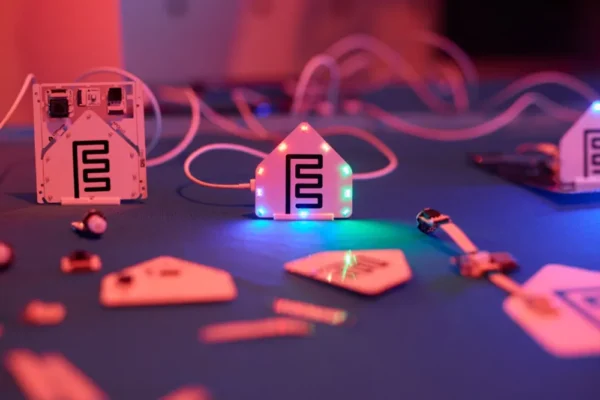










The Open Home Foundation has officially rolled out its latest major software update, Home Assistant 2026.8, marking a significant milestone in its ongoing mission to make local smart home automation more approachable for non-technical users. Spearheaded by Technical Program Manager Ashley alongside Bram Kragten while primary maintainer Frenck takes a scheduled hiatus, this release addresses long-standing configuration hurdles, refines core navigation labels, and modernizes device handling across the board. Alongside the core software update, the release cycle also previews the upcoming ESPHome Starter Kit launch event scheduled for August 12 in collaboration with Apollo Automation.
Evolution of Accessibility and the Removal of Port Trivia
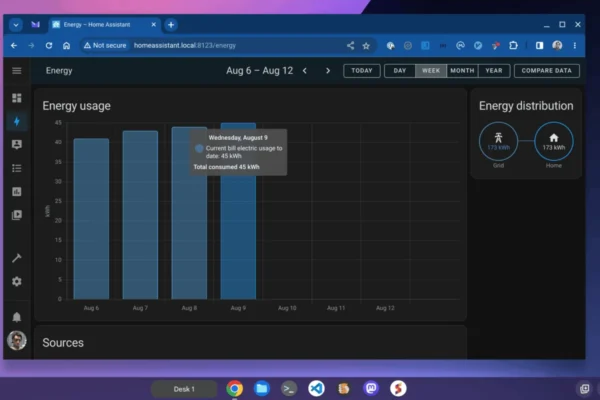
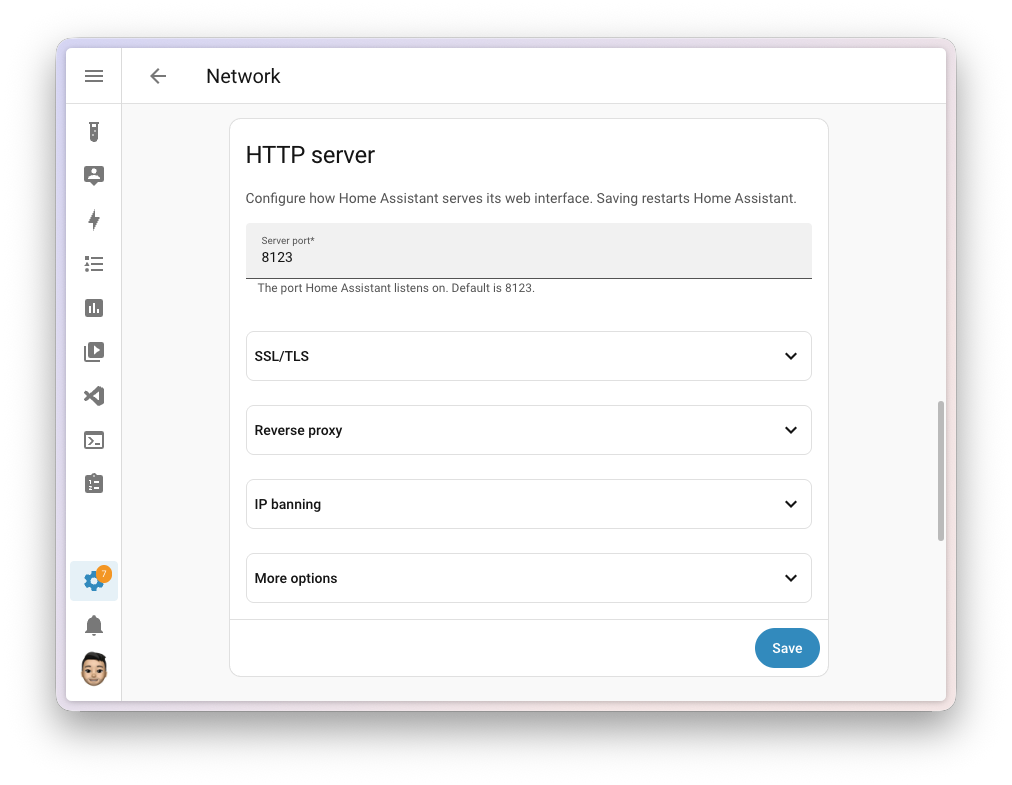
For years, one of the most prominent friction points for new adopters of Home Assistant has been the technical nuance of network addressing. Specifically, reaching a local instance required appending the numerical port identifier :8123 to the web address. With the deployment of Home Assistant 2026.8, new installations running on Home Assistant OS bypass this requirement by defaulting to standard web address formatting, eliminating a minor yet persistent piece of technical trivia that users historically had to memorize.
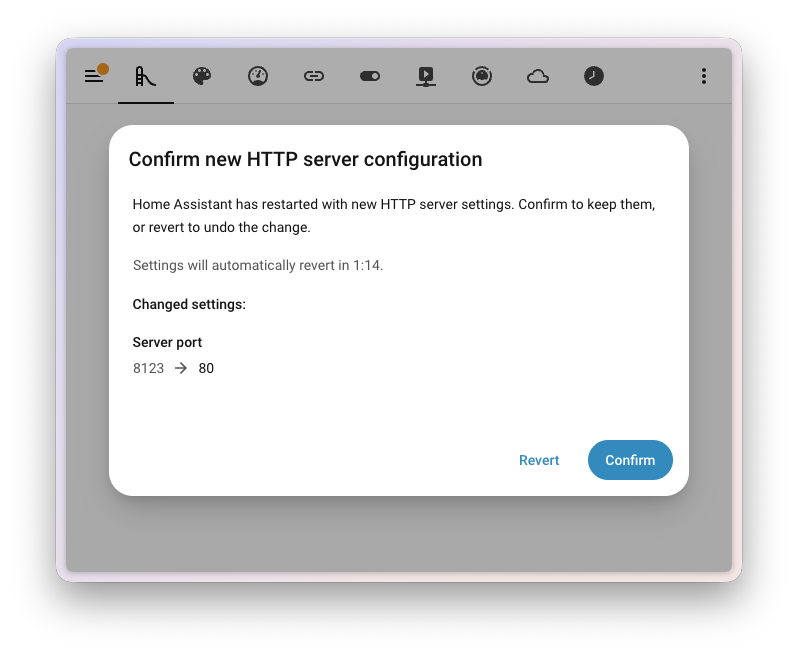
To ensure safety during network transitions, the development team introduced a robust failsafe mechanism for the newly implemented web server settings interface. When administrators adjust ports, listening networks, or trusted proxies, the software applies the new configurations temporarily while awaiting manual confirmation. If the administrator fails to verify the settings within a five-minute window, or if the new parameters cause a lockout event, Home Assistant automatically reverts to the previous working configuration and triggers a system restart. Existing installations remain entirely untouched, preserving their established ports and minimizing disruption for current setups. Furthermore, legacy YAML-based web server configurations are now automatically imported directly into the graphical user interface upon the first system reboot following the update.

Redefining Language and Terminology
A major philosophical pivot in version 2026.8 involves auditing the software’s lexicon to remove intimidating terminology. Historically, terms like "advanced," "expert," and "Developer Tools" permeated the interface and documentation. Behavioral telemetry and community feedback consistently indicated that these labels inadvertently discouraged casual users from exploring robust automation and diagnostic capabilities.
In this release, approximately 43 instances of exclusionary terminology have been systematically purged or reframed. Most notably, "Developer Tools" has been officially rebranded as "Tools." This nomenclature shift underscores the reality that the utility suite—used for inspecting states, evaluating templates, and manually reloading configuration integrations—serves the entire user base regardless of programming background.
Core Architectural Changes and Device Decoupling
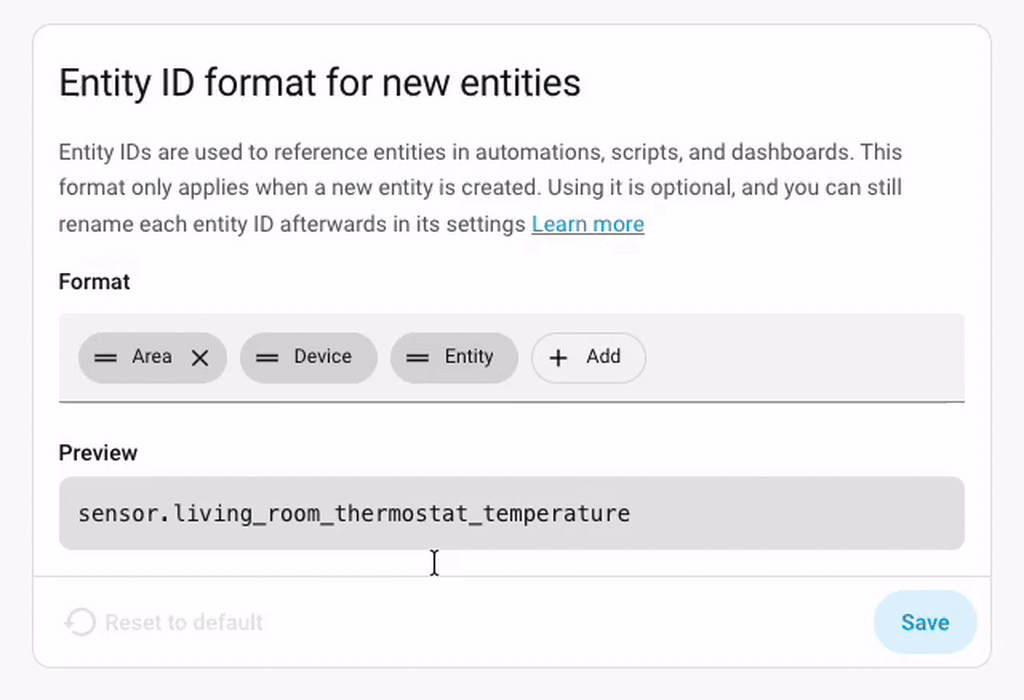
Under the hood, Home Assistant 2026.8 introduces profound structural changes to how physical hardware is represented. Previously, if a single physical device was provisioned through multiple separate integrations, the backend would aggressively merge them into a single device entity. This often led to conflicting device metadata, such as mismatched model numbers or competing serial identifiers.
Starting with this version, individual integrations maintain distinct device registry entries. Instances that were previously merged undergo automated separation upon updating, seamlessly mapping corresponding entities to their appropriate dedicated devices. While this modification lays vital groundwork for future flexibility in multi-integration hardware management, it requires minor adjustments for advanced users utilizing direct device ID references in custom scripts or automations. Concurrently, the Z-Wave subsystem receives a major upgrade via Z-Wave JS app version 1.6.0, introducing a comprehensive Access Control interface that streamlines credential management, multi-factor user types, and detailed audit trails directly within the Z-Wave JS UI environment.
Interface Enhancements and Cloud Integration Redesign
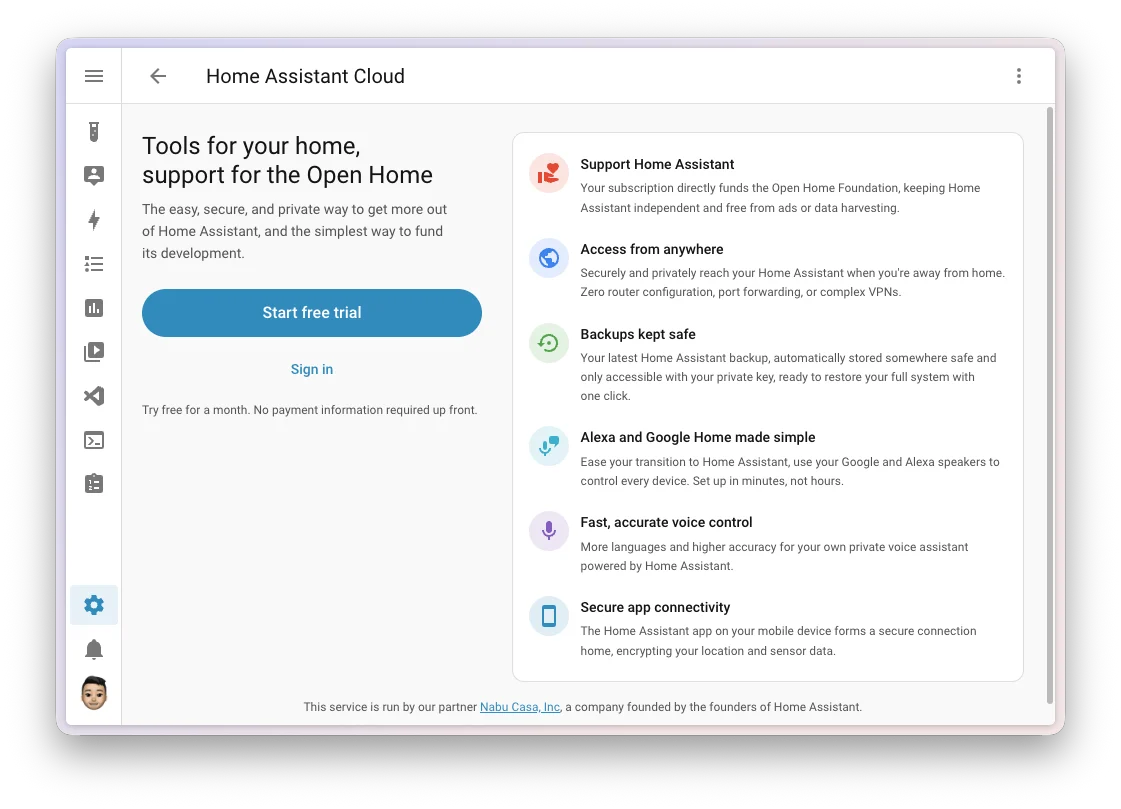
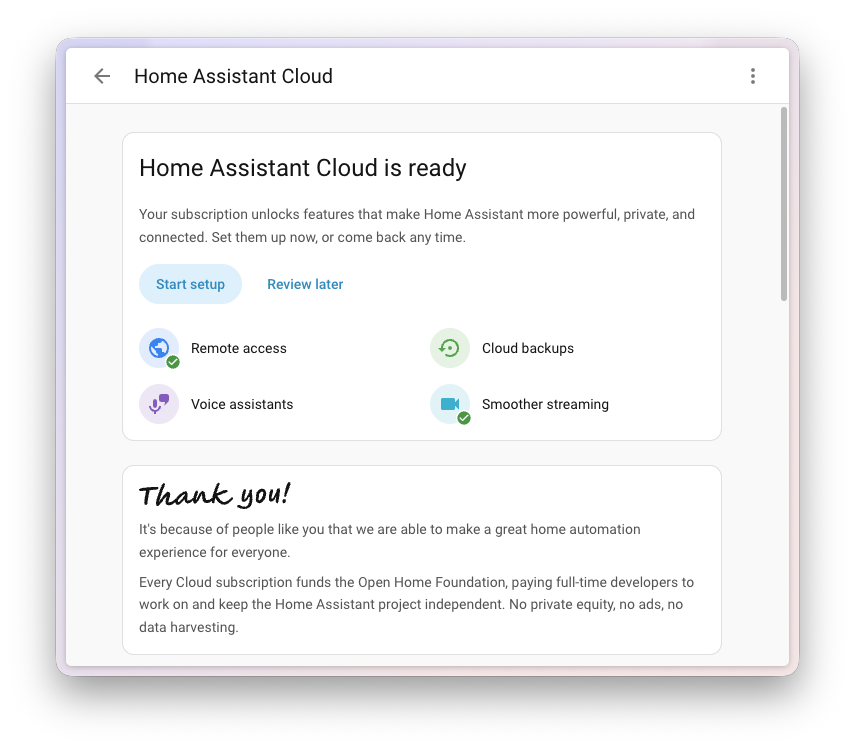
Navigation and personalization have also received considerable attention. The Nabu Casa-managed Home Assistant Cloud service page has undergone a complete visual and structural overhaul. Rather than presenting a dense single-page list of toggles, the interface now categorizes distinct features—such as remote access, encrypted backups, and voice assistants—into modular spaces with dedicated sub-pages and a streamlined guided initial setup wizard.
In the dashboard and automation management spheres, several workflow improvements stand out:
- Template Editor Redistribution: The template testing utility now features a resizable split-view layout, permitting flexible side-by-side or stacked arrangements for real-time code evaluation.
- Card Favorites: The card picker interface incorporates a bookmarking system, allowing frequently used dashboard cards to float permanently to the top of selection menus.
- Enhanced Media Search: Integrated media providers, such as Immich and Overseerr, now support native query searches directly within the media browser.
- Weighted Battery Aggregation: Energy dashboards can now factor individual battery capacities into combined state-of-the-art calculations, preventing smaller power banks from skewing aggregate metrics.
Backward-Incompatible Changes and Maintenance Roadmap
As with any major platform iteration, version 2026.8 deprecates several legacy components and introduces required breaking changes. Notably, the AirNow integration removes the station radius parameter to align with API updates, the Gardena Bluetooth integration standardizes activation reason values, and the Ohme energy sensor has been retired due to inconsistent API telemetry reporting. Additionally, UniFi Protect integration requirements have been elevated to firmware version 7.1 or newer, accompanied by the removal of legacy AI Port hardware support and per-event detection scoring attributes.
The Open Home Foundation has outlined a structured patch release schedule for August, targeting weekly Friday deployments (specifically patches 2026.8.1 on August 7, 2026.8.2 on August 14, and 2026.8.3 on August 21) dedicated strictly to bug fixes and stability improvements. Users experiencing migration anomalies are encouraged to consult the official issue tracker on GitHub or seek community support via the active Discord and forum channels.