








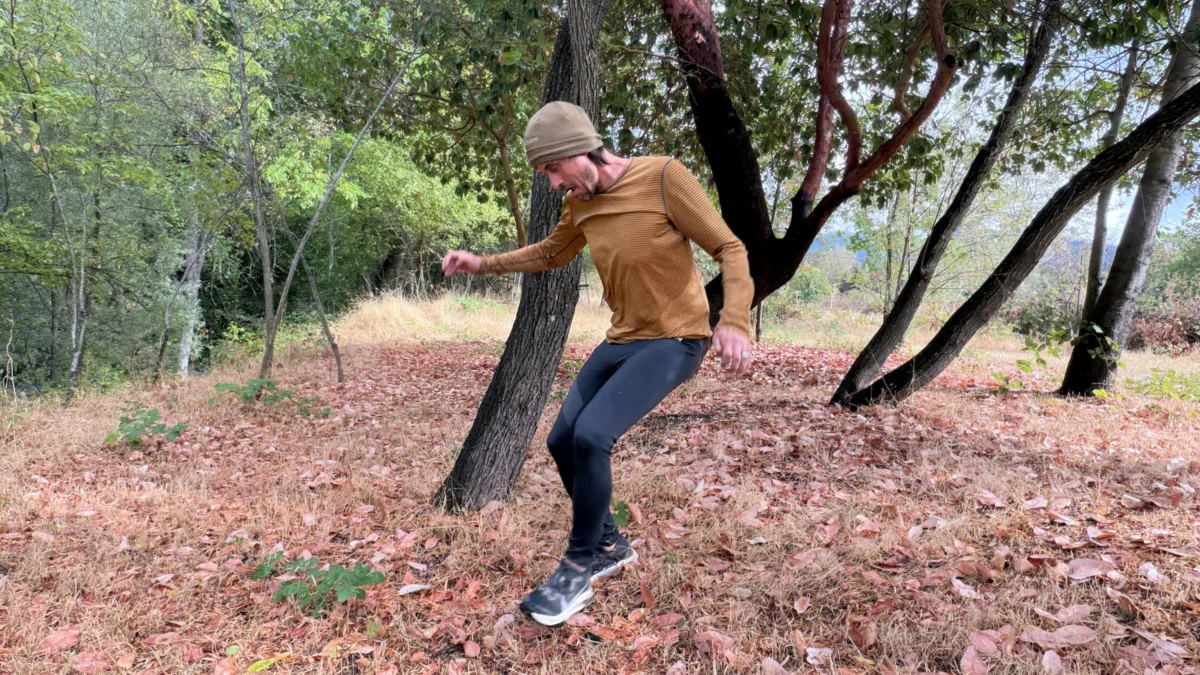
The base layer serves as the critical interface between the human body and the external environment, acting as the foundation of any effective cold-weather apparel system. Whether navigating the high-alpine backcountry or managing the fluctuations of resort-based skiing, the performance of this initial garment dictates the overall success of thermal regulation. Following an exhaustive evaluation period spanning several months, a team of expert testers has concluded that the Stellar Merino Base Top and Tights currently represent the pinnacle of moisture management and comfort for men’s winter gear. The study, which assessed 46 distinct tops and bottoms, was necessitated by increasingly inconsistent winter weather patterns across the western United States, which have forced outdoor enthusiasts to demand higher levels of versatility from their equipment.
Methodology and Testing Conditions
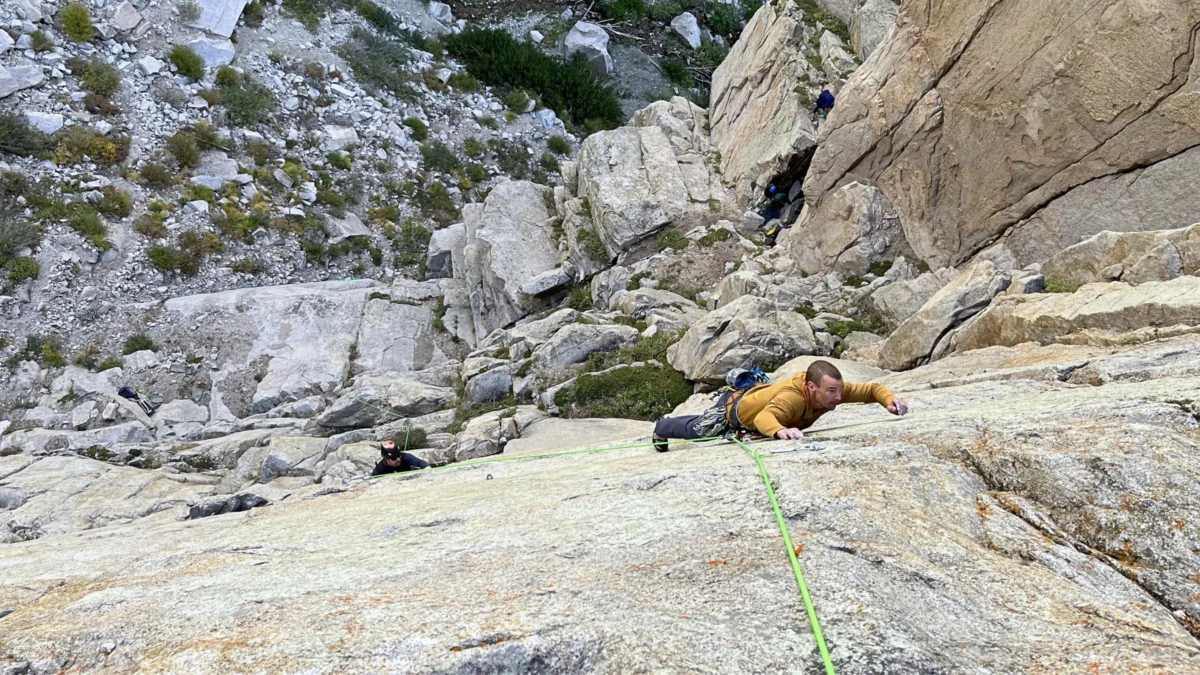
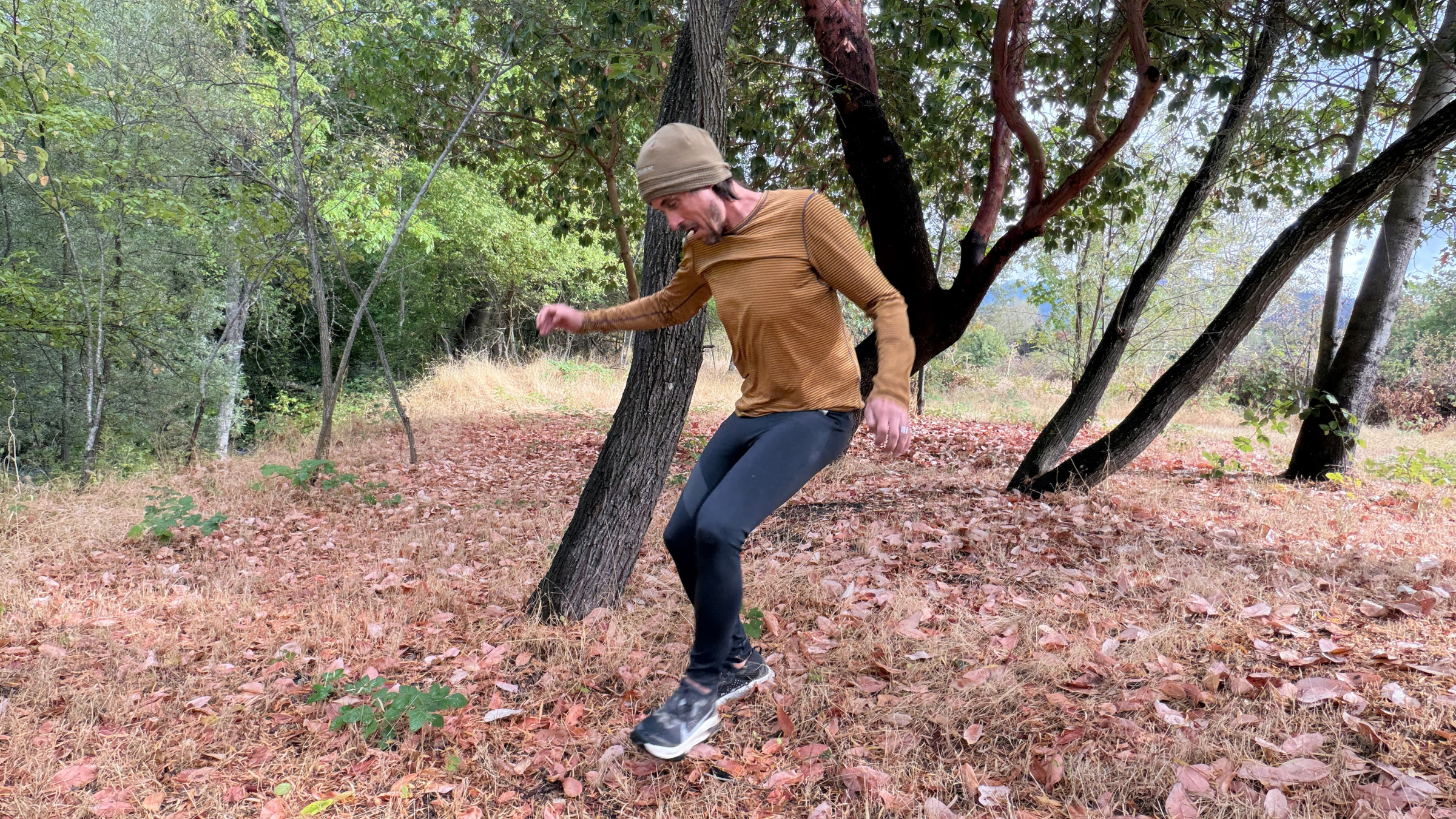
The assessment, conducted throughout the 2026 winter season, utilized a rigorous, multi-sport testing protocol. The testing period was marked by an unusually thin snowpack in the Pacific Northwest, which provided a unique opportunity to evaluate gear across a broader spectrum of temperatures and activities than a traditional ski-only season would allow. Over the course of the season, testers—including professional gear reviewers, endurance athletes, and outdoor educators—logged thousands of miles in diverse environments.
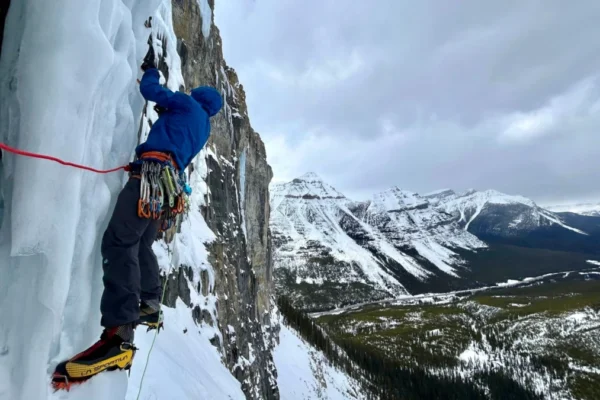
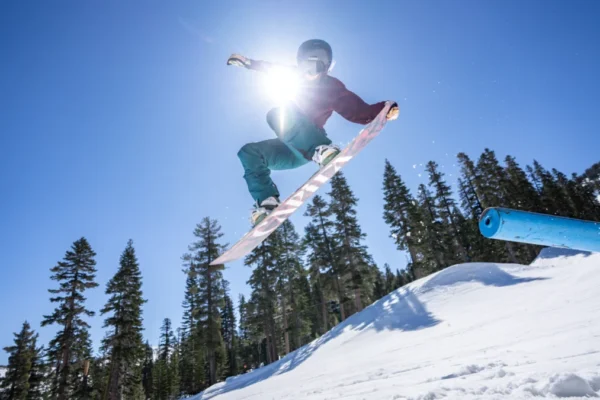
Testing parameters focused on five primary metrics: moisture transport (wicking), thermal regulation, odor mitigation, structural durability, and range of motion. Testers evaluated garments during high-output activities such as ski touring, mountain biking, and interval-based gym workouts, as well as during the static, low-heat conditions of riding chairlifts at resorts like Purgatory, Colorado, and Mount Bachelor, Oregon. This comprehensive approach allowed the team to move beyond laboratory metrics, capturing real-world data on how materials behave when subjected to repetitive, high-sweat cycles and subsequent rapid cooling.
The Evolution of Materials: Wool vs. Synthetics
The modern base layer market is bifurcated by two primary material philosophies: high-performance synthetic polyesters and natural, ethically sourced merino wool. Data gathered during the testing cycle highlights that while synthetics remain the gold standard for rapid moisture transfer, merino wool has significantly narrowed the gap in durability and odor control.
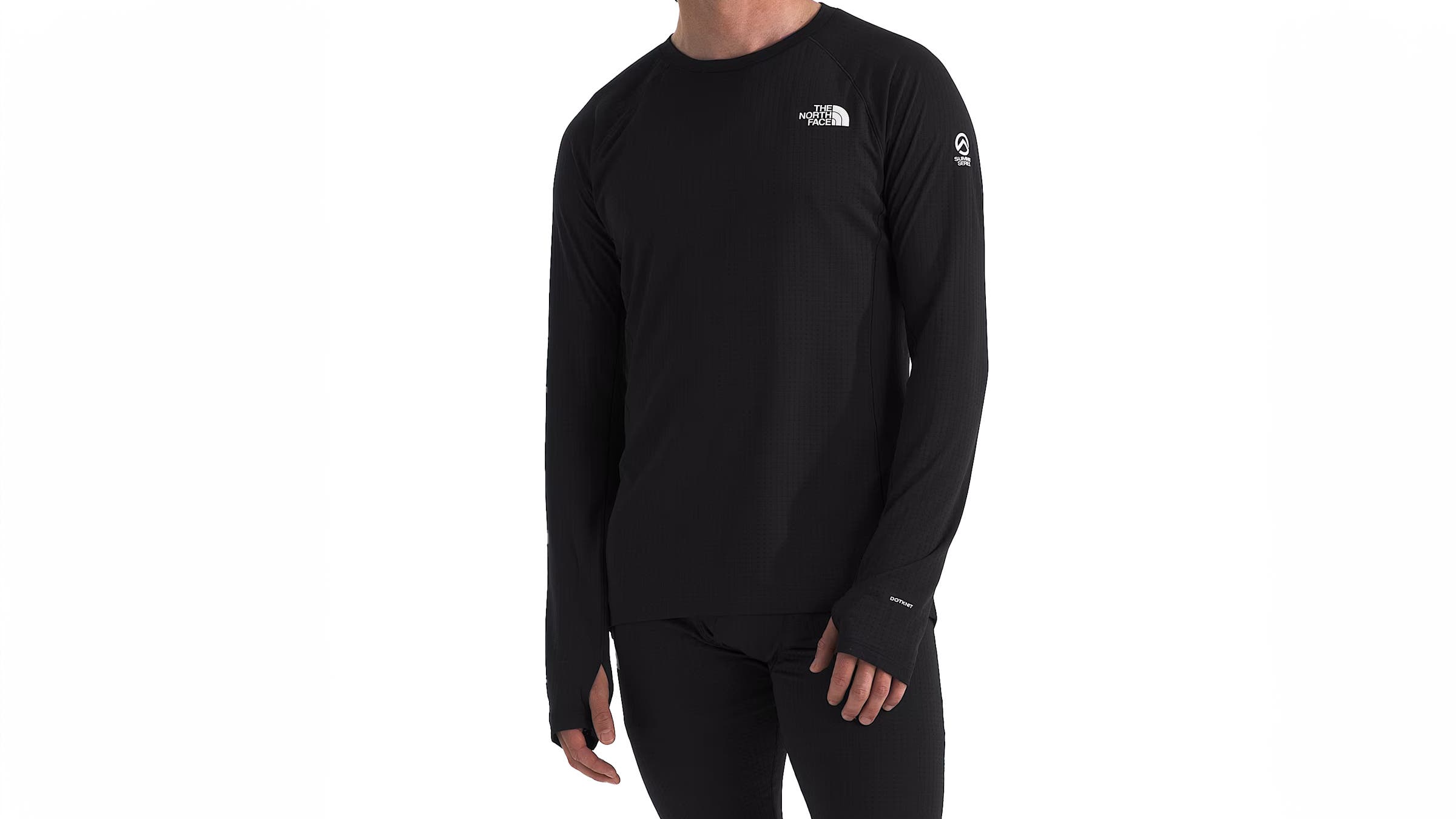
Synthetic fabrics, such as the 100 percent recycled polyester utilized in The North Face Summit Series Pro 120 Crew, offer superior drying times. The material’s engineered structure—featuring variable knit patterns in high-heat zones like the underarms—effectively accelerates evaporation, a critical feature for high-intensity aerobic activities. Conversely, merino wool remains favored for its inherent thermoregulation properties. Wool fibers are naturally hydrophilic, meaning they absorb moisture into the fiber core, allowing the fabric to remain warm even when saturated. This year’s testing revealed that 18.5 to 19.5-micron fibers are the "sweet spot" for next-to-skin comfort, providing the softness required for long-duration wear without the traditional itch associated with coarser wools.
Performance Highlights and Category Leaders
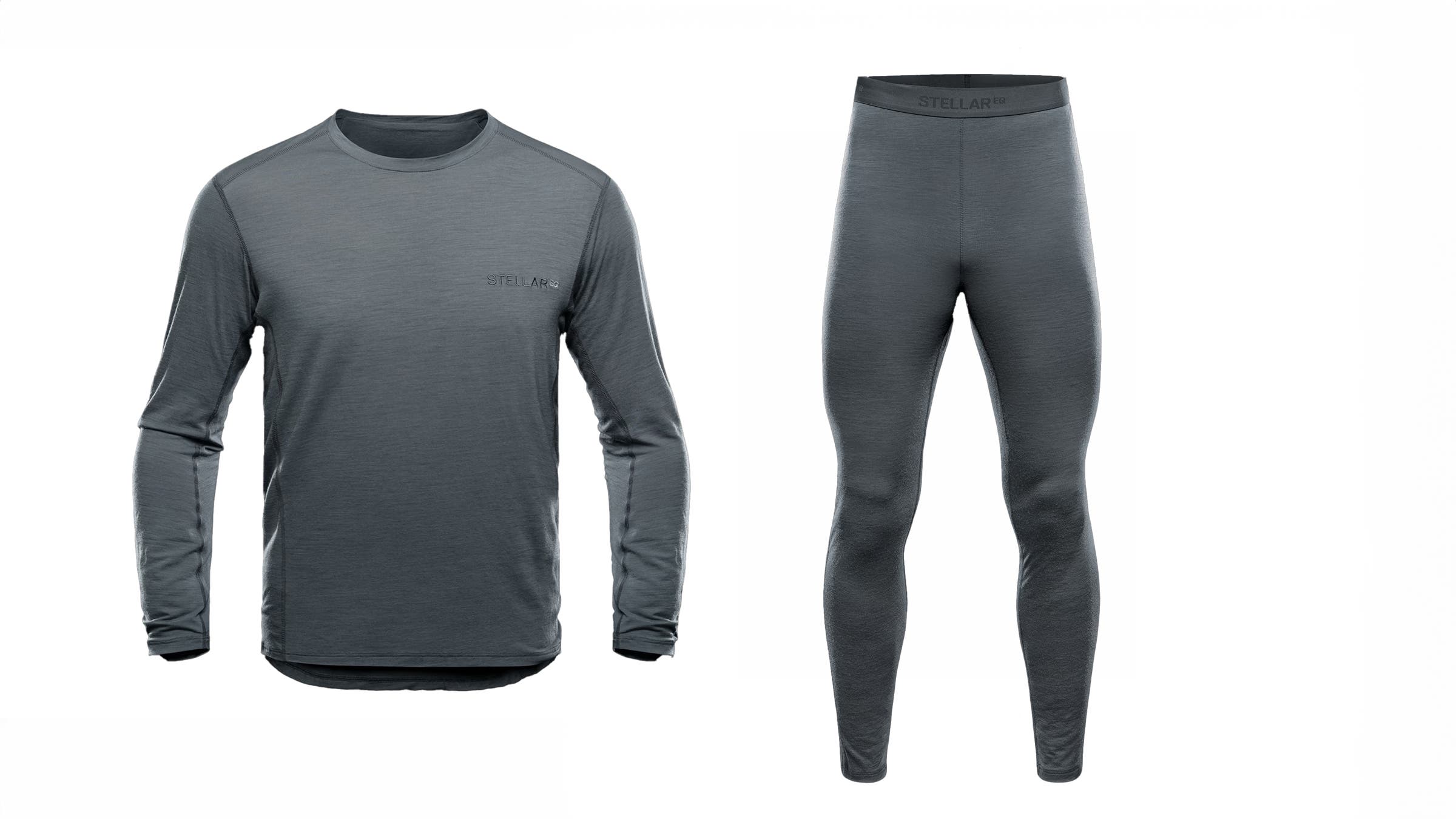
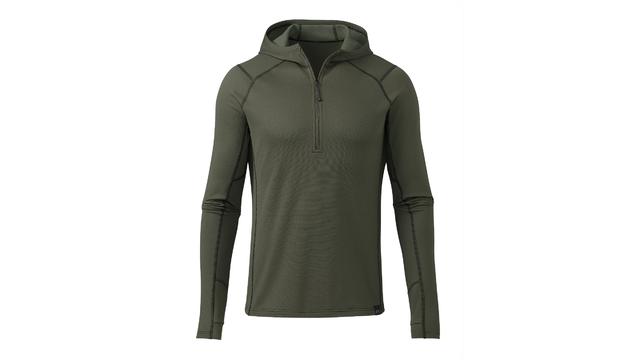
The Stellar Merino Base Top and Tights emerged as the overall category leader due to their balanced performance in varied conditions. Manufactured in Portugal using 19.5-micron merino wool sourced from Uruguay, the kit demonstrated superior moisture management and, notably, minimal odor accumulation after extended use.
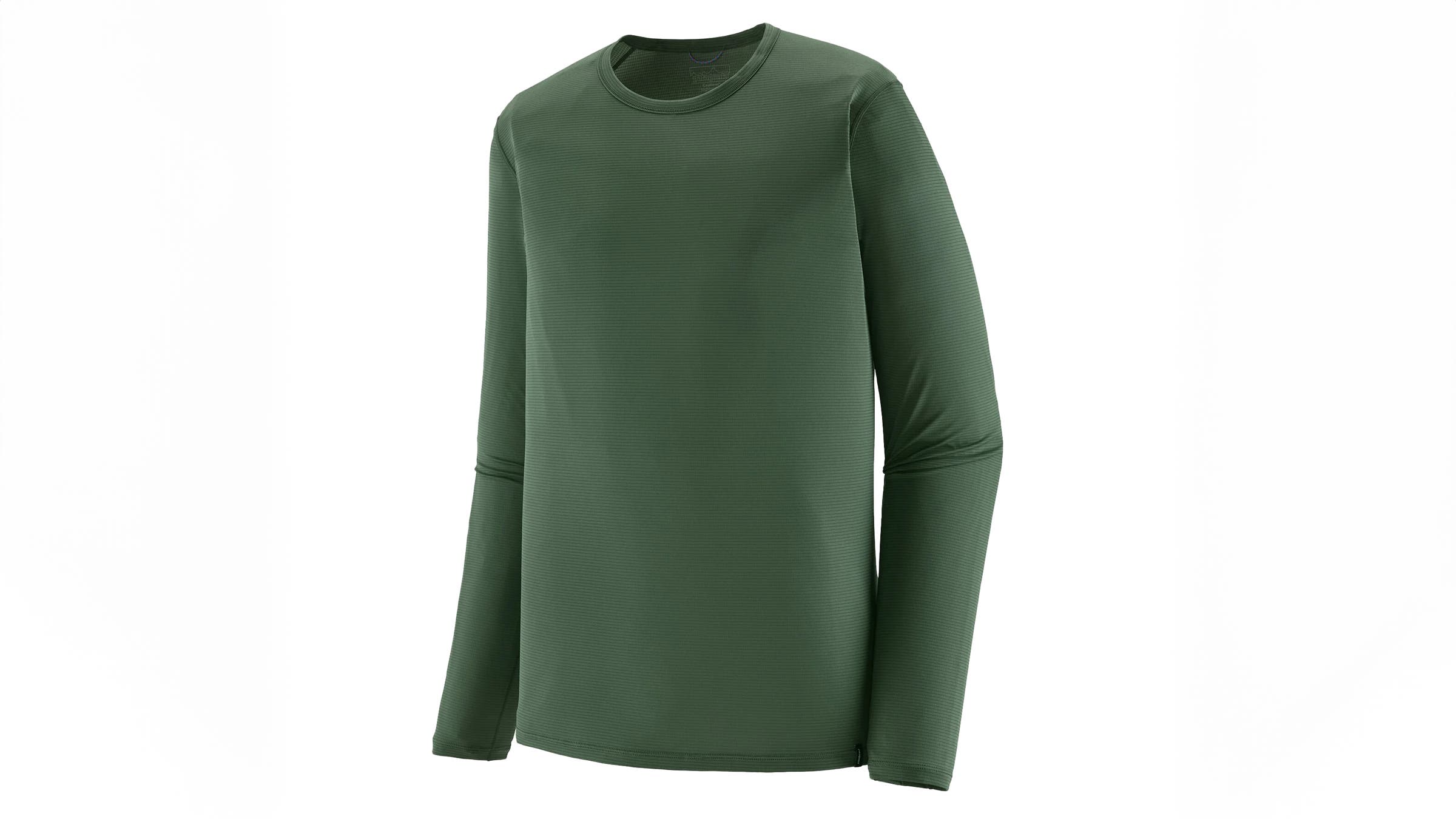
For the multisport athlete, The North Face Summit Series Pro 120 Crew was identified as the standout synthetic option. By utilizing low-profile merrow stitching and an athletic cut, the garment minimizes friction during repetitive movements. The Patagonia Capilene Lightweight Crew was recognized for its exceptional breathability, weighing only 3.3 ounces, making it an ideal choice for high-output shoulder-season activities where overheating is a primary concern.
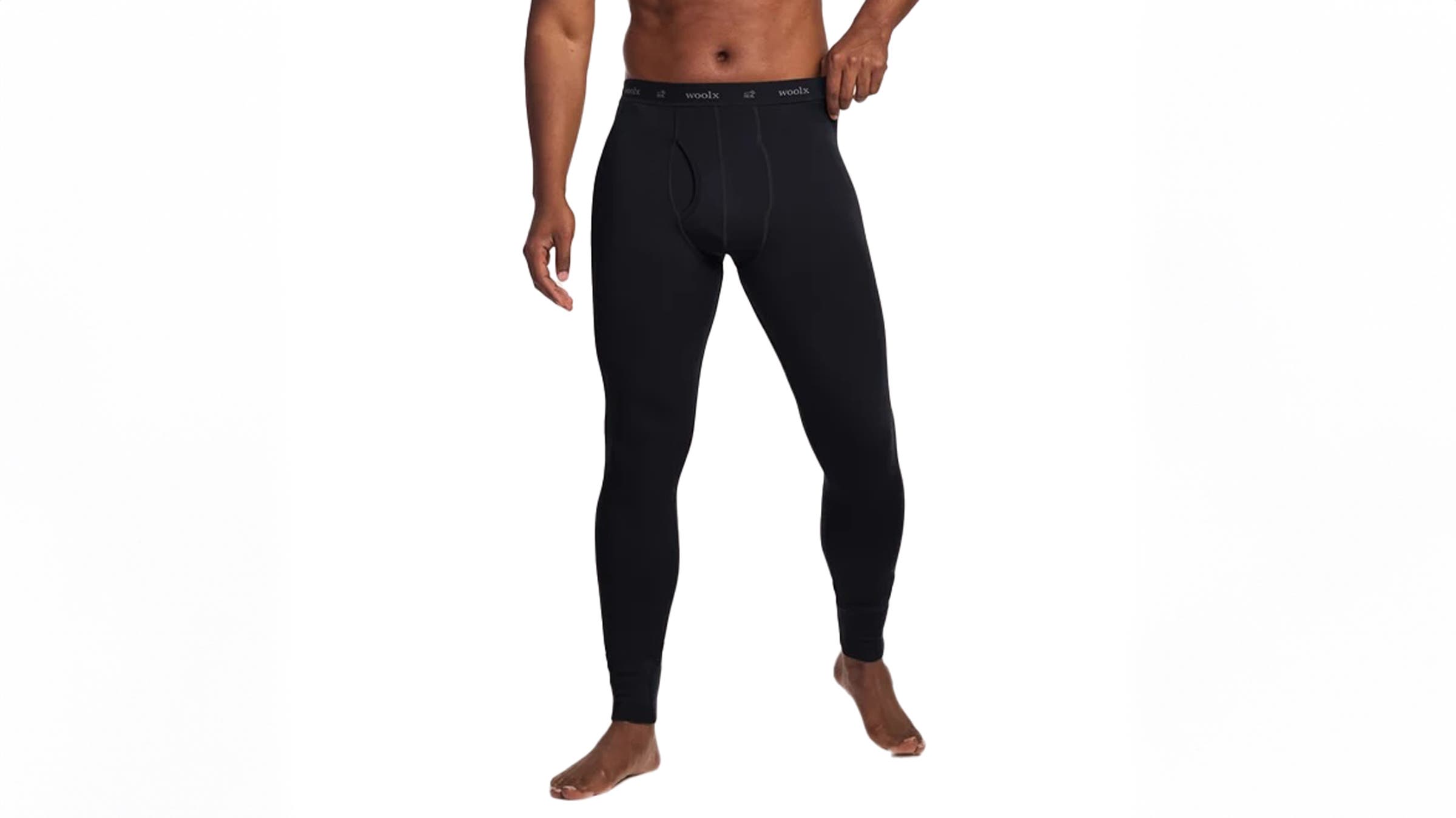
In the heavyweight category, the Woolx Backcountry Leggings and the Ridge Merino Heavyweight Inversion Crew set a new benchmark for warmth. These garments proved indispensable during sub-freezing dawn-patrol sessions. However, the data suggests that such heavy-weight options carry a distinct trade-off: they are often too warm for high-output climbing or spring touring, where the thermal load exceeds the fabric’s venting capacity.
The Role of Construction and Design
Beyond the raw material, the engineering of the garment significantly impacts performance. Flatlock seams—a construction technique that lays the fabric edges side-by-side rather than overlapping—are now considered the industry standard for preventing chafing. Similarly, gusseted underarms and raglan sleeves were identified as essential features that allow for a full, unhindered range of motion, particularly when the wearer is carrying a weighted pack.
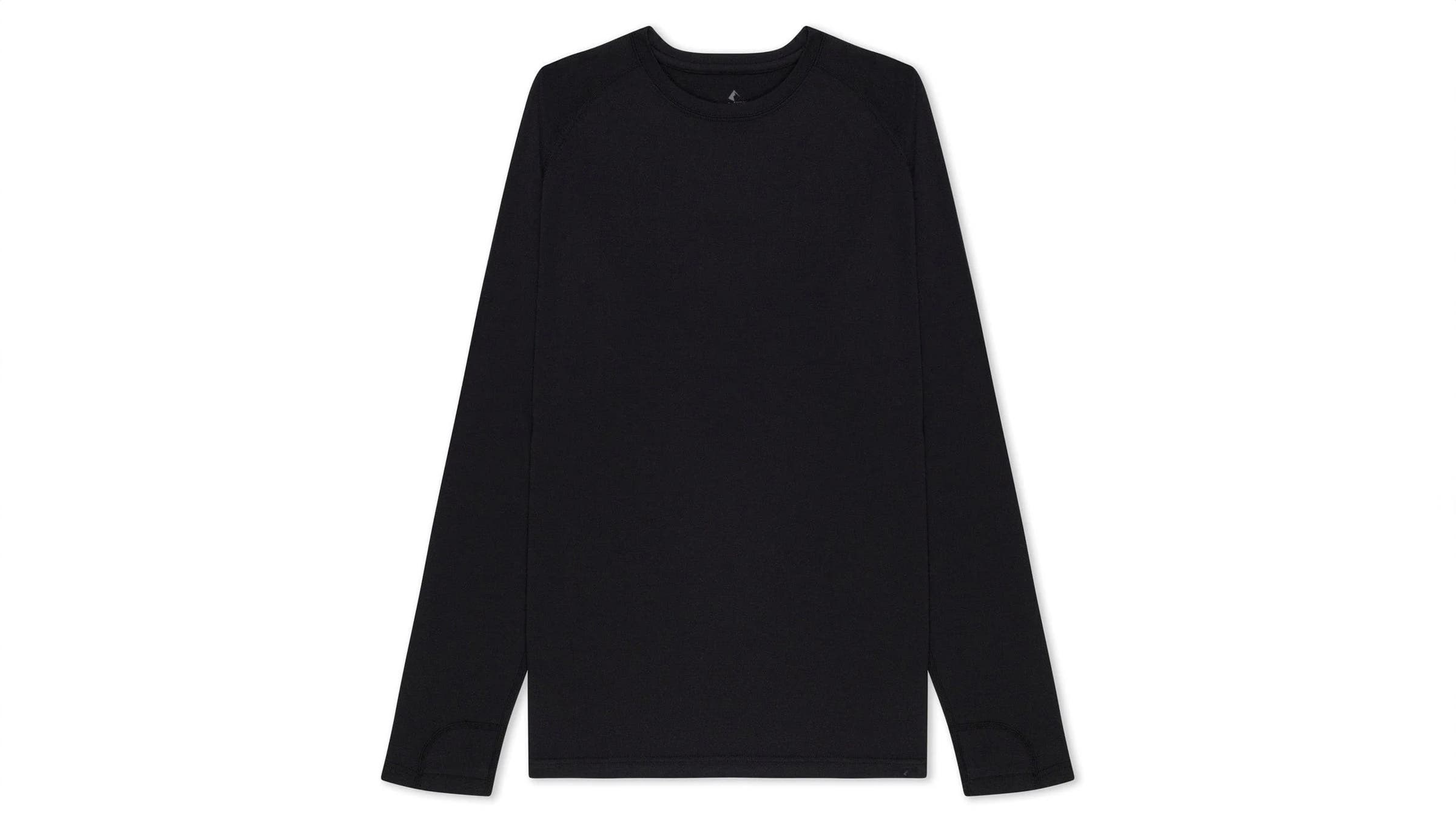
A critical finding in the 2026 report involves the danger of "intimate" fabric blends. Some manufacturers weave synthetic and natural fibers together in a way that creates a conflict in moisture movement. In such cases, the hydrophilic wool and hydrophobic synthetic battle for moisture, often leaving the user with a sensation of clamminess. The most effective garments, such as the Rab Syncrino Base LS Tee, utilize a dual-component fabric that keeps the moisture-wicking synthetic closer to the skin while placing the insulating, odor-resistant wool on the outer face.
Broader Implications for the Outdoor Industry
The findings of this testing cycle suggest that consumer expectations are shifting away from sport-specific gear toward "quiver-of-one" apparel. As climate variability continues to impact traditional winter sports, manufacturers are responding by prioritizing garments that can perform during a 45-degree mountain bike ride as capably as a 15-degree ski day.
Furthermore, the emphasis on odor mitigation and durability reflects a growing focus on sustainability within the outdoor industry. A base layer that requires less frequent washing not only preserves the longevity of the fibers but also reduces the environmental impact associated with laundering microplastics found in many synthetic garments. As retailers and manufacturers look toward the 2027 season, the integration of bio-based materials and advanced, low-friction construction techniques will likely dominate the conversation.
Summary of Recommendations
When selecting a base layer, consumers are encouraged to prioritize fit over brand. A base layer that is too loose will fail to wick moisture effectively, while a garment that is too tight may restrict circulation and increase the likelihood of chafing. For those who fluctuate between high-output and static activities, a lightweight synthetic base layer combined with an insulating mid-layer offers the greatest degree of flexibility. For those who prioritize warmth and longevity in cold, dry climates, a high-quality, fine-micron merino wool base layer remains the most effective, albeit higher-maintenance, choice.
Ultimately, the best base layer is one that disappears during use. By focusing on appropriate material selection, understanding personal sweat profiles, and investing in high-quality construction, outdoor athletes can significantly enhance their comfort and safety in the backcountry. The data from this year’s test confirms that while no single garment is perfect for every scenario, the current state of textile engineering offers more options than ever to support the diverse requirements of the modern winter enthusiast.