








The integration of advanced artificial intelligence into consumer smart home ecosystems represents a significant shift in how users interact with their domestic security infrastructure. However, with the emergence of macOS 27 beta 3, a specific financial barrier has come to light: Apple has mandated that users must maintain a 2TB iCloud+ subscription to access the new AI-powered security camera features within the Home app. This development, while consistent with Apple’s existing tiered cloud storage strategy, marks a departure from the previously decentralized approach of HomeKit Secure Video, raising questions about the intersection of privacy-focused hardware and subscription-based software services.
The Evolution of HomeKit Secure Video
Since its inception, Apple’s HomeKit Secure Video (HKSV) has been marketed as a privacy-centric alternative to third-party security camera providers. Unlike competitors that often require users to upload footage to external servers for processing, HKSV traditionally processes video locally on a HomeKit hub—such as an Apple TV or HomePod—before encrypting it and sending it to iCloud.
Historically, the subscription requirement for HKSV was tied strictly to storage capacity and the number of cameras supported. The 50GB plan supports one camera, the 200GB plan supports up to five cameras, and the 2TB plan offers support for an unlimited number of devices. By gating the new AI features—which include generative video summaries, intelligent search, and natural language notification synthesis—behind the 2TB tier, Apple is effectively reclassifying "intelligent" processing as a premium cloud service rather than a native hardware feature.
Chronology of the AI Integration
The groundwork for this transition was laid during Apple’s Worldwide Developers Conference (WWDC) in June 2026. During the keynote presentation, Apple executives showcased a vision for the Home app driven by "Apple Intelligence." The primary objective was to reduce "notification fatigue."
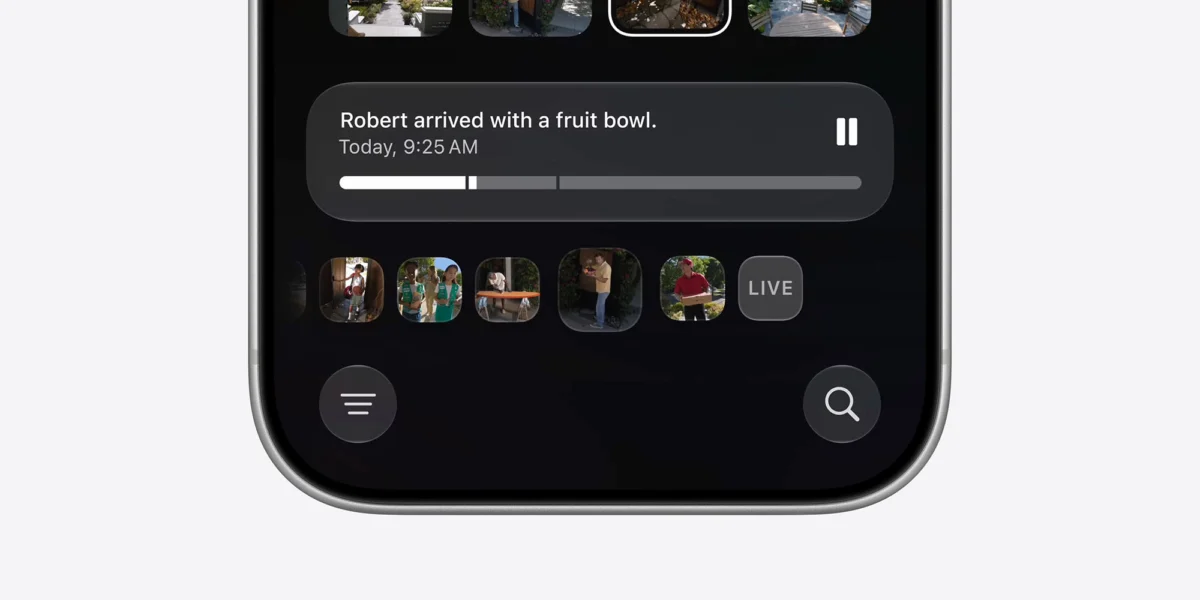
In previous versions of iOS, a typical arrival home could trigger a barrage of distinct alerts: driveway movement, garage door opening, camera capture, door unlocking, and door locking. Apple Intelligence aims to distill these events into a single, cohesive notification, such as, "Robert arrived with a fruit bowl."
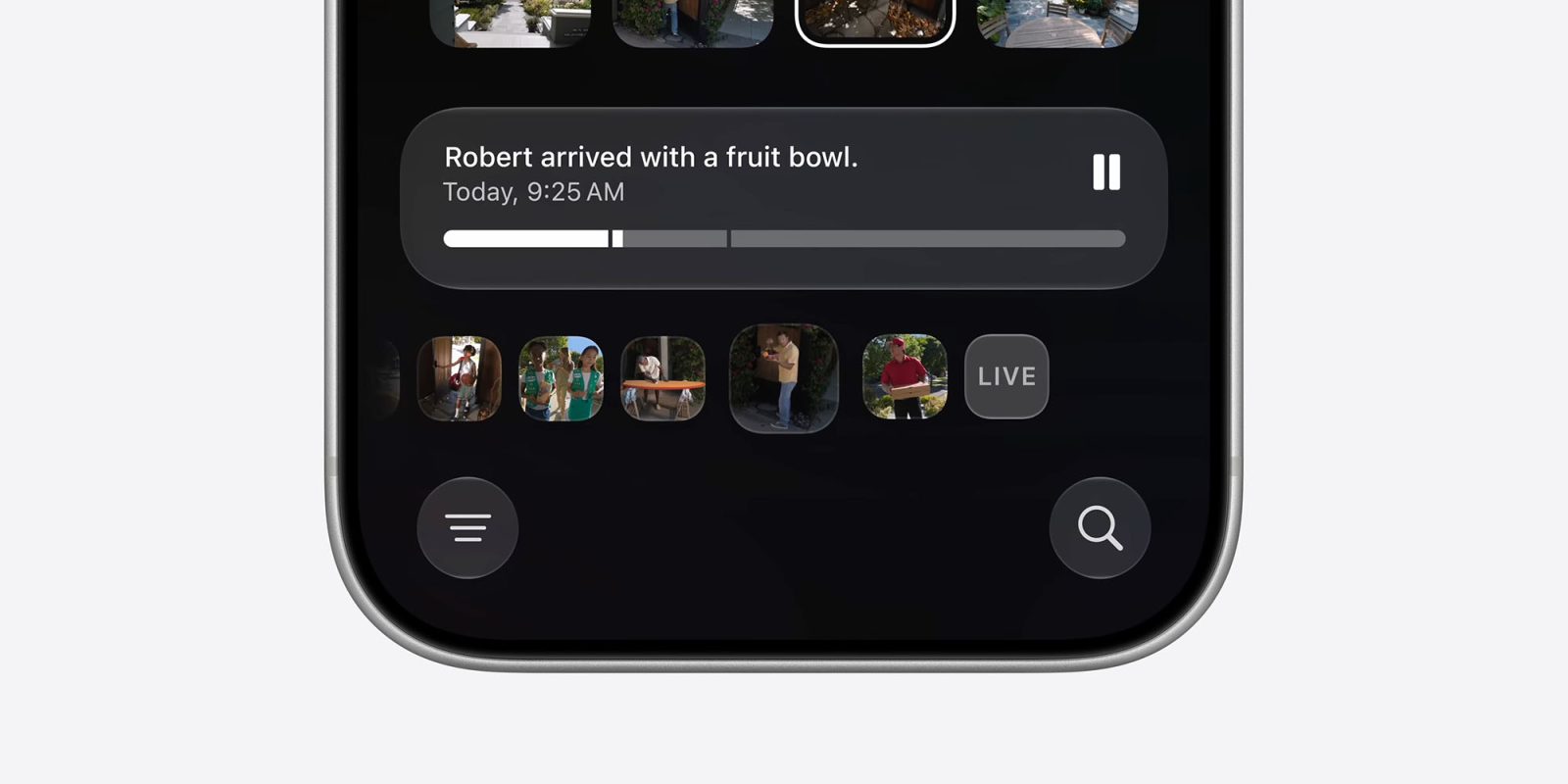
The timeline of this rollout is as follows:
- June 2026 (WWDC): Apple announces the integration of AI into the Home app, highlighting 4K video support and generative descriptions.
- July 2026 (Beta 1 & 2): Developers begin testing the Home app enhancements, noting significant improvements in computer vision and natural language processing.
- July 2026 (Beta 3): Release notes for macOS 27 and corresponding mobile OS betas explicitly state the 2TB iCloud+ requirement for enabling Apple Intelligence features within the Home ecosystem.
Technical Implications and Data Processing
The shift toward AI-assisted home security introduces a higher computational load. While the promise of "on-device" intelligence has been a hallmark of Apple’s recent branding, the decision to mandate a 2TB plan suggests that the processing for these advanced features may require substantial cloud-side resources or that Apple is bundling this feature as a high-value incentive to upsell users to its premium storage tier.
The features being gated include:
- Generated Video Summaries: The ability to synthesize hours of footage into a digestible text or visual overview without requiring the user to scrub through the timeline.
- Semantic Search: Users can query their security feed using natural language, such as "Show me when the UPS delivery arrived," or "Find when the dog was in the living room."
- Elevated Event Highlights: The Home app will automatically curate noteworthy events at the top of the search interface, prioritizing potential security threats or significant occurrences over routine movement.
Market Context and Economic Impact
From a market perspective, the decision places Apple in a precarious position. By forcing a 2TB tier—which costs $9.99 per month—the company is effectively charging $120 annually for features that many competitors in the smart home space are beginning to roll out as part of base hardware purchases or lower-cost monthly plans.
Data from the smart home industry indicates that the "subscription fatigue" phenomenon is a growing concern for consumers. According to industry analyst reports, the average household already manages between three and five recurring digital subscriptions. By adding a high-tier storage requirement for features that rely on hardware already owned by the user, Apple risks alienating its power-user base—the very group that originally adopted HomeKit for its promise of local, subscription-free privacy.
However, from a financial reporting standpoint, the move is a clear strategy to increase Service Revenue, a segment of Apple’s business that has seen double-digit growth in recent quarters. By tying high-demand AI features to iCloud+, Apple creates a "walled garden" effect where the value of the hardware is inextricably linked to the ongoing payment of a service fee.

Reactions and Industry Analysis
While official comments from Apple remain limited to the technical release notes, third-party developers and privacy advocates have expressed mixed reactions. Some industry experts argue that the cost of maintaining the server infrastructure for generative AI models is significant, and therefore, a subscription model is the only way to sustain the service without compromising privacy through data harvesting.
Conversely, others point out that one of the core value propositions of the HomeKit ecosystem was the ability to avoid the monthly "security tax" common with brands like Ring or Arlo. If the user is already paying for the cameras and the Apple hardware (Apple TV/HomePod) to act as a hub, the requirement for a premium cloud subscription feels like an unnecessary barrier.
"The industry is currently caught in a transition phase," says an analyst specializing in IoT (Internet of Things) infrastructure. "Companies are trying to figure out how to monetize generative AI. While the features are clearly sophisticated, the decision to gate them behind a 2TB plan suggests that Apple views these AI tools as a luxury service rather than a standard feature of a modern smart home."
Broader Implications for the Smart Home
The broader impact of this policy change could influence consumer behavior in the coming year. If the 2TB requirement remains in place upon the public launch of iOS 27, it may drive a segment of the market toward specialized, non-Apple security solutions that offer on-device AI without recurring costs, or it may solidify Apple’s hold on the "prosumer" market—users who are willing to pay a premium for a unified, highly integrated ecosystem.
Furthermore, this move sets a precedent for other Apple Intelligence features. If the company continues to link advanced AI capabilities to specific tiers of cloud storage, it could fundamentally change the cost of ownership for future Apple devices. Consumers will need to weigh the convenience of a unified, AI-enhanced Home app against the recurring annual expense of $120.
Ultimately, the technical prowess of the new Home app is undeniable. The ability to search for specific events and receive concise, natural language summaries represents a significant step forward in domestic security technology. Whether the market accepts the accompanying financial requirement will depend on the perceived value of these convenience features. For now, the integration remains a flashpoint for debate, highlighting the tension between the promise of advanced technology and the realities of modern digital commerce. As the beta period concludes and the final software release nears, the industry will be watching closely to see if Apple maintains this rigid pricing structure or offers a more flexible path for users with fewer cameras.