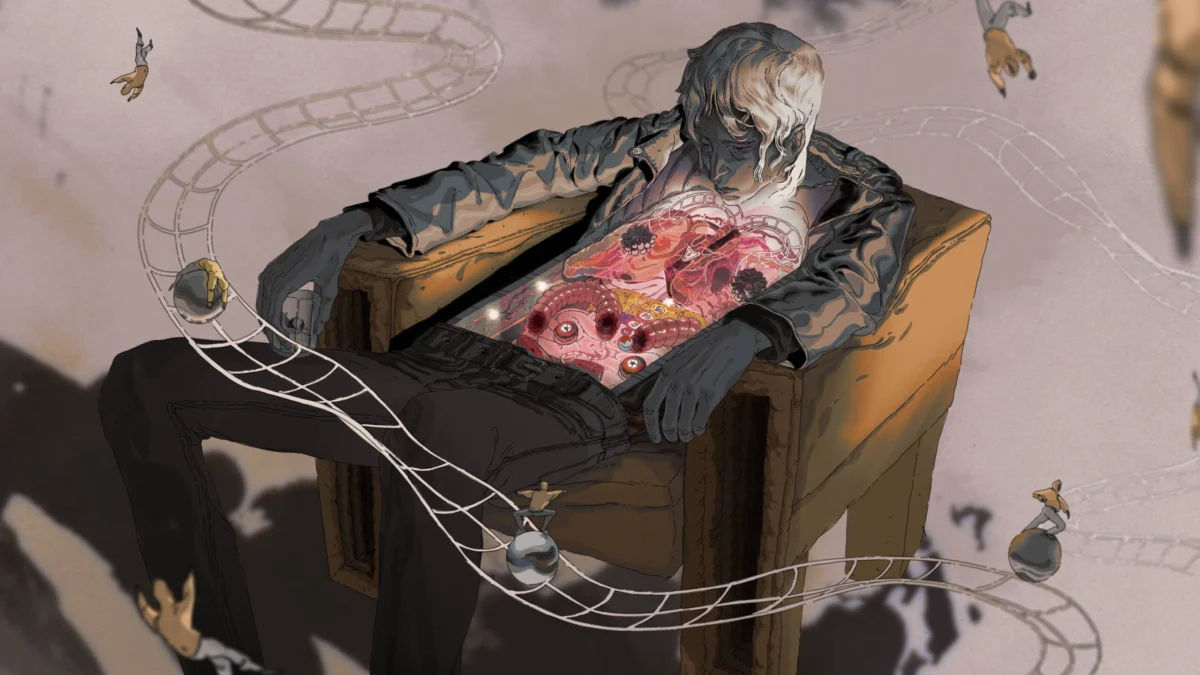
ZA/UM Studio, the developer behind the globally acclaimed 2019 title Disco Elysium and its recently released spiritual successor Zero Parades: For Dead Spies, has announced a significant reduction in its workforce, impacting up to 32 staff members across all departments. The studio cited the commercial performance of Zero Parades: For Dead Spies as the primary driver for these redundancies, stating that sales were insufficient "to sustain a studio of our current size," despite the game receiving widespread critical acclaim. This move underscores a turbulent period for ZA/UM, marked by years of internal strife, public disputes, and a challenging economic climate for the video game industry.
The Paradox of Critical Acclaim and Commercial Performance
The announcement, disseminated via the studio’s social media channels on Friday afternoon, highlights a growing paradox within the video game industry: a game can be lauded by critics and adored by a dedicated fanbase, yet fail to achieve the commercial viability required to sustain its development team. Zero Parades: For Dead Spies, launched just two months prior to this announcement, garnered exceptional reviews, drawing strong comparisons to its narrative-driven predecessor, Disco Elysium. Eurogamer’s Alexis Ong, in a five-star review, described it as a game of "bristling reactivity, woven into gorgeous prose and a constellation of characters big and small, each a critical texture in the fabric of a living, breathing story," praising it as "the cumulative work of a creative team at the top of their game." Such effusive praise typically signals a strong market performer, yet in this instance, it proved insufficient to ensure the studio’s financial stability at its current scale.
This disconnect between artistic merit and commercial success is not unique to ZA/UM. In an increasingly saturated market, even high-quality, niche titles can struggle to find a broad enough audience amidst fierce competition, aggressive marketing campaigns from larger publishers, and the sheer volume of new releases. Factors such as discoverability on digital storefronts, effective marketing strategies, and the overall economic landscape influencing consumer spending on entertainment products play critical roles that sometimes outweigh critical reception alone. For a studio with an estimated 100 employees as of October 2025, maintaining such a workforce requires consistent, substantial revenue streams, a challenge that Zero Parades: For Dead Spies evidently could not meet.
A Studio Plagued by Internal Strife: A Chronology of Disputes
The layoffs at ZA/UM occur against a backdrop of deeply entrenched controversies that have shadowed the studio since the breakout success of Disco Elysium. The original game, celebrated for its innovative role-playing mechanics, rich narrative, and profound philosophical themes, quickly established ZA/UM as a major creative force in the industry. However, the subsequent years have seen the studio embroiled in a series of bitter public and legal battles, significantly impacting its public image and internal stability.
2019: The Rise of Disco Elysium
Disco Elysium is released to universal critical acclaim, winning numerous awards, including multiple BAFTAs and The Game Awards’ Best RPG and Fresh Indie Game. The game’s success elevates ZA/UM to international prominence.
2022: The Departure of Key Creatives and Fraud Allegations
The foundational team members behind Disco Elysium, including game director Robert Kurvitz and art director Aleksander Rostov, are abruptly dismissed from ZA/UM. This event ignites a firestorm of controversy. Kurvitz and Rostov publicly accuse ZA/UM’s new management, specifically Ilmar Kompus and Tõnis Haavel, of fraudulently gaining control of the studio and its intellectual property. They allege that their dismissal came after they began investigating the studio’s financial records.
2022: Counter-Allegations and Escalating Public Spats
ZA/UM management, represented by Kompus and Haavel, vehemently denies all claims of financial malfeasance or fraud. In turn, they issue their own statement, detailing a series of counter-allegations against the fired employees. These include claims of "not working at all for almost two years while still being paid," fostering a "toxic work environment," and "attempts to illegally sell to other gaming companies ZA/UM’s intellectual property." Kurvitz swiftly refutes these claims, characterizing them as a "last-minute push" to "create division between workers" and divert attention from the alleged illegal activities of the management.
Ongoing Legal Battles and Investigative Journalism
The dispute quickly escalated into a complex web of legal actions, with various lawsuits being filed, dismissed, or dropped. Investigative reporting, notably a series of extensive documentaries by "People Make Games," delved deep into the intricacies of these conflicts, presenting interviews and evidence that further complicated the narrative. These reports highlighted the profound disagreements and the differing accounts of events from both sides, painting a picture of a deeply fractured organization. The public exchange of statements and counter-statements continued, ensuring that the studio’s internal issues remained a prominent feature of its public perception.
Emergence of Spiritual Successors and Further Legal Challenges
The fallout from the ZA/UM disputes also led to at least four separate studios being founded by former Disco Elysium developers, each aiming to create spiritual successors to their acclaimed work. These new ventures, too, found themselves embroiled in legal battles and disputes, illustrating the far-reaching and destructive impact of the original conflict over intellectual property and creative control. This fracturing of talent and resources further complicated the landscape for fans eagerly awaiting new experiences in the vein of Disco Elysium.
2024: Previous Layoffs and Project Cancellation
Prior to the current wave of redundancies, ZA/UM underwent another significant round of layoffs. Reports from 2024 indicated the cancellation of a planned Disco Elysium spin-off and the dismissal of approximately 24 employees. This earlier event was also followed by public statements, with allegations emerging of a workplace "rife with crunch, burnout and conflict." This established a pattern of instability and workforce reduction, predating the commercial release of Zero Parades: For Dead Spies.
The Role of the ZA/UM Workers’ Alliance
In October 2025, a significant milestone was reached when ZA/UM staff successfully formed the first recognized video game developers’ union in the UK, the ZA/UM Workers’ Alliance, represented by the Independent Workers Union of Great Britain (IWGB). This unionization effort, coming amidst the studio’s history of controversy and reported workplace issues, was seen as a crucial step for worker advocacy and protection.
In its statement regarding the current layoffs, ZA/UM explicitly mentioned its continued consultation and work with representatives of the ZA/UM Workers’ Alliance throughout the redundancy process. This engagement is a testament to the union’s role in advocating for its members during difficult periods of corporate restructuring. While specific details of the consultations have not been made public, the union’s involvement suggests efforts to ensure fair process, severance packages, and support for the affected employees. The presence of a union in such a situation provides a collective voice for workers, aiming to mitigate the impact of layoffs and protect employee rights, a stark contrast to many other studios in the industry where such protections are absent.
Official Statements and Public Reaction
The full statement released by ZA/UM on its social media channels reads:
"Today, we are sharing difficult news. While Zero Parades: For Dead Spies was released to critical acclaim, its commercial performance has not enabled us to sustain a studio of our current size. We have served redundancy or at-risk notices impacting up to 32 of our colleagues across all departments at ZA/UM Studio. Their work has made a lasting difference and left its mark on Zero Parades: For Dead Spies, and the studio as a whole. Throughout this difficult process, we have continued to consult and work with representatives of the ZA/UM Workers’ Alliance. This changes the shape of ZA/UM, but not its purpose. Our artistic standards remain unchained: we will persist. To anyone currently hiring, please consider the colleagues leaving ZA/UM."
The public response to this announcement across social media platforms has been overwhelmingly critical, reflecting the deep-seated frustration and disillusionment among fans and industry observers regarding ZA/UM’s contentious history. Many comments expressed sympathy for the laid-off workers, but also pointed to the studio’s ongoing internal conflicts as a contributing factor to its current predicament. One user on Bluesky, Eimmy, articulated a common sentiment: "I feel terrible for the workers, especially since gamedev is absolute shit rn (I’m not coming back unless I absolutely have to). They deserve a safe and rewarding job. Unfortunately Zaum is not that place and it will fall sooner or later, since they poisoned the brand for [the] majority of fans." This sentiment highlights the perceived damage to ZA/UM’s brand reputation, which many believe has alienated a significant portion of its potential audience, despite the quality of its output. The irony of a studio behind an anti-capitalist masterpiece like Disco Elysium facing such severe commercial pressures and internal strife has not been lost on commentators.
Broader Industry Context and Implications
These layoffs at ZA/UM are not an isolated incident but rather indicative of a broader, challenging period for the video game industry. The past year has witnessed an unprecedented wave of redundancies across companies of all sizes, from major publishers to independent studios. Economic pressures, shifting market demands, over-hiring during the pandemic boom, and the increasing cost of game development have all contributed to a climate of instability.
For ZA/UM, the implications are multifaceted. The reduction in workforce will undoubtedly impact ongoing and future projects, potentially slowing down development cycles or necessitating a shift in strategic focus. The studio’s commitment to "artistic standards" remaining "unchained" suggests a determination to continue producing high-quality, narrative-driven games, albeit with a leaner team. However, the commercial underperformance of a critically acclaimed title like Zero Parades: For Dead Spies raises questions about the studio’s ability to navigate the complex commercial landscape without significant changes to its business model or approach to marketing and distribution.
The long-term effects of the internal disputes also continue to cast a shadow. While ZA/UM asserts its purpose remains, the "poisoned brand" narrative could continue to affect sales and public perception, making it harder to attract new talent and secure funding for future endeavors. The ongoing legal ambiguities and the public’s awareness of the studio’s turbulent past present significant hurdles.
For the laid-off developers, the situation is particularly grim. The job market in game development is highly competitive, and finding new roles can be challenging, especially in a period of widespread industry layoffs. The studio’s public plea for other companies to consider its former colleagues is a common, yet poignant, acknowledgment of the difficult road ahead for those impacted.
In conclusion, the layoffs at ZA/UM Studio represent a complex confluence of internal corporate strife, the challenging economics of niche game development, and broader industry trends. While the studio’s artistic vision remains lauded, the commercial realities and the lingering effects of its tumultuous history have necessitated a painful restructuring. The future of ZA/UM, its intellectual properties, and the talented individuals who have contributed to its unique artistic legacy remain uncertain in a rapidly evolving and often unforgiving industry.