Photojournalism relies entirely on the unmanipulated capture of reality, freezing fleeting fragments of history without the aid of digital staging or software alterations. Within this rigorous boundary, visual storytelling depends heavily on fundamental artistic tools, chief among them being compositional geometry. Across historical and contemporary media, lines serve as one of the most powerful instruments in a photojournalist’s limited toolkit. Known widely as leading lines, these visual paths naturally draw the human eye through a frame, establishing depth, creating rhythm, and directing emotional focus toward the core narrative of an image. A survey of global news coverage from mid-September 2026 highlights how master photographers leverage lines, patterns, and silhouettes to transform complex geopolitical conflicts, solemn anniversaries, and social demonstrations into unforgettable historical records.
The Visual Architecture of Disaster: Bukavu’s Tragic Aftermath
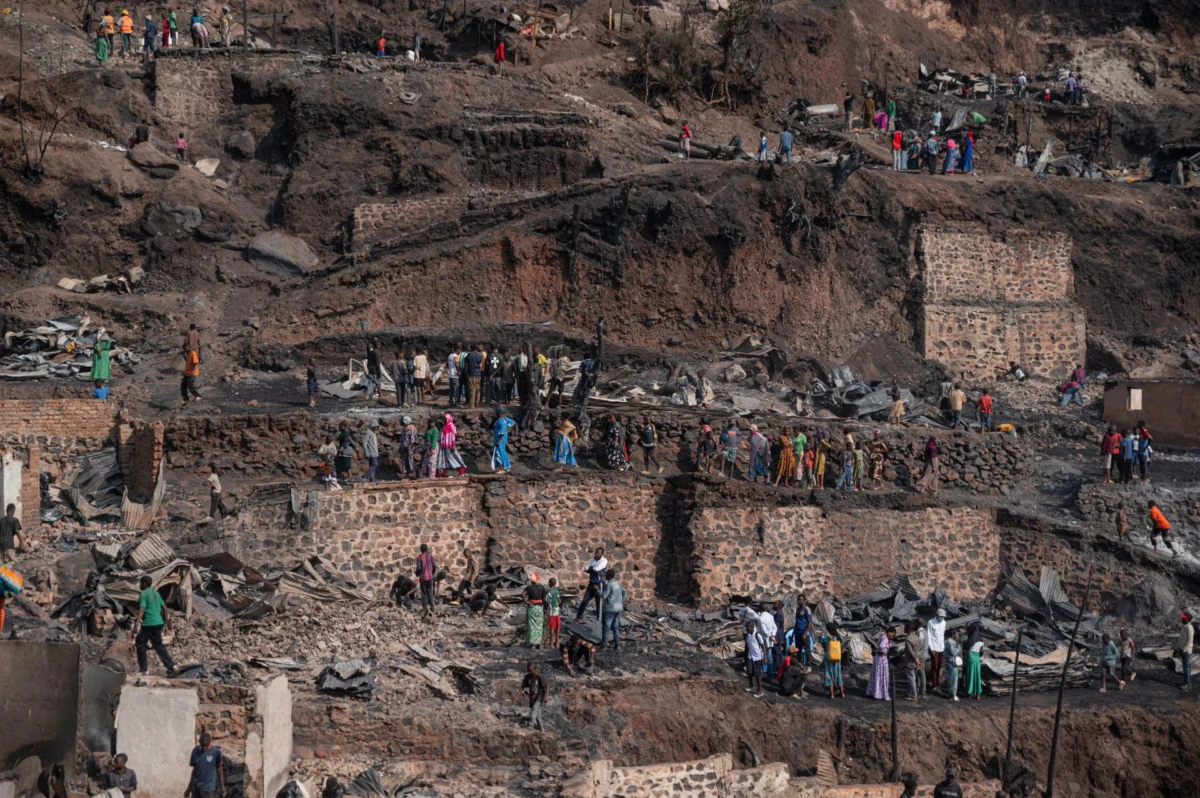
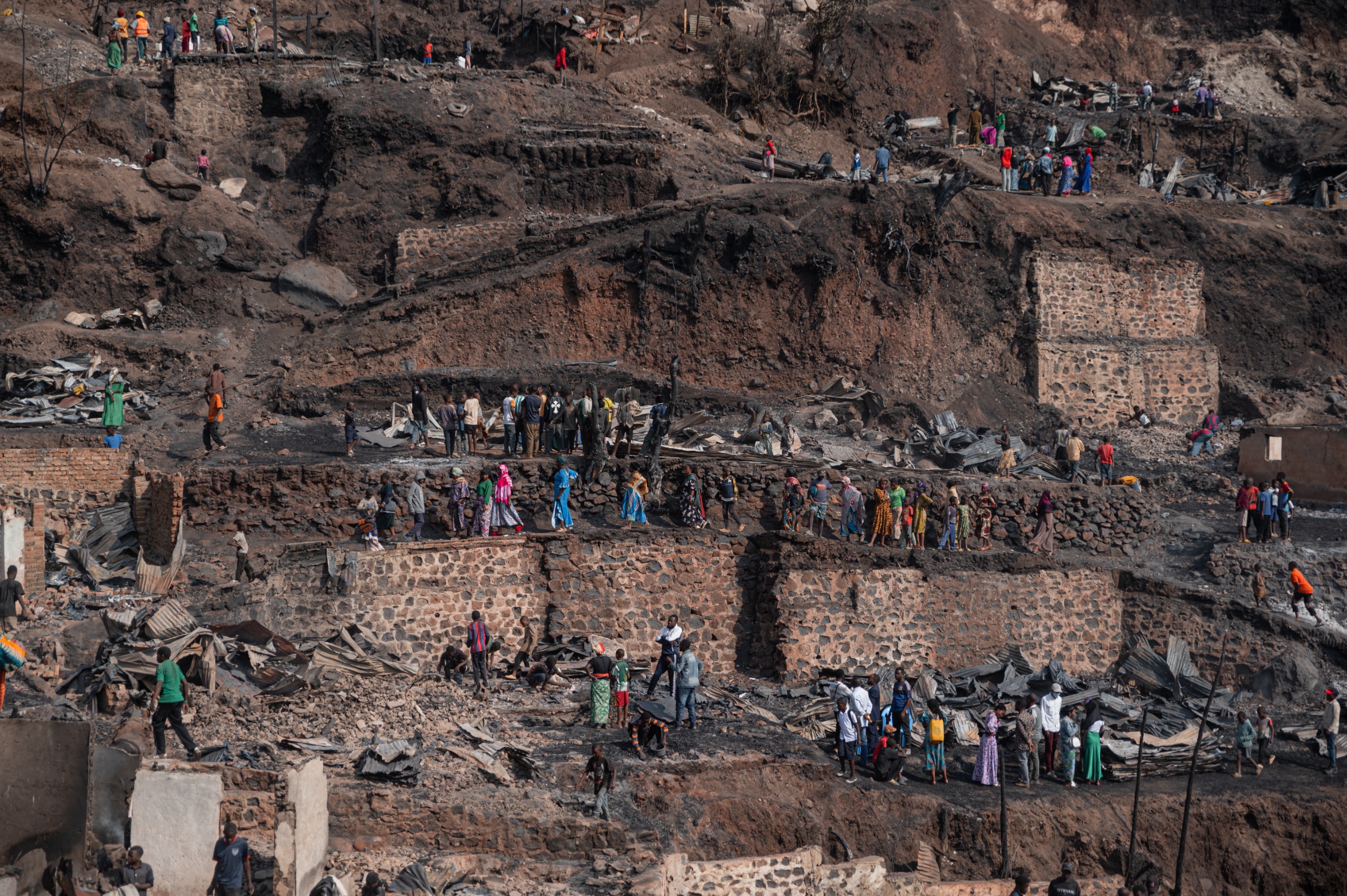
The Democratic Republic of Congo recently faced a staggering tragedy when a catastrophic fire erupted at a school in the eastern city of Bukavu on September 11, 2026. The blaze triggered an immediate, panicked stampede before rapidly consuming the surrounding infrastructure, ultimately destroying approximately 500 residential homes and claiming 29 lives, including young pupils and teachers.
Local authorities and emergency response teams confirmed that the high death toll was heavily exacerbated by the chaotic evacuation crush within the confined educational facility. In the aftermath, photojournalist Jospin Mwisha captured a chilling general view of residents from neighboring areas walking past the devastation. The composition relies heavily on the fractured urban geography—charred remains, uneven pathways, and displaced crowds—to construct natural leading lines that pull the viewer’s gaze deep into the heart of the disaster zone.
The image stands as a stark visual testament to urban vulnerability in densely populated regional hubs. Infrastructure limitations, rapid urbanization, and inadequate fire safety regulations in parts of Central Africa continue to compound the risks associated with residential and institutional blazes. The human element within Mwisha’s frame—clustered lines of onlookers navigating the ash-strewn thoroughfares—underscores a collective communal grief that transcends mere statistical reporting.
Order in Parallel: Geometry and Tradition at the Narathiwat Bird Singing Competition
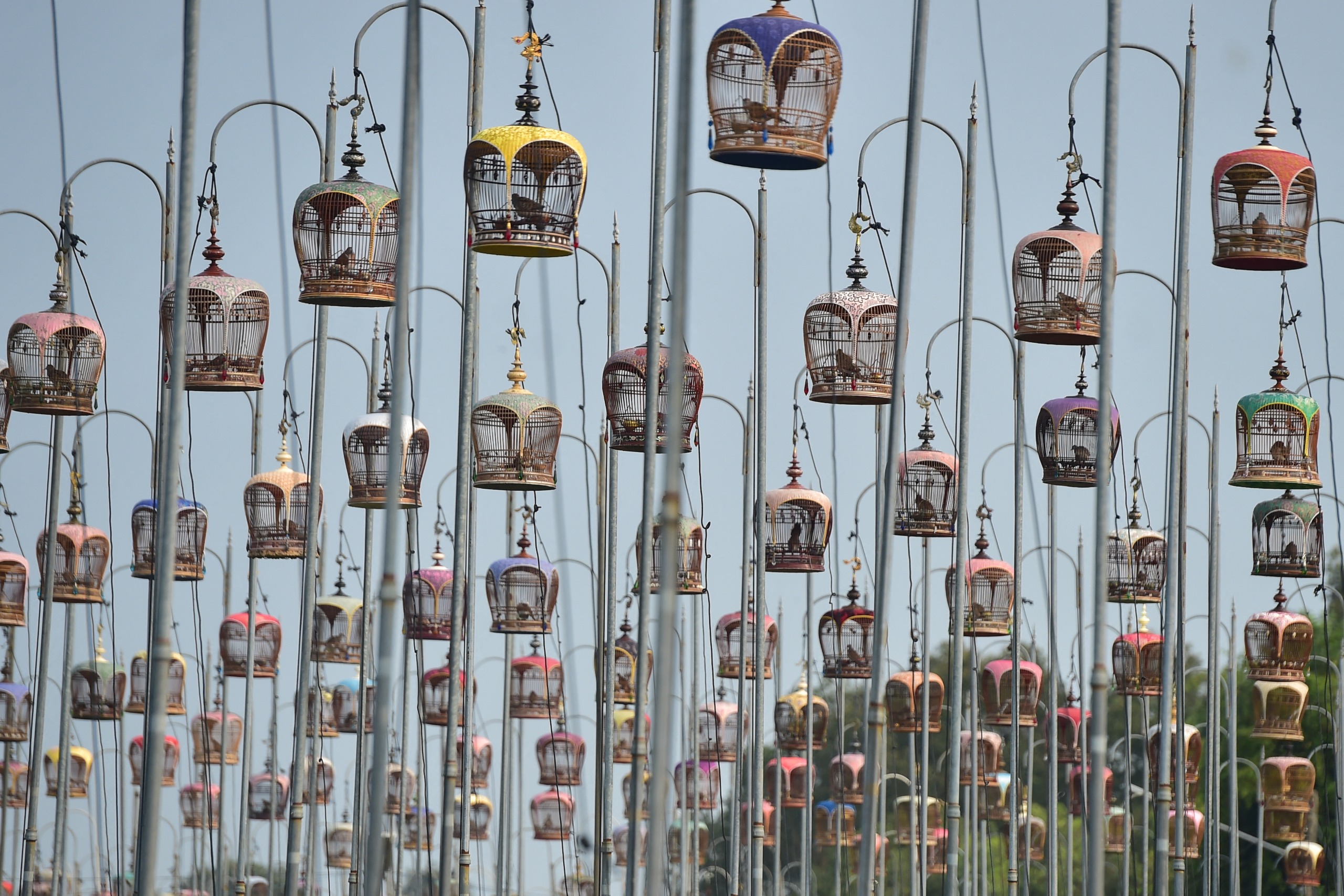
Shifting from scenes of devastation to cultural traditions, visual geometry frequently emerges in unexpected arenas. In Thailand’s southern province of Narathiwat, the annual bird-singing competition offers a masterclass in pattern and repetition. Captured through the lens of photographer Madaree Tohlala, the event features rows of meticulously hung wooden cages containing prized zebra doves, competing for the prestigious Royal Trophy bestowed by Thai Princess Maha Chakri Sirindhorn.
Tohlala’s composition utilizes rigid horizontal and vertical lines formed by the structural framework of the exhibition stands. This geometric precision contrasts sharply with the organic, living subjects inside the enclosures. Bird-singing competitions represent a deeply embedded cultural pastime across parts of Southeast Asia, particularly in Thailand’s southernmost provinces, drawing enthusiasts who evaluate avian vocal prowess based on pitch, tone, and endurance.
From an analytical standpoint, the juxtaposition of strict architectural order against nature highlights the human desire to categorize, nurture, and evaluate the natural world. The clean lines of the cages act as a visual grid, imposing symmetry upon a chaotic environment and inviting viewers to examine the intricate relationship between traditional husbandry and communal sport.
Silhouettes of Resilience: Documenting Destruction in the Gaza Strip
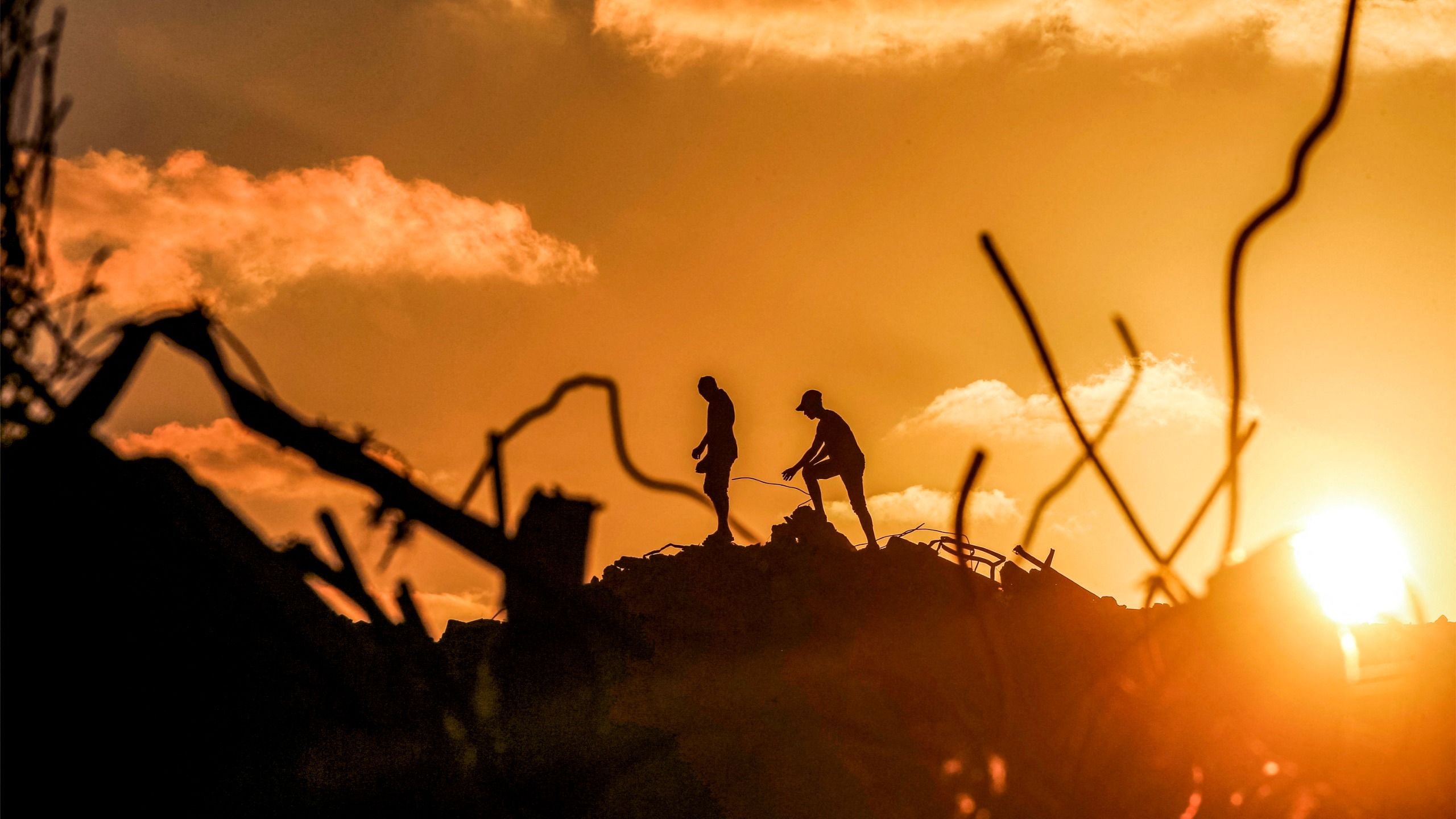
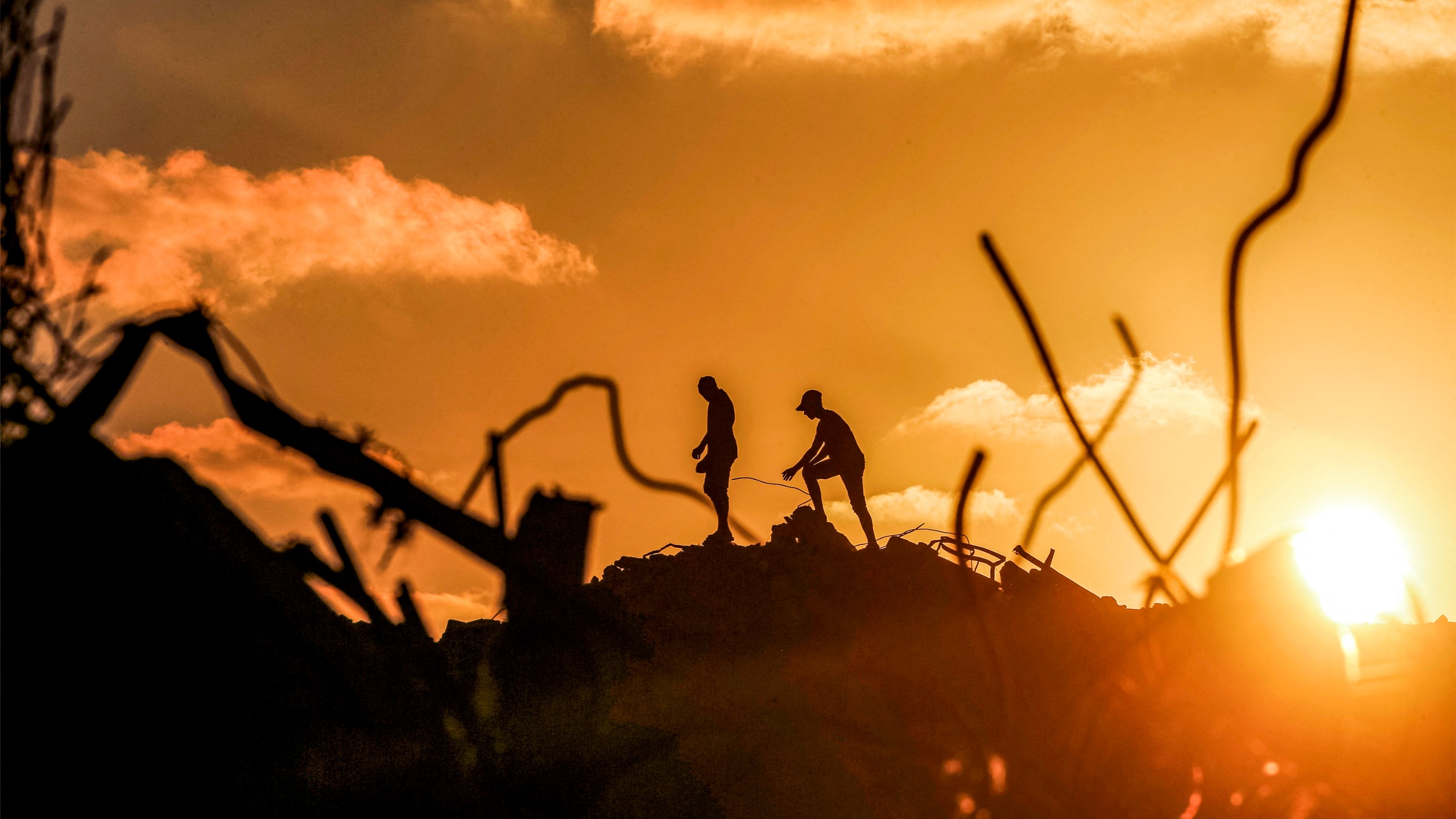
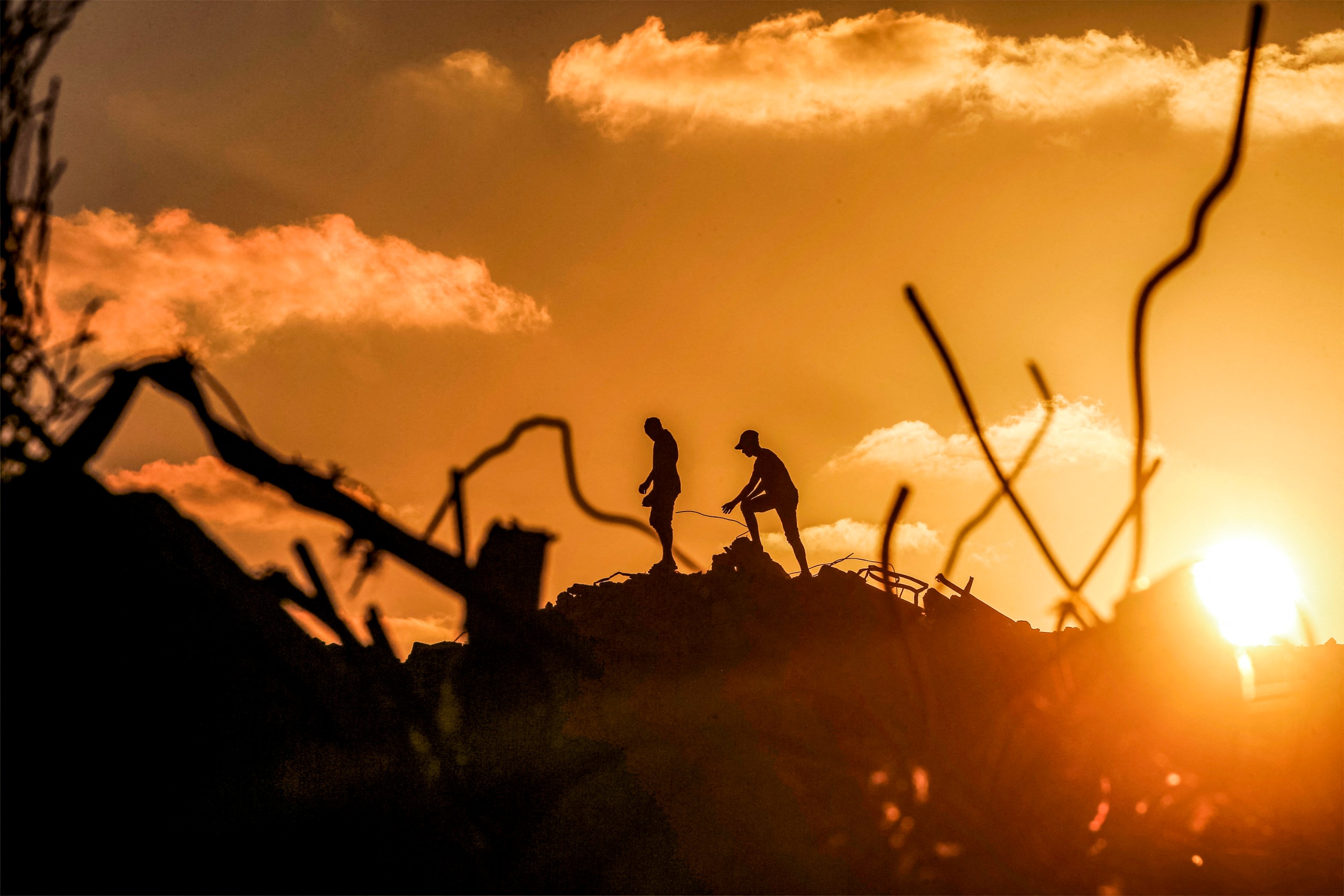
Geopolitical conflicts provide some of the most searing imagery in modern photojournalism, often demanding that photographers convey devastation without relying on explicit gore. On September 14, 2026, photographer Eyad Baba captured a haunting silhouette at the Bureij refugee camp in the central Gaza Strip following a series of intense airstrikes that followed military evacuation orders earlier in the month.
At first glance, the low-angle perspective creates dark, linear shapes that could easily be mistaken for overgrown grass or natural foliage in a backlit landscape. However, upon closer inspection, the distorted, irregular angles of these lines reveal their true identity: jagged shards of concrete, twisted rebar, and pulverized building materials. Two figures are silhouetted against the glaring Mediterranean sun as they pick their way through the ruins of their neighborhood.
Baba’s composition offers a profound masterclass in subtlety. By employing backlighting and a low-angle viewpoint, the photographer transforms a landscape of utter destruction into a study of human resilience. The lines in the foreground do not merely lead the eye; they barrier the path, representing the physical and psychological obstacles displaced populations face daily. The image captures the enduring spirit of Palestinian refugees returning to assess their homes in the wake of relentless military escalation.
Reflections of Remembrance: Marking the 25th Anniversary of 9/11
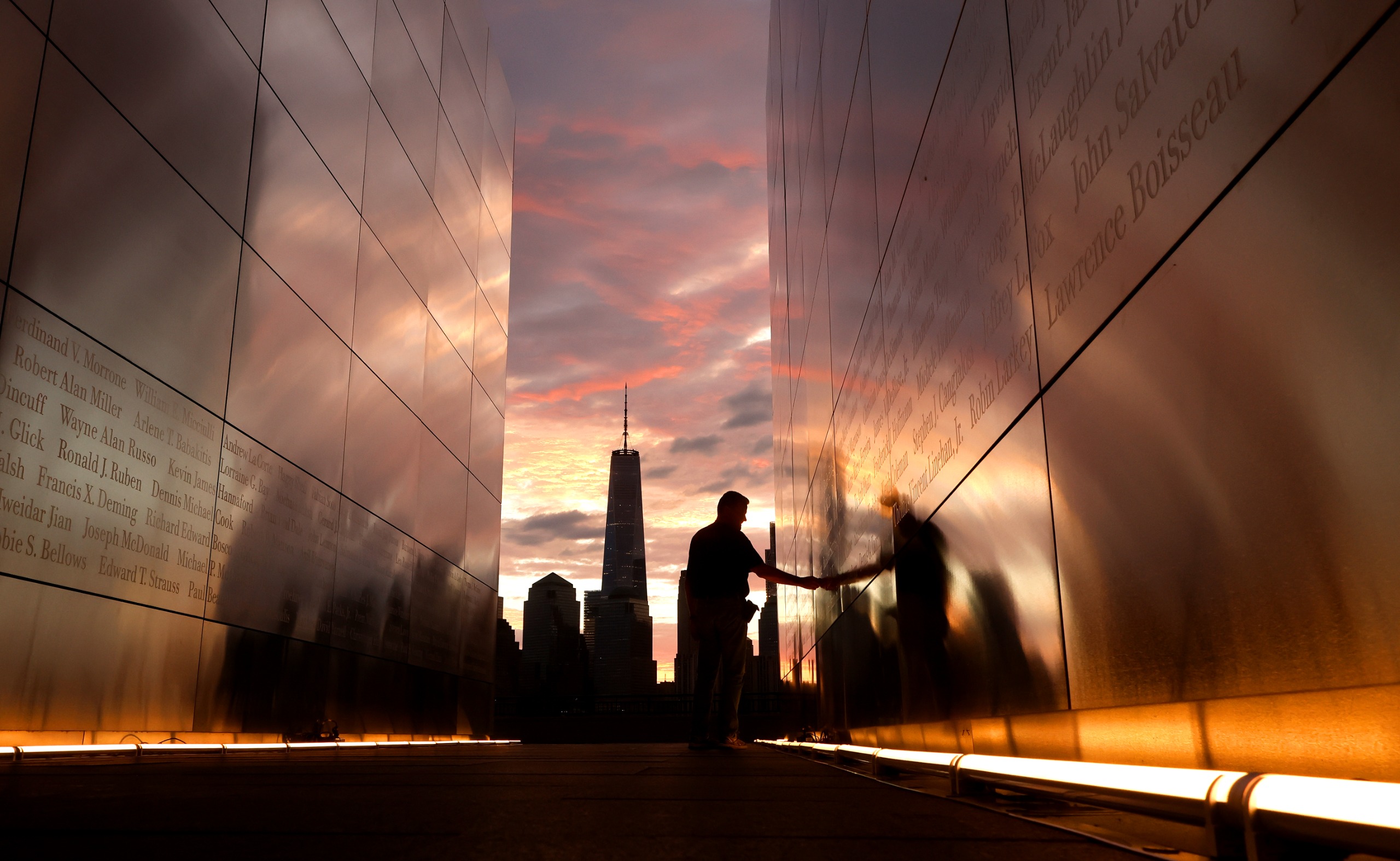
Architectural lines also play a pivotal role in commemorating historical trauma. On the 25th anniversary of the September 11 terrorist attacks, photographer Gary Hershorn captured a poignant moment at the Empty Sky 9/11 Memorial in Jersey City, New Jersey. The memorial, designed with massive twin stainless steel walls bearing the names of those lost, frames a direct visual line extending across the Hudson River toward lower Manhattan and the towering presence of One World Trade Center.
In Hershorn’s photograph, the converging lines of the memorial walls forcefully guide the viewer’s eye toward the rebuilt financial district on the horizon. A lone visitor reaches out to touch the reflective metal surface, while dramatic storm clouds are mirrored across the steel panels. The convergence of perspective lines serves a dual purpose: it honors the spatial memory of the tragedy while emphasizing continuity, renewal, and endurance over a quarter of a century.
The composition underscores how public architecture functions as a narrative canvas. The clean, geometric geometry of the monument commands silence and reflection, ensuring that the physical void left by the fallen towers remains anchored in the collective consciousness of successive generations.
Geometry and Confinement: The Visual Metaphor of Animal Rights Protests
In London, England, compositional lines were employed on September 11, 2026, to critique industrial practices through performance art. Animal rights activist Michelle Farnham initiated a three-week silent protest by locking herself inside a metal pig farrowing crate outside the National Gallery at Trafalgar Square. Photographer Brook Mitchell documented the demonstration, utilizing a slow shutter speed to capture the fluid, blurred movement of pedestrians streaming past the static cage.
The metal bars of the farrowing crate establish rigid, unforgiving vertical and horizontal lines that isolate the protester from the bustling urban environment. By utilizing a slow shutter speed, Mitchell creates a sharp visual dichotomy: the dynamic, transient motion of the general public contrasts starkly with the unmoving, confined activist.
This technique amplifies the core message of the demonstration. Farrowing crates, heavily utilized in intensive factory farming to restrict maternal movement during and after piglet birth, have long been a focal point of animal welfare debates across the United Kingdom and the European Union. The photographic framing forces viewers to confront the concept of systemic confinement, using the structural lines of the cage as a metaphor for institutionalized practices in modern agriculture.
The Broader Implications of Compositional Journalism
Across these diverse global narratives—ranging from natural disasters in Central Africa and cultural traditions in Southeast Asia to active conflict zones in the Middle East, solemn national anniversaries, and civil disobedience in Europe—the underlying mechanics of photography remain constant. Compositional elements such as leading lines, framing, and geometric patterns are not merely aesthetic choices intended to beautify a frame; they are vital journalistic tools.
By manipulating perspective, contrast, and visual flow, photojournalists translate complex, chaotic world events into digestible, emotionally resonant narratives. These images bridge the gap between distant geopolitical realities and the individual human experience, proving that a single well-composed frame can document history, provoke critical inquiry, and evoke universal empathy without uttering a single word.