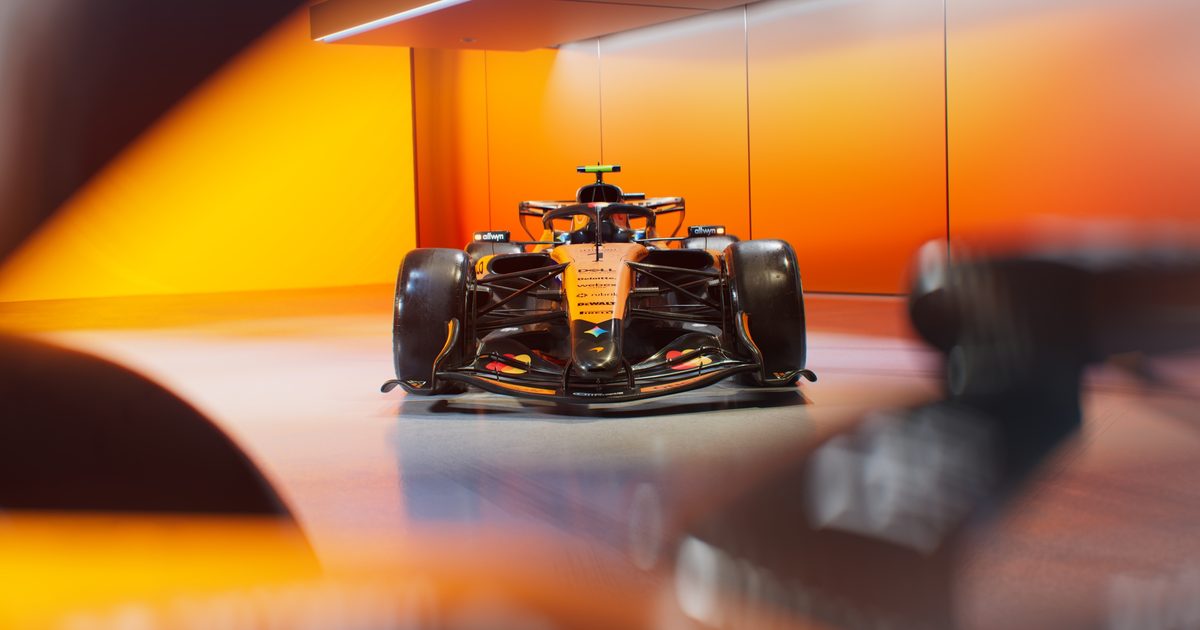
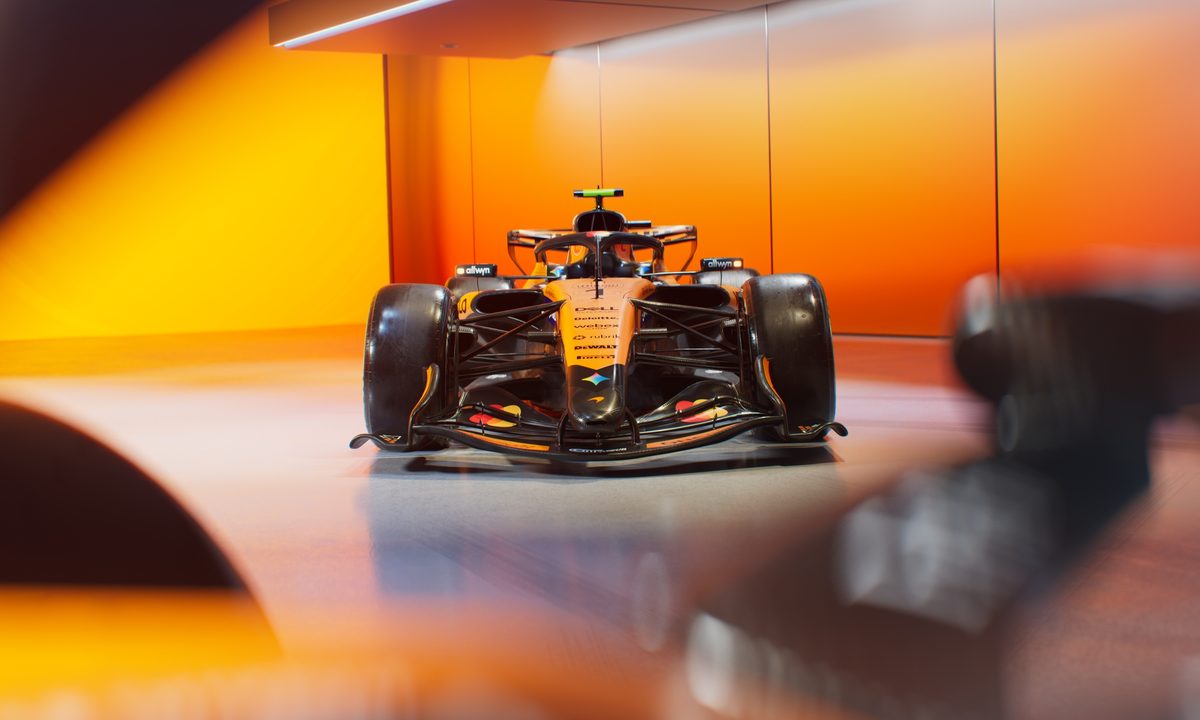
The demanding world of motorsport, particularly Formula 1, serves as an unparalleled testing ground for automotive technology, pushing the boundaries of what is possible in engineering and performance. In this relentless pursuit of speed and reliability, the symbiotic relationship between lubricant manufacturers and elite racing teams is crucial. Motul, a global leader in the development and production of high-performance lubricants, has deepened its collaboration with McLaren Racing, a storied name in motorsport, to create bespoke lubrication solutions. This partnership, initially focused on the extreme demands of Formula 1, is now expanding to encompass the rigorous challenges of endurance racing, signifying a commitment to pushing the envelope of fluid dynamics and material science across diverse motorsport disciplines.
The genesis of this intensified collaboration lies in the shared ambition of both Motul and McLaren to achieve peak performance. Formula 1 cars are paragons of engineering, subjected to immense G-forces, extreme temperatures, and punishing operational cycles. The lubricants within these machines are not mere fluids; they are critical components that dictate engine longevity, power delivery, and overall efficiency. For years, McLaren has relied on Motul’s expertise to maintain the integrity of its powertrains. However, the evolving landscape of Formula 1, with its continuous push for greater aerodynamic efficiency, more powerful hybrid systems, and increasingly complex engine designs, necessitates lubricants that can adapt and excel under novel stresses.
Julien Plet, Head of R&D at Motul, articulated the core challenge and triumph of this partnership: "McLaren was already using a very high-performance transmission fluid, with an extremely high level of requirements. Our challenge was to go even further: decrease friction losses even more while ensuring lubricant durability over time. The formulation developed with McLaren Racing has been validated to maintain its performance over several thousand kilometers under Formula 1 conditions. And this is only the beginning: in F1, cars are constantly evolving, and the formulation will continue to progress as well." This statement underscores the dynamic nature of their research and development, where innovation is not a one-off event but an ongoing process of refinement and adaptation.
The significance of using Formula 1 as a development platform cannot be overstated. The speeds, stresses, and heat generated during a Grand Prix weekend far exceed those encountered in most other forms of motorsport. A lubricant that can successfully navigate these extreme conditions is, by definition, of the highest caliber. Motul leverages this "litmus test" to ensure that its products not only meet the stringent requirements of their elite partners but also translate into tangible benefits for their broader customer base.
A Brief History of Lubricant Evolution in Motorsport
The role of lubricants in automotive history has evolved dramatically. In the early days of motoring, basic oils were sufficient to prevent catastrophic engine failure. However, as engines became more powerful and operating conditions more demanding, specialized lubricants became indispensable. The advent of motorsport, with its inherent quest for speed and endurance, accelerated this development. Teams and manufacturers recognized that optimal lubrication was not just about preventing wear but also about unlocking hidden performance potential. This led to a continuous cycle of innovation, where advancements in lubricant chemistry were directly influenced by the crucible of racing.
The partnership between Motul and McLaren is a modern manifestation of this long-standing trend. Motul, founded in France in 1853, has a rich heritage in motorsport, having supported numerous racing initiatives across various disciplines for decades. Their commitment to research and development has positioned them as a preferred supplier for many leading teams. McLaren, a team with a storied history of innovation and success in Formula 1, including 8 Constructors’ Championships and 12 Drivers’ Championships, understands the critical role of every component, including the fluids that keep their sophisticated machinery running.
The expansion of the Motul-McLaren collaboration into endurance racing, specifically the World Endurance Championship (WEC), is a logical progression. While Formula 1 races are typically around two hours long, endurance events like the 24 Hours of Le Mans can stretch for 24 continuous hours, demanding sustained performance under relentless stress. This presents a different, yet equally formidable, set of challenges for lubricants. Sustained high temperatures, prolonged periods of high load, and the need for exceptional wear protection over extended durations require formulations that can maintain their viscosity, thermal stability, and anti-wear properties for thousands of kilometers.
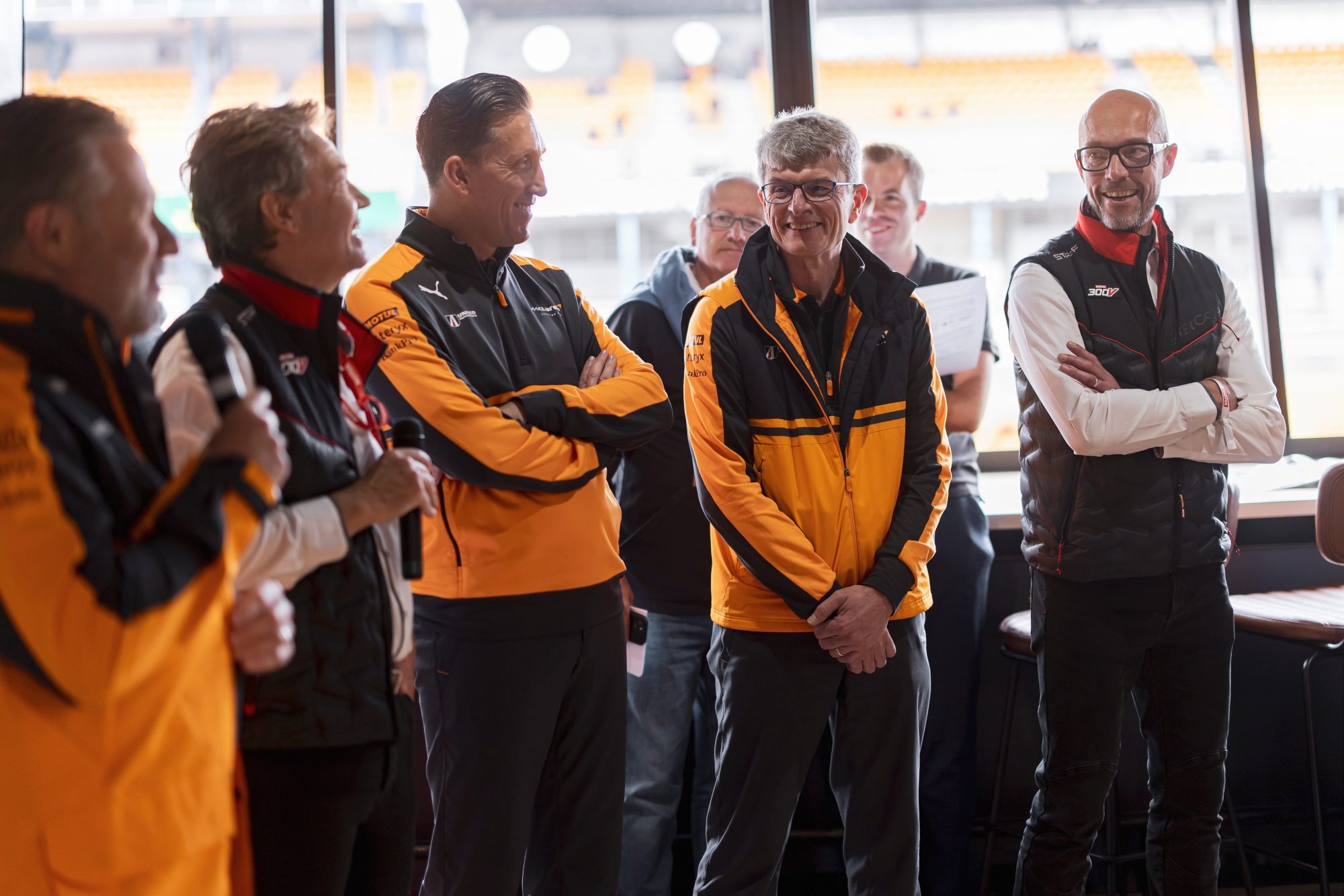
Motul’s commitment to the WEC, coupled with McLaren’s participation in this series, signifies a strategic move to broaden the application of their jointly developed technologies. The data gathered from these gruelling endurance races will provide invaluable insights into the long-term durability and performance of the bespoke lubricants, further validating their efficacy and contributing to the continuous improvement of Motul’s product offerings for both professional racing and road-going vehicles.
Supporting Data and Technical Considerations
The development of a bespoke lubricant for Formula 1 and endurance racing involves intricate chemical engineering. Key performance indicators that Motul and McLaren meticulously monitor include:

- Viscosity Index: This measures how much the viscosity of a lubricant changes with temperature. A high viscosity index indicates that the lubricant’s viscosity remains relatively stable across a wide temperature range, crucial for both extreme cold starts and high-temperature racing conditions.
- Shear Stability: In high-performance engines and transmissions, components move at extremely high speeds, subjecting the lubricant to immense shear forces. Shear stability ensures that the lubricant’s molecular structure remains intact, preventing a loss of viscosity and protective film strength.
- Thermal and Oxidative Stability: Race engines operate at exceptionally high temperatures, which can degrade lubricants over time, leading to sludge formation and reduced performance. Excellent thermal and oxidative stability ensures the lubricant can withstand these conditions without breaking down.
- Friction Reduction: As Plet highlighted, a primary goal is to reduce friction losses. This directly translates to more power reaching the wheels and improved fuel efficiency, both critical in motorsport. Advanced additive packages, including friction modifiers, play a vital role here.
- Wear Protection: The relentless mechanical forces within racing engines and transmissions necessitate superior anti-wear properties. This is achieved through specialized additives that form protective layers on metal surfaces, preventing direct metal-to-metal contact.
The validation process for these lubricants is rigorous. It involves extensive laboratory testing simulating race conditions, followed by real-world application in testing and, ultimately, competitive racing. The data collected from telemetry, oil analysis, and component inspections provides a comprehensive picture of the lubricant’s performance and durability.
Timeline and Future Implications
The partnership between Motul and McLaren Racing officially cemented their lubricant supply agreement for McLaren’s Formula 1 cars starting in 2026. This indicates a forward-looking strategy, aligning with anticipated changes in Formula 1 regulations and powertrain technologies. The subsequent addition of their World Endurance Championship supercars in 2027 signals a clear intent to leverage this specialized knowledge across multiple high-stakes motorsport platforms.
The implications of this collaboration extend beyond the racetrack. Motul’s consistent promise has been to offer customers the very same products that meet the highest standards of quality and reliability demanded by top racing teams. This means that advancements developed for Formula 1 and WEC are likely to trickle down into Motul’s consumer product lines, offering everyday drivers access to cutting-edge lubrication technology. This democratization of motorsport-derived innovation benefits a wider automotive ecosystem, promoting enhanced performance, efficiency, and longevity in passenger vehicles.
Furthermore, the ongoing evolution of the formulations in line with F1 car development suggests a commitment to continuous improvement. As F1 engines and hybrid systems become more complex and efficient, the demands on lubricants will undoubtedly increase. Motul’s proactive approach, working hand-in-hand with McLaren, ensures they remain at the forefront of lubricant technology, ready to meet these future challenges. This strategic alliance solidifies Motul’s position as a key innovator in the high-performance lubricant sector and reinforces McLaren’s commitment to optimizing every facet of their racing operations. The synergy between these two powerhouses promises to yield lubricants that not only keep them on top of the competition but also push the boundaries of automotive fluid technology for years to come.