
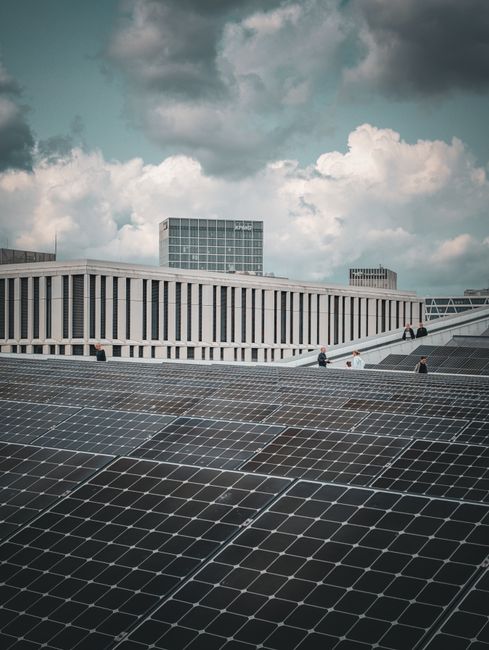
Solar Panels: Art, Dutch Startups, and European Innovation.
The integration of art and solar energy represents a burgeoning frontier in renewable technology and urban aesthetics. Beyond their primary function of energy generation, solar panels are increasingly being reimagined as canvases, transforming functional infrastructure into vibrant artistic statements. This movement is particularly active within European startup ecosystems, with Dutch companies at the forefront of this innovative intersection. These ventures are not merely developing more efficient solar cells; they are pioneering methods to embed artistic expression directly into photovoltaic (PV) technology, addressing both the environmental imperative of clean energy and the human desire for aesthetically pleasing surroundings. The concept moves beyond simply placing art near solar farms; it involves the very fabric of the panels themselves becoming artistic elements. This paradigm shift is driven by a confluence of factors: growing public acceptance of solar power, increasing governmental support for green initiatives, and a heightened awareness of the importance of sustainable urban design. European startups, with their agility and focus on niche markets, are well-positioned to capitalize on this trend, offering bespoke solutions that blend cutting-edge PV technology with artistic vision.
Dutch startups are proving to be exceptionally innovative in this domain, leveraging their country’s strong tradition in both design and renewable energy. The Netherlands, a nation with limited landmass but a high population density, has long been a leader in maximizing its spatial resources, including the integration of renewable energy into its built environment. This pragmatic approach naturally lends itself to exploring how solar panels can be more than just utilitarian objects. Companies are experimenting with a variety of artistic integrations, ranging from printing intricate designs and patterns onto the surface of solar panels to developing custom-shaped panels that can be incorporated into architectural features. The goal is to move away from the monolithic, often visually unappealing appearance of traditional solar arrays and create installations that enhance, rather than detract from, the visual landscape. This artistic dimension is crucial for widespread public adoption, especially in urban and residential settings where aesthetics play a significant role in decision-making. Moreover, this approach can unlock new revenue streams for solar manufacturers and installers, as well as create unique selling propositions for building developers and municipalities. The European Union’s ambitious renewable energy targets and supportive policy frameworks further bolster the growth of such specialized startups, encouraging investment and R&D in novel solar applications.
One key area of innovation lies in the development of colored or patterned solar panels. Traditional silicon-based solar cells are inherently dark, often black or deep blue. However, advancements in materials science and manufacturing techniques are enabling the creation of solar cells that can produce electricity while also displaying a range of colors and designs. This is achieved through various methods, including the use of quantum dots, organic photovoltaic materials, or thin-film technologies that allow for greater flexibility in design. Dutch startups are actively exploring these avenues. For example, some are developing printing technologies that can deposit intricate patterns and even photographic images onto the surface of PV modules without significantly compromising their energy conversion efficiency. This opens up possibilities for solar panels to mimic natural materials, display abstract art, or even carry branding and informational graphics, all while generating clean electricity. The aesthetic potential is vast, allowing solar installations to become integral parts of architectural facades, rooftop designs, and even public art installations. This evolution from purely functional to aesthetically integrated PV technology is a significant step towards making solar power a more ubiquitous and desirable element in our built environments.
Beyond surface treatments, another significant area of artistic integration involves the form factor of solar panels. Startups are moving beyond the standard rectangular module to design and manufacture solar panels in a variety of shapes and sizes. This allows them to be seamlessly integrated into existing architectural elements or to create entirely new design possibilities. Imagine solar shingles that blend perfectly with traditional roofing materials, solar facades that emulate the look of natural stone or wood, or even solar sculptures that serve as both public art and energy generators. Dutch companies are at the forefront of this architectural integration. They are collaborating with architects, designers, and urban planners to develop bespoke solar solutions that meet specific aesthetic and functional requirements. This approach requires a deep understanding of both PV technology and material science, as well as a commitment to collaborative design processes. The aim is to make solar energy generation an invisible or even desirable feature, rather than an afterthought. This level of customization and aesthetic consideration is a hallmark of the European startup scene, which often thrives on delivering tailored solutions for complex challenges.
The economic implications of embedding art into solar technology are substantial. By transforming solar panels from purely utilitarian objects into aesthetically valuable assets, startups can command premium pricing, attract diverse investment, and open up new market segments. This is particularly relevant in the context of the built environment, where aesthetic considerations often carry significant weight. Building developers and owners may be more inclined to invest in solar if the technology can enhance the visual appeal of their properties. Furthermore, public art projects that incorporate solar energy generation can serve as powerful educational tools, demonstrating the viability and beauty of renewable energy in a tangible way. This creates a positive feedback loop, fostering greater public engagement and accelerating the adoption of solar power. The European market, with its strong emphasis on design, sustainability, and the circular economy, provides fertile ground for these economically innovative ventures.
The role of European startups in driving this innovation cannot be overstated. Compared to larger, established corporations, startups possess greater agility and a willingness to take risks on novel technologies and business models. This allows them to explore niche markets and develop specialized solutions that might be overlooked by mainstream players. The collaborative spirit within the European startup ecosystem also plays a crucial role. Companies often partner with research institutions, universities, and other startups to share knowledge, co-develop technologies, and bring new products to market more efficiently. This interconnectedness fosters rapid innovation and allows for the scaling of complex solutions. Furthermore, the strong policy support for renewable energy within the EU, including funding programs and regulatory frameworks, provides a conducive environment for these startups to thrive.
SEO considerations for this niche are critical for visibility. Keywords such as "artistic solar panels," "designer solar modules," "custom solar solutions," "architectural PV integration," "Dutch solar innovation," and "European renewable energy startups" are vital for attracting relevant organic traffic. Content should focus on showcasing successful projects, highlighting the technological advancements, and explaining the benefits of aesthetic solar integration for various stakeholders, including homeowners, businesses, architects, and urban planners. The use of high-quality imagery and case studies will further enhance engagement and shareability. Understanding the search intent behind these keywords is crucial; users are likely looking for information about the aesthetics of solar, innovative companies, and the practical applications of these technologies.
The technological challenges in creating artful solar panels are significant but are being steadily overcome. Achieving vibrant colors or intricate patterns without substantial loss of energy conversion efficiency is a primary concern. Researchers and engineers are exploring various photovoltaic materials, including perovskite solar cells, dye-sensitized solar cells (DSSCs), and organic photovoltaics (OPVs), which offer greater flexibility in color and transparency compared to traditional silicon. The longevity and durability of these artful coatings and materials under varying environmental conditions also require rigorous testing. Ensuring that the artistic elements do not degrade over time or negatively impact the performance of the solar cells is paramount for long-term commercial viability. European startups are investing heavily in R&D to address these technical hurdles, often collaborating with leading academic institutions.
Furthermore, the integration of these artistic solar solutions into existing building codes and regulations presents another area of focus. While many European countries are actively promoting renewable energy, specific guidelines for aesthetically integrated PV systems might still be evolving. Startups need to work closely with regulatory bodies to ensure their products meet safety standards and can be easily integrated into permitting processes. This often involves demonstrating the performance and safety of their novel materials and manufacturing techniques. The push for standardization in these emerging technologies will be a key factor in their broader market adoption.
The future of solar panels extends far beyond mere energy generation. As technology advances and artistic sensibilities intertwine with functional design, we are witnessing a transformation of what solar power can be. Dutch and broader European startups are leading this charge, demonstrating that clean energy can be both beautiful and beneficial. They are not only contributing to a more sustainable future but also enriching our urban landscapes and challenging our perceptions of what is possible in the realm of renewable technology. The journey from purely functional to aesthetically integrated solar solutions is well underway, promising a future where our energy infrastructure is as visually appealing as it is environmentally responsible. The ongoing dialogue between art, design, and engineering within these dynamic European ecosystems will undoubtedly continue to yield groundbreaking innovations in the years to come. The market for these specialized solar solutions is poised for significant growth as awareness increases and technological hurdles are progressively overcome, driven by a demand for solutions that are both high-performing and visually harmonious.
