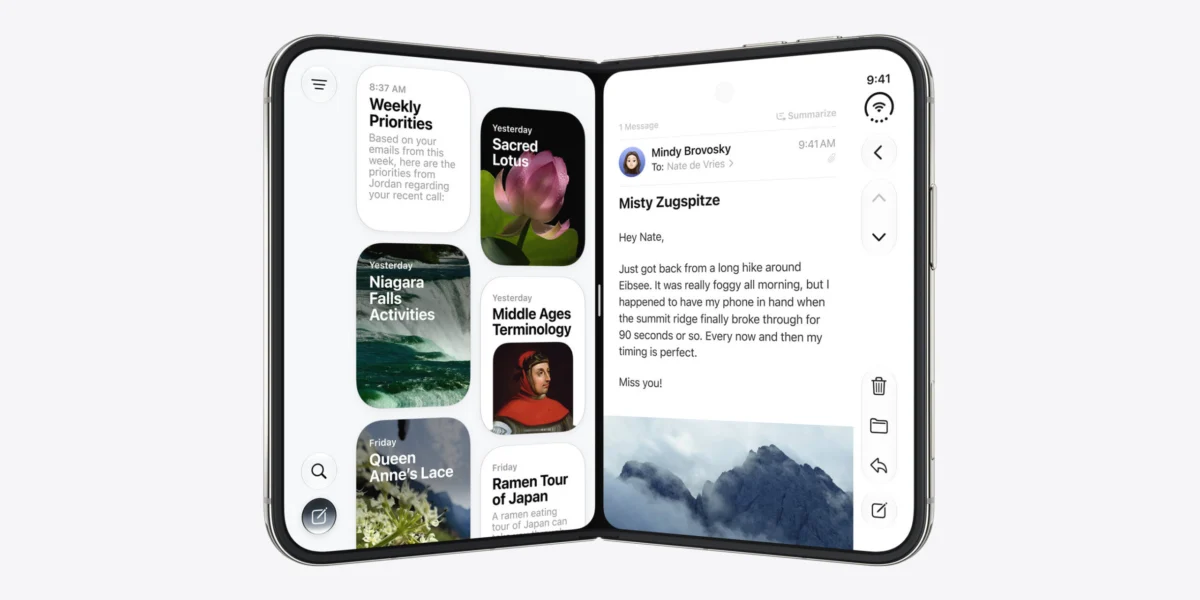
The long-awaited entry of Apple into the foldable smartphone segment has finally materialized with the debut of the iPhone Duo. While the device does not represent a radical departure from the established form factors pioneered by competitors, its arrival signifies a pivotal moment for the industry. By refining existing foldable technology, Apple has validated a hardware category that has spent years in the experimental phase, effectively resetting consumer expectations and placing pressure on Android manufacturers to iterate more aggressively on their own offerings.
A Chronology of the Foldable Evolution
The journey to the iPhone Duo began long before its formal announcement. The foldable market trace its roots back to the late 2010s, with early prototypes from various manufacturers highlighting the fragility of flexible OLED panels.
In 2019, the market saw the launch of the Samsung Galaxy Fold, which served as the first major attempt at a commercially available folding device. Despite initial durability concerns, the device sparked a new trend in mobile engineering. Throughout 2020 and 2021, competitors such as Motorola, Huawei, and Google joined the fray, focusing on different hinge mechanisms and screen ratios. Google’s entry into the space, the Pixel Fold, signaled a shift toward more functional, book-style foldables that prioritized software optimization and multi-tasking.
Apple’s path was notably more cautious. Throughout the early 2020s, industry analysts and supply chain leaks suggested that Apple was prioritizing the refinement of hinge durability and screen crease reduction before committing to a commercial product. The "iPhone Duo" project remained a subject of intense speculation, with patents surfacing as early as 2022 detailing flexible display technologies and sophisticated structural hinges. Its eventual launch in late 2026 confirms that Apple favored a "late-mover" strategy, observing the pitfalls of its rivals before entering with a matured, highly polished hardware ecosystem.
Technical Specifications and Design Philosophy
The iPhone Duo arrives with a design language that feels distinctly Apple. Unlike the aggressive, experimental aesthetic seen in early Android foldables, the Duo focuses on structural integrity. The hinge mechanism utilizes a multi-link design that allows the device to lie completely flat when unfolded—a feature that has been a point of contention for many competing devices that struggle with gaps.
The display technology incorporates an Ultra-Thin Glass (UTG) layer, further reinforced by a specialized polymer coating to mitigate the long-term wear associated with repeated folding. From a hardware perspective, the device is powered by the latest iteration of the A-series silicon, optimized specifically to handle the thermal demands of a dual-screen multitasking environment.
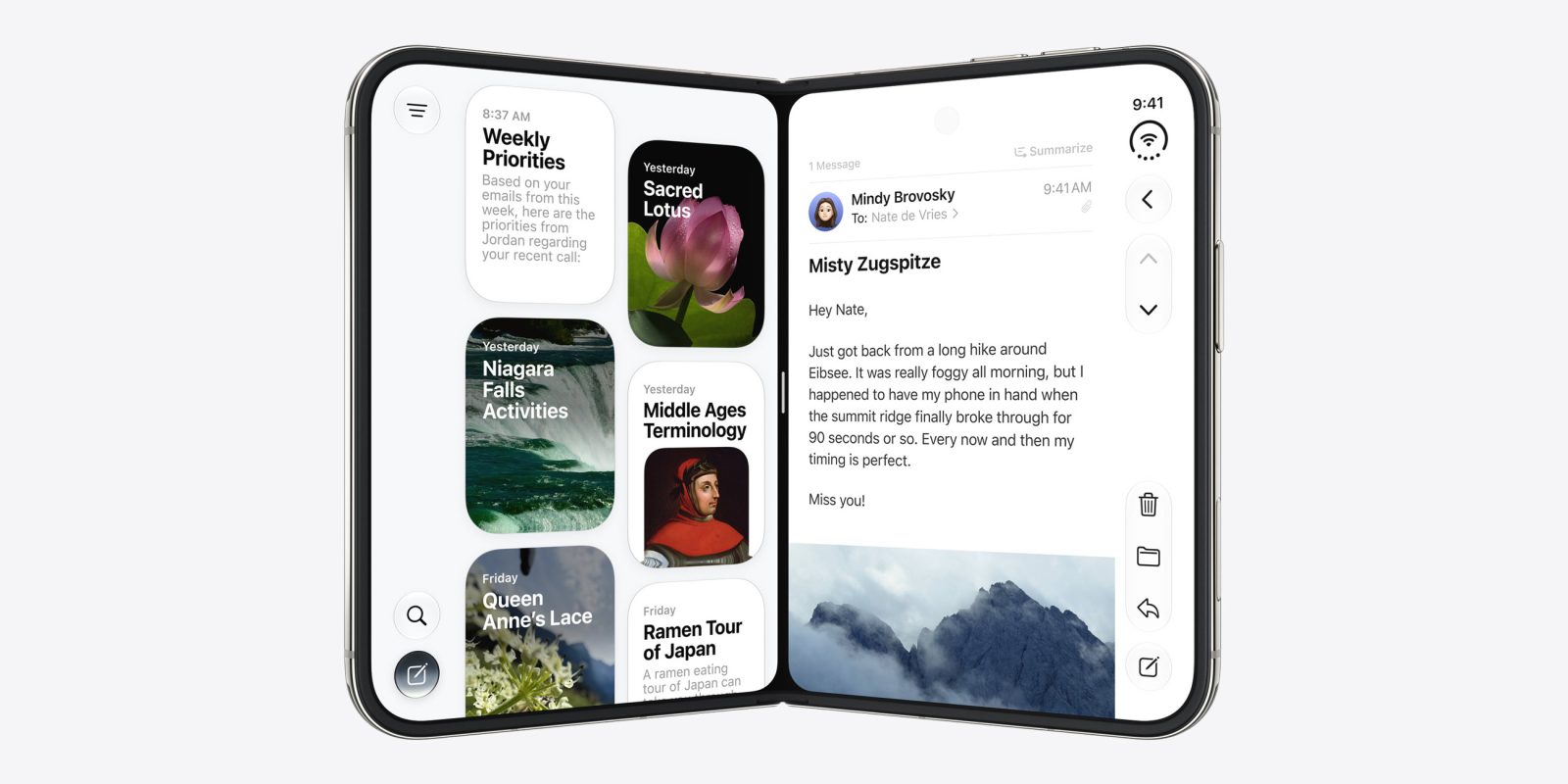
Data from the initial launch reveals that Apple has prioritized screen brightness and color accuracy, utilizing a bespoke LTPO OLED panel that adjusts its refresh rate dynamically between 1Hz and 120Hz. The integration of iOS for foldable hardware is perhaps the most significant aspect of the device. Apple has introduced a specialized multitasking interface, allowing users to run two full-sized apps side-by-side with seamless drag-and-drop functionality, a feature that feels native rather than ported.
Market Data and Competitive Analysis
The foldable smartphone segment has been characterized by steady, if not explosive, growth. According to industry tracking reports from the past three years, foldable shipments have grown at a compound annual growth rate (CAGR) of approximately 25%. However, until now, foldables remained a niche category, accounting for less than 5% of the total global smartphone market.
The entry of the iPhone Duo is projected to catalyze mass-market adoption. Historically, when Apple enters a new hardware category—as seen with the Apple Watch and the iPad—the market tends to expand rapidly. Competitors like Samsung and Google have already established a foundation, but the "Apple Effect" is expected to bring foldable hardware into the mainstream consciousness for consumers who have previously been wary of the durability and price point of early-generation foldables.
Pricing for the iPhone Duo places it in the ultra-premium tier, positioning it as a direct competitor to high-end flagship devices. This pricing strategy suggests that Apple is not looking to displace its own traditional iPhone line but rather to create a secondary, premium ecosystem for power users.
Industry Reactions and Expert Commentary
Initial industry feedback has been balanced. While some critics note that the device does not introduce a revolutionary new hinge or a screen-wrapping display, others praise the execution of existing concepts.
"Apple has effectively done what it does best: it didn’t invent the foldable, but it has defined the standards for it," noted one senior analyst at a technology research firm. "The focus on a gap-less hinge and a crease-resistant display demonstrates that they have learned from the five-year trial-and-error period of the Android ecosystem."
Android manufacturers have largely responded with a focus on their own roadmaps. Samsung and Google, both of which have developed robust software suites for foldables, are now under pressure to further refine their multitasking capabilities. The consensus among engineers is that the iPhone Duo will force a standardisation of software interaction across the industry, as developers will now be heavily incentivized to optimize applications for the foldable form factor, given the sheer size of the iOS user base.

Broader Implications for the Smartphone Ecosystem
The implications of the iPhone Duo extend far beyond hardware. The release represents a maturation of the smartphone market. For years, the industry has struggled with "innovation fatigue," where incremental updates to camera sensors and processor speeds failed to drive significant consumer excitement. The foldable form factor offers a tangible, functional utility that changes the way users interact with their devices—specifically regarding productivity, media consumption, and creative work.
Furthermore, the iPhone Duo forces a conversation about the integration of hardware and software. Apple’s ability to leverage its tightly controlled ecosystem allows for a level of consistency that has been difficult for the fragmented Android ecosystem to replicate. If the Duo succeeds in the coming quarters, it will likely accelerate the transition of the "standard" smartphone toward more flexible, high-utility form factors.
The Future of the Foldable Landscape
Looking forward, the success of the iPhone Duo will be measured by two metrics: long-term hardware durability and software ecosystem adoption. Apple has a reputation for supporting its devices for years, and the Duo will be the first foldable tested against the rigors of multi-year ownership by a massive consumer base.
For the Android side of the conversation, the competition is no longer about who can fold first, but who can provide the most stable and useful experience. Manufacturers are expected to accelerate the development of "rollable" or "tri-fold" technologies to stay ahead of the curve. However, in the immediate future, the battleground will be in software optimization and the refinement of the user interface.
The iPhone Duo is not just a phone; it is a declaration that the era of the static, rectangular screen is entering its twilight. By entering the market, Apple has provided the necessary stamp of approval for a technology that was previously seen as an expensive experiment. As the industry moves toward 2027 and beyond, the influence of this device will likely be seen in the hardware design of every major smartphone manufacturer, marking a permanent shift in mobile technology architecture.
For the average consumer, the choice between a traditional slate and a foldable device is now a legitimate, mainstream consideration. As production costs eventually scale down, the lessons learned from the development of the iPhone Duo will trickle down into mid-range devices, effectively democratizing the foldable experience. The journey that began in the experimental labs of the late 2010s has reached its first major milestone, and the smartphone industry will be fundamentally different for it.