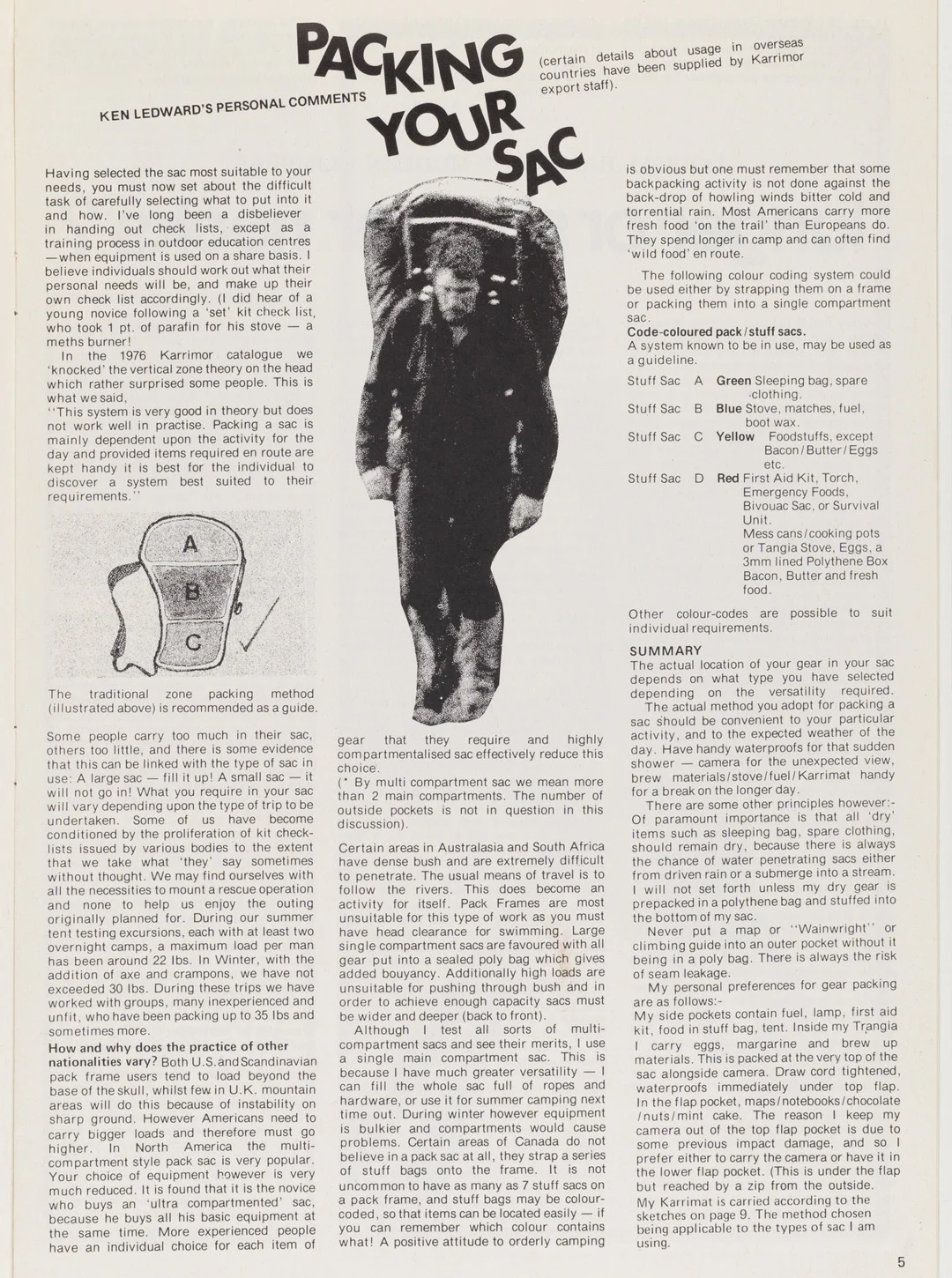
Few contemporary consumers recognize the name Karrimor, yet the British enterprise once stood at the absolute vanguard of global mountaineering equipment. The brand’s history is inextricably linked to the radical evolution of British alpinism during the mid-20th century. Born from economic devastation, personal adversity, and a profound passion for cycling, Karrimor evolved from an attic-based cottage industry into a pioneering titan of outdoor gear. Its trajectory offers a compelling study in industrial resilience, working-class athleticism, and the shifting dynamics of the global manufacturing landscape.
Roots in the Great Depression and Wartime Adversity
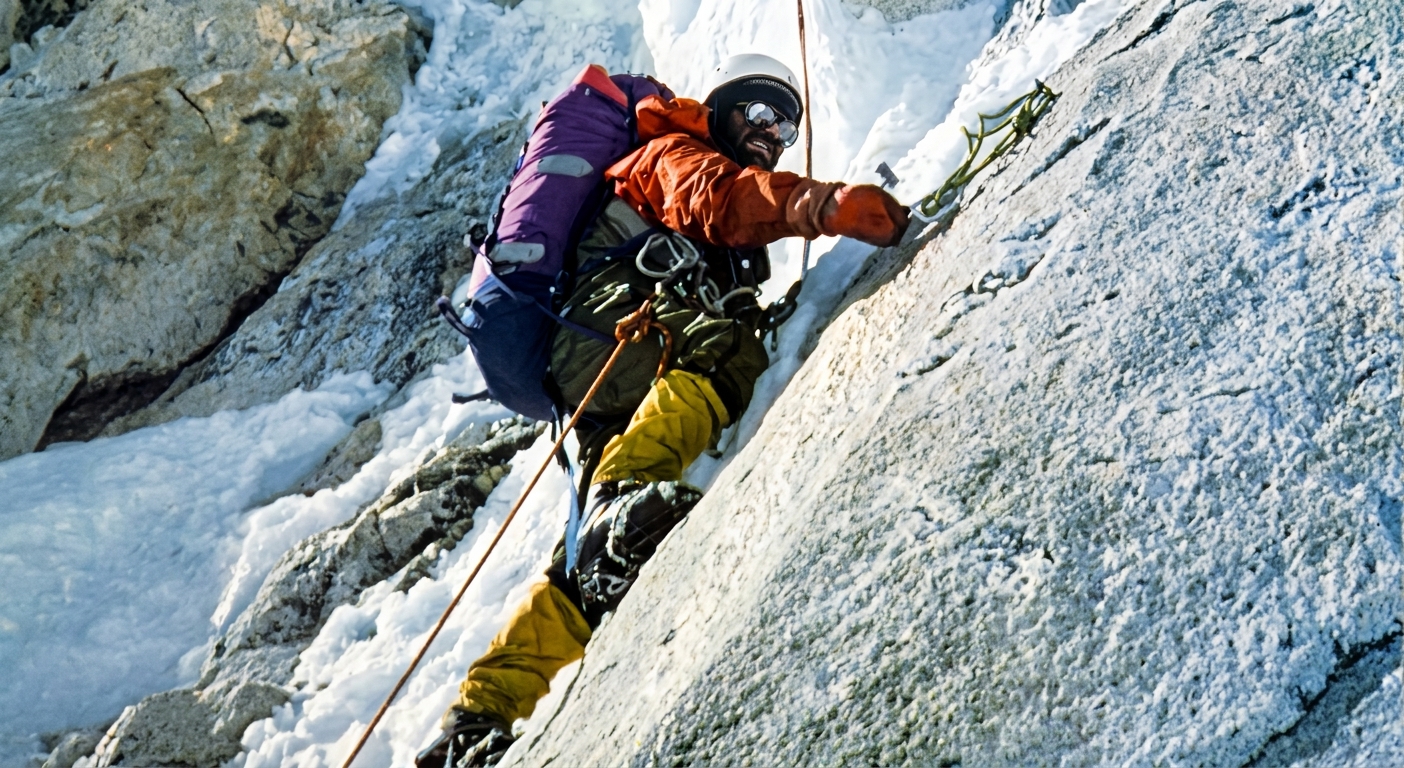
The genesis of Karrimor dates back to the depths of the 1930s Great Depression in Lancashire, England. The region, historically renowned for its dominant cotton textile industry, suffered staggering blows as mass unemployment and destitution gripped the UK. Amidst this bleak economic backdrop, Charles Parsons—a cycling enthusiast equipped with fierce determination—sought a path toward self-reliance. In the mill town of Waterfoot, Parsons partnered with a fellow cycling devotee to establish a modest bicycle repair shop. The arrangement required Parsons to toil late into the evening after his partner completed daytime shifts.
This fragile partnership dissolved when a customer reported finding the shop routinely closed during morning hours. Unwilling to bear the consequences of his partner’s absenteeism, Parsons struck out on his own, opening a competing repair shop mere doors away. This early display of autonomy established a foundational ethos for the Parsons family: uncompromising independence, meticulous craftsmanship, and absolute dedication to product integrity.
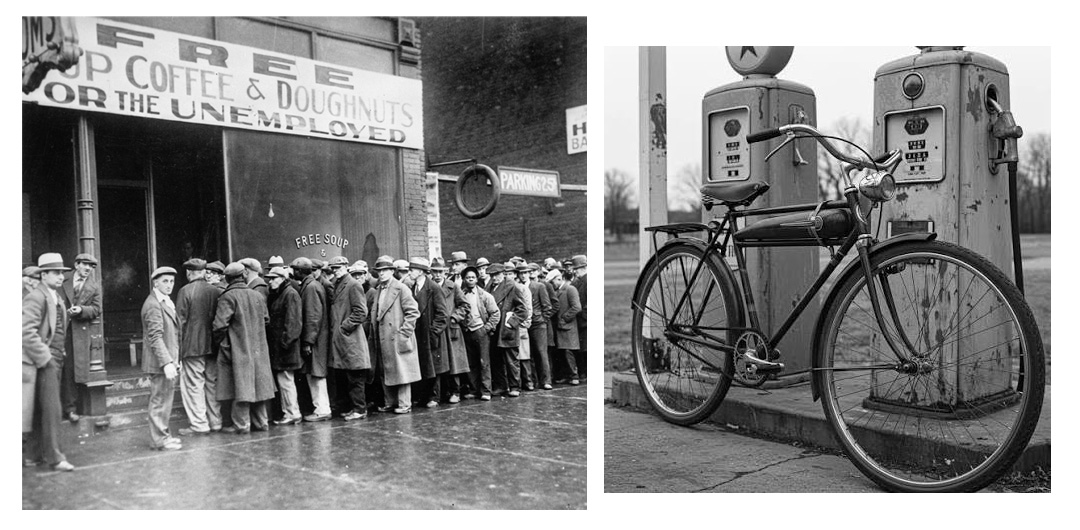
The outbreak of World War II introduced severe new challenges, compounded by a tragic personal accident. While working late in his workshop, Parsons suffered a severe injury when hydrochloric acid splashed into his eyes. Years later, during the height of the Blitz, he traveled to London in hopes of receiving corrective surgery. However, German air raids forced surgeons to halt the procedure midway, permanently compromising his vision and initiating a decade-long medical ordeal that would eventually lead to total blindness by the 1950s.
Confronted with severe wartime shortages of consumer goods, Charles and his wife Mary chose pragmatism over despair. Utilizing readily available materials, they resolved to manufacture what the market could no longer supply.
Chronology of Evolution: From Bicycle Panniers to Alpinism
The transition from a local repair shop to a premier outdoor outfitter followed a distinct historical timeline:
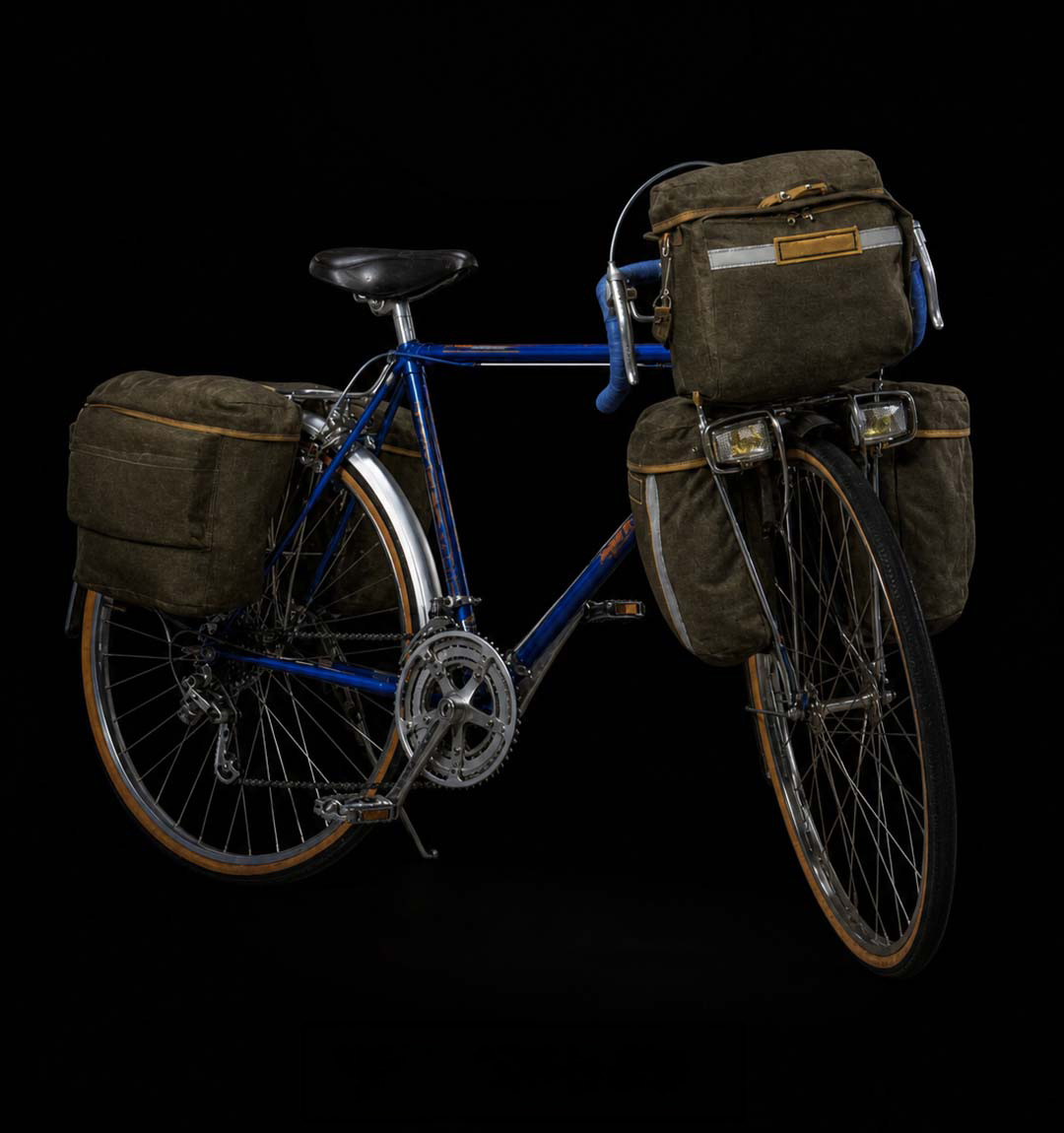
- 1940–1945: Mary Parsons and her sister Grace, both skilled seamstresses, begin hand-sewing bicycle panniers and saddlebags using durable cotton-duck cloth in the attic above the Waterfoot shop.
- 1946: Karrimor is formally established as a brand name—derived intentionally from the phrase "carry more." The company successfully competes with established brands like Dunlop and Carradice in the post-war transport sector.
- Late 1950s: The post-war surge in automobile ownership and public interest in walking causes a precipitous decline in cycling. Simultaneously, the historic 1953 Everest ascent and the founding of the British Mountaineering Council (BMC) in 1944 catalyze a boom in working-class climbing. Karrimor pivots away from cycling gear toward custom mountaineering packs.
- 1960s: Under the burgeoning leadership of Charles and Mary’s son, Mike Parsons, Karrimor becomes a central hub for the UK’s "Vector Generation" of blue-collar alpinists. Mike invents the revolutionary Karrimat sleeping pad.
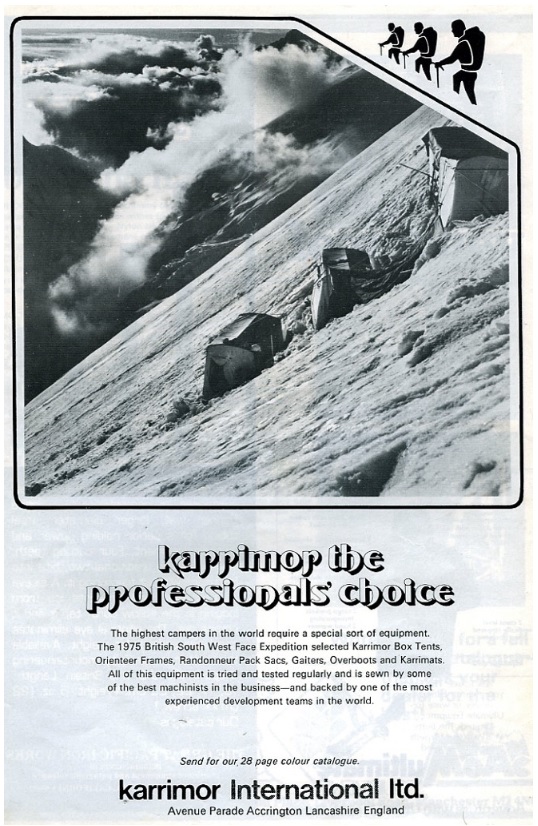
- 1975: Karrimor equipment reaches the summit of Mount Everest, featured prominently on Chris Bonington’s historic Southwest Face expedition and Japanese mountaineer Junko Tabei’s pioneering ascent.
- 1996: Mike Parsons departs the company amidst escalating financial pressures from low-cost Asian manufacturing imports.
- 2004: Karrimor enters administration and is subsequently acquired by Sports Direct, pivoting its UK retail model toward entry-level consumer goods, while its Japanese licensee maintains elements of its heritage design ethos.
The Pivot to Mountaineering and the "Vector Generation"
By the late 1950s, the economic landscape that had sustained Karrimor’s bicycle luggage line had vanished. The widespread adoption of automobiles diminished the utility of bicycle panniers, while cultural shifts opened up mountaineering and skiing to the British working classes. Influenced by post-war outdoor education initiatives in schools and the monumental 1953 British conquest of Mount Everest, thousands of everyday citizens turned their sights toward the nation’s crags and peaks.
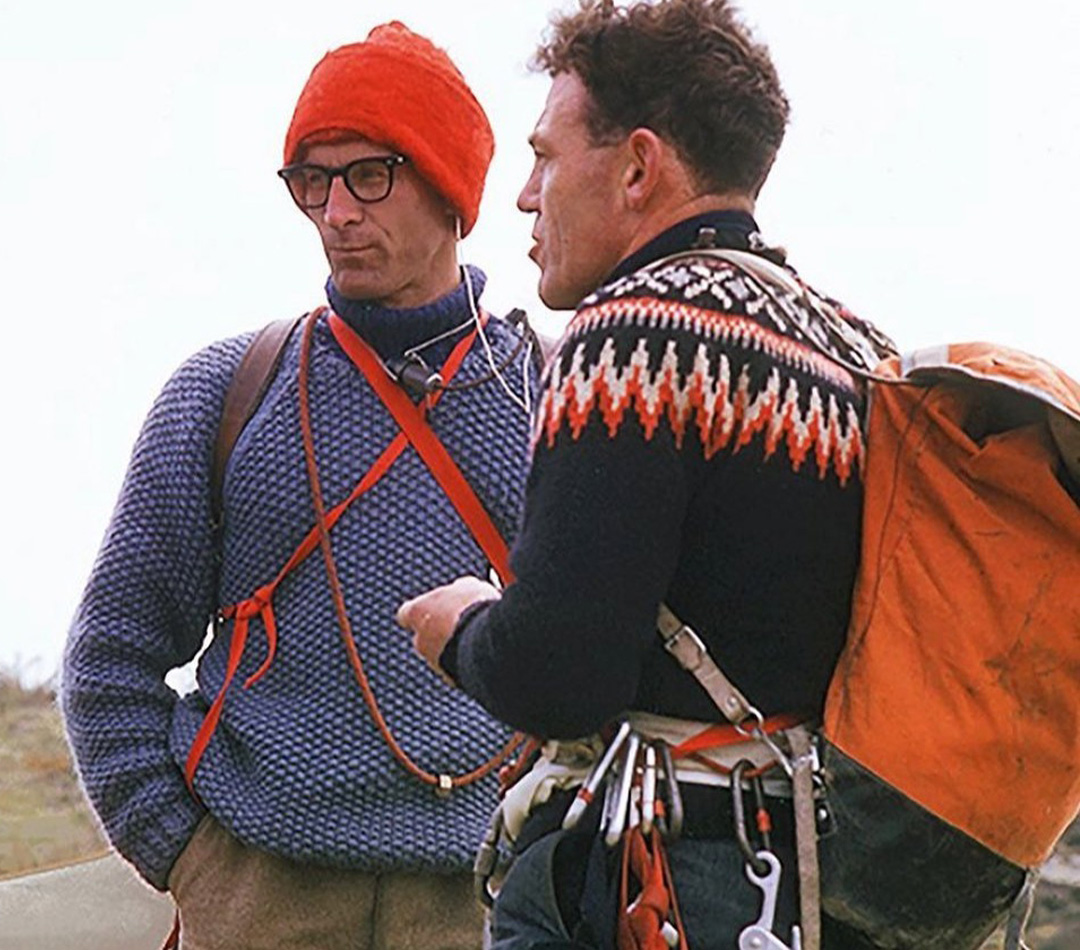
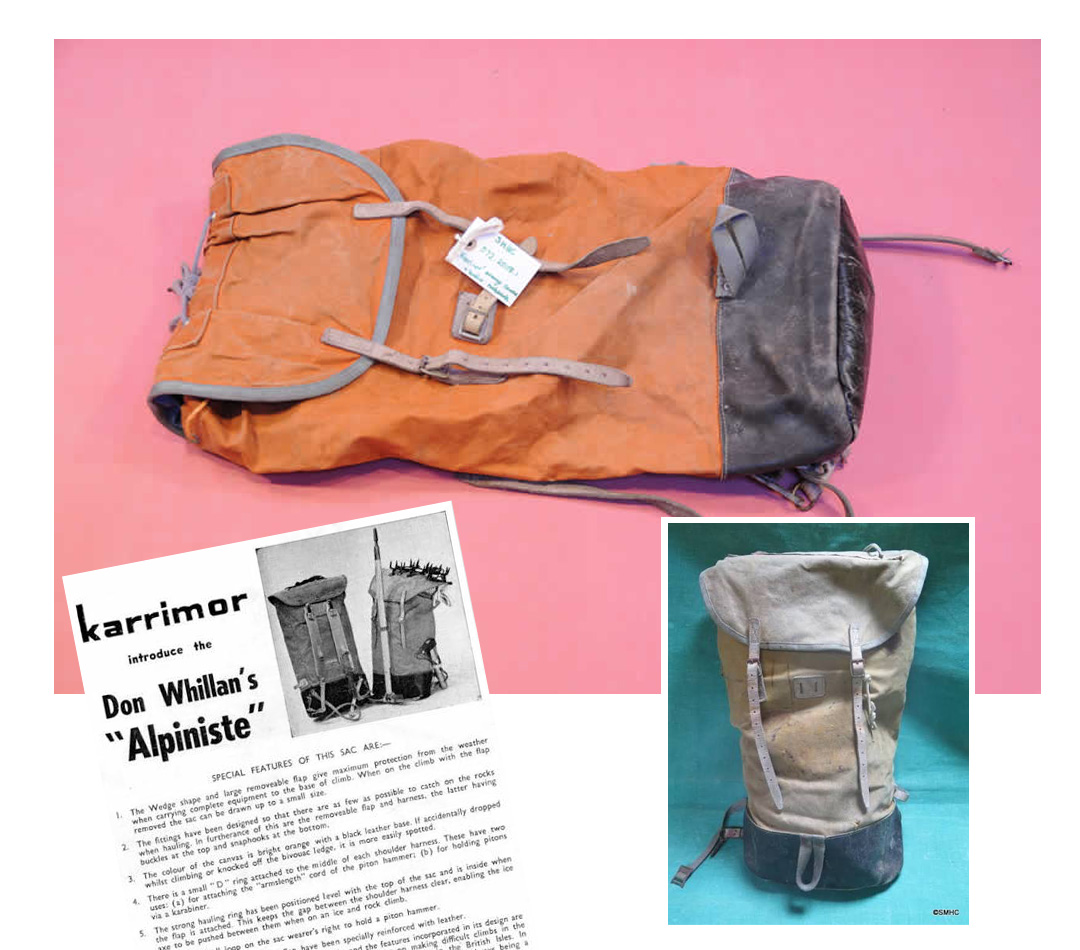
Seizing upon a French-inspired camping boom enabled by newly introduced paid leave policies, Mary and Grace Parsons began fielding requests for specialized gear. Working-class mountaineers, priced out of elite traditional outdoor clubs, trickled into the Waterfoot shop seeking bespoke equipment. Among the earliest luminaries was legendary mountaineer Don Whillans, who requested a custom pack modeled after one previously manufactured for climbing partner Joe Brown.
This interaction marked the dawn of Karrimor’s rucksack era, coinciding directly with the golden age of British climbing—an era characterized by the "Vector Generation." Between 1960 and 1990, these working-class athletes utilized raw athleticism and functional gear to conquer unprecedented alpine routes, completely transforming mountaineering from an exclusive gentleman’s pastime into an accessible sport.
Product Innovation and Collaborative Design
Mike Parsons entered the family business in his late teens, spending formative months working machinery on the shop floor. Eschewing traditional, isolated design boards, Parsons immersed himself in the alpine community. He forged direct relationships with trailblazing climbers, treating them not merely as sponsored athletes, but as active co-designers.
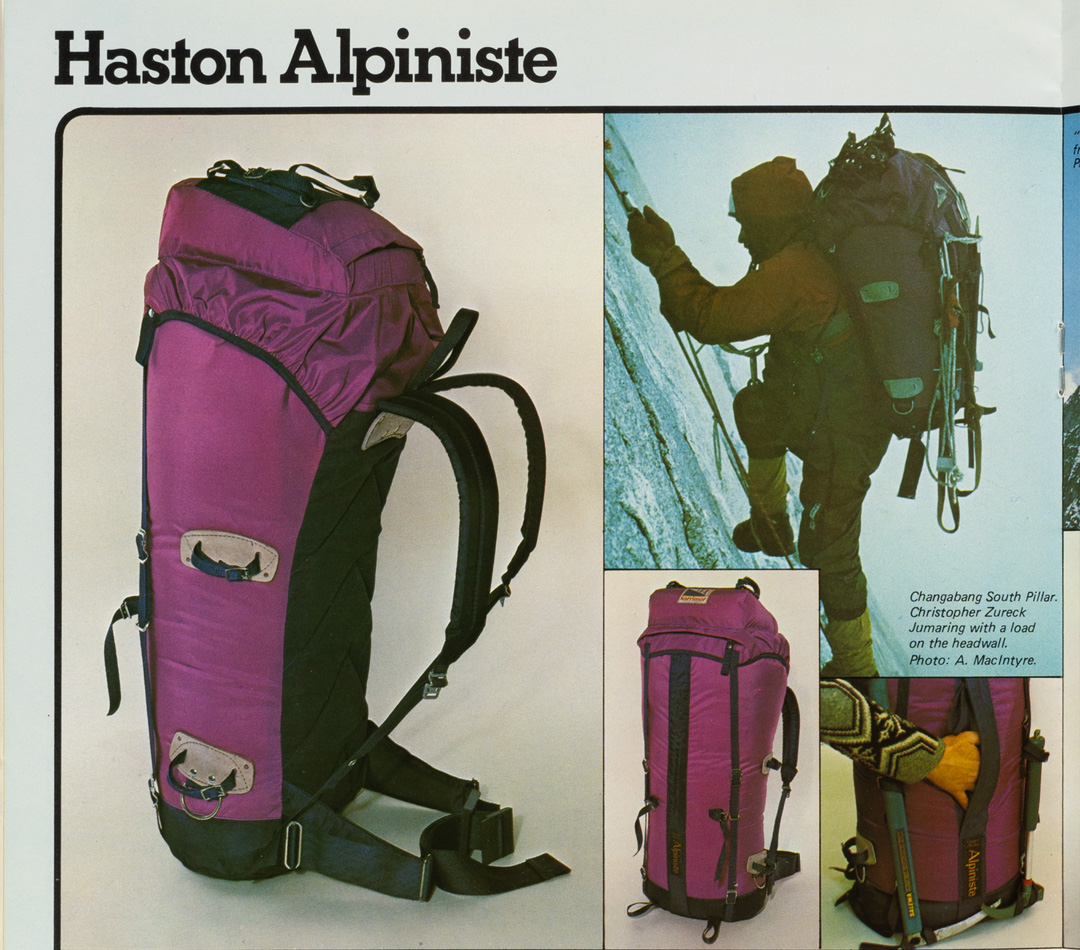
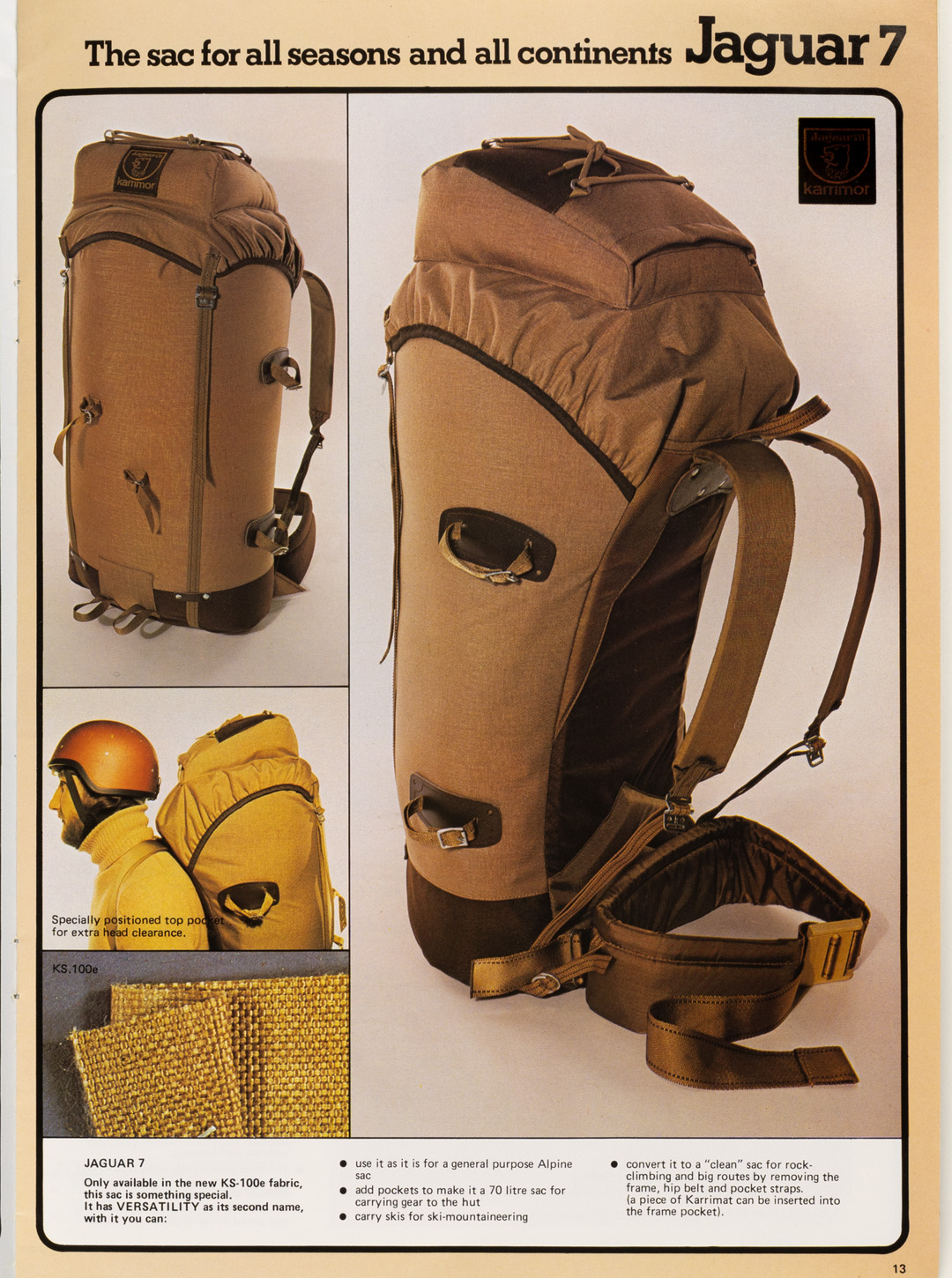
This collaborative approach yielded iconic, industry-defining equipment. At Whillans’ request, Karrimor developed the Whillans Alpiniste backpack—a streamlined, 1300-gram canvas-and-suede pack tailored specifically for technical climbers. This was later superseded in the 1970s by the Haston Alpiniste rucksack, engineered alongside Scottish mountaineer Dougal Haston. Constructed from ultra-durable Cordura nylon, featuring twin ice-axe loops, an extended snow collar, and an integrated removable sleeping mat/back pad, the Haston pack established a new global benchmark for lightweight alpine carry systems.
In the mid-1960s, Mike Parsons introduced the Karrimat, a closed-cell foam sleeping pad designed to repel cold and moisture. The product achieved such ubiquitous market penetration that "Karrimat" entered colloquial lexicon as the generic term for any foam camping roll-pad, much like "Hoover" became synonymous with vacuum cleaners.
Furthermore, Karrimor capitalized on Lancashire’s deep-rooted textile heritage—which had processed three-quarters of the world’s cotton during the 19th century—to pioneer technological advancements in fabric treatment. The company invented KS-100e, an innovative elastomer-nylon polymer-coating process. By applying a silicone and polymer blend over a textured nylon core and pairing it with a fluorocarbon Durable Water Repellent (DWR) finish, Karrimor achieved exceptional water resistance and structural durability without adding unnecessary weight. This proprietary development forced international competitors to spend years attempting replication.
Global Expansion and the Ultimate Decline
The zenith of Karrimor’s international prestige arrived in 1975. Expedition teams led by British mountaineer Chris Bonington utilized Karrimor packs, tents—including the specialized Whillans Box Tent—and gear to successfully conquer the treacherous Southwest Face of Mount Everest. That same year, Japanese climber Junko Tabei relied on a Karrimor pack frame during her historic ascent, becoming the first woman to reach the summit of Everest. These high-profile deployments cemented Karrimor’s reputation as an elite manufacturer capable of surviving the planet’s most punishing environments.
Despite its technical leadership, the brand could not indefinitely withstand macroeconomic shifts. Throughout the 1990s, the outdoor gear market faced a structural disruption driven by the influx of low-cost manufacturing imports from Asia and fierce competition from rival brands such as The North Face and Berghaus.
Mike Parsons officially resigned from the company in 1996. Without its founding leadership and facing mounting financial pressures, Karrimor entered administration in 2004 before being acquired by retail conglomerate Sports Direct (now Frasers Group). While the contemporary UK iteration largely serves the mass-market, entry-level consumer segment, the brand’s historic identity persists internationally—notably through Karrimor Japan, which maintains a cult following by preserving the vintage aesthetic and functional integrity of the label’s golden years.
Industry Implications and Legacy
The trajectory of Karrimor illustrates a broader narrative within the outdoor recreation industry: the transition of technical equipment from artisanal, purpose-built craftsmanship to mass-market consumer goods. The brand’s early reliance on tight-knit feedback loops between manufacturers and end-users established a template for modern outdoor gear development, proving that product reliability under extreme conditions is best achieved through direct field testing and collaborative innovation.
Though original leadership has long since departed, the legacy of Charles, Mary, and Mike Parsons endures within the annals of mountaineering history. Their ability to transform local industrial hardship into global alpine triumph remains a defining chapter in the evolution of modern outdoor exploration.