Riot Games’ highly anticipated League of Legends Classic, a new game mode designed to transport players back to the game’s formative years, has officially launched on the Public Beta Environment (PBE). This experimental mode aims to remix the popular Multiplayer Online Battle Arena (MOBA) by significantly reducing the champion roster and reintroducing a myriad of old builds and character kits primarily from 2013 and earlier, promising a nostalgic return to an era cherished by many veteran players. However, its initial rollout was met with a notably mixed reception, primarily due to an aesthetic discrepancy that quickly sparked widespread community discussion and, ultimately, a rapid response from the developers.
The Genesis of League of Legends Classic: A Nostalgia-Driven Initiative
League of Legends, launched in 2009, has grown into one of the most dominant and enduring titles in competitive gaming history. With millions of concurrent players worldwide, a sprawling esports ecosystem, and a constantly evolving gameplay landscape, the game has undergone countless transformations over its more than fifteen-year lifespan. Champions have been reworked, item systems overhauled, the Summoner’s Rift map visually updated multiple times, and the core gameplay loop refined with new mechanics and strategic layers. While these changes have kept the game fresh and competitive, they have also fostered a persistent yearning among segments of the player base for the "good old days."
The concept of a "classic" version is not unique to League of Legends. Other long-running online games, most notably Blizzard Entertainment’s World of Warcraft, have successfully launched "Classic" servers, tapping into a powerful vein of nostalgia and attracting both former players and new audiences curious about the game’s origins. For many, the appeal lies in simpler mechanics, a different meta-game, and the opportunity to relive personal memories associated with earlier versions of the game. Riot Games, keenly aware of this trend and the consistent community demand, embarked on developing League of Legends Classic as their answer to this call. The goal was not merely to revert to a specific patch but to create a curated experience that captured the essence of League prior to its extensive modernizations, particularly focusing on the pre-Season 4 era when the game’s foundational elements were still largely in place but before major visual and gameplay reworks became commonplace. This meant a significantly smaller champion pool, iconic older item recipes, and a distinct feel that veterans would immediately recognize.
Initial PBE Launch and Immediate Backlash
When League of Legends Classic first became accessible on the PBE, players eagerly jumped in, expecting an authentic step back in time. However, a critical design choice immediately became a point of contention: the mode, by default, utilized modern character models, updated voice work, and contemporary spell effects. The "classic skins" – the visual representations of champions as they appeared in 2013 and earlier – were not the default. Instead, they were presented as unlockable cosmetics, obtainable either through earned in-game tokens or, more controversially, through real money purchases.
This approach diverged sharply from player expectations for a "classic" experience, which largely envisioned a full visual and auditory rollback alongside the gameplay changes. The community quickly voiced its displeasure across various platforms, with Reddit serving as a primary hub for feedback. A prominent thread, titled "League ‘not so’ Classic" by user "prime_desire," rapidly garnered over 6,000 upvotes on the League of Legends subreddit. The sentiment expressed in the post, "honestly I would be embarrassed to release something like this. Charging for Classic Skins is genuinely wild," encapsulated the widespread disappointment. Players argued that the very essence of a "classic" mode implied an authentic historical presentation, not a monetized aesthetic layer. The core appeal of nostalgia, they contended, was diminished if the visual fidelity of the past was locked behind a paywall. The argument was that the classic visuals were not mere "skins" but integral components of the experience being advertised.
Riot’s Swift Course Correction and Developer Dialogue
The intensity and uniformity of the community’s feedback did not go unnoticed by Riot Games. Demonstrating a commitment to listening to its player base, the company initiated a rapid course correction within just a few days of the PBE launch. On July 16, Riot’s Brian "FeralPony" Feeney, a prominent figure within the League of Legends development team, addressed the feedback directly in a video blog shared across official channels.
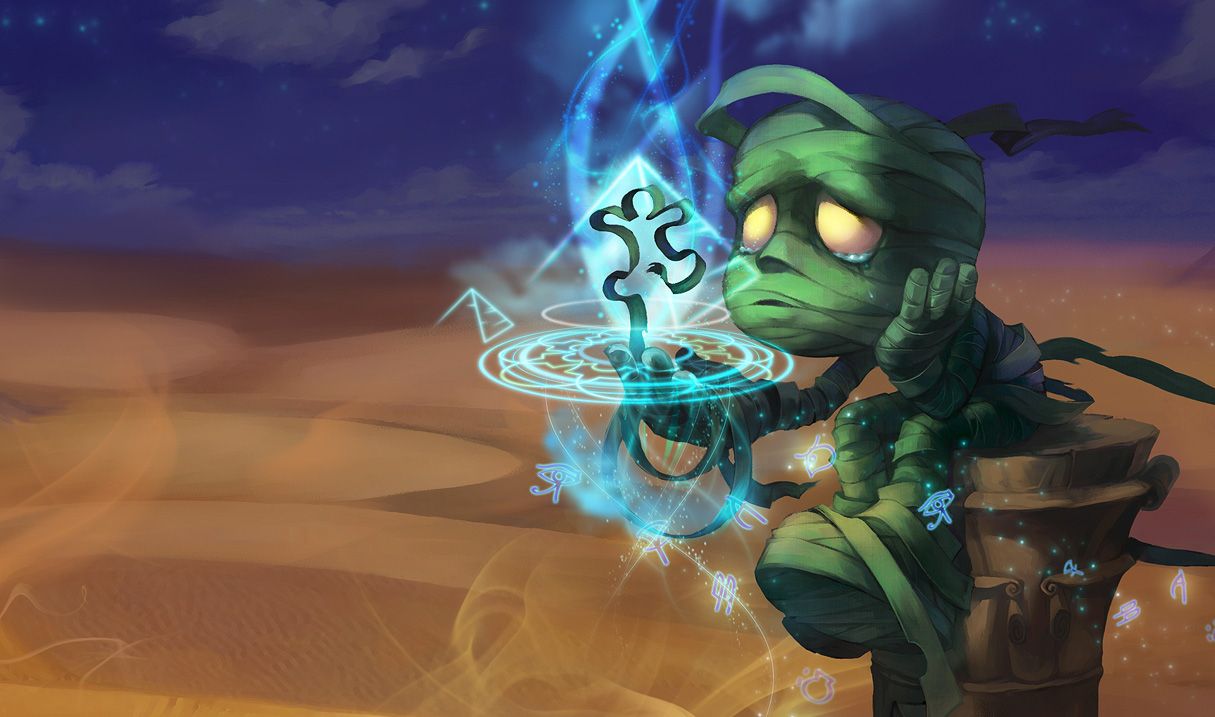
Feeney acknowledged the community’s concerns regarding the classic skins, stating, "Feedback received. If you’re on PBE, you probably already noticed that all classic skins are unlocked for all champions that have one." This immediate change on the PBE saw the classic appearances not only unlocked but also made the default option for their respective champions, effectively replacing their modern counterparts. This pivotal decision signaled Riot’s understanding of the community’s desire for an authentic visual experience without additional financial barriers for core elements.
Beyond the skin controversy, Feeney also took the opportunity to elaborate on another aspect that had drawn critical attention: the mode’s "greatest hits" approach. Instead of committing to a single, specific patch from the game’s history, Riot opted to blend elements from various old patches. This design philosophy was met with some skepticism, as purists often advocate for the preservation of a singular, historically accurate snapshot. Feeney explained that this decision was a direct result of comprehensive player surveys, which revealed a highly fragmented and subjective understanding of what constituted "classic" League of Legends. "The answers were almost identical," he noted, "League was classic the year they started playing, League was best the year after they started, and League was too old before they started." This insight underscored the challenge of catering to a player base with diverse entry points into the game’s long history, making a "greatest hits" compilation a pragmatic approach to cast as wide a net as possible and maximize nostalgic appeal across different player cohorts. He further clarified that this approach would not be static, promising that changes would be made as players vote on new patches once the mode transitions from the PBE to standard servers. This democratic element suggests a dynamic future for League of Legends Classic, allowing the community to shape its evolution.
Further developer insights surfaced on social media, reinforcing Riot’s commitment to visual authenticity. Sirhaian, a Senior VFX artist at Riot Games, shared his personal involvement in the rollback efforts on X (formerly Twitter), humorously noting, "It’s been fun to basically undo my years of work." This statement highlights the significant technical undertaking involved in reverting visual effects and other assets that have been progressively updated over more than a decade. The process is not merely about swapping files but often involves meticulous recreation or retrieval of deprecated assets to ensure a coherent and genuinely "classic" look and feel. This dedication to rolling back the visual clock, even at the cost of undoing years of artistic progress, underscores Riot’s understanding of the fundamental appeal of the classic mode.
Broader Implications and Future Outlook
Riot Games’ swift response to player feedback on League of Legends Classic carries several significant implications. Firstly, it reaffirms the company’s long-standing reputation for being highly responsive to its community, particularly on major releases and new game modes. This agility in addressing critical player concerns helps to foster goodwill and trust, demonstrating that player voices are not only heard but actively influence development decisions. Such responsiveness is crucial for maintaining a healthy relationship with a dedicated, passionate, and often vocal player base.
Secondly, the incident highlights the unique challenges and opportunities presented by nostalgia-driven game modes. While the demand for "classic" experiences is undeniable, defining and delivering that experience authentically can be complex. Players often have deeply personal and varied memories of a game’s past, making a universally satisfying recreation difficult. Riot’s "greatest hits" strategy, while initially questioned, appears to be a well-reasoned compromise designed to appeal to the broadest possible audience, acknowledging that "classic" is a subjective concept. The future player-voting mechanism for patches further empowers the community, turning the mode into a collaborative project between developers and players.
The successful implementation and sustained popularity of League of Legends Classic could have a profound impact on player engagement. It offers a compelling reason for lapsed players to return, reigniting interest among those who may have found the modern game too complex or simply yearned for simpler times. For current players, it provides a fresh alternative, a different flavor of League to enjoy alongside the main game. This diversification of offerings can extend the game’s longevity and appeal to a wider demographic.
From a monetization perspective, Riot will need to tread carefully. Having learned from the initial backlash regarding classic skins, future monetization strategies for the mode will likely focus on new, classic-themed cosmetic content that does not infringe upon the core nostalgic experience. This could include new "legacy" skins, emotes, or ward skins designed to fit the aesthetic of the earlier eras, rather than charging for the fundamental visual rollback.
Ultimately, League of Legends Classic represents more than just a new game mode; it is a significant cultural touchstone for a game that has defined a generation of esports and online gaming. By embracing player feedback and committing to an authentic experience, Riot Games is positioning League of Legends Classic not just as a temporary diversion, but as a potentially enduring fixture that celebrates the game’s rich history while actively involving its community in shaping its future. The journey from initial PBE controversy to community-driven evolution underscores the dynamic relationship between game developers and their dedicated player base in the ever-evolving landscape of online gaming.