






The independent gaming landscape is defined by the tension between creative ambition and financial sustainability, a reality recently underscored by the trajectory of Yacht Club Games. Following a period of significant fiscal uncertainty, the studio behind the iconic Shovel Knight franchise has confirmed that its primary development resources have transitioned to a new, unannounced 3D project. This strategic pivot comes in the wake of the successful launch of Mina the Hollower, an action-adventure title that served as a critical "make-or-break" project for the company.
A Period of Strategic Instability
For years, Yacht Club Games enjoyed the fruits of its massive success with Shovel Knight, a project that transformed the studio from a small team into a prominent indie powerhouse. However, the period between 2020 and 2024 proved testing for the organization. Like many businesses globally, the developer faced the operational challenges of the COVID-19 pandemic, which disrupted workflows and development timelines.
Simultaneously, the studio attempted to evolve its internal structure, experimenting with a multi-project model that allowed different teams to work on separate titles concurrently. According to internal reflections shared by studio leadership, this expansion proved to be an error in judgment. The dilution of focus—splitting the team’s creative and administrative energy across multiple fronts—hindered progress and threatened the studio’s financial footing. By the time the studio reached the final stages of development for its newest title, Mina the Hollower, the company was reportedly in a precarious position, necessitating a return to its roots: a tight-knit, single-focus development pipeline.
The Success of Mina the Hollower
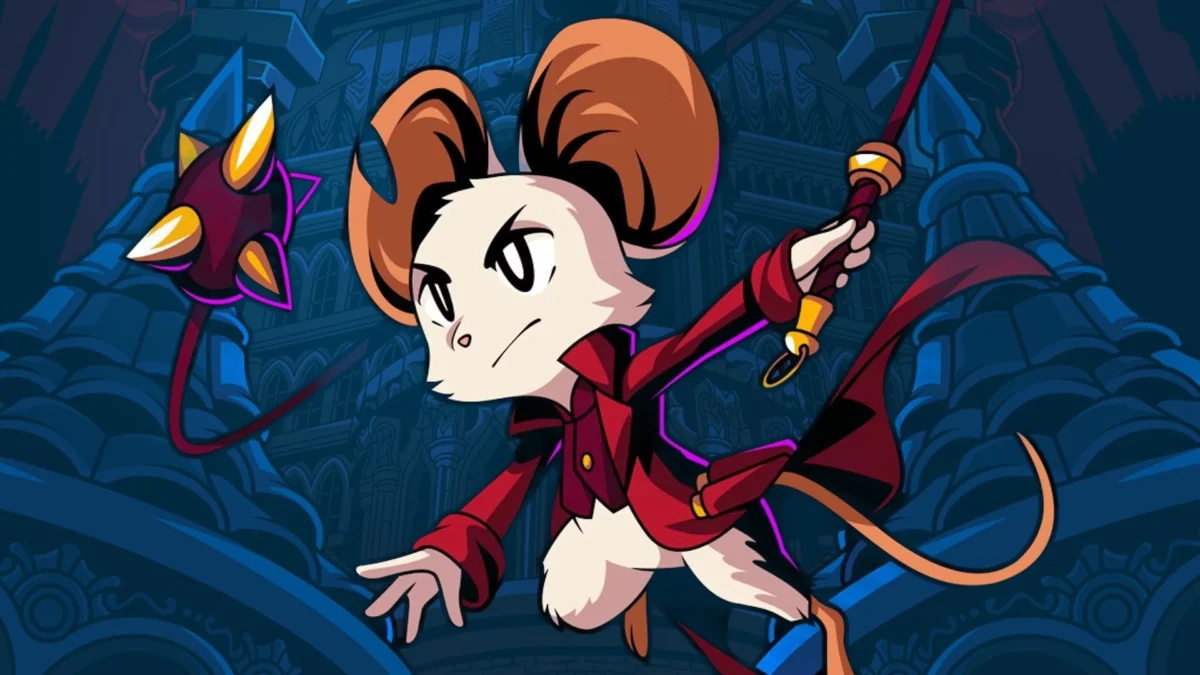
Mina the Hollower, an 8-bit aesthetic action-adventure game that pays homage to classic titles like Castlevania and The Legend of Zelda, was positioned as the primary catalyst for the studio’s recovery. The game was developed with a singular intensity, requiring all hands on deck to ensure its quality and market viability.
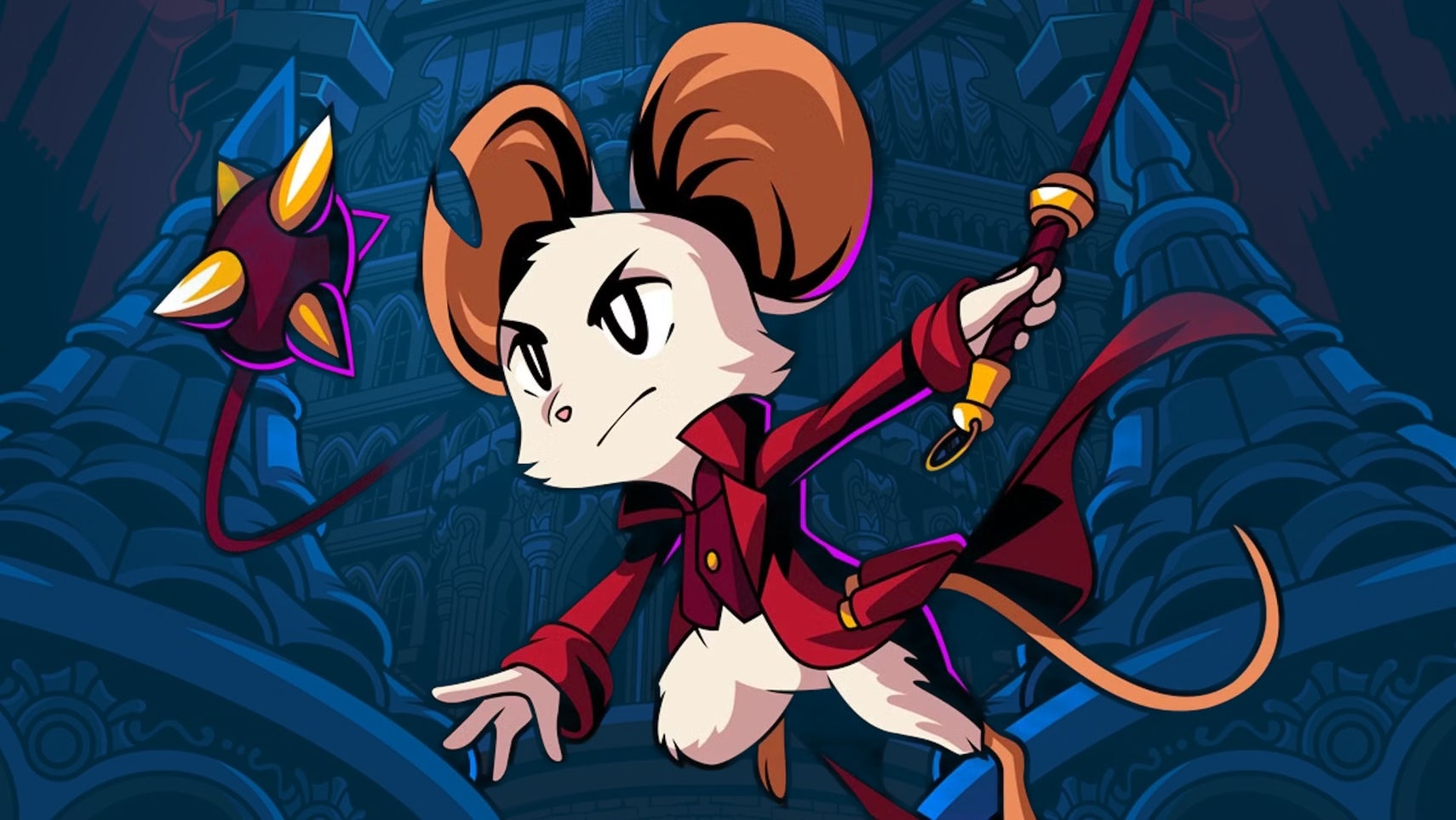
The market response was swift and positive. Within its first two weeks of release, Mina the Hollower moved over 500,000 units. While the internal goal for the studio remains the milestone of one million copies sold, the initial performance has been sufficient to secure the studio’s immediate financial future. In a recent Reddit Ask Me Anything (AMA) session, Yacht Club Games co-founder Sean Velasco confirmed that the project successfully stabilized the company’s fiscal situation for the foreseeable future. This stability is crucial, as it provides the necessary runway for the team to pivot back toward long-term development cycles without the immediate pressure of an existential threat.
Post-Launch Support and Future Content
While the studio is eager to move forward, it has not abandoned its most recent release. The development team has explicitly committed to a roadmap of post-launch updates designed to increase the game’s longevity and cater to its core community. Among the planned features are advanced randomizer options, which allow players to scramble enemies and boss encounters to create unique, replayable experiences. Furthermore, the team is working on expanded modifier settings and specific tools designed for the speedrunning community. These updates are intended to maintain engagement with the title while the bulk of the staff shifts its focus toward the next major release.
The Transition to 3D Development
The most significant revelation regarding the studio’s future concerns a move into the third dimension. For years, rumors have circulated regarding a potential 3D iteration of the Shovel Knight franchise. Previous reports indicated that this project was approximately 50 percent complete before the studio made the difficult decision to pause its development to prioritize the completion of Mina the Hollower.
Alec Faulkner, a key figure at Yacht Club Games, recently provided the most concrete evidence to date regarding this shift. While stopping short of explicitly labeling the project as a Shovel Knight title, Faulkner confirmed that the majority of the studio’s personnel are currently working on a 3D game. This admission aligns with long-standing industry speculation and the studio’s stated desire to explore new technical frontiers. The pivot reflects a deliberate attempt to apply the lessons learned during the "split-team" era, ensuring that the entire studio remains concentrated on a single, high-quality output.
Lessons in Corporate Resilience
The candid nature of the studio’s leadership regarding their past failures offers a valuable case study for the independent gaming industry. Nick Wozniac, co-founder of Yacht Club Games, addressed the shift in philosophy during the recent community outreach. He emphasized that the drive for sales is not a matter of corporate greed, but a necessary engine for collaboration.

"Sales are the things that keep the company afloat," Wozniac stated, noting that the company’s current stability is a direct result of keeping the team tight and focused on a single project. The lesson, according to the studio, is that the complexity of managing two concurrent projects exceeded their current operational capacity. By consolidating their resources, they were able to land the release of Mina the Hollower with the polish expected of the brand, thereby avoiding the pitfalls that might have otherwise led to a diminished reputation or financial failure.
Implications for the Industry
The success of Mina the Hollower and the subsequent shift to 3D development signal a maturing phase for Yacht Club Games. The developer has proven that even established studios with a massive back catalog can find themselves in "make-or-break" scenarios, highlighting the volatility of the indie market.
The move toward a 3D title is also a significant technical leap. Transitioning from the pixel-art expertise that defined their early success to 3D space requires a shift in both talent acquisition and engine proficiency. If the studio can successfully translate its design philosophy—characterized by tight controls, charming aesthetics, and rigorous level design—into a 3D environment, it could mark a new era for the developer.
Furthermore, the studio’s commitment to maintaining a single-project focus suggests that we are unlikely to see a return to the multi-project model that nearly derailed their operations. This disciplined approach is likely to become the standard for the developer, ensuring that every project receives the comprehensive attention of the entire studio staff.
As the industry looks toward the next chapter for Yacht Club Games, the focus remains on whether this unnamed 3D project can replicate the success of their previous titles. For now, the studio is in a position of stability, having successfully navigated a period of intense pressure, learned from its internal operational errors, and secured the resources necessary to experiment with new creative directions. The gaming community now waits with anticipation to see if the "awesome" potential hinted at by the developers will manifest in a way that matches the high bar set by the Shovel Knight legacy.