In the evolving landscape of high-performance computing, the distinction between a standard portable computer and a dedicated mobile workstation has become increasingly vital for creative professionals. Whether the task involves rendering complex 3D animations, editing 4K or 8K video timelines, or running heavy-duty AI simulations, the modern professional requires a machine that balances raw computational power with thermal efficiency and color-accurate displays. As of 2025, the market has matured to offer specialized hardware that bridges the gap between desktop-class performance and the mobility required by modern remote and hybrid workflows.
The current market is defined by a significant shift in silicon architecture. The integration of Neural Processing Units (NPUs) alongside high-end CPUs from Intel’s Core Ultra series, AMD’s Ryzen AI 9, and Apple’s M4 family has fundamentally changed how workstations handle data-intensive applications. For professionals, this means reduced export times and smoother real-time previews in software suites like Adobe Premiere Pro, Blender, and DaVinci Resolve.
A Comparative Analysis of Top Workstation Contenders
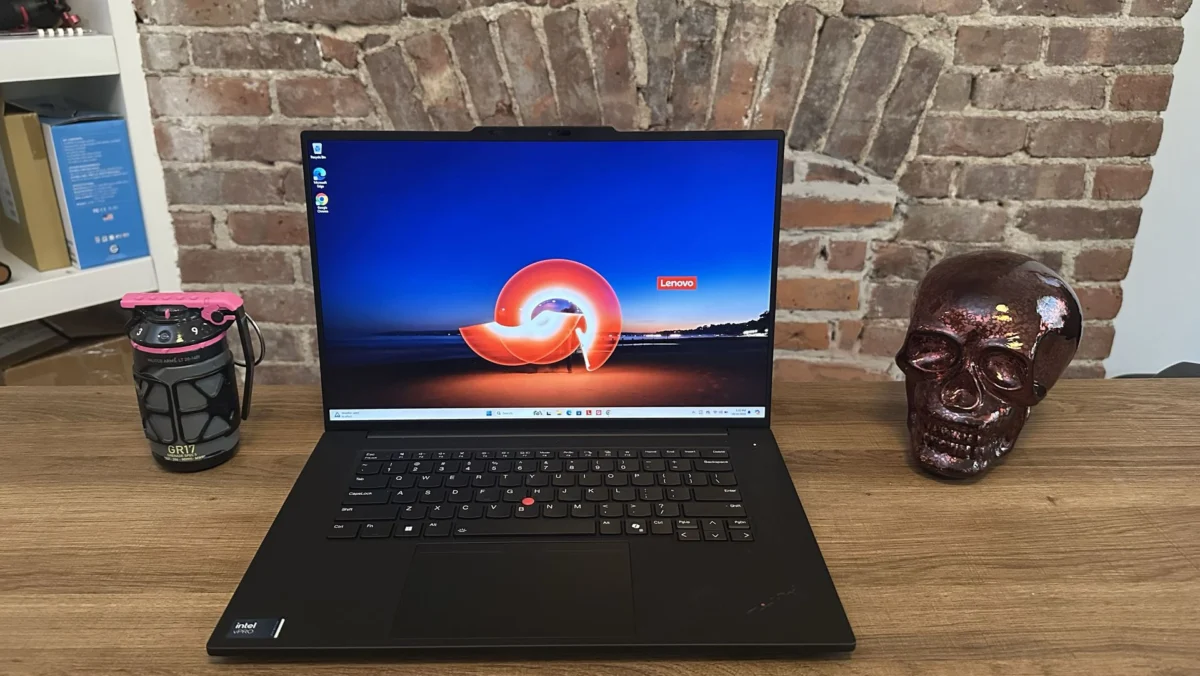
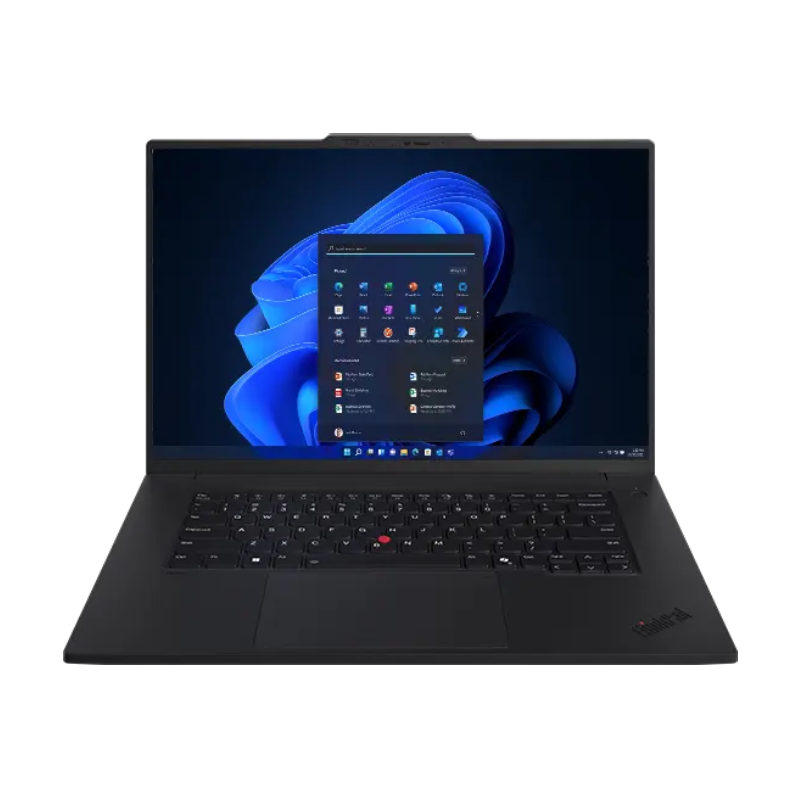
The Lenovo ThinkPad P1 Gen 7 currently stands as the definitive benchmark for the professional workstation. By utilizing the Intel Core Ultra 7 165H processor paired with the Nvidia RTX 1000 Ada Generation GPU, Lenovo has successfully navigated the trade-off between power and portability. In internal testing, the machine achieved a multi-core Geekbench 6 score of 12,974, proving its mettle for multi-threaded workloads. Its inclusion in this tier is supported by its exceptional battery longevity, which reached over 17 hours in standard web-browsing tests—a rarity for a device with such significant thermal demands.
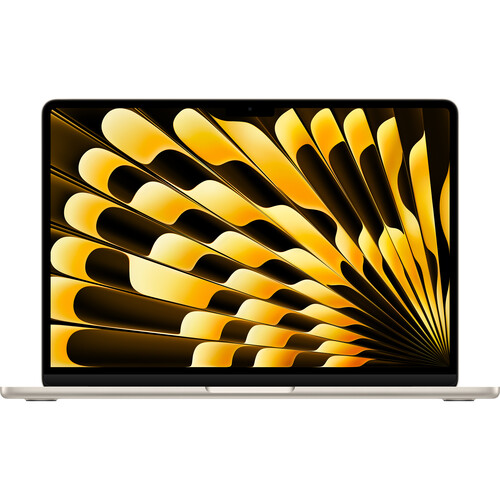
For those operating within a tighter fiscal framework, the 2025 Apple MacBook Air 13-inch, equipped with the M4 chip, represents a paradigm shift. While it lacks the discrete GPU power required for massive 3D rendering projects, its 10-core M4 architecture delivers a Geekbench 6 multi-core score of 14,849, frequently outpacing larger, more expensive machines in CPU-bound tasks. The device highlights a trend toward high-efficiency computing, offering a 15-hour battery life that allows for professional-grade video editing on the move, provided the workflow does not require the specialized driver support of a dedicated workstation GPU.
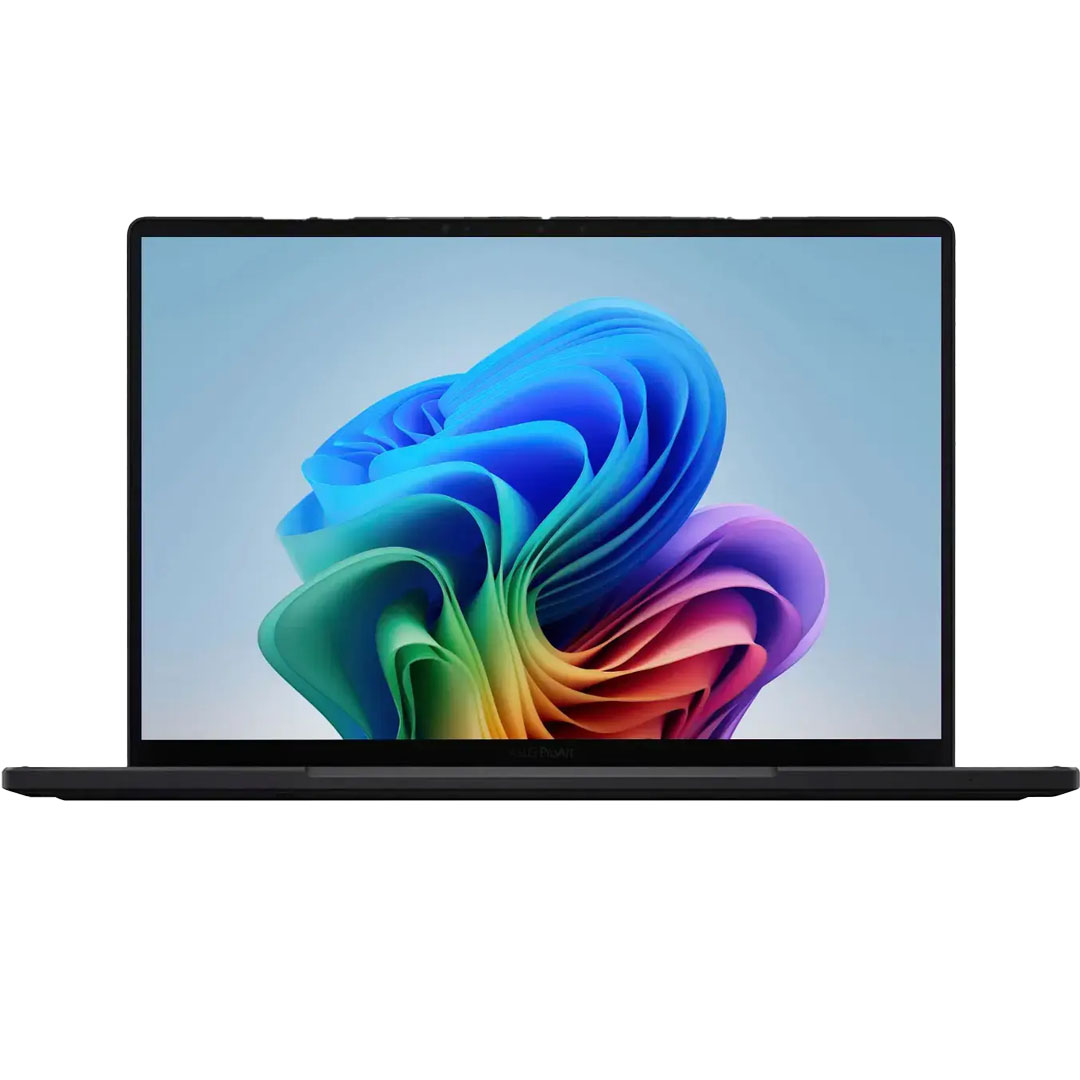
The Asus ProArt PX13 occupies a unique niche as an AI-focused 2-in-1 workstation. Priced competitively under $2,000, it features the AMD Ryzen AI 9 HX 370 processor and an Nvidia RTX 4050 GPU. This configuration is particularly relevant for content creators who require the versatility of a touchscreen and a convertible form factor without sacrificing the ability to run CUDA-accelerated applications. With a multi-core score of 15,203, it demonstrates that mid-range workstations are becoming increasingly capable of handling intensive rendering tasks previously reserved for larger, high-end mobile chassis.
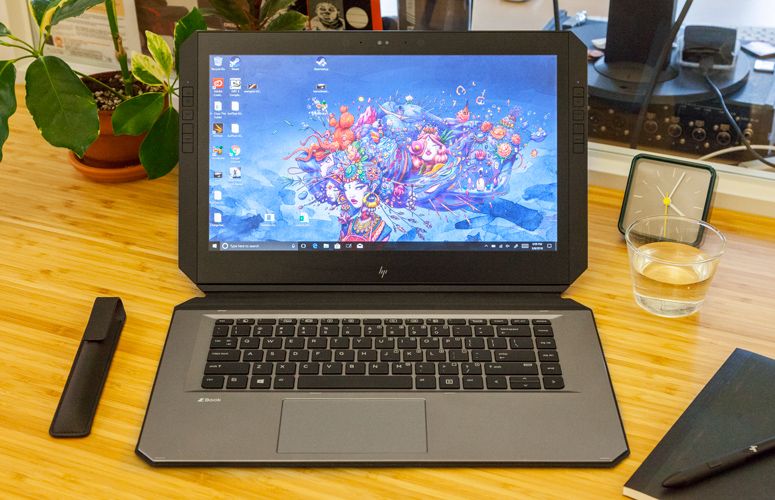
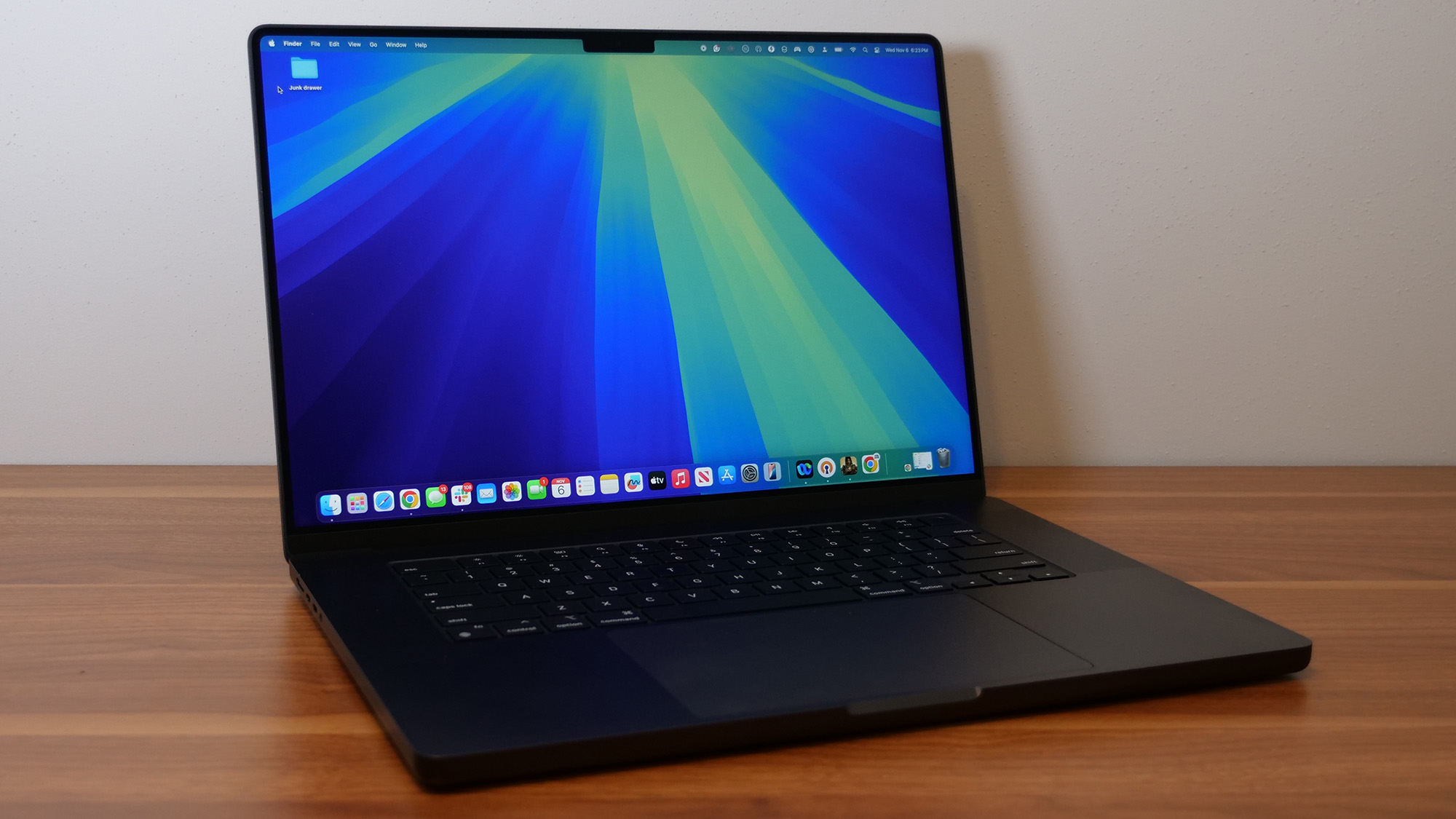
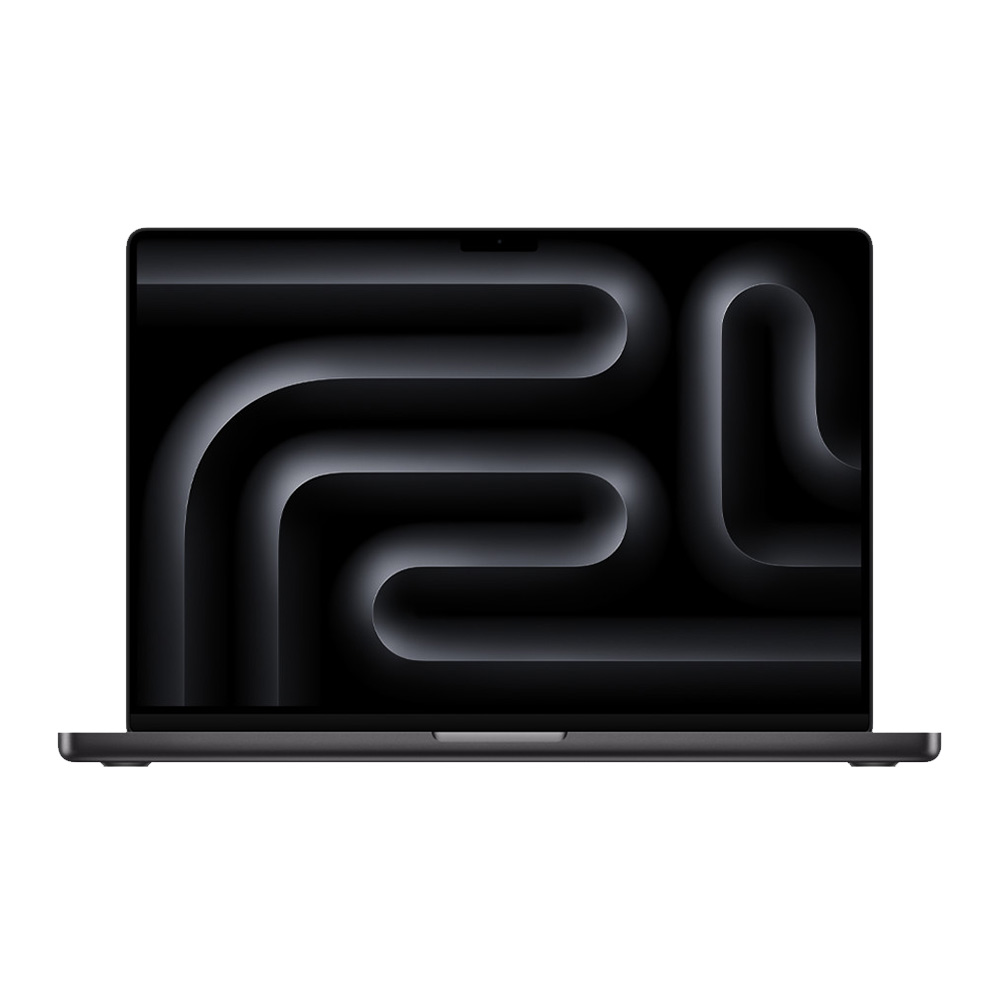
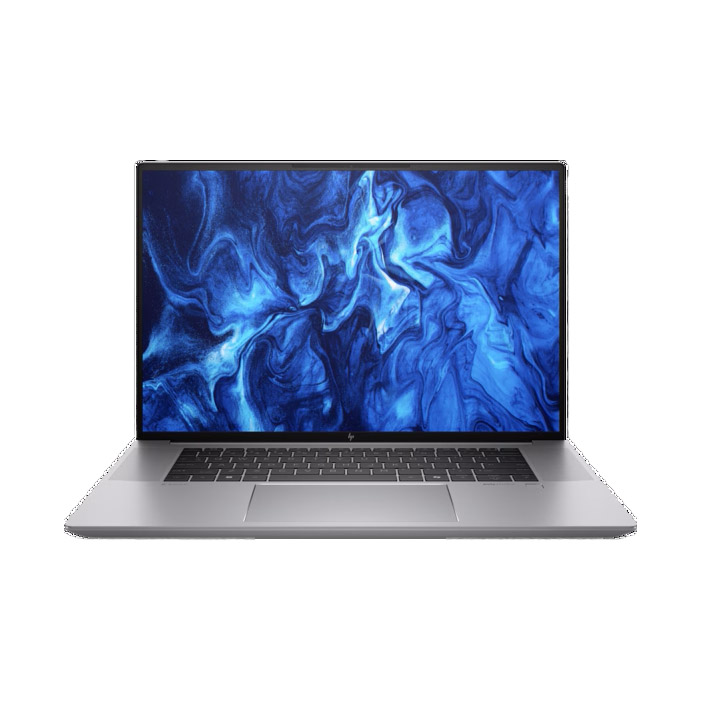
At the apex of performance, the 16-inch MacBook Pro (M4 Pro) and the HP ZBook Studio 16 G11 serve the most demanding enterprise clients. The MacBook Pro, with its 14-core M4 Pro CPU and 20-core GPU, achieved a staggering 22,822 in Geekbench 6 testing, setting a new standard for mobile efficiency. Conversely, the HP ZBook Studio 16 G11 is a "workstation’s workstation," catering to users who require the 64GB of RAM and high-end Nvidia RTX 3000 Ada Generation GPU for massive data compilation. Its DreamColor display, which covers 113.6% of the DCI-P3 color gamut, is specifically calibrated for color-critical work, though it necessitates a trade-off in battery life, which maxes out at under five hours under heavy load.
Evolution of Mobile Workstation Technology
The trajectory of the workstation laptop over the past five years has moved from "lumbering desktop replacements" to sleek, high-performance tools. This evolution is driven by improvements in semiconductor node density and the widespread adoption of vapor chamber cooling systems.
Historically, mobile workstations were defined by heavy chassis designed to house massive heat sinks. Today, that thermal management has been miniaturized. The adoption of Ada Generation GPUs by Nvidia has been the most significant factor, as these cards offer a higher performance-per-watt ratio than their predecessors. This has allowed manufacturers to maintain thin-and-light aesthetics while increasing the TGP (Total Graphics Power) available to creative applications.
Industry analysts note that the shift toward "AI PCs" is not merely a marketing trend but a response to the integration of AI-assisted tools in professional software. Features like noise reduction in video editing, object removal in Photoshop, and real-time captioning now rely heavily on the NPU and GPU, forcing workstation manufacturers to prioritize memory bandwidth and AI-specific instruction sets.
Technical Requirements for the Professional Workflow
When selecting a machine, the industry standard for professional-grade hardware has solidified around several non-negotiable specifications for 2025:
- CPU: The baseline for professional work is now the Intel Core Ultra 9 or the AMD Ryzen AI 9 300 series. These chips provide the necessary multi-core efficiency to prevent bottlenecks during rendering or compilation.
- RAM: 32GB is the functional minimum. For professionals involved in 8K video editing or complex CAD simulations, 64GB is recommended. Because many modern workstations use LPDDR5X soldered memory to improve speed, users are advised to configure for their future needs at the time of purchase, as post-market upgrades are often impossible.
- Storage: NVMe PCIe 4.0 SSDs are the standard. The speed of the storage controller is just as important as the capacity, as the ability to cache large project files—often hundreds of gigabytes—depends on high read/write throughput.
- GPU: The distinction between a gaming GPU and a workstation GPU remains critical. Nvidia’s Studio drivers, which are optimized for professional applications like Maya, AutoCAD, and DaVinci Resolve, provide stability and performance profiles that are not present in gaming-focused "GeForce" drivers.
The Implications of Architectural Choices
A significant debate in the current hardware market concerns the viability of Windows on Arm versus traditional x86 and Apple Silicon architectures. While the Qualcomm Snapdragon X Elite platform has introduced efficient computing to the Windows ecosystem, the lack of support for discrete workstation GPUs remains a hurdle.
Industry leaders suggest that while Arm-based Windows laptops are excellent for general productivity, they are not currently suitable for workstation-class creative workflows. This is primarily due to the reliance of professional software on specific x86 instructions and the lack of native support for high-end professional graphics APIs. Consequently, for the foreseeable future, the workstation market remains divided between the high-performance macOS ecosystem and the specialized, GPU-heavy Windows professional landscape.
Conclusion and Future Outlook
The decision to invest in a workstation laptop should be dictated by the specific software demands of the user’s workflow. For professionals who are tied to the Windows environment and require high-performance, color-accurate displays, the HP ZBook Studio 16 G11 and the Lenovo ThinkPad P1 Gen 7 remain the top choices due to their expandability and driver stability. For those whose workflow is centered on macOS, the M4 Pro-equipped MacBook Pro 16-inch offers an unparalleled combination of sustained performance and battery longevity.
As the industry moves into the latter half of the decade, the focus is shifting toward "sustainable performance"—the ability to maintain maximum clock speeds without thermal throttling. Future developments in liquid-metal cooling and more efficient battery chemistries are expected to continue blurring the line between the mobile workstation and the stationary desktop, ultimately providing the modern professional with the freedom to work from anywhere without compromising on the complexity of their output.