








As the autumn season transitions into the final weeks preceding winter, outdoor enthusiasts and professional wilderness guides face some of the most unpredictable meteorological conditions of the calendar year. From the arid desert stretches of the American Southwest to the rain-drenched coniferous forests of the Pacific Northwest and the early snowpacks accumulating in the Colorado Rockies, selecting the appropriate gear is critical for safety, comfort, and performance. During the past month, the editorial staff at Backpacker magazine conducted extensive field testing across multiple geographical regions, evaluating a diverse array of apparel, sleeping systems, and modular camp equipment designed to withstand rigorous environmental demands.
The evaluation period encompassed a demanding itinerary. Exactly one month prior to the finalization of their latest gear assessment, editors embarked on a multi-day backpacking expedition along a central segment of Wisconsin’s historic Ice Age Trail. This trek was followed by consecutive weeks of intensive backcountry exploration through the damp woodlands of the Pacific Northwest, moderate day-hiking excursions across Vermont’s rolling local trail systems, and preliminary high-altitude ski tours in Colorado. The objective of these varied deployments was to subject newly released market items and time-tested classics to a comprehensive matrix of temperatures, moisture levels, and mechanical stresses.

The Continued Relevance of Analog Simplicity: Therm-a-Rest Z-Lite Sol
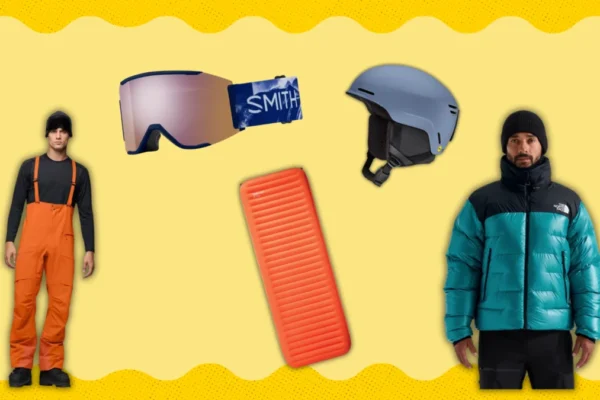
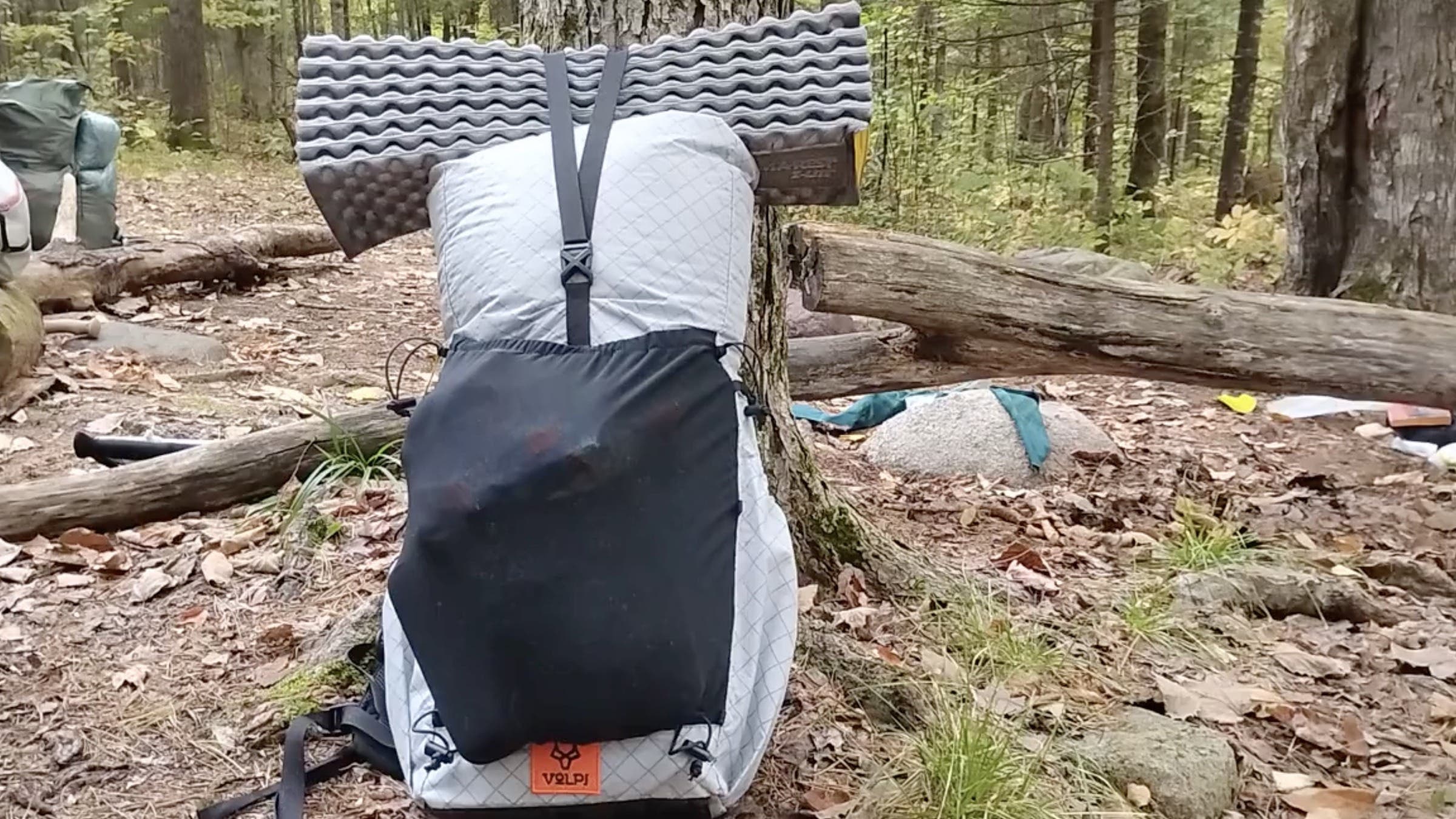
Despite rapid advancements in ultra-lightweight inflatable sleeping pad technology, analog closed-cell foam mattresses continue to occupy a vital niche in modern backpacking infrastructure. The Therm-a-Rest Z-Lite Sol, retailing at approximately $60, was highlighted by editorial leadership as a cornerstone piece of equipment for high-abrasion environments. Weighing 14 ounces for a regular-sized unit, the folding pad eliminates the mechanical vulnerabilities inherent in pressurized air chambers.
In arid environments where puncture hazards from sharp desert flora, jagged rock formations, and abrasive grit routinely compromise inflatable alternatives, the Z-Lite Sol offers absolute structural reliability. Furthermore, the absence of inflation and deflation protocols streamlines camp establishment and morning teardown procedures. The pad utilizes an egg-crate structural geometry coupled with a reflective ThermaCapture coating designed to bounce radiant body heat back toward the user, yielding a measured R-value of 2.0. While industry analysts and ergonomists note that closed-cell foam pads generally lack the plush suspension required by dedicated side sleepers or individuals operating in sub-freezing conditions without supplemental insulation, the Z-Lite Sol represents a benchmark in durability, economic accessibility, and low-maintenance functionality.
Canine Thermal Management: Ruffwear Palisades Sleep Poncho
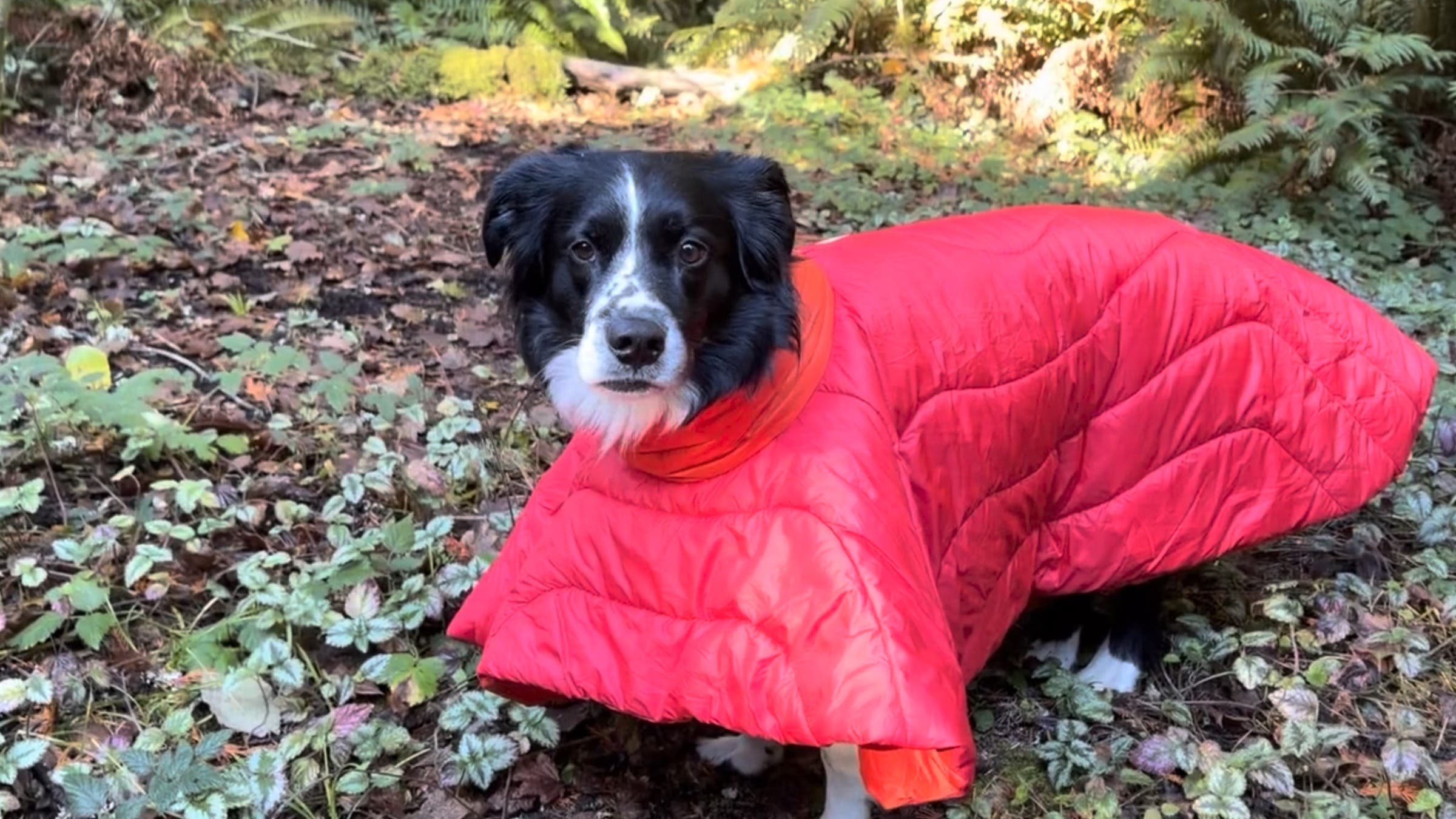
As the demographic of backcountry travelers expanding their excursions to include domestic pets continues to grow, manufacturers are increasingly addressing the specialized thermal requirements of working and companion animals. During a late-October field test in Washington’s Mt. Baker Wilderness, where overnight ambient temperatures dropped below freezing and surface water sources froze solid, Senior Editor Zoe Gates evaluated the Ruffwear Palisades Sleep Poncho, priced at $100.
Traditional canine thermal solutions have historically relied upon restrictive, full-body sleeping bags—which often induce claustrophobia and distress in dogs—or standard dog jackets that fail to provide comprehensive ground-insulation coverage when the animal curls into a resting position. The Palisades Sleep Poncho introduces an intermediate design architecture. Constructed with a weather-resistant ripstop nylon shell and packable synthetic insulation, the garment slips over the animal’s head and drapes across the torso. This configuration protects vital organs and muscle groups while allowing the animal complete anatomical freedom to roll, stretch, or curl.
Design features include a cinchable neck baffle to minimize convective heat loss and soft, adjustable leg loops that secure the garment during active movement without restricting circulation. A dedicated rear button attachment allows the hem to be bundled upward to facilitate unobstructed waste elimination during nocturnal or early morning outings. Field observations indicated that the test subject, which historically exhibited nocturnal restlessness during sub-freezing deployments, maintained a stable thermal baseline and slept uninterrupted throughout the night when the poncho was paired with a closed-cell canine foam pad.
Premium Materials and Financial Investment: Thrudark Charge Trousers
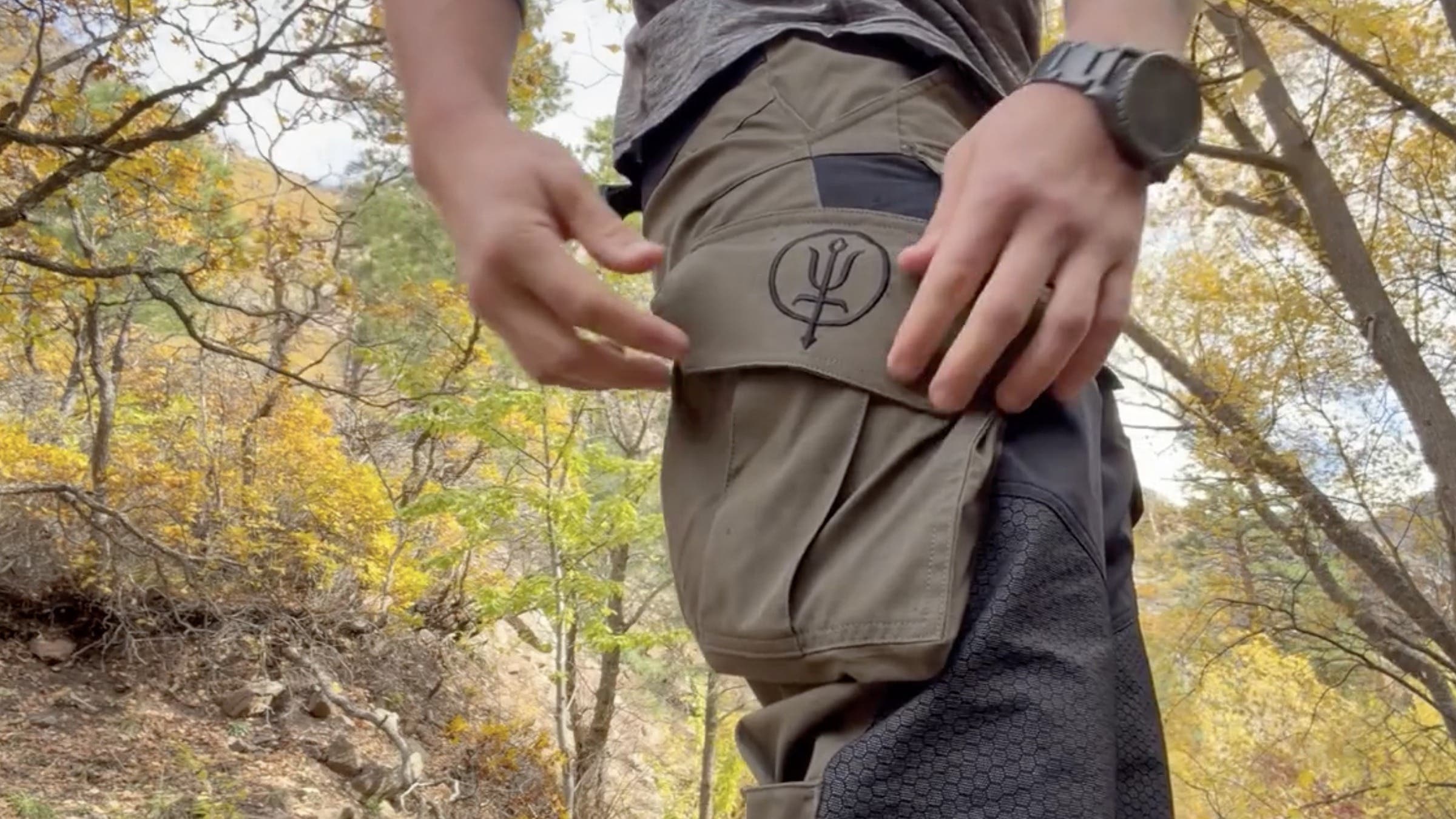
The intersection of military-grade material science and consumer outdoor apparel was a focal point of recent gear trials, exemplified by the Thrudark Charge Trousers, which retail at a substantial price point of $430. Positioned firmly in the luxury tier of technical mountaineering wear—comparable in cost to specialized, waterproof alpine snow pants—the Charge Trousers integrate high-tensile structural textiles traditionally reserved for heavy-duty expedition tents and load-bearing haul bags.
Constructed from a blend of high-tensile cotton and ultra-high-molecular-weight polyethylene known commercially as Dyneema, reinforced with Cordura fibers, the trousers offer exceptional abrasion resistance. Field analysts noted that the knee and high-wear zones are structurally fortified to withstand intense friction against granite, abrasive scree, and sharp vegetation. Simultaneously, the rear lumbar and seat panels incorporate a four-way stretch textile to maintain unrestricted range of motion during high-step scrambling and steep ascents.
The garment features a low-profile pocket layout comprising six front-facing compartments that distribute carried items without creating the visual or physical bulk associated with traditional tactical cargo trousers. Adjustability is managed via integrated Velcro hip tabs and snap-button ankle cuffs, supplemented by standard belt loops—a design inclusion frequently omitted in adjustable-waist technical garments, much to the frustration of traditionalists. Industry observers note that while the $430 price tag positions the trousers beyond the reach of average consumers, the inclusion of Dyneema and advanced weaving techniques points toward an ongoing industry trend where high-end durability materials trickle down from industrial and military applications into specialized consumer outdoor markets.
Material Science Innovation: Ornot Alpha Wool Pullover
The commercial debut of advanced synthetic-wool hybrid textiles marked another significant development evaluated during the October field tests. Polartec, a primary textile supplier to the global outdoor apparel industry, recently introduced Alpha Wool, a hybrid material that integrates a traditional merino wool base weave with raised tufts of lofted Alpha polyester insulation on the exterior surface.
The Ornot Alpha Wool Pullover, priced at $198, served as the primary test vehicle for this new fabric architecture. Weighing 8.5 ounces for a medium-sized garment, the pullover achieves a thermal-to-weight ratio that surpasses traditional micro-grid fleece while remaining slightly heavier than pure, non-backed synthetic Alpha garments. The integration of the merino wool base layer imparts natural antimicrobial properties, effectively mitigating odor retention during extended multi-day excursions without laundering. Furthermore, testing indicated that the hybrid construction provides enhanced wind resistance, improved tactile softness, and superior structural durability compared to standard, unbacked open-knit insulation layers.
Broader Industry Implications and Market Trends
The collective findings from these October field tests illustrate several distinct trajectories within the contemporary outdoor gear sector. First, manufacturers are increasingly willing to incorporate ultra-premium, high-cost composite materials—such as Dyneema blends—into softgoods, signaling a market segment willing to pay a premium for longevity and extreme performance metrics. Second, the pet gear sector is maturing rapidly, transitioning from novelty items to engineered thermal systems that mirror human-grade technical specifications. Finally, ongoing textile chemistry innovations, such as Polartec Alpha Wool, demonstrate that hybrid material integration will likely dominate mid-layer design strategies throughout the upcoming winter season, offering consumers enhanced versatility across fluctuating microclimates.