









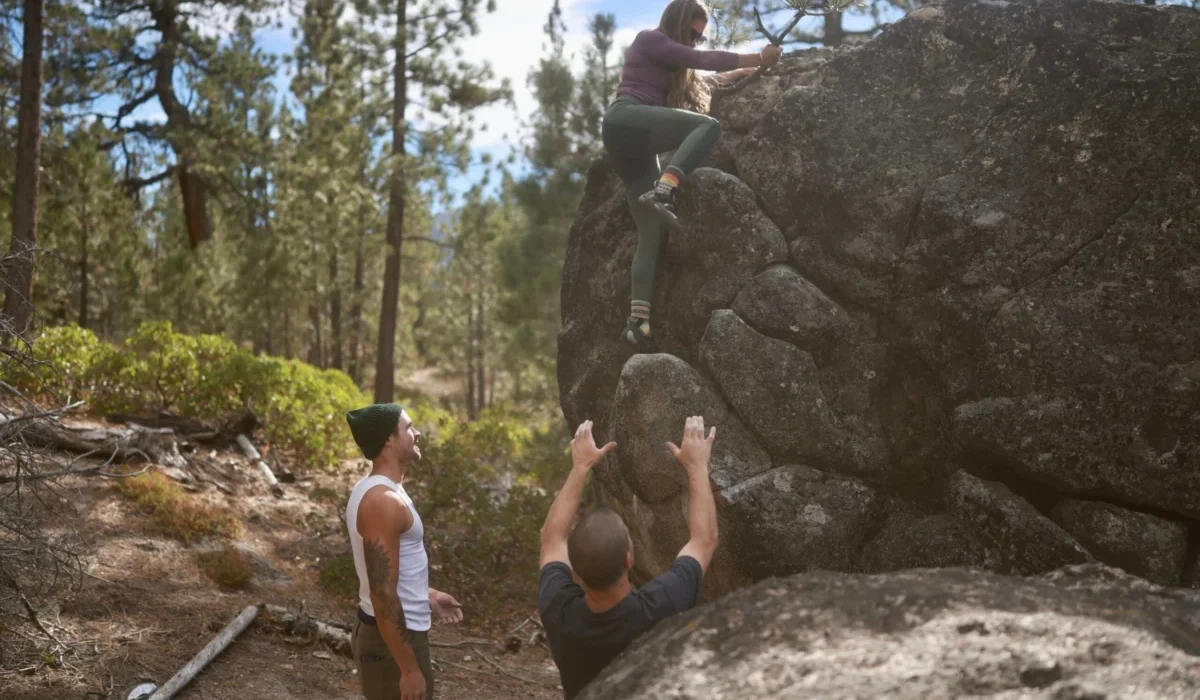
The modern perception of outdoor adventure is frequently dominated by images of elite athletes tackling extreme, high-altitude challenges. However, a new digital series titled Sierra in the Sierras, featuring producer Dylan Efron and television personality Danielle Fishel, aims to shift this narrative. By focusing on the concept of being "athletish," the project seeks to lower the barrier to entry for millions of Americans who may feel intimidated by the traditional outdoor industry. Launched in November 2026, the series explores the intersection of accessible pricing, proper gear selection, and the psychological benefits of nature, with the Sierra Nevada mountains serving as a primary backdrop.
The Genesis of the Project
The production, which debuted on November 10, 2026, is a strategic collaboration between the outdoor retailer Sierra and various media partners, including editors from Outside. The intent behind the series is to address a widening gap in the outdoor market: while interest in hiking, climbing, and trail sports has surged—partly fueled by post-pandemic lifestyle shifts—many potential participants remain sidelined by perceived costs and a lack of technical knowledge.
Dylan Efron, known for his work on the Emmy-winning Netflix series Down to Earth, brings a unique perspective to the series. His background in documentary production allows the show to move beyond mere product placement, instead focusing on the pedagogical elements of outdoor engagement. For his co-star, Danielle Fishel, the series represents a departure from her established career in television, offering a relatable "indoor person" perspective that grounds the high-intensity activities in a narrative of personal growth and trial-and-error learning.
A Chronology of the Expedition
The filming of the first episode took place in the rugged, high-altitude terrain surrounding Lake Tahoe, a region that serves as a cornerstone for both recreational tourism and environmental conservation in California.
The production followed a deliberate progression designed to showcase different entry points into outdoor sports:

- Initial Assessment: The episode begins by establishing the "athletish" philosophy—a term coined to describe individuals who engage in physical activity for enjoyment rather than competitive mastery.
- Technical Instruction: Under the guidance of Anthony Walsh, Climbing Editor at Outside, the hosts were introduced to the fundamentals of bouldering. This segment was critical in demonstrating that professional-grade instruction is a foundational component of safety and skill acquisition.
- Advanced Progression: The itinerary moved from the localized challenge of bouldering to the more specialized, balance-heavy discipline of slacklining and highlining. This progression was intentional, illustrating how foundational skills can build confidence for more demanding activities.
- Integration: The final phase of the shoot focused on the practical application of gear, emphasizing how the right equipment—sourced through budget-conscious channels—serves as a bridge between curiosity and sustained participation.
Data-Driven Accessibility in the Outdoor Industry
The necessity for a project like Sierra in the Sierras is supported by recent industry data. According to the Outdoor Industry Association’s (OIA) participation reports, the outdoor recreation economy has become a significant driver of national GDP, yet "affordability" remains the primary cited barrier for non-participants.
Market analysis indicates that retail prices for specialized technical gear have seen a 12–15% increase since 2022 due to supply chain volatility and inflation. This cost barrier effectively segments the market, often excluding the very demographics that retailers are trying to reach. The business model of Sierra—which focuses on rotating, off-price inventory—is positioned as a direct response to this economic friction. By providing access to major, trusted brands at lower price points, the company aims to democratize the "kit-up" phase of the outdoor experience.
The Role of Mentorship and Community
One of the core themes highlighted in the series is the role of peer-to-peer guidance. The presence of professional editors and experienced climbers during the filming process underscores a vital reality of outdoor recreation: the "learning curve" is significantly reduced when accompanied by an experienced mentor.
In the episode, the transition from bouldering to highlining acts as a metaphor for the broader journey of a novice outdoorsperson. The narrative emphasizes that while the physical activity is the goal, the social connection formed during the process is the catalyst for long-term habit formation. According to behavioral health research, "nature-based social activities" are proven to have higher retention rates than solitary outdoor pursuits, a factor that the production team highlighted through the camaraderie between Efron, Fishel, and the technical experts.
Technological Tools for Exploration
Beyond physical gear, the series emphasizes the role of digital infrastructure in navigating the outdoors. As the landscape of public land management becomes more complex, digital tools have become essential. The production specifically showcased platforms like Trailforks and Gaia GPS.
The integration of these tools into the narrative serves a dual purpose: it educates the viewer on modern navigation safety while simultaneously de-mystifying the logistics of planning a trip. By moving from the "big adventure" (Lake Tahoe) to the "local adventure" (backyard trails), the series effectively argues that the barrier to entry is not geographic distance, but rather the availability of reliable information and basic confidence.

Broader Industry Implications and Future Outlook
The release of Sierra in the Sierras reflects a broader pivot in the outdoor industry toward "inclusivity marketing." For decades, the industry focused on high-performance athletes in extreme environments. Today, the demographic shift toward younger, urban-dwelling, and female-identifying outdoor participants has forced a change in strategy.
"The industry is finally acknowledging that the average consumer is not interested in summiting Everest, but is very interested in feeling comfortable on a weekend hike," says one industry analyst who reviewed the campaign’s trajectory. "By focusing on the ‘athletish’ crowd, companies are expanding their total addressable market by millions."
The impact of such initiatives is measurable. When high-profile figures demonstrate that it is acceptable to be a beginner, the resulting "social proof" reduces the anxiety often associated with trying a new sport. For the retail sector, this translates to an increased demand for entry-level gear that meets high-performance standards without the high-performance price tag.
Conclusion: A Shift in the Cultural Narrative
Sierra in the Sierras is more than a promotional series; it is a commentary on the changing face of American recreation. By removing the stigma of being a "beginner" and providing a clear path to accessing both gear and knowledge, the project successfully aligns itself with a more inclusive future for the outdoors.
As the series continues, the broader implications remain clear: the future of the outdoor industry lies not in the extremes of the mountain peaks, but in the accessibility of the trailheads. Whether one is a seasoned climber or someone taking their first steps on a local path, the core message remains consistent—the outdoors is a resource intended for everyone, and the barriers to accessing it are increasingly being dismantled by better information, better gear access, and a more welcoming, community-oriented approach to exploration. As the industry looks toward the next decade, the success of such projects will likely be measured by the number of new, diverse participants they manage to successfully transition from the couch to the trail.