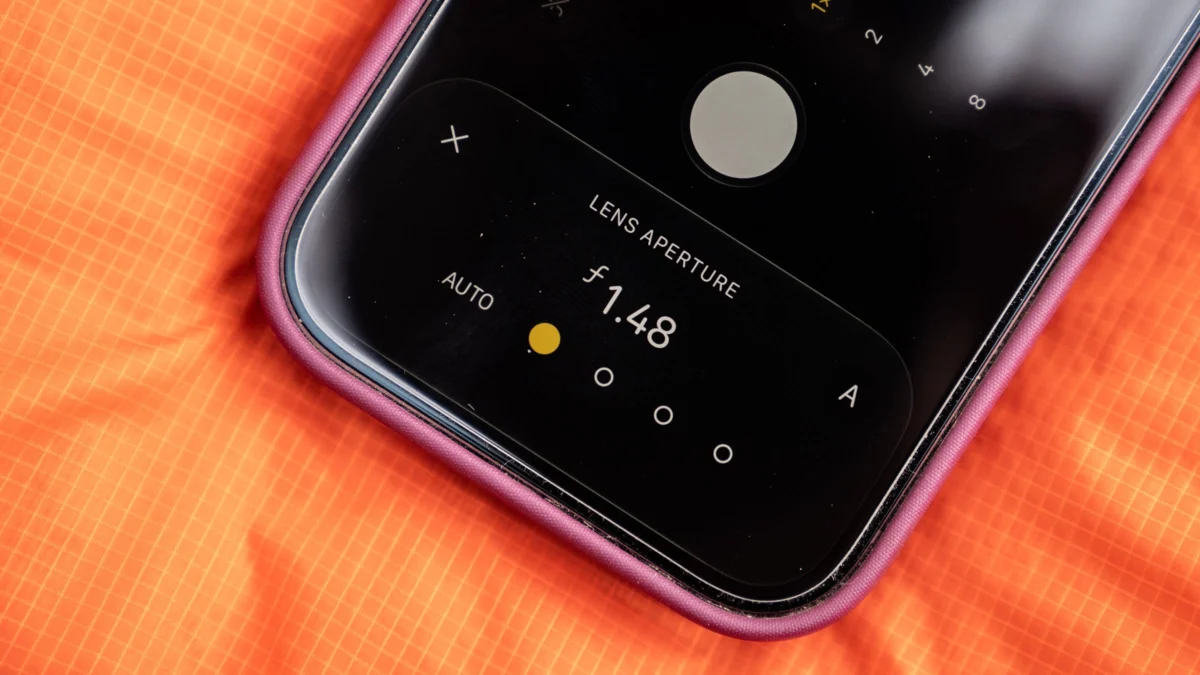
For nearly two decades, the evolution of mobile photography has been defined by computational power—the ability of software to compensate for the physical limitations of tiny sensors and thin camera housings. Since the inception of the iPhone, the "aperture" remained a fixed mechanical component, with depth-of-field effects simulated through digital masking and post-processing algorithms. On September 16, 2026, Apple disrupted this long-standing industry standard with the release of the iPhone 18 Pro and Pro Max, introducing the first true mechanical iris system in a mainstream smartphone.
The Evolution of Mobile Optics
The history of mobile camera development has been characterized by the "race for the sensor." Early smartphone cameras relied on plastic, fixed-aperture lenses that struggled in low-light environments and lacked the ability to create natural optical bokeh. By the mid-2010s, manufacturers began integrating larger sensors and faster lenses (f/1.8 or lower), yet the aperture remained static.
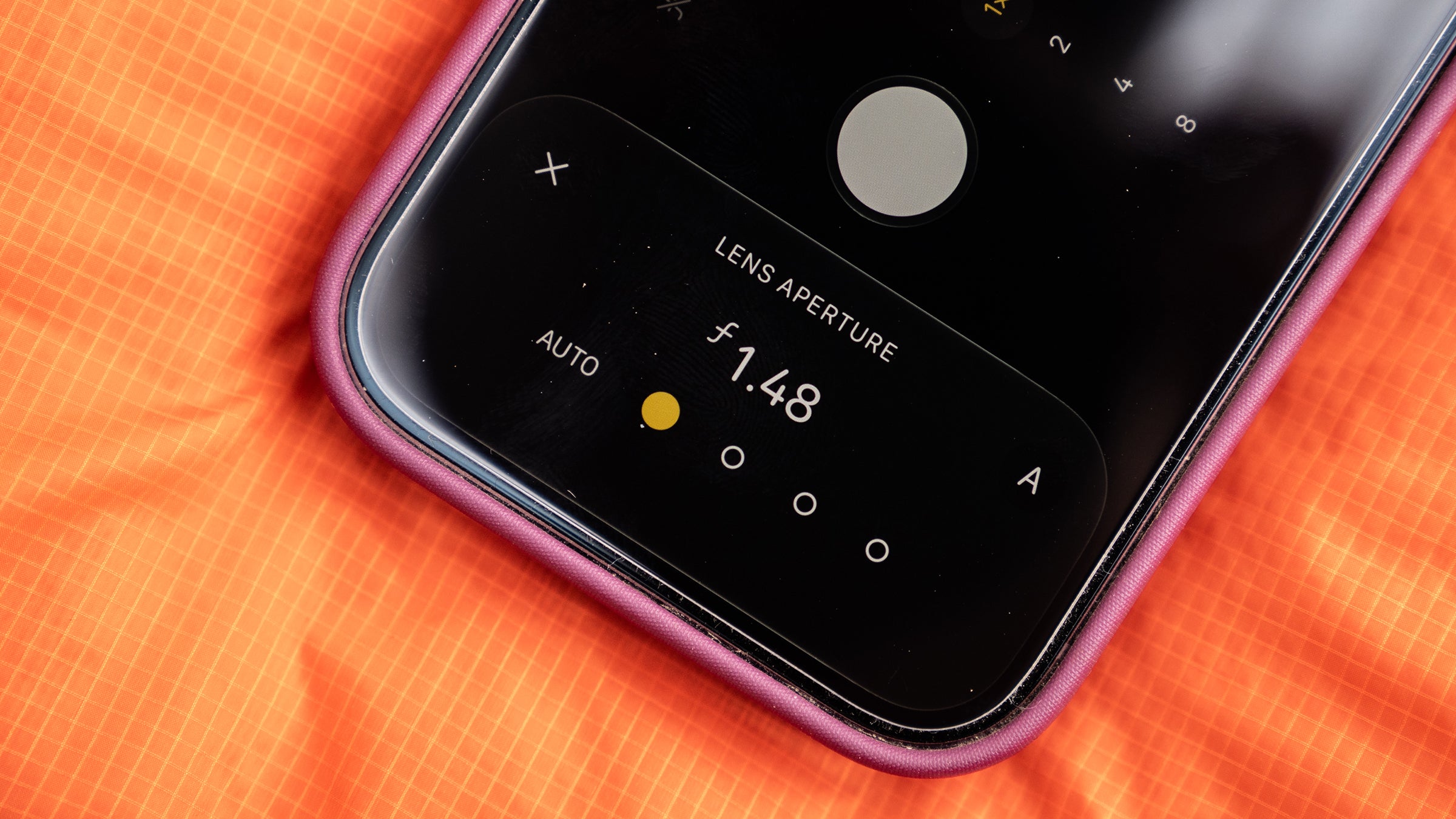
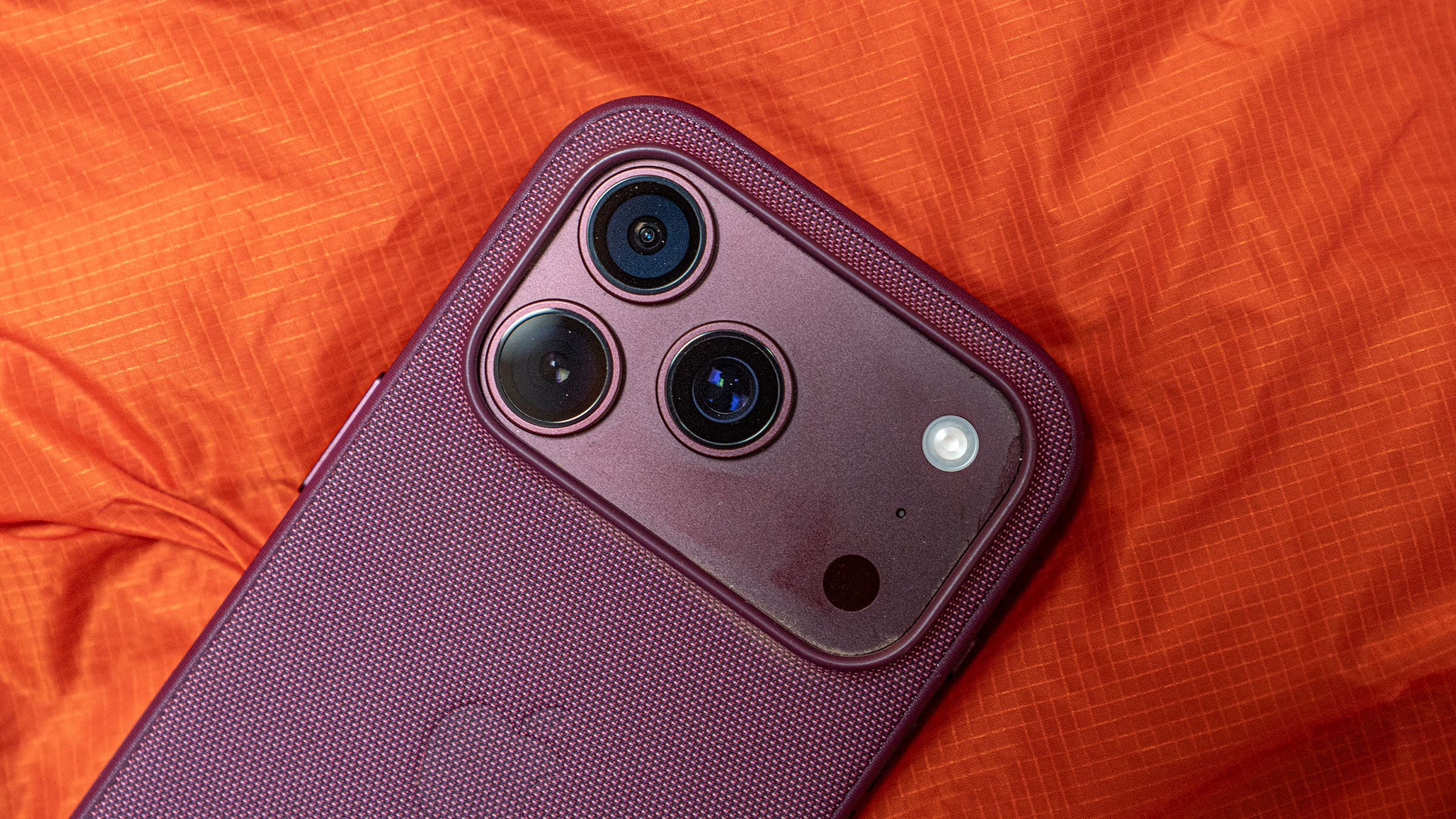
The iPhone 18 Pro marks a departure from this reliance on digital manipulation. By integrating a miniature physical iris into the primary 48-megapixel, 24-millimeter lens, Apple has provided photographers with actual control over light intake. This move mirrors the transition seen in the early 2000s when digital point-and-shoot cameras began adopting manual modes found on professional film cameras. The mechanical iris allows for four distinct settings: f/1.48, f/1.8, f/2.8, and f/4, fundamentally changing how the device interacts with ambient light.
Technical Specifications and Mechanical Constraints
The decision to cap the aperture range at f/1.48 on the wide end and f/4 on the narrow end is a deliberate engineering compromise. In full-frame mirrorless systems, apertures often range from f/1.2 to f/22. However, the physics of a smartphone’s compact image sensor necessitates a different approach. At an aperture of f/4, the shorter focal length of the iPhone’s lens results in a deep field of focus, rendering further "stopping down" unnecessary for most photography. Conversely, the f/1.48 threshold was chosen to prevent the lens assembly from protruding significantly further from the device chassis, ensuring the iPhone 18 Pro maintains its pocketable form factor.
This mechanical change addresses the primary limitation of previous iPhone models: the "computational glow." In earlier iterations, when users selected an f-stop in the camera app, the phone was effectively applying a Gaussian blur filter to the background. While visually pleasing in many cases, this often led to "halo" artifacts around hair or intricate objects. With a physical iris, the light itself is physically restricted, creating an authentic optical blur that is naturally consistent with the lens’s focal length.
Functional Integration: Aperture and Shutter Priority
The introduction of manual control is not limited to the iris. Apple has implemented a dual-priority system within the native camera interface. Users can now engage "Aperture Priority" mode, where the system automatically adjusts the shutter speed to maintain proper exposure, or "Shutter Priority," where the device adjusts the aperture to match a manually set shutter duration.
This workflow is particularly significant for high-speed photography. In scenarios involving motion, such as sports or wildlife, the ability to lock a fast shutter speed prevents motion blur. Previously, users relied on "Action Mode" or specialized software features that often sacrificed image resolution. Now, the iPhone 18 Pro can function in a manner akin to traditional DSLR and mirrorless cameras, allowing for the intentional use of motion blur or the freezing of high-velocity subjects.
Subject Tracking and Advanced Focusing
Beyond the mechanical iris, the iPhone 18 Pro introduces hardware-level subject tracking. By tapping a subject on the viewfinder, the camera initiates a lock-on mechanism that tracks the subject’s movement across the frame in real-time. This feature is supported by a dedicated machine-learning processor that prioritizes focus on the subject’s eyes or primary movement vector.

Manual focus has also received a significant overhaul. The inclusion of "focus peaking"—a feature long standard in professional videography—outlines the sharpest areas of the frame in white, providing a visual guide for photographers using the manual slider. This is particularly useful for macro photography or low-light scenes where the autofocus system might struggle to identify a specific focal plane.
Market Context and Industry Implications
The professional photography industry has responded to these developments with cautious optimism. While the iPhone 18 Pro remains a significant leap forward, industry analysts note that it does not replace the utility of a full-frame mirrorless camera for professional editorial or commercial work. The limitations of a smaller sensor—namely dynamic range and signal-to-noise ratios in extreme low light—remain inherent to the mobile form factor.
However, the impact on the "prosumer" and travel photography market is substantial. For outdoor photographers who prioritize gear weight, the iPhone 18 Pro effectively closes the gap between convenience and professional utility. The ability to manipulate light and depth of field without needing a dedicated camera bag makes the device a legitimate contender for documentary work and daily photography.

A Chronology of Mobile Camera Innovation
- 2007: First iPhone launches with a 2-megapixel fixed-focus camera.
- 2010: iPhone 4 introduces the first high-resolution sensor and flash.
- 2016: iPhone 7 Plus debuts dual-lens systems, beginning the era of digital bokeh (Portrait Mode).
- 2020: LiDAR scanning integration enhances autofocus speed and low-light performance.
- 2026: iPhone 18 Pro introduces the first physical, manually adjustable iris for variable depth of field and light control.
Analytical Summary: Is the Upgrade Warranted?
For existing owners of the iPhone 16 or 17 Pro, the decision to upgrade depends on the user’s engagement with manual settings. The computational imaging pipeline in the iPhone 17 remains industry-leading for "point-and-shoot" scenarios. For the average user who relies on the camera’s automatic detection and processing, the mechanical aperture provides little functional benefit.
However, for the enthusiast who understands the relationship between ISO, shutter speed, and aperture, the iPhone 18 Pro offers a level of creative freedom that was previously exclusive to high-end dedicated cameras. By introducing mechanical control into the smartphone ecosystem, Apple has signaled a shift toward professional-grade hybrid devices. As the line between dedicated hardware and mobile computing continues to blur, the iPhone 18 Pro stands as a testament to the maturation of mobile photography, prioritizing physical optical control as the next frontier in image quality.
As of late 2026, the device has set a new benchmark for flagship smartphones. Whether competitors will follow suit with mechanical irises remains to be seen, as the manufacturing costs and internal space requirements of such a system are significant. For now, the iPhone 18 Pro occupies a unique space, offering the most tactile and precise manual control ever seen in a device of its size.