The modern smartphone market, a ubiquitous fixture in daily life, is overwhelmingly dominated by two formidable operating system players: Apple’s iOS and Google’s Android. While Apple’s revolutionary iPhone, launched in 2007, pioneered the touch-centric smartphone experience, Google’s Android, initially a less refined contender, quickly matured into a powerful rival. However, the genesis of Android’s ascendancy was not a tale of amicable competition; it was a deeply personal affront to Apple co-founder Steve Jobs, who viewed its development as a profound betrayal and a blatant act of theft. His visceral reaction, famously documented shortly after his death, set the stage for an unprecedented era of corporate rivalry and intense legal battles that irrevocably altered the trajectory of mobile technology.
The Genesis of a Rivalry: The iPhone’s Dawn and Android’s Pivot
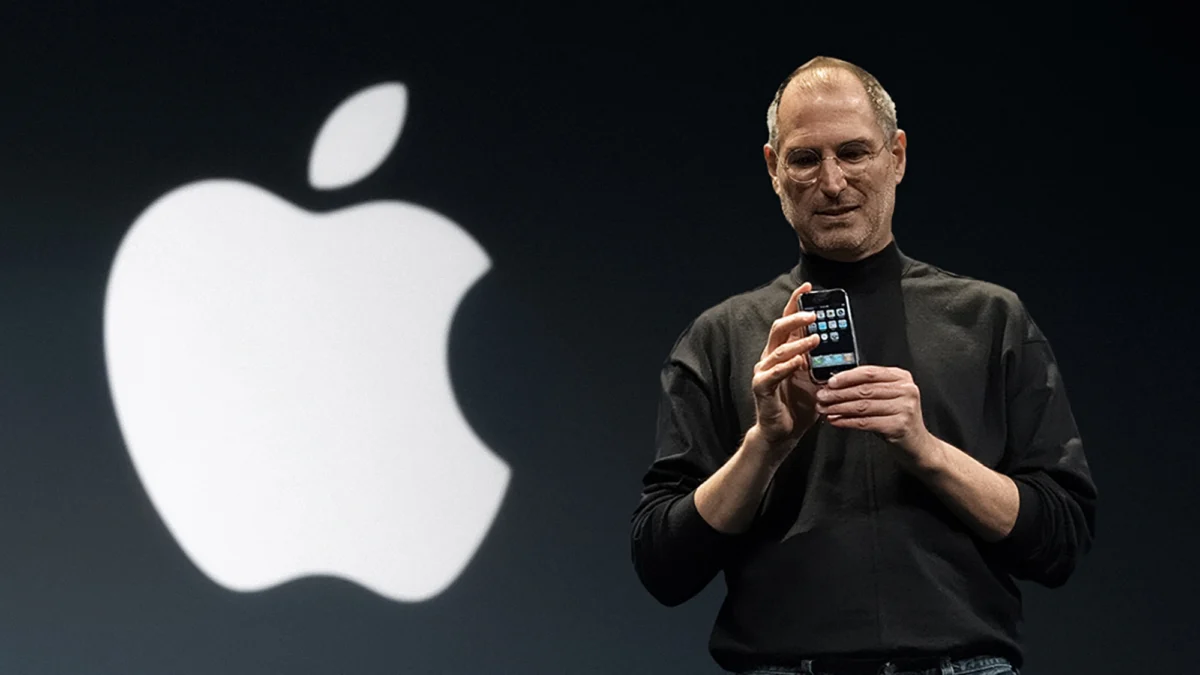
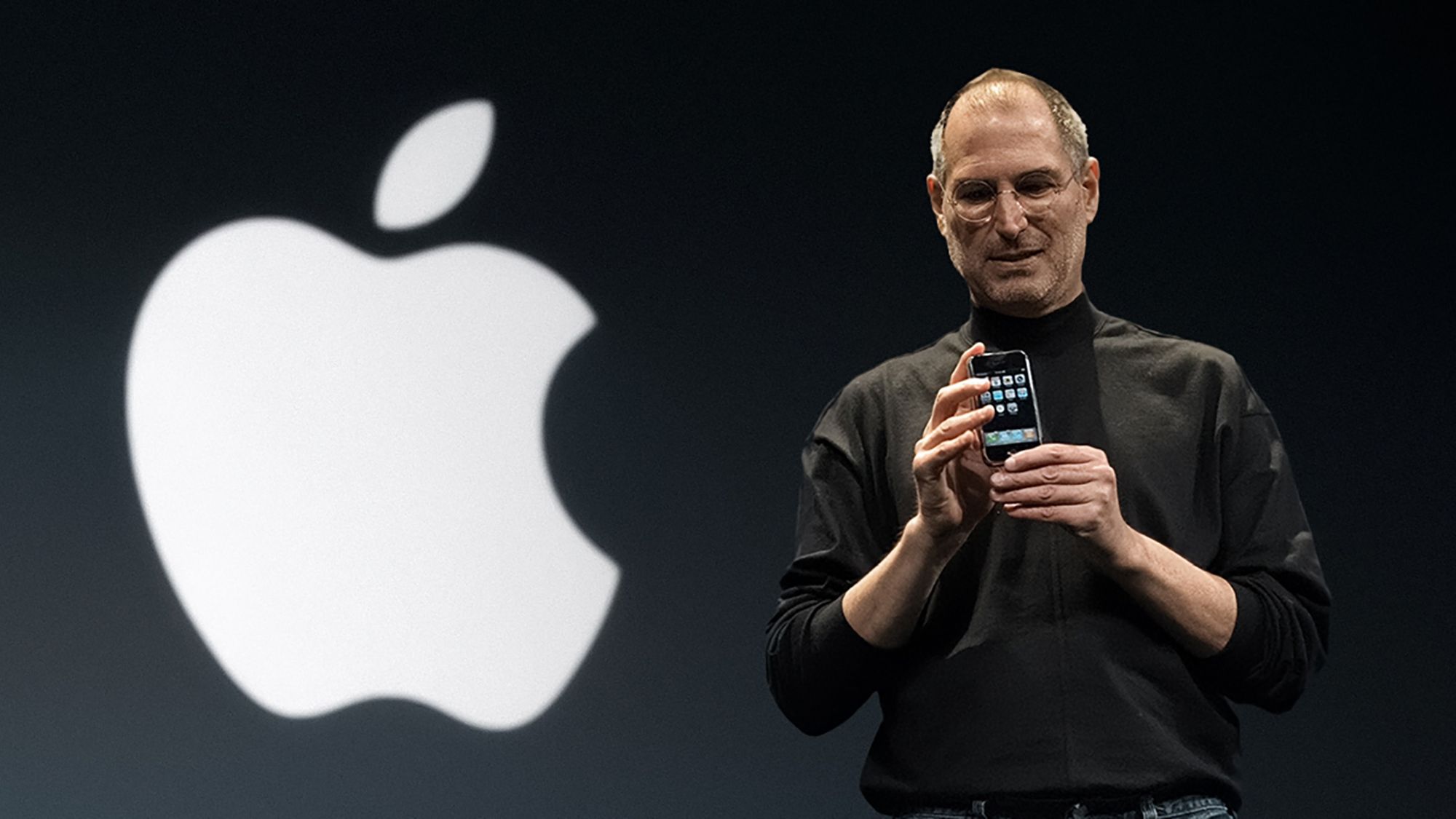
Before the iPhone’s grand unveiling, the mobile phone landscape was a disparate collection of devices. Feature phones with physical keypads ruled, alongside early smartphones from BlackBerry, Palm, and Microsoft’s Windows Mobile. These devices often featured stylus-based interfaces, clunky navigation, and rudimentary internet capabilities. Apple, a company synonymous with design innovation and user experience, embarked on a highly secretive project, code-named "Purple," to reimagine mobile computing. The result was the iPhone, introduced by Jobs in January 2007, which instantly redefined expectations with its multi-touch interface, intuitive software, and integrated app ecosystem. It was a paradigm shift, effectively making every other smartphone on the market seem instantly antiquated.
Concurrently, Google had been quietly developing its own mobile operating system. Google acquired Android Inc. in 2005, a startup founded by Andy Rubin. Initially, Android was envisioned as a platform for digital cameras, later pivoting to a smart mobile device OS designed to compete with Microsoft’s Windows Mobile. However, the iPhone’s launch sent shockwaves through the industry, including within Google. Reports suggest that the Android team, having seen the iPhone, was compelled to scrap much of its existing work and redesign Android to align with the revolutionary touch-centric paradigm Apple had established. This pivotal moment transformed Android from an aspiring competitor into a direct challenger, albeit one heavily influenced by the very product it sought to rival.
Adding a complex layer to this nascent rivalry was Eric Schmidt, then Google’s CEO, who had been a valuable member of Apple’s board of directors since August 2006. His presence on Apple’s board during the critical period of the iPhone’s development and launch, and concurrently during Android’s redesign and public introduction, became a source of intense contention for Jobs. The conflict of interest was palpable; Schmidt was privy to Apple’s strategic discussions and future product roadmaps, while his own company was developing a competing platform. Google officially unveiled the Open Handset Alliance (OHA) in November 2007, a consortium of companies committed to developing open standards for mobile devices, and publicly introduced Android as its operating system. The first commercially available Android smartphone, the HTC Dream (also known as the T-Mobile G1), launched in September 2008.
A "Stolen Product": Jobs’ "Thermonuclear War" Vow
Steve Jobs’ most candid and explosive feelings about Android were revealed in Walter Isaacson’s authorized biography, Steve Jobs, published just weeks after Jobs’ death in October 2011. Based on over 40 interviews with Jobs himself and conversations with more than 100 people who knew him, the biography offered an unprecedented look into the mind of the iconic innovator. It was in these pages that Jobs’ fury reached its peak regarding Android.
Jobs viewed Android not merely as competition, but as a wholesale theft of Apple’s intellectual property. He famously declared to Isaacson, "I’m going to destroy Android, because it’s a stolen product. I’m willing to go thermonuclear war on this." His resolve was unwavering: "I will spend my last dying breath if I need to, and I will spend every penny of Apple’s $40 billion in the bank, to right this wrong. I’m going to destroy Android, because it’s a stolen product. I’m willing to go thermonuclear war on this." This wasn’t just corporate rivalry; it was deeply personal. He felt betrayed by Google, and specifically by Eric Schmidt, who, in Jobs’ eyes, had used his privileged position on Apple’s board to gain insights that benefited Google’s competing mobile efforts.
The spark that ignited this "thermonuclear" response was reportedly a January 2010 announcement by HTC, introducing an Android smartphone that Jobs felt blatantly copied many of the iPhone’s distinctive features and design elements. This incident, combined with Google’s public advancement of Android while Schmidt was still on Apple’s board (he resigned in August 2009, citing conflicts of interest), solidified Jobs’ conviction that Google had acted unethically. He believed Google had "ripped off" the iPhone, stating, "They just took our ideas and ripped us off." Schmidt reportedly offered to resolve the issues with a settlement, but Jobs was not interested in monetary compensation; he sought justice for what he perceived as a profound moral and intellectual violation.
Chronology of Conflict: Key Dates and Developments
The rivalry between Apple and Google over smartphone operating systems can be traced through a critical timeline:
- 2005: Google acquires Android Inc., a startup focused on mobile operating systems.
- August 2006: Eric Schmidt, then Google’s CEO, joins Apple’s board of directors, establishing a direct link between the two tech giants at a crucial time for both.
- January 2007: Steve Jobs unveils the revolutionary iPhone, fundamentally altering the mobile phone industry and prompting Google’s Android team to reportedly re-evaluate and redesign their platform to compete with Apple’s touch-centric vision.
- November 2007: Google publicly announces the Open Handset Alliance (OHA) and unveils Android as an open-source mobile operating system, signaling its direct entry into the smartphone market.
- September 2008: The T-Mobile G1 (HTC Dream), the first commercial smartphone running Android, is launched, marking the official arrival of the iPhone’s primary competitor.
- August 2009: Eric Schmidt resigns from Apple’s board of directors, citing increasing conflicts of interest as Google’s mobile ventures directly compete with Apple’s. This move, however, came after years of Jobs’ growing frustration.
- January 2010: HTC, a prominent Android hardware partner, introduces new Android smartphones that Jobs perceives as directly copying iPhone features, intensifying his belief in Google’s "theft" of intellectual property. This event reportedly triggered his "thermonuclear war" vow.
- October 2011: Steve Jobs passes away. Shortly thereafter, Walter Isaacson’s biography, Steve Jobs, is published, revealing Jobs’ deep-seated anger and personal vendetta against Android, solidifying his perspective in public record.
This chronology underscores the evolving nature of the competition, from a subtle potential overlap to an overt, head-to-head battle, profoundly influenced by the intertwined roles of key figures like Steve Jobs and Eric Schmidt.
The Battlefield of Innovation: Market Dynamics and Legal Fights
Jobs’ "thermonuclear war" declaration was not mere hyperbole; it initiated an era of aggressive patent litigation known as the "smartphone patent wars." Apple launched numerous lawsuits against Android device manufacturers, most notably Samsung and HTC, alleging infringement of its design and utility patents. These legal battles spanned continents and involved billions of dollars in potential damages.
Apple’s legal strategy focused on protecting what it considered its core innovations: the multi-touch interface, graphical user interface elements like "slide to unlock," "bounce-back" scrolling, and the overall aesthetic design of the iPhone. For instance, in 2012, a landmark case saw a U.S. jury award Apple over $1 billion in damages from Samsung, finding that Samsung had infringed on several of Apple’s patents relating to design and utility. While the damages were later reduced, the verdict underscored the legal validity of some of Apple’s claims and sent a clear message across the industry about the importance of intellectual property.
The market dynamics during this period were rapidly shifting. While iOS maintained a premium position, Android quickly gained market share, especially in emerging markets, due to its open-source nature, which allowed a diverse range of manufacturers to produce devices at various price points. By 2011, Android had already surpassed iOS in global smartphone market share, a trend that largely continued in subsequent years in terms of unit sales, though Apple consistently commanded a larger share of industry profits. This divergence highlighted the two companies’ fundamentally different strategies: Apple’s tightly controlled, premium ecosystem versus Google’s broad, accessible platform.
The patent wars, while costly and time-consuming, arguably spurred innovation. Manufacturers on both sides were forced to differentiate their products and develop unique features to avoid infringement claims and attract consumers. It also highlighted the complexities of intellectual property in a rapidly evolving technological landscape, prompting debates about patent trolls, software patents, and the balance between protecting innovation and fostering competition.
Divergent Philosophies: iOS vs. Android Ecosystems
The intense rivalry between Apple and Google cemented two distinct philosophies for mobile operating systems and ecosystems. Apple, under Jobs’ vision, championed a tightly integrated, "vertical" approach: it designed the hardware, developed the operating system (iOS), and curated the app ecosystem (App Store). This end-to-end control allowed Apple to deliver a highly optimized, consistent, and often more secure user experience, albeit within a closed system. The benefits included superior performance, seamless hardware-software integration, and a premium brand image. The drawback was a higher price point and less choice in hardware variations.
Google, conversely, adopted an "open-source," "horizontal" strategy with Android. While Google developed the core Android OS, it made the software freely available to a multitude of hardware manufacturers (OEMs) like Samsung, HTC, LG, and later Huawei and Xiaomi. This approach led to an explosion of Android devices across every price segment, from ultra-premium flagships to highly affordable entry-level smartphones. This openness fostered rapid adoption and broad market penetration, democratizing smartphone technology. However, it also led to fragmentation, with different manufacturers offering varying "skins" and updates to the OS, sometimes resulting in inconsistent user experiences and slower software updates. Despite this, Android’s flexibility and adaptability allowed for significant customization and innovation from its partners.
This fundamental difference shaped the competitive landscape. Apple maintained its focus on a premium, cohesive experience, while Android thrived on diversity, accessibility, and sheer volume. Developers, too, had to navigate these two distinct ecosystems, often prioritizing iOS for its lucrative user base and standardized platform, while building for Android to reach a wider global audience.
Leadership Transition and Shifting Strategies
Following Steve Jobs’ passing, Tim Cook assumed the CEO role at Apple. Cook, known for his operational prowess and more conciliatory approach, gradually began to pivot Apple’s stance on the aggressive patent litigation that had characterized the Jobs era. While Apple continued to defend its intellectual property, Cook initiated a process of softening Apple’s approach to legal disputes, seeking settlements rather than prolonged, costly courtroom battles.
A prime example was the long-running legal battle with Samsung. While initial verdicts favored Apple, the protracted legal appeals and retrials eventually led to a more pragmatic resolution. By 2018, after years of litigation, Apple and Samsung agreed to settle all outstanding patent disputes outside the U.S., signaling a move away from the "thermonuclear" strategy. This shift reflected a recognition that endless litigation drained resources, distracted from innovation, and ultimately did not serve the long-term interests of either company or the industry as a whole.
Under Cook, Apple continued to innovate and compete fiercely, but the tone of the competition evolved. While the rivalry between iOS and Android remains intense, it has largely shifted from patent infringement allegations to competition on features, services, and ecosystem strength. Both companies now regularly "borrow" ideas from each other, leading to a dynamic and highly competitive market that benefits consumers with constant advancements. Apple, for instance, has introduced larger screen sizes, once an Android hallmark, and Google has refined Android’s design and user experience, taking cues from iOS’s polish.
The Enduring Legacy of a Fierce Rivalry
The incandescent fury of Steve Jobs over Android’s development, born from a sense of betrayal and intellectual property theft, undeniably ignited one of the most significant rivalries in modern technological history. His personal vow to wage "thermonuclear war" against Google shaped Apple’s aggressive legal strategy and set the stage for years of intense competition that ultimately benefited consumers worldwide.
This rivalry fostered an unparalleled era of innovation. Each company pushed the other to excel, leading to rapid advancements in smartphone hardware, software, and services. Features that are now commonplace – high-resolution displays, sophisticated cameras, intuitive voice assistants, robust app ecosystems, and seamless cloud integration – were all accelerated by the relentless competition between iOS and Android.
Jobs’ uncompromising vision for the iPhone and his fierce protection of its innovations forced Google and its partners to not just copy, but to also innovate and differentiate. This led to a more diverse and vibrant smartphone market than might have existed otherwise. Android’s open nature and accessibility ensured that smartphone technology became available to a global audience at various price points, while iOS continued to set the bar for premium user experience and integration.
Today, the smartphone market remains largely a two-horse race, a testament to the foundational strategies and fierce competition established in the late 2000s and early 2010s. While the overt animosity has largely subsided, the legacy of Steve Jobs’ personal battle with Android continues to influence the competitive spirit that drives both Apple and Google, ensuring that the pursuit of mobile excellence remains at the forefront of the technology industry. The "thermonuclear war" ultimately forged a future where two powerful ecosystems coexist, constantly challenging each other to deliver the next generation of mobile innovation.