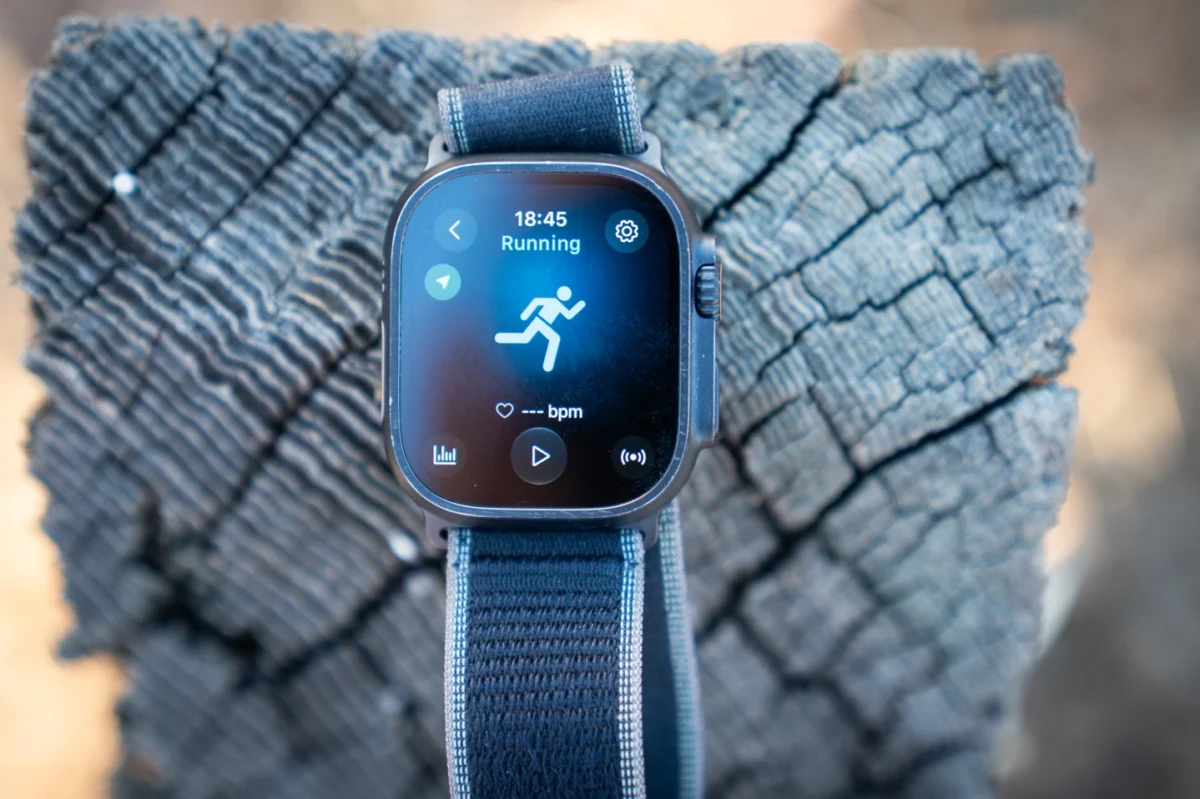
Years after the discontinuation of the Wahoo RIVAL multisport watch, fitness technology company Wahoo Fitness is making a strategic reentry into the running sector. Rather than launching new dedicated hardware, the company has introduced a comprehensive Apple Watch application integrated into its broader software and training platform. This software-first approach allows runners and multisport athletes to leverage Wahoo’s advanced data-recording capabilities and structured training environments directly from their existing wristwear.

The timing of this release coincides with Wahoo’s continued hardware presence in the endurance sports market, most notably through the high-end Wahoo KICKR RUN treadmill. By bridging the gap between indoor treadmill mechanics and outdoor GPS tracking, the company aims to capture a segment of the athletic population that relies on Apple’s ecosystem for daily wear yet desires the deep data customization traditionally reserved for dedicated cycling computers and specialized sports watches.
Architecture of the Apple Watch Application
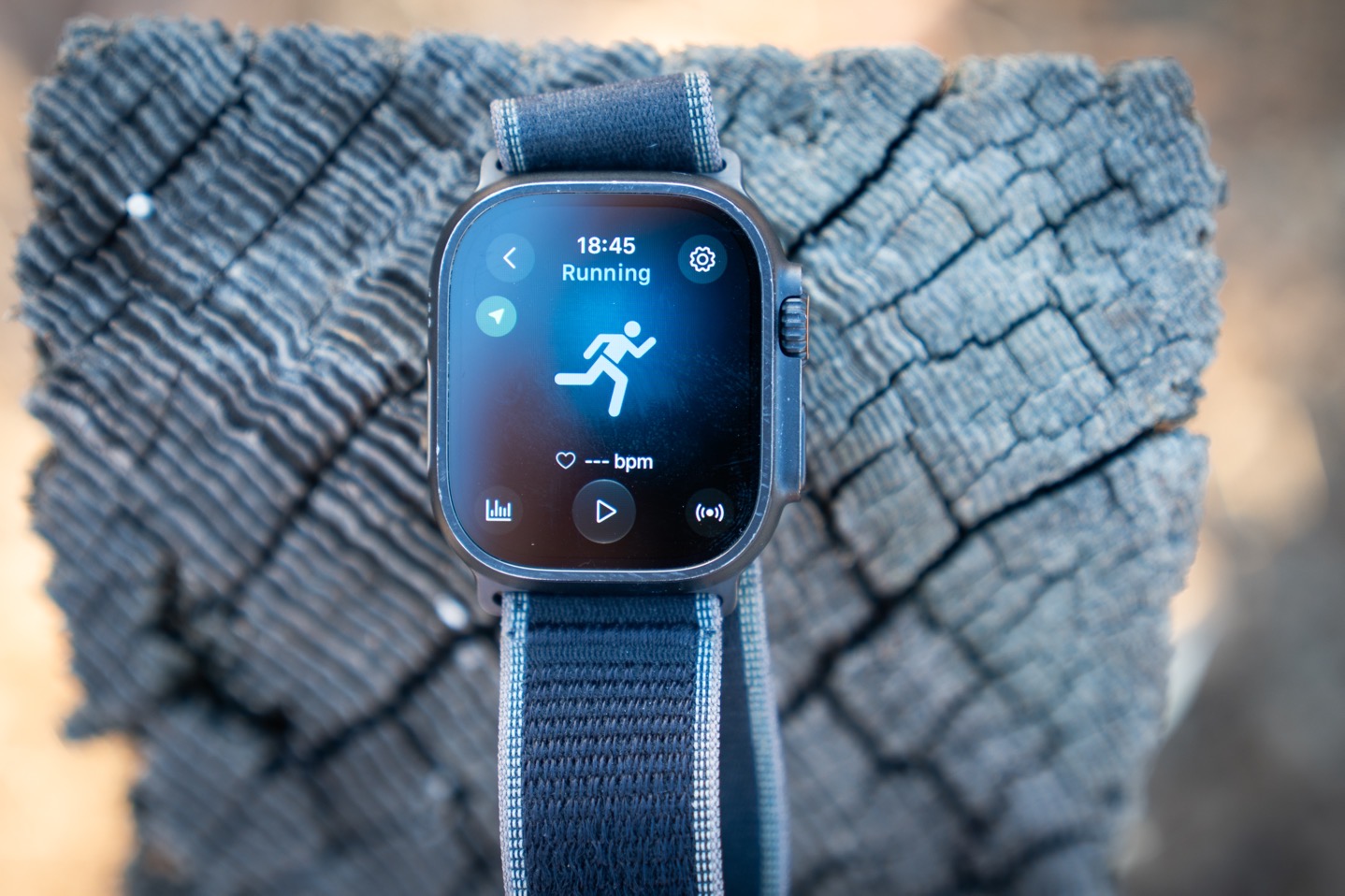
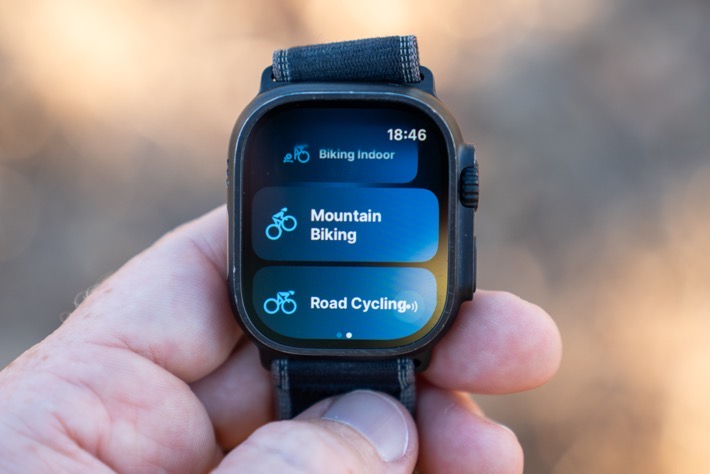
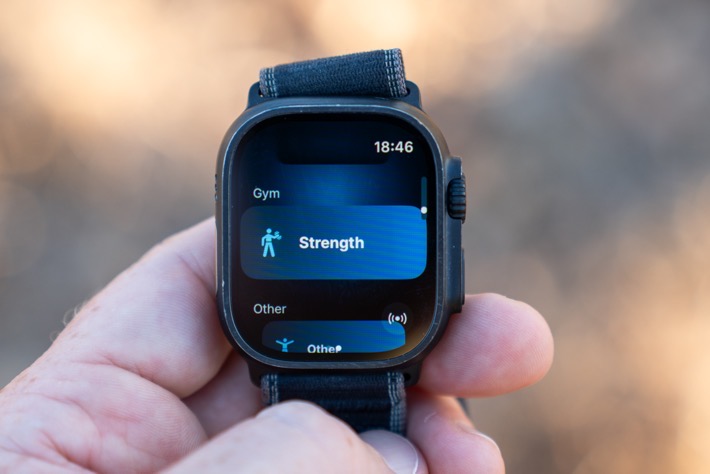
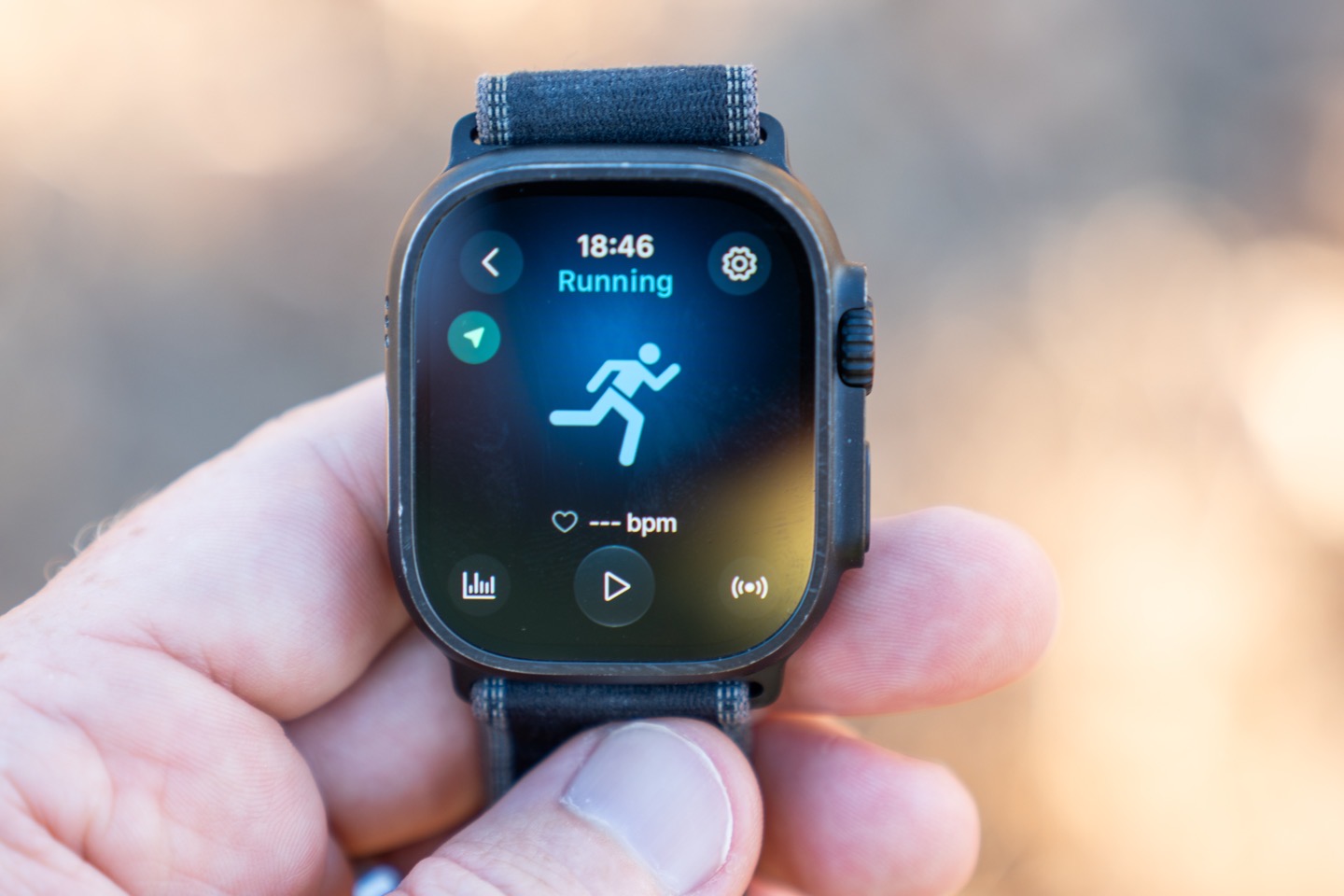
The newly released application is bundled directly with the core Wahoo Fitness iOS application. Upon installation on an iPhone, the companion app typically deploys automatically to a paired Apple Watch. Once initialized, the software provides a comprehensive recording dashboard catering to outdoor running, treadmill running, indoor and outdoor cycling, mountain biking, gravel riding, walking, strength training, and general fitness profiles.
A central feature of the Apple Watch application is its expansive sensor-pairing capabilities. Users can connect external third-party heart rate monitors, cycling power meters, speed and cadence sensors, and the KICKR RUN treadmill directly to the watch. This capability positions the Apple Watch, when paired with the Wahoo app, as a functional alternative to traditional bike computers or specialized sports watches.
Data Customization and Perfect View Zoom
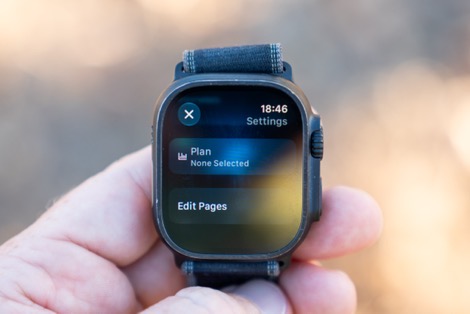
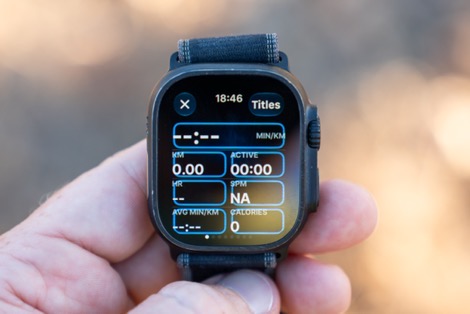
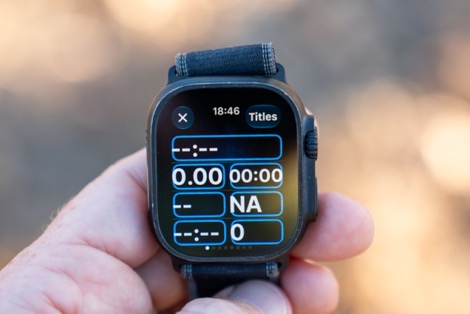
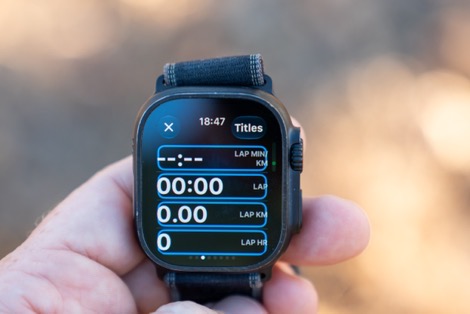
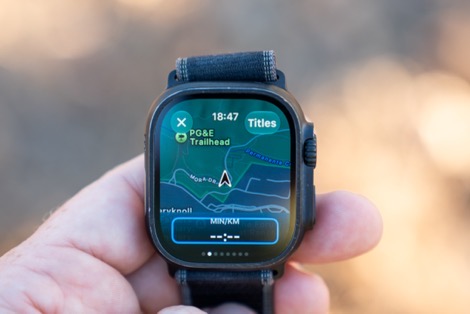
Unlike the stock Apple Fitness workout interface, the Wahoo application borrows heavily from the design philosophy of the Wahoo ELEMNT bike computer series. The app supports up to seven data fields per screen across approximately seven customizable data pages.
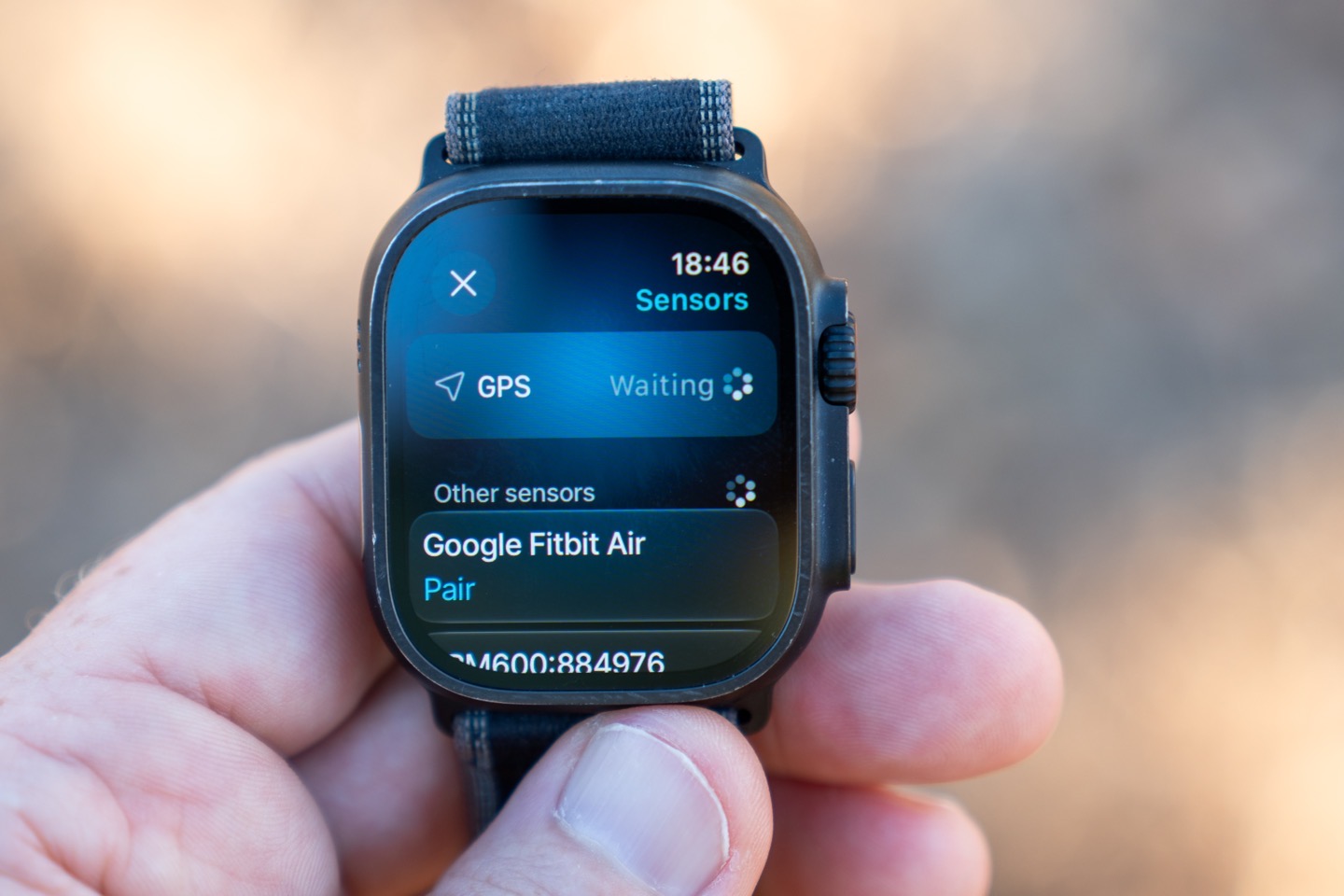
A notable inclusion is Wahoo’s proprietary "Perfect View Zoom" feature. Utilizing the Apple Watch’s Digital Crown, users can dynamically scale the number of visible data fields during a workout. Scrolling in one direction reduces the number of fields while enlarging the remaining metrics for immediate visibility, whereas scrolling in the opposite direction increases data density. Furthermore, the application integrates structured workouts imported from Wahoo SYSTM, providing visual alerts and notifications as athletes approach and transition through individual interval segments.
The Broader Wahoo Training Ecosystem and Subscription Model
The launch of the Apple Watch app is a component of Wahoo’s larger push toward recurring digital revenue through a tiered subscription architecture. The Wahoo application ecosystem currently operates across three distinct pricing tiers:
- Free Tier: Includes basic workout tracking on mobile and watch hardware, alongside forthcoming recovery metrics.
- Wahoo CORE (priced at $4.99 / £4.99 / €4.99 per month): Unlocks advanced training load features, including Dimensional Training Load (DTL) analytics.
- Wahoo PRO (priced at $17.99 / £14.99 / €17.99 per month): Provides personalized training recommendations, an extensive workout library, and advanced planning tools.
While the data-rich user interface provides granular post-workout metrics comparable to platforms like TrainingPeaks, certain limitations within the ecosystem have drawn scrutiny from analysts. Dimensional Training Load calculations—which measure cumulative training stress—are currently restricted to running, cycling, and walking sessions. Other activities, such as strength training or yoga, are measured solely by duration without factoring in heart rate intensity or perceived exertion scores. This methodology can skew overall fatigue metrics if an athlete logs diverse cross-training routines.
Additionally, while Wahoo offers an extensive library of standalone running workouts, the platform currently lacks comprehensive, dedicated multi-week running training plans (such as marathon or half-marathon build programs). Existing structured plans are largely tailored toward cycling or multi-sport triathlon training.
Background Context and Market Implications
Wahoo’s historical footprint in the wearable market was defined by the Wahoo RIVAL watch, released in late 2020 as a multisport device aimed at triathletes. However, hardware challenges, software maturity issues, and fierce competition from established market leaders like Garmin and Apple led to the RIVAL’s eventual discontinuation.
By shifting toward an application-based model for the Apple Watch, Wahoo avoids the high capital expenditures and manufacturing risks associated with developing new proprietary wrist hardware. Instead, the company is positioning itself as a software and training ecosystem provider. Company executives have noted that a significant portion of KICKR RUN treadmill owners already utilize Apple Watches, making a dedicated iOS-integrated app a logical step to unify indoor and outdoor training logs.
Future Roadmap and Industry Challenges
Looking ahead, Wahoo has outlined plans to expand the platform’s capabilities later this fall. Anticipated updates include the integration of continuous 24/7 health and sleep metrics sourced from the Apple Watch, mirroring the recovery tracking features previously embedded in the RIVAL ecosystem. Automated daily workout recommendations are also under development.
Industry analysts observe that Wahoo enters a crowded market segment heavily influenced by artificial intelligence-driven training platforms and native smartwatch operating systems. Providing static structured workouts via a subscription model faces stiff competition from free online programming and specialized running apps. However, for athletes already embedded in the Wahoo ecosystem—particularly cyclists who incorporate running into cross-training or multisport routines—the consolidated platform offers a unified interface to manage multi-discipline data streams.
As Wahoo refines its software integration and rolls out enhanced recovery analytics, the success of this strategy will depend on the platform’s ability to offer distinct value propositions that differentiate it from native health ecosystems and established third-party training applications.