In the wake of Venezuela’s devastating double earthquake disaster on June 24, 2026, a unique technological intervention emerged from the rubble: advanced snake-like robots, deployed by US robotics researchers, slithered into collapsed structures to search for trapped survivors. This innovative application of biomimetic robotics offered a critical, albeit figurative, helping hand amidst a humanitarian crisis that claimed over 5,000 lives, injured 16,740 people, and inflicted an estimated $19.6 billion in damages, according to the World Bank. The deployment showcased the potential of cutting-edge robotics in urban search and rescue (USAR) operations, navigating perilous environments inaccessible to traditional methods and extending the reach of global humanitarian efforts.
The Catastrophe: Venezuela’s Double Earthquake
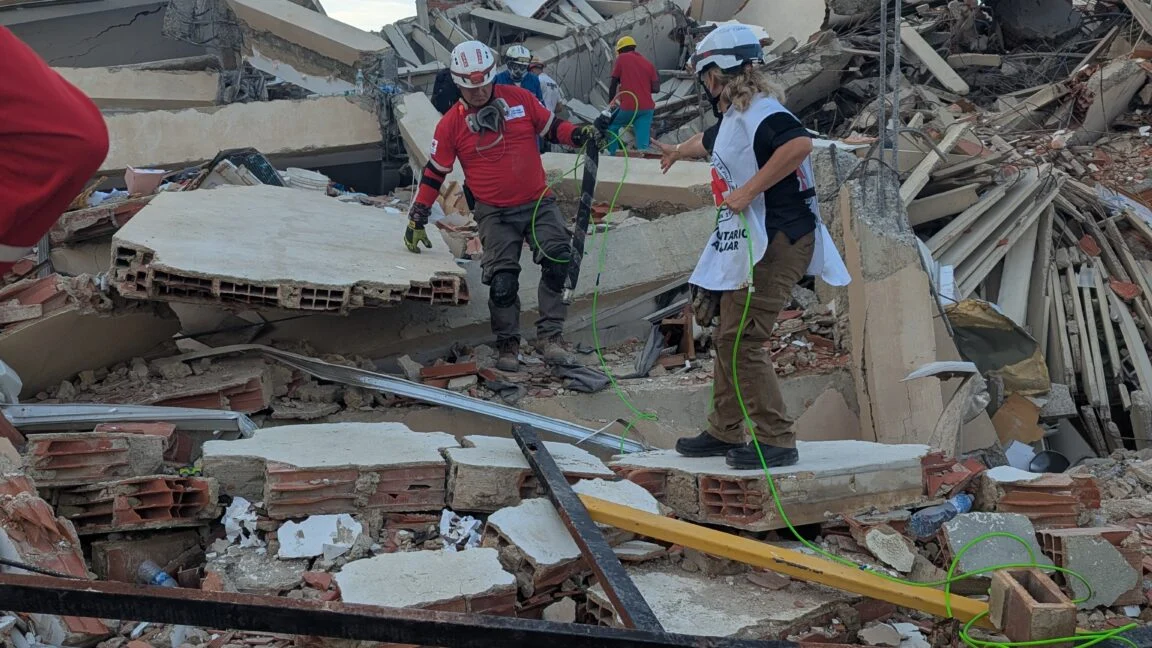
On June 24, 2026, Venezuela was struck by two powerful earthquakes, causing widespread destruction across the northern regions of the country, particularly impacting coastal areas and densely populated urban centers. While the exact magnitudes were not immediately specified in initial reports, the scale of the devastation, with thousands of casualties and widespread structural collapses, indicated significant seismic activity. The tremors, occurring in rapid succession, compounded the damage and triggered a complex emergency response. Buildings crumbled into precarious heaps of concrete and twisted metal, trapping countless individuals beneath tons of debris. The capital, Caracas, and the port city of La Guaira were among the hardest hit, with infrastructure severely compromised and communities grappling with immediate survival needs.
The disaster quickly escalated into a national emergency, prompting an urgent appeal for international assistance. Search and rescue teams from around the globe mobilized, bringing with them a diverse array of tools and expertise. Trained dogs, renowned for their olfactory capabilities, worked tirelessly alongside human handlers. Seismic and acoustic listening devices were employed to detect faint sounds of life, while video cameras on telescopic sticks and thermal imaging cameras probed voids for any signs of warmth or movement. However, the sheer density and instability of the debris presented unprecedented challenges, limiting the effectiveness of even these specialized tools. It was into this complex and dangerous landscape that the Carnegie Mellon University’s snake robots were introduced, offering a novel solution to an age-old problem.
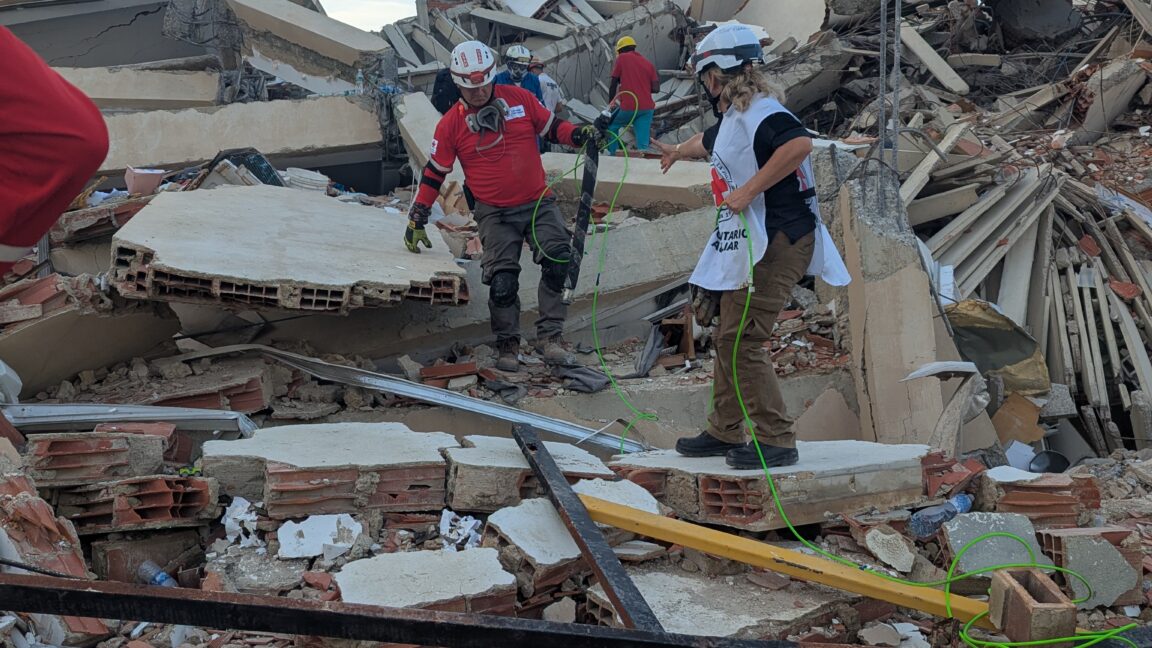
A New Frontier in Search and Rescue: The Snake Robots
The snake robots, developed by the Biorobotics Lab at Carnegie Mellon University (CMU) in Pittsburgh, represent a significant leap forward in disaster response technology. Each robot, approximately four feet in length, boasts a modular design, comprising individual body segments that can be easily swapped, repaired, or upgraded. This modularity not only enhances field maintainability but also allows for adaptability to different environments and mission requirements. Controlled by a human operator using a video game controller and a tethered laptop, these robots leverage sophisticated software algorithms to autonomously coordinate their body segments, enabling fluid, snake-like movements through incredibly tight and irregular spaces. Equipped with a forward-facing video camera, they provided real-time visual feedback, effectively extending the eyes of rescue workers into areas previously unreachable.
Howie Choset, head of CMU’s Biorobotics Lab, articulated the core advantage of these robots: "The reason why snake robots are useful is they can get into tightly packed volumes that machinery and people otherwise cannot, and that’s important in search and rescue because we were able to extend the visual reach of the rescue workers in a safe way." He likened their operation to "minimally invasive surgery on a structure," highlighting their precision and ability to probe delicate, unstable environments without further endangering potential survivors or rescue personnel. This capability is crucial in situations where larger machinery could cause secondary collapses, and human entry carries extreme risks.
The development of these serpentine automatons has been a two-decade endeavor for Choset and his team. Over the years, different iterations of the snake robots have been designed for a variety of applications, from exploring archaeological sites to swimming underwater for inspection tasks, and even assisting in minimally invasive surgery. Their first significant deployment in a real-world search and rescue scenario occurred following the September 19, 2017, earthquake in Mexico City, where they aided in the search of a collapsed apartment building. That initial success proved the concept and laid the groundwork for their critical role in Venezuela.
An Unforeseen Call to Action
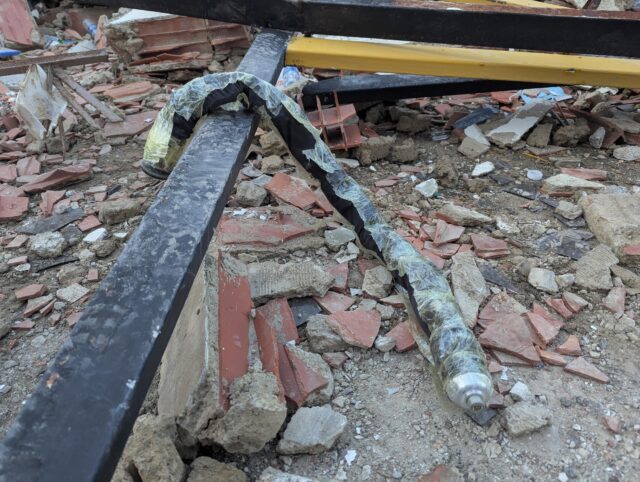
The genesis of the Venezuelan deployment was as unexpected as it was urgent. Beatriz Gonzalez, a Venezuelan expatriate residing in Atlanta, was desperately seeking ways to assist her homeland after the devastating earthquakes. In a testament to the growing influence of artificial intelligence, Gonzalez consulted the AI chatbot Grok for guidance. Grok, drawing upon its vast knowledge base, directed her to a Carnegie Mellon University article detailing the snake robots’ 2017 operation in Mexico City. Seizing on this lead, Gonzalez promptly contacted Choset’s lab.
The CMU robotics researchers, driven by a profound sense of humanitarian duty, were quick to respond. The decision to deploy was made under rather unconventional circumstances: while onstage preparing to demonstrate their robots during a concert celebrating America’s 250th anniversary at Pittsburgh’s Point State Park on June 27. Choset humorously recounted the moment, stating, "We were on between Third Eye Blind and Nelly the rapper." This swift commitment ignited a flurry of activity, as the team embarked on a frenzied overnight packing and preparation mission. Essential tasks included replacing head-mounted cameras on several robots to ensure optimal functionality and gathering extra batteries for the control cases, which also served as the robots’ power supply. Within a mere 24 hours, the team, comprising Choset and his colleagues, was en route to Miami with three snake robots, bound for Venezuela.
The journey, however, encountered its first significant hurdle in Miami on June 28. The planned stopover stretched longer than anticipated as the team scrambled to secure a private jet willing to fly into Venezuela. Restrictions imposed by the Venezuelan government presented a considerable challenge, leading several jet owners to withdraw. It was at this critical juncture that Beatriz Gonzalez’s connections proved invaluable, as her assistance ultimately facilitated the necessary flight arrangements, allowing the team to continue their vital mission.
On the Ground in La Guaira: A Race Against Time
Upon landing in Venezuela on June 30, the CMU team was met by US Marines, who then facilitated their transfer to the Venezuelan Red Cross. Their destination was La Guaira, a hard-hit city in the northern part of the country, where they would join an international consortium of search and rescue teams. For three intensive days, from June 30 to July 3, the researchers collaborated with teams from various nations, meticulously searching multiple sites of collapsed buildings.
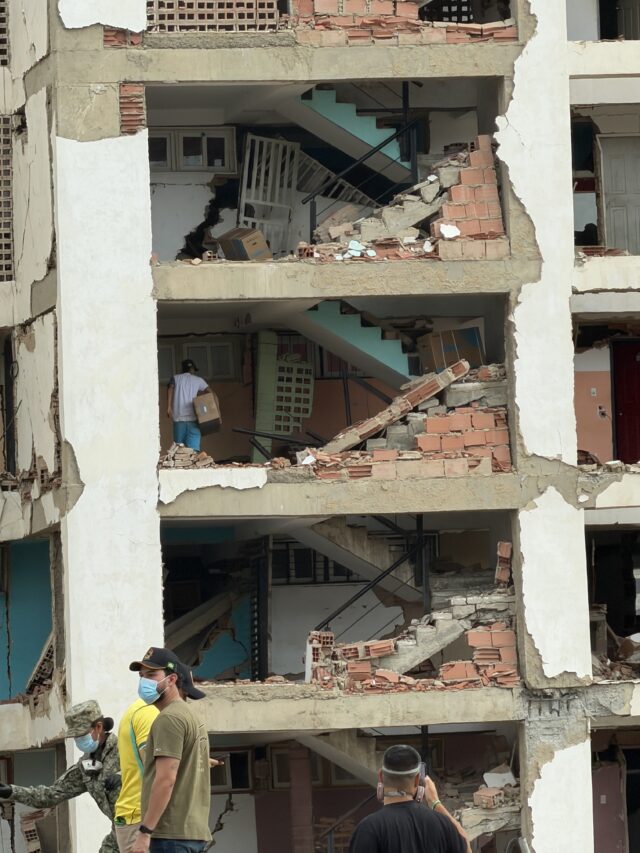
One particular incident vividly illustrated the challenges and complexities of urban search and rescue, as well as the unique contribution of the snake robots. At a collapsed apartment building, a Jordanian rescue team, relying on their highly trained canine unit, had concluded there were no survivors. In contrast, a Colombian team’s infrared cameras suggested the possible presence of a survivor. Faced with conflicting assessments and the immense pressure of potential life hanging in the balance, the Carnegie Mellon team deployed one of their snakebots into a small void in the rubble. A Venezuelan father stood nearby, his face etched with anguish and hope, silently watching, desperate for any news of his missing son.
The snake robot ventured deep, approximately 15 to 20 feet into the treacherous debris, its camera transmitting vital visual information back to the operator. Despite their best efforts and the robot’s extensive penetration, no survivor was found in that particular location. Yet, the father, in a profound display of resilience and humanity amidst unimaginable grief, expressed his heartfelt thanks to the robotics researchers for their tireless efforts. Choset, deeply moved by the encounter, remarked to Ars, "The people in Venezuela were beyond gracious." He further recalled the local Venezuelans consistently supplying the team with hot meals, sports drinks, and even a pound cake, demonstrating immense compassion for the rescuers even as they endured an immense burden of suffering. "They were very caring, and they’re showing this kind of love, this kind of affection for us while they’re suffering a burden that no human should ever have to suffer," Choset reflected.
The Broader Context: Aid, Politics, and Recovery
The Venezuela earthquake disaster prompted a significant international humanitarian response. The United Nations, recognizing the scale of the catastrophe, launched an appeal for nearly $300 million to assist over 1.3 million people affected by the seismic events. The World Bank’s estimate of $19.6 billion in structural damage underscored the monumental task of rebuilding facing the nation.
However, the humanitarian crisis unfolded against a complex geopolitical backdrop. The article highlights that the Trump administration had previously collected more than $13 billion in revenues from Venezuelan oil exports and sales. This revenue stream was seized following the capture of President Nicolás Maduro in a military raid in January and securing the cooperation of Vice President Delcy Rodríguez. While such funds could ostensibly contribute significantly to Venezuela’s recovery and reconstruction efforts, questions have arisen regarding their allocation. The Financial Times reported on the sluggish economic recovery in the country, raising concerns about whether all the oil money had been made available for Venezuela’s use. Despite inquiries from US lawmakers, the Trump administration had not clarified how it was handling these substantial funds, adding a layer of political complexity to the disaster relief efforts. This situation underscores how international political tensions and economic sanctions can inadvertently complicate humanitarian aid and long-term recovery in a nation already grappling with a severe crisis.
Return and Future Horizons for Robotic Rescue
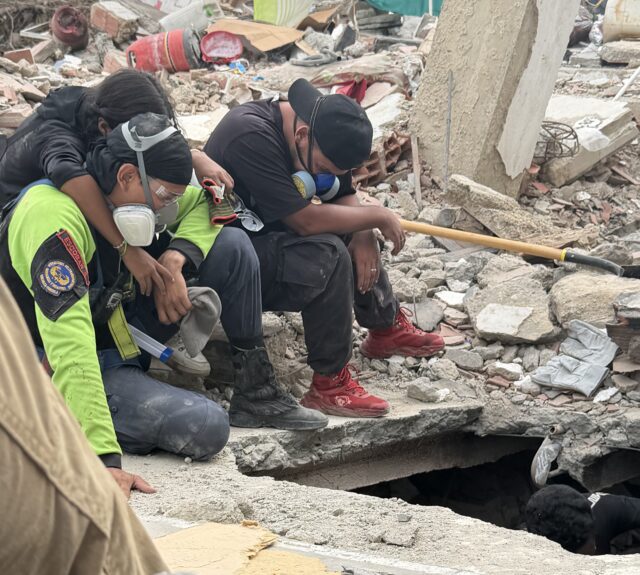
Ultimately, the CMU snakebot team returned to the United States without having personally located a survivor. Nevertheless, their mission was part of a broader, global effort that saw nearly 6,500 people rescued by search and rescue teams from various countries. The impact of their technology, while not always leading to a direct rescue by their hands, significantly enhanced the overall search capabilities and provided crucial information to other teams.
A serendipitous encounter upon his return brought Choset a personal connection to the broader rescue narrative. He engaged in a lengthy conversation with a woman whose husband, a security guard, had been trapped for eight days in the collapsed basement of a shopping center. Choset later described himself as overjoyed to learn that the man had been pulled out alive, a testament to the incredible resilience of survivors and the perseverance of rescue workers. "She had two kids, and the age difference was the same as my two boys, so it hit home for me there," Choset shared, highlighting the profound human impact of such disasters.
Looking ahead, the Carnegie Mellon researchers are already identifying key areas for improving their snake robots for future deployments. A top priority is the integration of light-based sensors to enable 3D point cloud mapping of the robot’s environment. This capability would provide robot operators and search and rescue teams with a much more detailed and intuitive understanding of the subterranean landscape, significantly improving navigation and target identification beneath collapsed structures. This advancement would transform the robot’s visual feed into a spatial understanding, crucial for effective navigation in complex, unstructured environments.
Following their intense experience in Venezuela, the team also diligently compiled notes about their journey, creating a comprehensive "to-do list" for any unexpected future missions. Choset emphasized, "The big thing is what to pack and how to pack," underscoring the practical logistics that become paramount in rapid international deployments.

While the snake robots are still very much considered research prototypes rather than fully operational, commercially available tools for search and rescue, their performance in Venezuela validated years of dedicated research and development. Choset attributed this success to his team’s extensive prior experience and rigorous training in various search and rescue scenarios, which involved iterative cycles of "breaking and fixing" the robots to continually enhance their capabilities. He also highlighted his lab’s foundational philosophy: investing the time and energy to build robust robots that can reliably function beyond mere research demonstrations. "My students and staff took the attitude of, ‘Let’s make sure these are robust systems as much as possible,’ so that when we’re doing our research, we’re not constantly fighting with the robot to get things to work," Choset concluded. This commitment to robustness ensures that when the call for help comes, these technological "helping hands" are ready to answer. The Venezuela earthquake underscored the critical need for such innovations, propelling the field of robotic search and rescue further into the spotlight as an indispensable component of future disaster response.