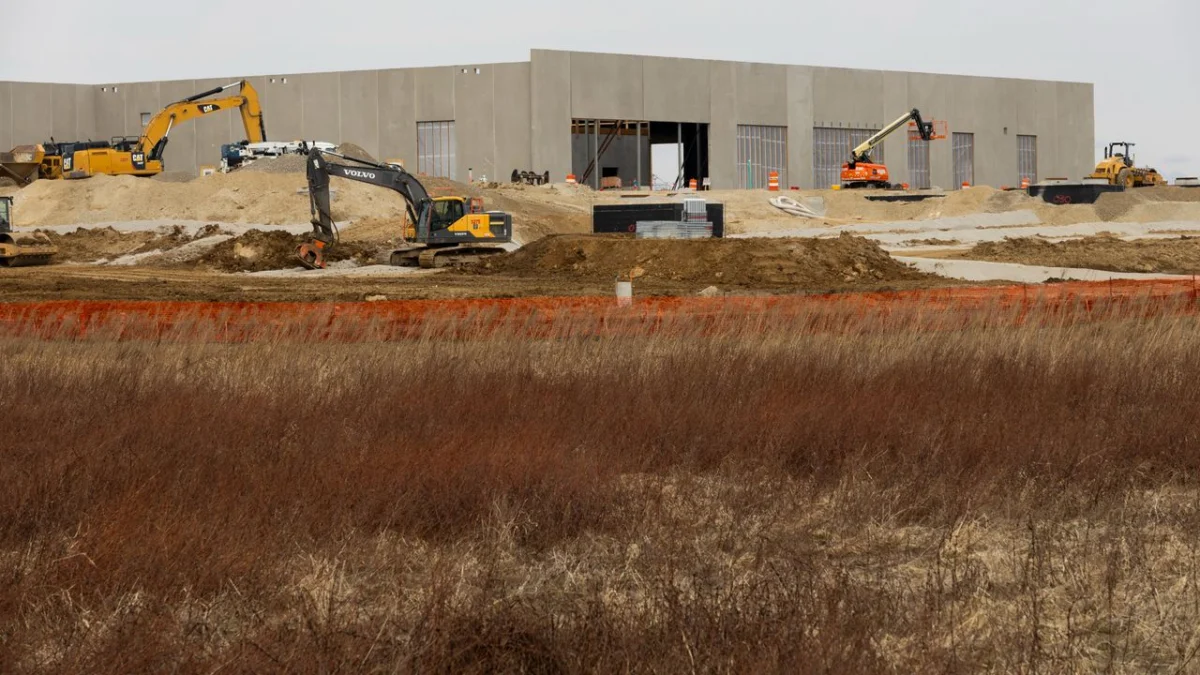











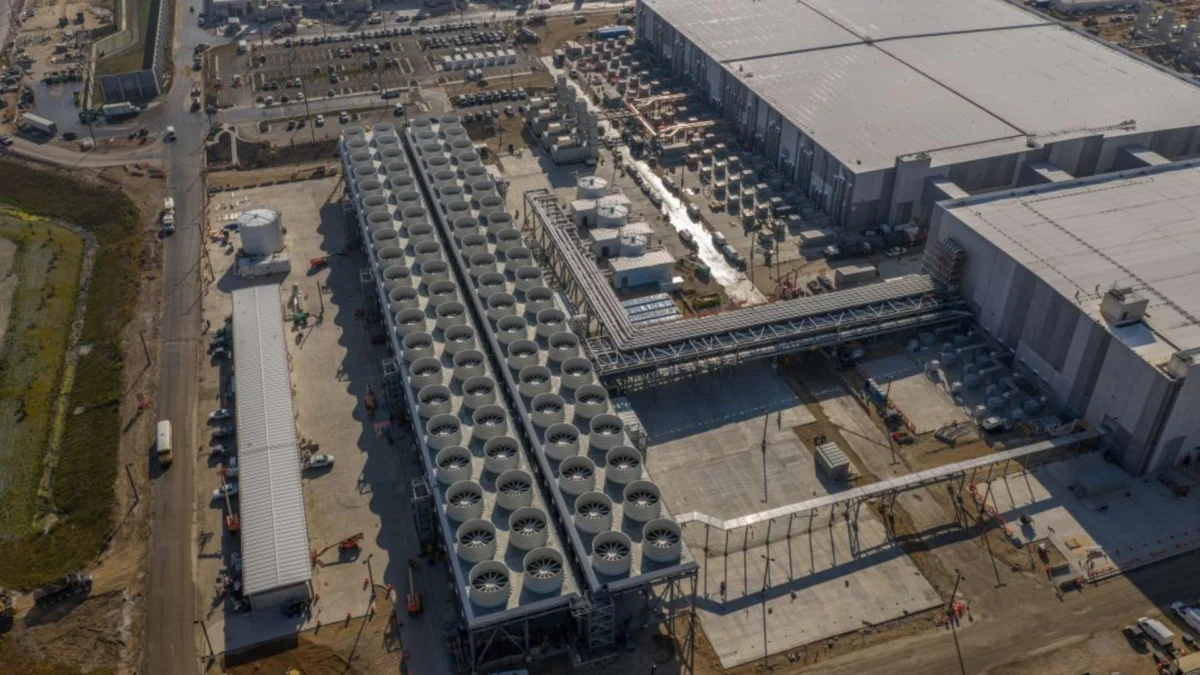
Artificial intelligence leader OpenAI is reportedly laying the groundwork for an ambitious and extensive public relations initiative designed to reshape the American public and political perception of artificial intelligence. According to reports from Axios, the strategic campaign involves a multifaceted approach to influence national policy discourse, including a notable proposal to rebrand industrial data centers as AI Compute Campuses. This linguistic and conceptual shift represents an effort to frame the sprawling, resource-intensive infrastructure required to power modern large language models not as cold, industrialized monoliths, but as innovative, community-integrated hubs of technological progress.
The planned rollout is strategically timed to coincide with the November 3 U.S. midterm elections, serving as a critical testing ground for a broader, high-stakes lobbying and communications playbook targeting the 2028 presidential race. As the technological landscape rapidly evolves, artificial intelligence has transitioned from a niche computer science topic into a central fixture of geopolitical competition, macroeconomic policy, and domestic political debate. OpenAI’s leadership recognizes that the coming electoral cycles will determine the trajectory of federal oversight, energy allocation, and market access for years to come.
Chris Lehane, OpenAI’s chief global affairs officer and a veteran political strategist, characterized the upcoming midterms during internal and industry discussions as a precursor to the political environment of the near future. Describing the legislative and electoral battles of the midterms as "a bit of a movie trailer for what you’re going to see in 2028," Lehane highlighted the anticipation within the tech sector that AI will emerge as a defining wedge issue for presidential candidates. The technology’s profound implications for workforce displacement, economic restructuring, electricity grid stability, and environmental sustainability ensure that it will remain at the forefront of public consciousness.
The Evolution of AI Advocacy and the Infrastructure Challenge
The debate surrounding artificial intelligence has shifted dramatically over the past several years. When generative AI tools first captured mainstream attention, public discourse was largely dominated by existential musings, questions of intellectual property, and academic debates regarding machine consciousness. Today, the conversation has grounded itself in physical reality, driven by the massive infrastructure demands required to train and deploy advanced frontier models.
Data centers—the physical backbone of the artificial intelligence boom—have become flashpoints in local communities across the United States. Facilities requiring hundreds of megawatts of continuous power demand unprecedented capacity from local electrical grids, leading to complex debates over utility rates, carbon emissions, and the potential reopening of dormant fossil fuel plants or nuclear reactors to keep pace with demand. By proposing the term AI Compute Campuses, OpenAI aims to humanize and modernize the image of these facilities. The phrasing evokes educational or research-oriented environments rather than industrial manufacturing plants, subtly altering public perception regarding land use, noise pollution, and environmental impact.
This rebranding effort is part of a broader corporate strategy to transition from a purely research-focused laboratory into an entrenched global infrastructure titan. As the company navigates questions regarding its corporate structure, commercialization path, and relationship with major hardware and energy partners, managing its public reputation has become an existential corporate priority.
Chronology of the Policy and Public Relations Push
The trajectory leading to OpenAI’s current legislative and communications strategy has evolved rapidly alongside the commercial success of generative AI. Understanding the timeline of these developments provides essential context for the current maneuvering ahead of the midterm elections.
In late 2022 and throughout 2023, the sudden proliferation of consumer-facing AI models caught policymakers largely unprepared. Federal and state lawmakers rushed to understand the technology, leading to a flurry of congressional hearings, executive orders, and proposed bills focusing on safety standards, copyright law, and national security safeguards. During this initial phase, OpenAI actively participated in voluntary white-house commitments and engaged in reactive policymaking, attempting to guide rather than dictate the regulatory framework.
By 2024, as the commercial applications of AI expanded into enterprise software, healthcare, and defense, the lobbying expenditures of major technology firms surged. OpenAI, alongside competitors such as Microsoft, Google, and Meta, began building robust public affairs divisions. The focus shifted from basic safety guidelines to foundational policy areas: sovereign AI initiatives, export controls on advanced semiconductors, federal funding for public computing resources, and energy policy.
In 2025, the logistical bottlenecks associated with scaling AI infrastructure became glaringly apparent. Power supply constraints, transformer shortages, and water usage for cooling data centers transformed the AI debate from a software-centric discussion into an energy and real estate challenge. Local zoning boards began pushing back against proposed data center builds in states like Virginia, Texas, and Ohio. Recognizing that local friction could translate into national legislative roadblocks, OpenAI’s public affairs team began formulating targeted campaigns to address grassroots concerns.
As the political calendar turns toward the November 3 midterm elections, OpenAI is positioning itself to execute a proactive messaging campaign. This initiative is designed not merely to defend the company against regulatory scrutiny, but to actively shape the narrative that AI infrastructure is a national security imperative vital to maintaining American technological dominance against international competitors, particularly China.
Data and Economic Realities Driving the Campaign
The urgency behind OpenAI’s public relations offensive is underscored by hard economic and infrastructural data. Building and maintaining the data centers necessary for next-generation frontier models requires unprecedented capital expenditure and resource allocation.
According to industry estimates, training cutting-edge models now requires clusters of tens of thousands of specialized accelerators, such as graphical processing units (GPUs) and tensor processing units (TPUs), consuming tens or even hundreds of megawatts of electricity per facility. A single large-scale AI data center can consume as much electricity as a mid-sized American town, placing immense pressure on regional transmission organizations and utility providers.
At the same time, public polling indicates a growing divide in American sentiment regarding artificial intelligence. While business leaders and tech enthusiasts emphasize productivity gains, economic growth, and scientific breakthroughs in medicine and materials science, a significant portion of the workforce expresses deep anxiety regarding job security. Concerns over automation affecting white-collar professions, creative industries, and administrative roles have fueled populist skepticism toward unchecked technological expansion.
Environmental concerns further complicate the political landscape. Environmental advocacy groups and local citizen associations have raised alarms over the carbon footprint of AI training runs and the high water consumption required for server cooling towers. These localized disputes frequently transcend municipal boundaries, drawing the attention of state legislators and federal regulators who must balance grid reliability with technological advancement.
Official Responses and Industry Reactions
The strategic pivot by OpenAI has generated varied reactions across the political spectrum and within the broader technology sector. Lawmakers, labor unions, and energy sector representatives are closely monitoring how the company’s messaging campaign will unfold.
Proponents of the tech industry argue that aggressive infrastructure development is non-negotiable if the United States wishes to retain its geopolitical edge. Congressional allies of the tech sector have frequently emphasized that any regulatory overreach could cede leadership in artificial intelligence to foreign adversaries with fewer environmental or labor constraints. From this perspective, initiatives that smooth the path for data center construction—including creative public relations and community outreach—are viewed as essential for national competitiveness.
Conversely, labor advocates and environmental watchdogs have expressed skepticism regarding corporate rebranding efforts. Representatives from labor organizations have argued that semantic shifts, such as renaming data centers to compute campuses, do little to address the fundamental economic disruptions associated with workforce automation. Critics emphasize that public policy discussions must focus heavily on worker retraining, economic safety nets, and enforceable environmental standards rather than corporate-sponsored reputation management.
Energy industry analysts have also weighed in, noting that while tech companies are eager to brand their facilities as innovative hubs, the underlying physics of power generation remain a formidable challenge. Utility providers have stressed that any large-scale expansion of AI infrastructure must be accompanied by long-term investments in clean energy generation and grid modernization to prevent rate increases for residential consumers.
Broader Impact and Implications for the 2028 Presidential Race
The implications of OpenAI’s post-midterm policy and public relations push extend far beyond immediate corporate reputation management. As Chris Lehane noted, the political dynamics of the midterm elections will establish the baseline parameters for how presidential candidates approach artificial intelligence in 2028.
As the 2028 electoral cycle approaches, candidates from both major political parties will be forced to articulate coherent platforms addressing the dual imperatives of fostering technological innovation and protecting American workers and communities. Issues such as federal subsidies for semiconductor manufacturing, energy grid expansion, intellectual property rights, and algorithmic transparency will likely become central debate topics on the national stage.
By attempting to anchor the public debate around the necessity of robust computing infrastructure—packaged under terms like AI Compute Campuses—OpenAI seeks to embed its operational model into the fabric of American economic policy. Whether this calculated PR offensive succeeds in swaying public opinion and neutralizing legislative headwinds will depend heavily on the company’s ability to address legitimate grassroots concerns regarding energy, environment, and economic security. As the nation heads toward the midterm elections and looks ahead to the political battles of 2028, the dialogue surrounding artificial intelligence has officially entered a new, highly politicized phase where the physical infrastructure of the digital age is as contested as the code itself.