







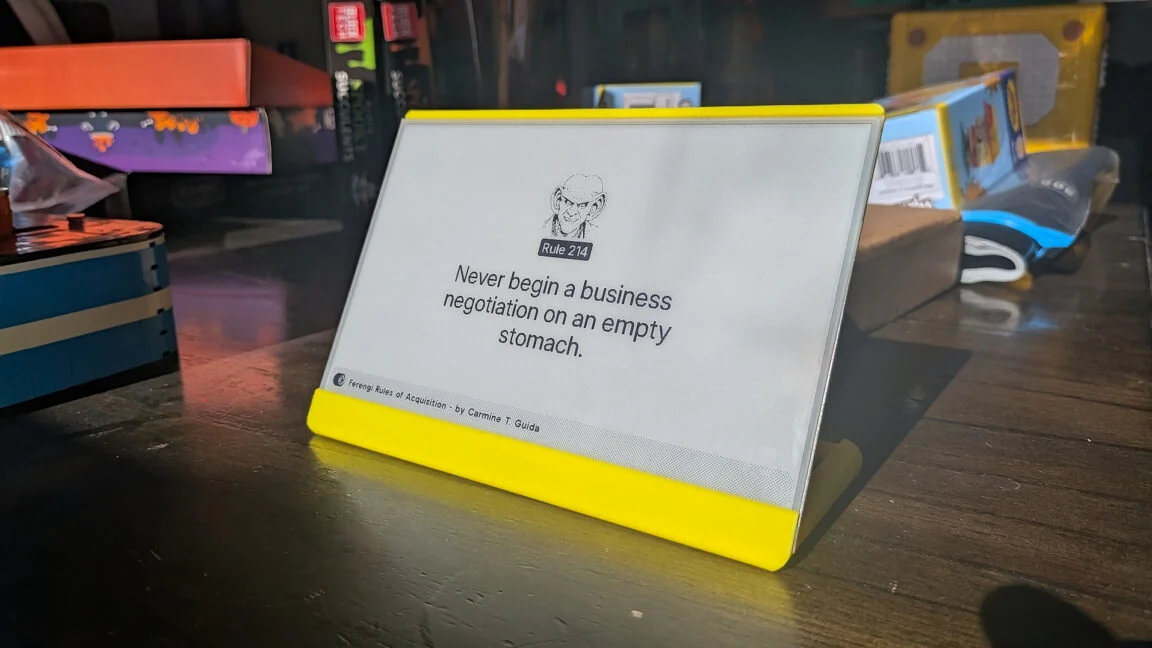
The landscape of smart home technology has long been dominated by high-resolution touchscreens and voice-controlled hubs that demand constant attention, frequent software updates, and, often, a subscription fee to unlock basic features. However, a growing movement in the maker community is pushing back against this "always-on" culture, favoring passive, low-power displays that provide essential information without the digital noise. The recent release of a $48 DIY e-paper display kit, developed through a partnership between Shenzhen-based hardware manufacturer Seeed Studio and the software platform TRMNL, represents a significant milestone in this shift toward intentional, privacy-focused home technology.
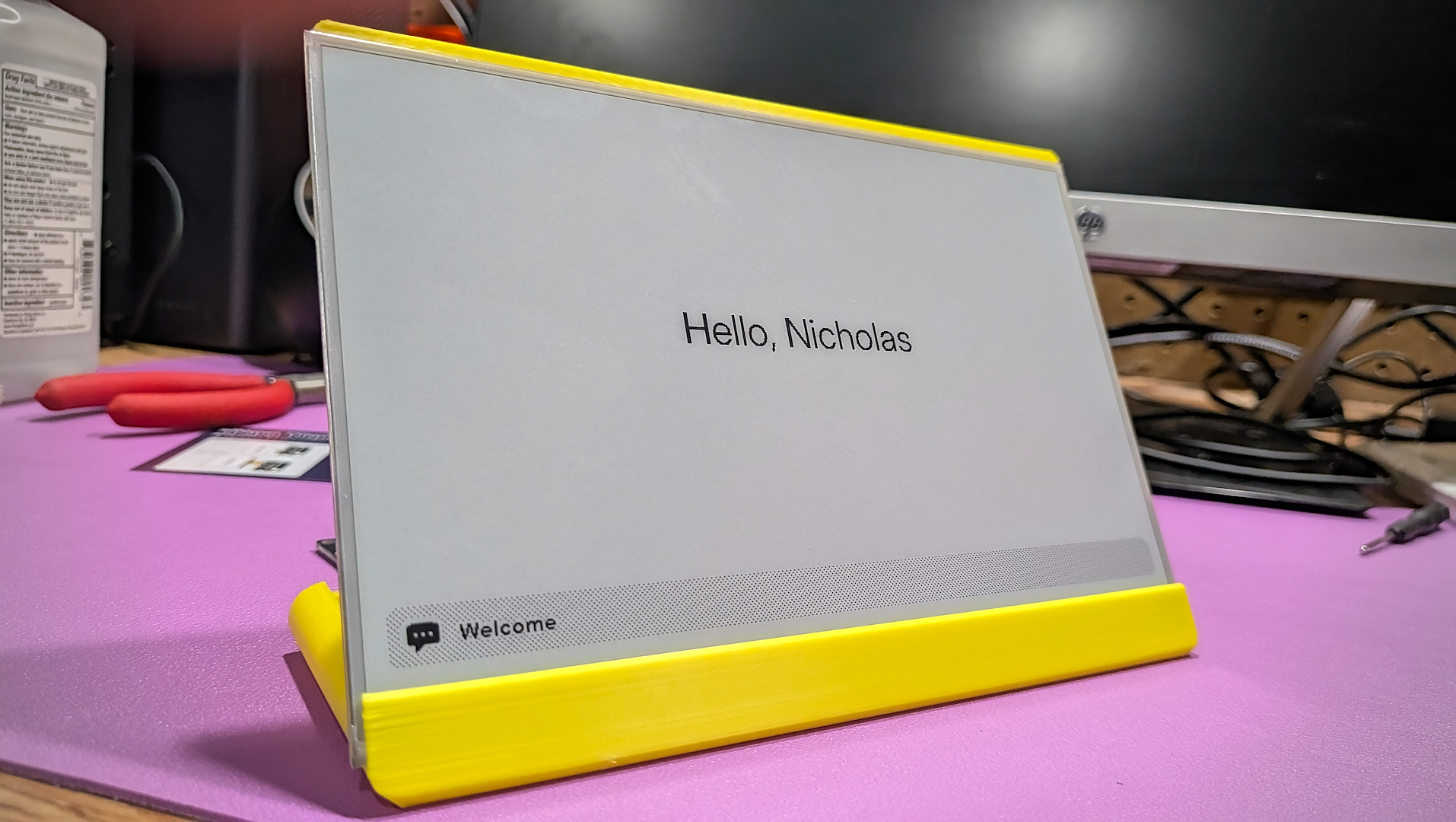
At its core, the kit is an exercise in functional simplicity. Unlike the $299 Apple HomeView or similar high-end smart home controllers, this device uses a 7.5-inch e-ink display that maintains an image without consuming power, refreshing only when new data is pushed to it. This design choice aligns with the broader "calm technology" philosophy, which posits that the most effective tools are those that integrate seamlessly into the background, providing information only when needed.
The Rise of the DIY E-Paper Ecosystem
The collaboration between Seeed Studio and TRMNL did not emerge in a vacuum. It began in 2023, when Ryan Kulp, an indie hardware enthusiast, founded TRMNL to address the frustration of fragmented smart home notifications. By 2024, the company launched its first e-paper device via a successful crowdfunding campaign, proving there was a market for dedicated, static information displays.
Seeed Studio, known for its XIAO series of compact microcontrollers, had already been experimenting with e-paper modules. In March 2025, when Seeed teased a new XIAO-based e-paper panel, the community response was immediate. Users began asking if the hardware could support TRMNL’s firmware. Recognizing the potential, the two companies entered into an official partnership in July 2025 to create a unified DIY kit. This move effectively combined Seeed’s manufacturing scale and open-hardware expertise with TRMNL’s robust, plugin-driven software infrastructure.
Deployment and Setup: A Three-Tiered Approach
The flexibility of the system is arguably its greatest strength, offering users three distinct paths to operation based on their technical comfort level and privacy requirements.
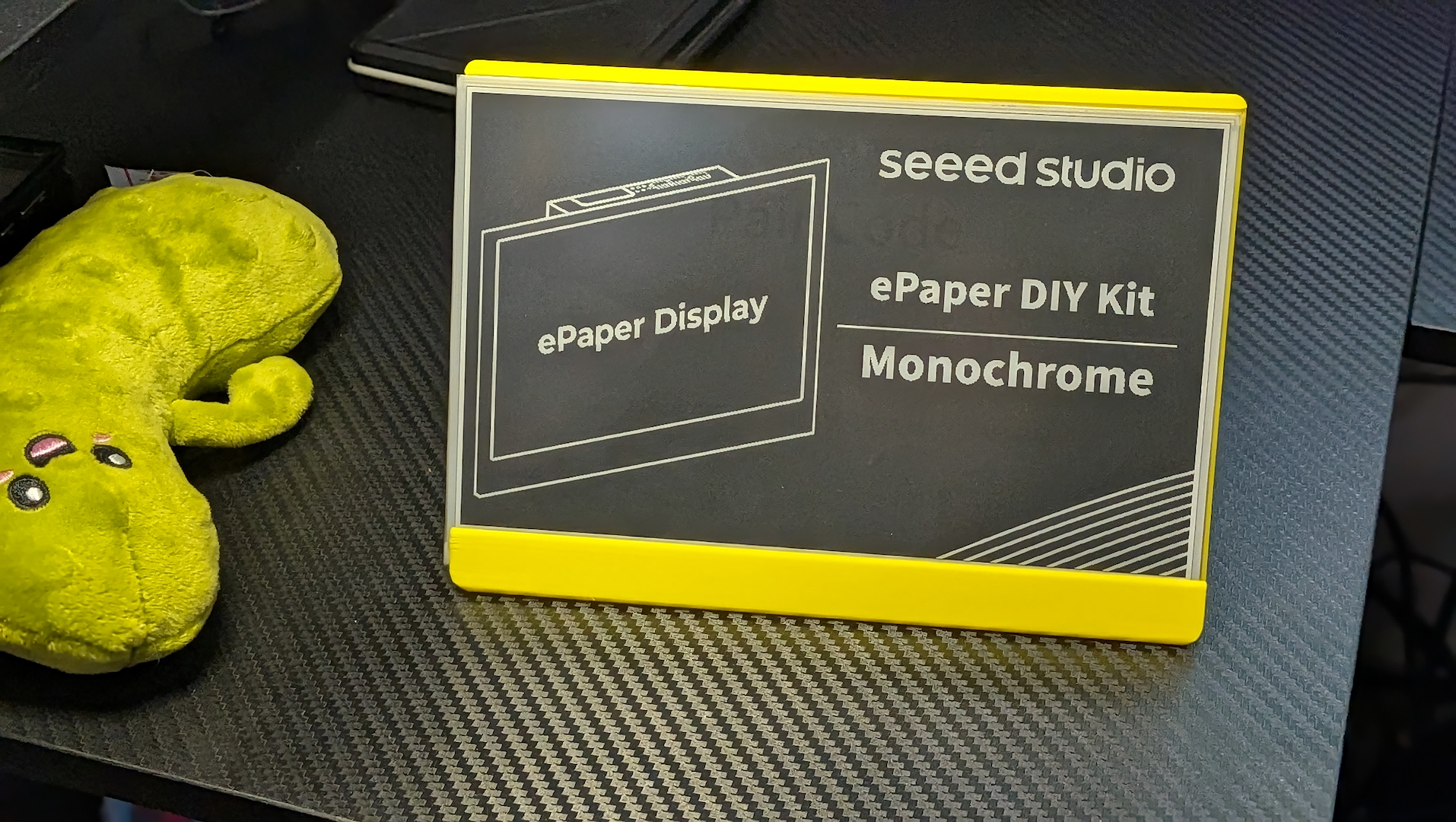
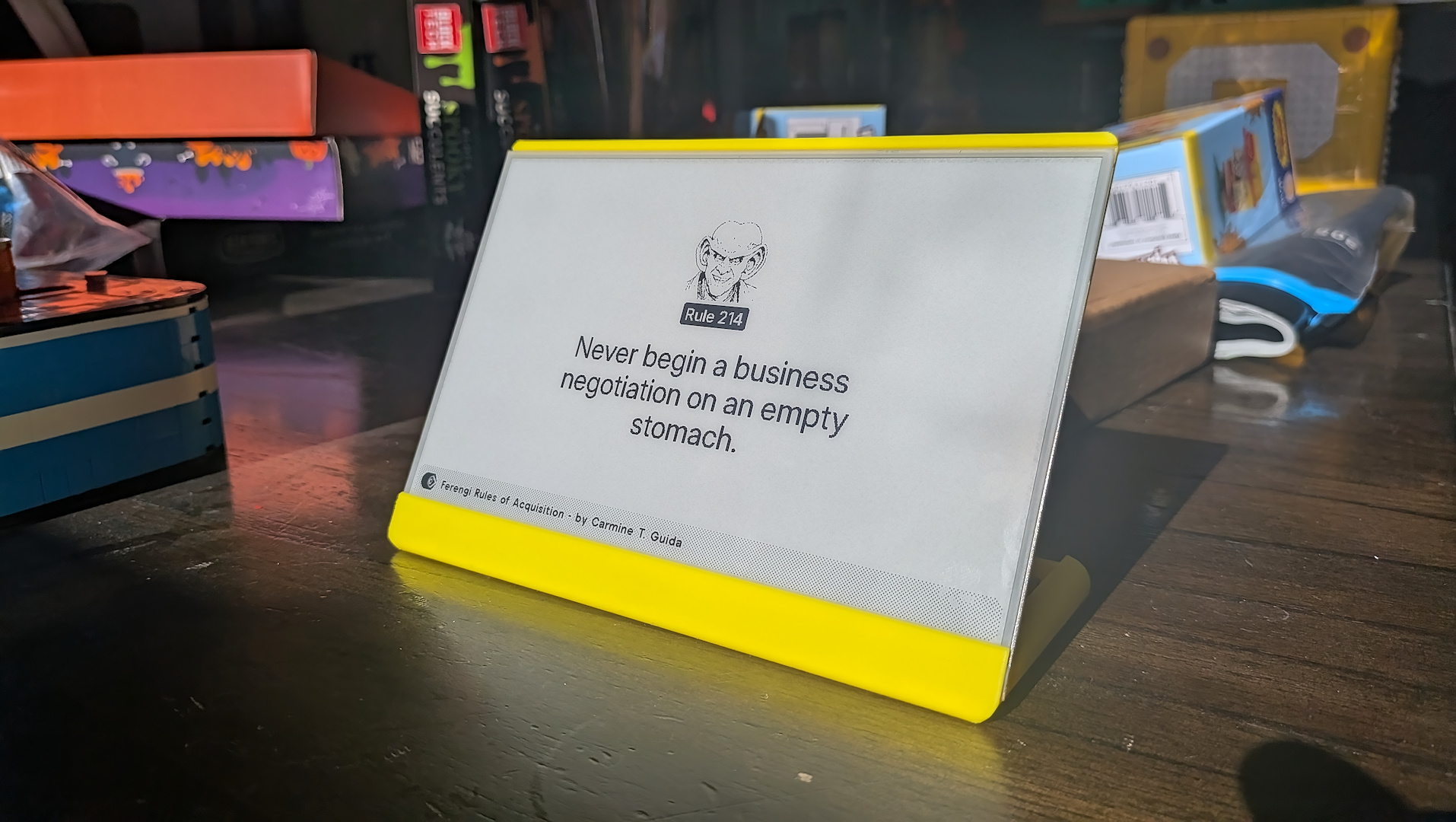
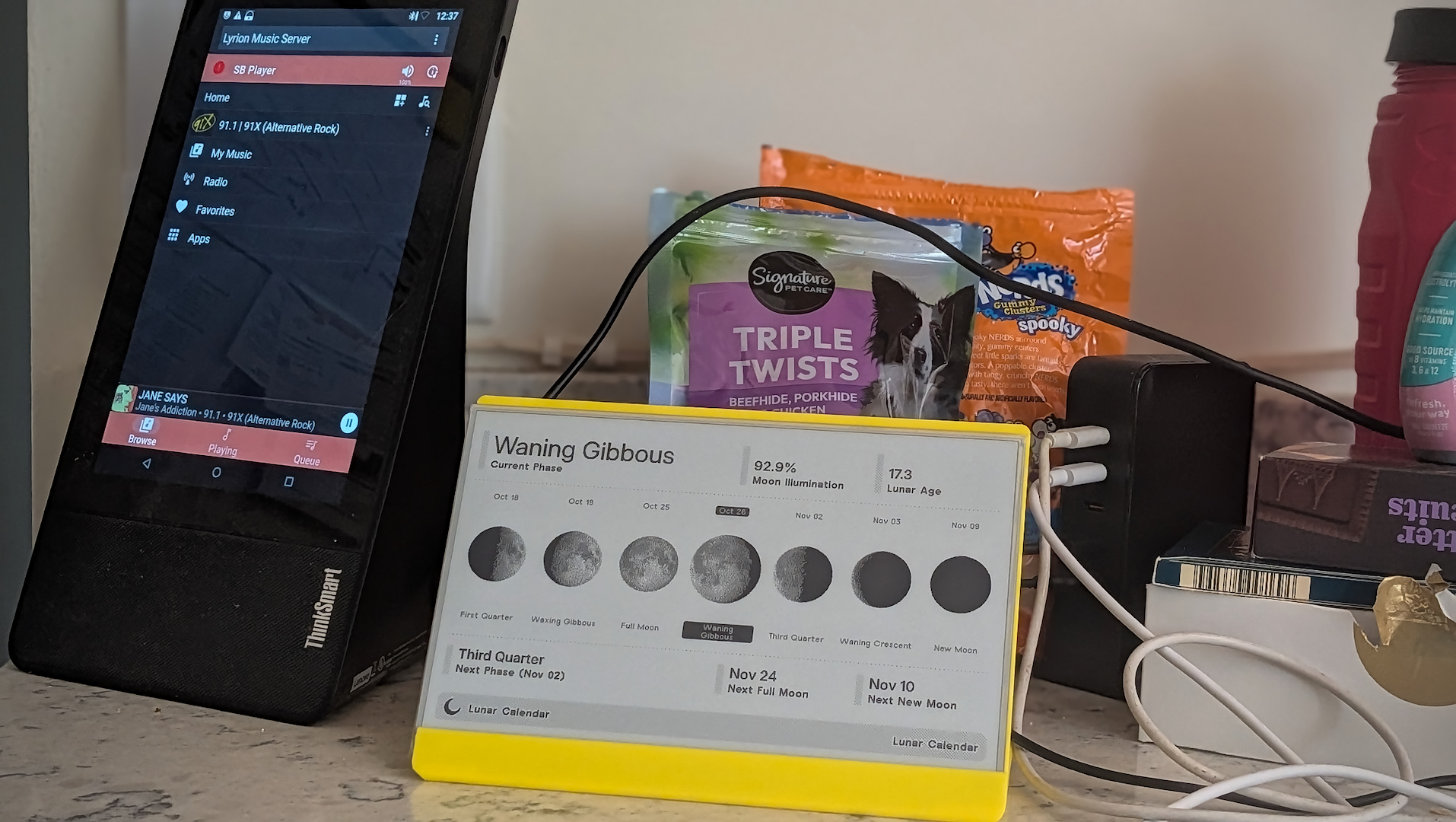
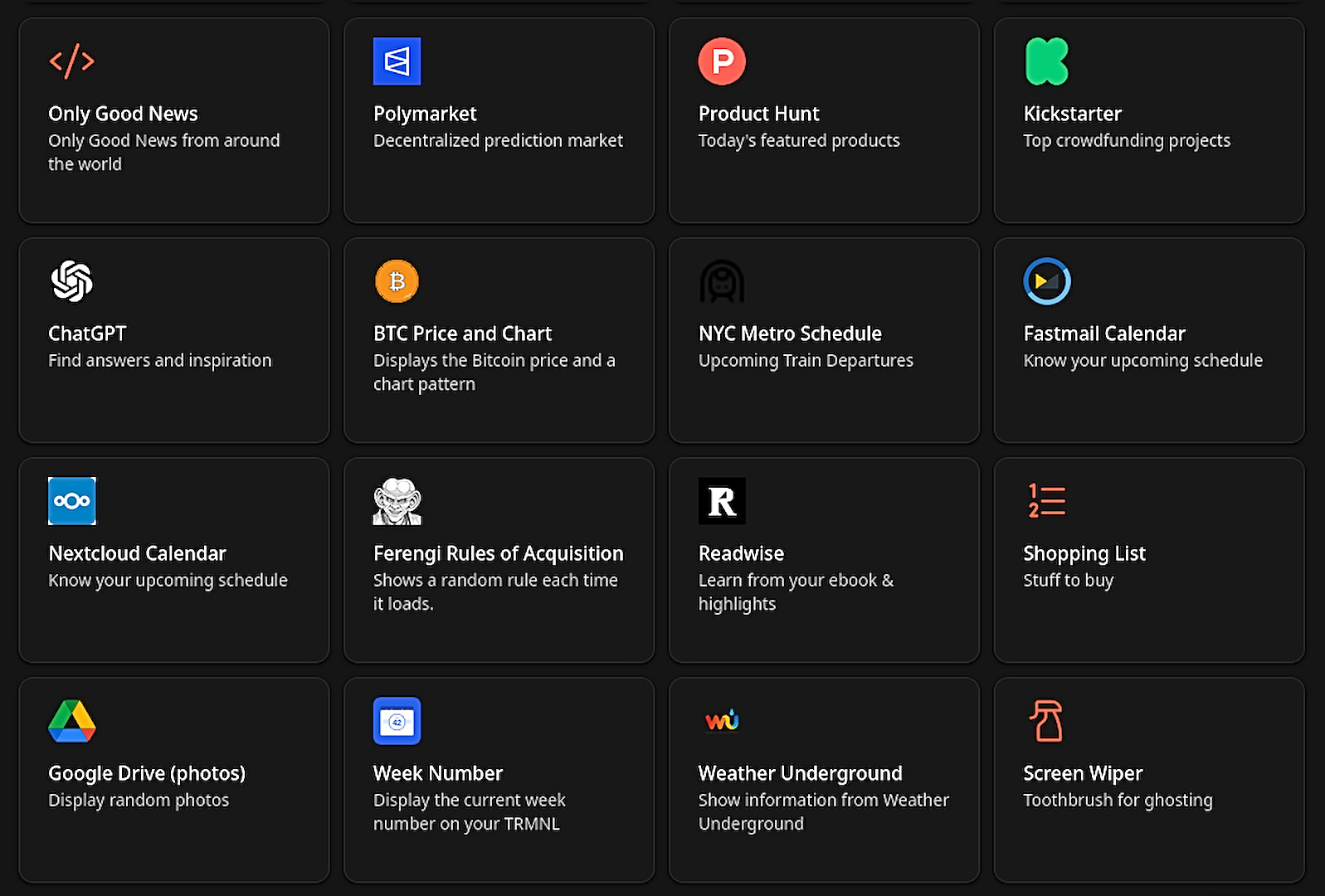
The first, and perhaps most accessible, is the official TRMNL ecosystem. Upon purchasing the kit, users can connect their device to trmnl.com. While the service offers a 14-day trial, continued access requires a one-time $50 license fee. This model is a notable departure from the industry-standard monthly subscription, appealing to users who prefer a "pay once, own forever" model. The company handles the backend rendering, allowing the device to pull complex data feeds—ranging from Google Calendar and weather forecasts to obscure niche interests like Star Trek’s Ferengi Rules of Acquisition—without requiring the user to manage server-side code.
The second path utilizes Seeed’s own SenseCraft Seeedash platform. This is a non-subscription alternative that leverages a browser-based firmware flasher. It is designed to be accessible to those with little coding experience, allowing for rapid deployment via a simple USB-C connection to a Chromium-based browser. While the platform is free, it operates under Seeed’s privacy policy, which may be a consideration for those who are particularly sensitive to data routing through international servers.
The third, and most technically demanding path, is the "Bring Your Own Server" (BYOS) model using TRMNL’s open-source container, Terminus. This option is aimed at the self-hosting enthusiast. By running the stack on a local machine—such as a NAS, a Raspberry Pi, or a home server running CasaOS—users maintain complete sovereignty over their data. The device pings the local API, which renders the necessary bitmaps, keeping the entire information lifecycle within the user’s local network.
Technical Hurdles and Hardware Assembly
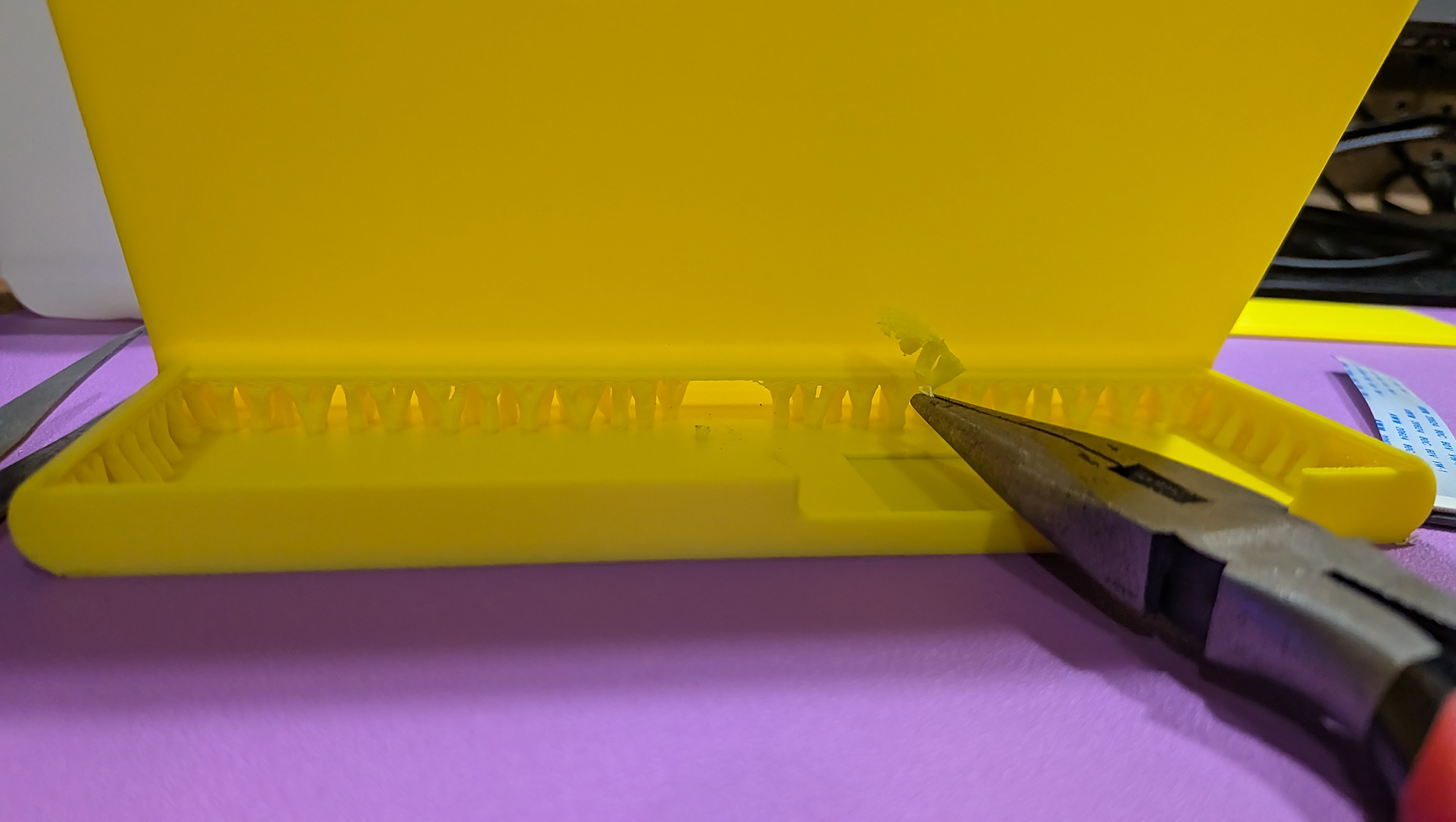
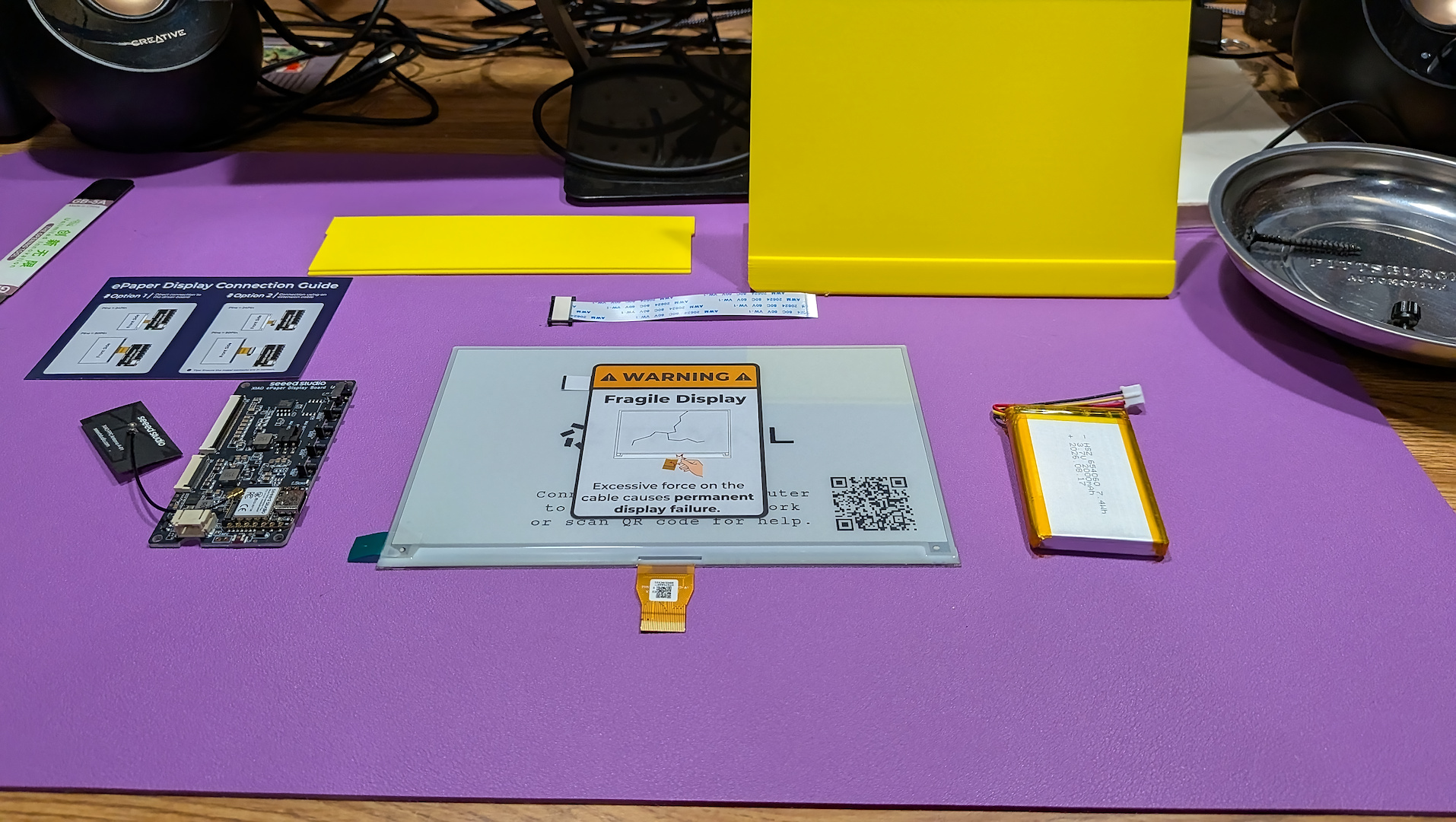
While the software options provide versatility, the physical assembly of the kit requires a degree of manual dexterity. The kit provides the core components, but users are responsible for the enclosure, which can be 3D printed from designs provided on platforms like MakerWorld or Printables.
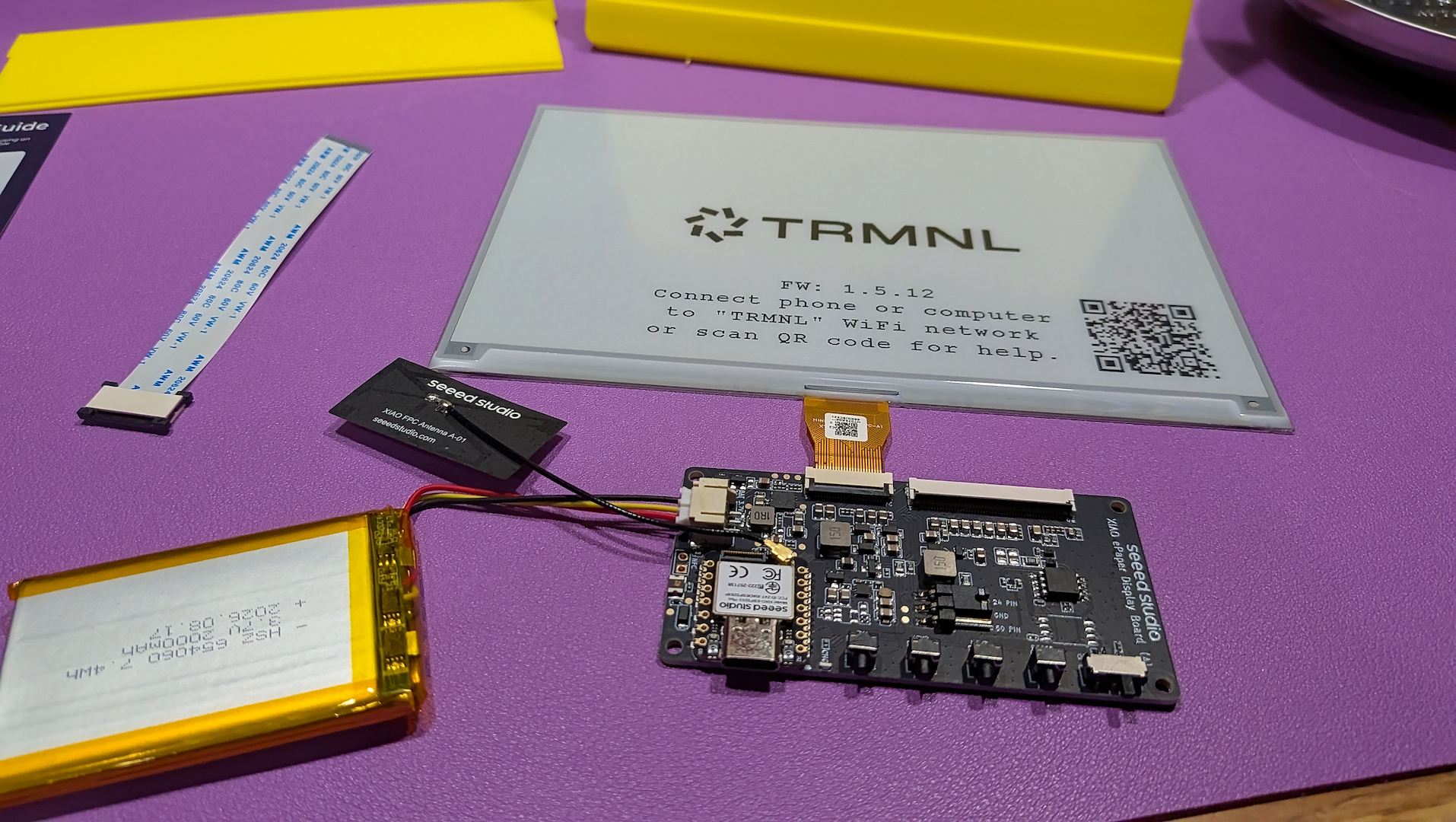
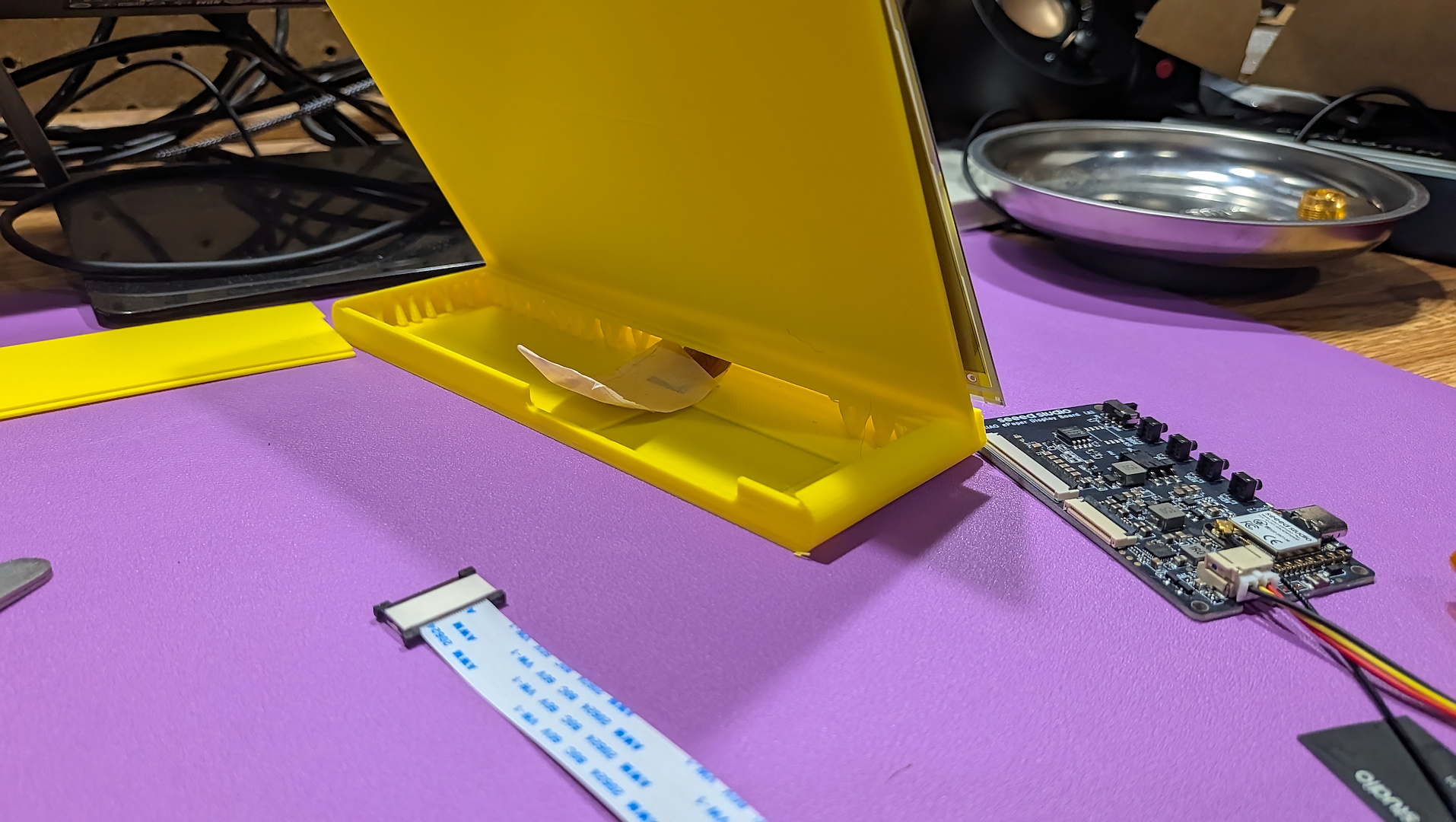
The assembly process, while straightforward in theory, involves handling sensitive hardware. The flexible printed circuit (FPC) ribbon cable, which connects the display to the controller board, is notoriously delicate. Users have reported that routing this cable through the tight internal channels of 3D-printed cases requires patience and precision. For instance, the popular L-shaped enclosure design, while aesthetically pleasing, forces a sharp bend in the ribbon cable that can lead to connection issues if not handled with care. Many in the community have suggested that the triangular prism enclosure design is more forgiving, as it allows for a more natural cable path.
Furthermore, the firmware flashing process can present challenges for those unfamiliar with serial communication protocols. While the web-based tools are generally effective, troubleshooting requires a basic understanding of hardware states—such as ensuring the board is correctly placed in "bootloader" mode. These hurdles, however, serve as a barrier to entry that reinforces the "DIY" nature of the product, filtering for users who are prepared to learn the nuances of the system.
Data, Privacy, and the Future of Information Displays
The implications of this device extend beyond the convenience of having a weather forecast on a kitchen counter. It signals a shift in how we value information consumption. By using e-ink, the device avoids the blue-light fatigue and constant distractions associated with backlit LCD screens. It is a "push" system: you don’t scroll through it; you glance at it.
From an infrastructure perspective, the shift toward self-hosted APIs is growing. The Terminus container stack—which includes elements like Postgres for data storage and Valkey for caching—is lightweight enough that it can run on even the most modest home hardware. As more consumers become wary of cloud-based dependency, the demand for hardware that supports local-first functionality is likely to rise.
However, the barrier remains the system-admin workload. Managing a multi-container stack, ensuring certificate security, and maintaining firmware updates is not a trivial task for the average consumer. The existence of the $50 license-based cloud service acts as a necessary bridge for those who want the functionality of the device without the overhead of server maintenance. It is a pragmatic business model that recognizes that while many people want privacy, fewer have the time or technical skill to maintain the infrastructure required to ensure it.
The broader market impact of the Seeed/TRMNL collaboration is a test case for open-hardware sustainability. By allowing users to choose between a commercial, supported platform and a fully open, self-hosted one, the partners are creating a symbiotic relationship where the community contributes plugins and design iterations, while the companies provide the underlying hardware and core firmware stability.
Looking ahead, the success of this kit may prompt larger manufacturers to reconsider their approach to smart home hubs. As the industry faces increased scrutiny over data privacy and the longevity of cloud-dependent devices, the "passive-first" model offered by the TRMNL/Seeed kit provides a blueprint for a more resilient and less intrusive smart home. Whether it becomes a standard in modern homes remains to be seen, but for the hobbyist and the privacy-conscious consumer, the ability to turn a simple, low-power display into a window for personalized, local data is a compelling proposition.
For now, the kit stands as a testament to the fact that sometimes, the best gadget is the one that sits quietly on your desk, never demanding your attention, and only speaking when it has something truly useful to say. Whether you choose to pay for the convenience of the cloud or spend the weekend debugging a Docker container, the result is the same: a digital environment that is slightly more under your control, and significantly less demanding of your time.