






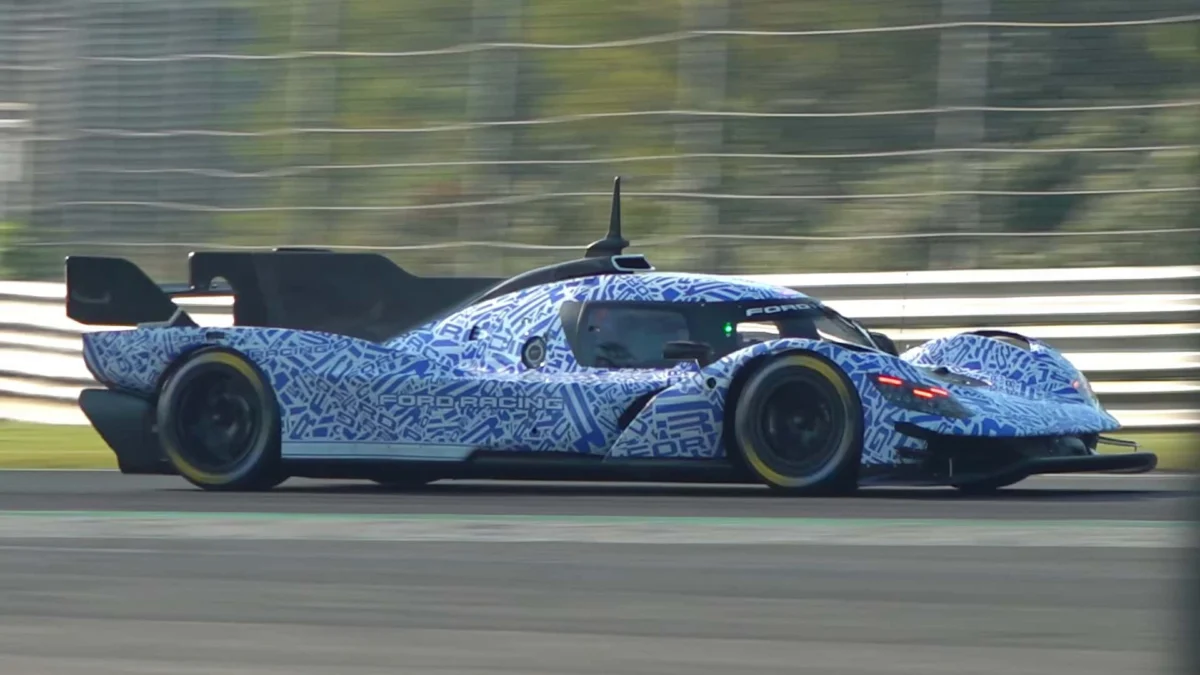
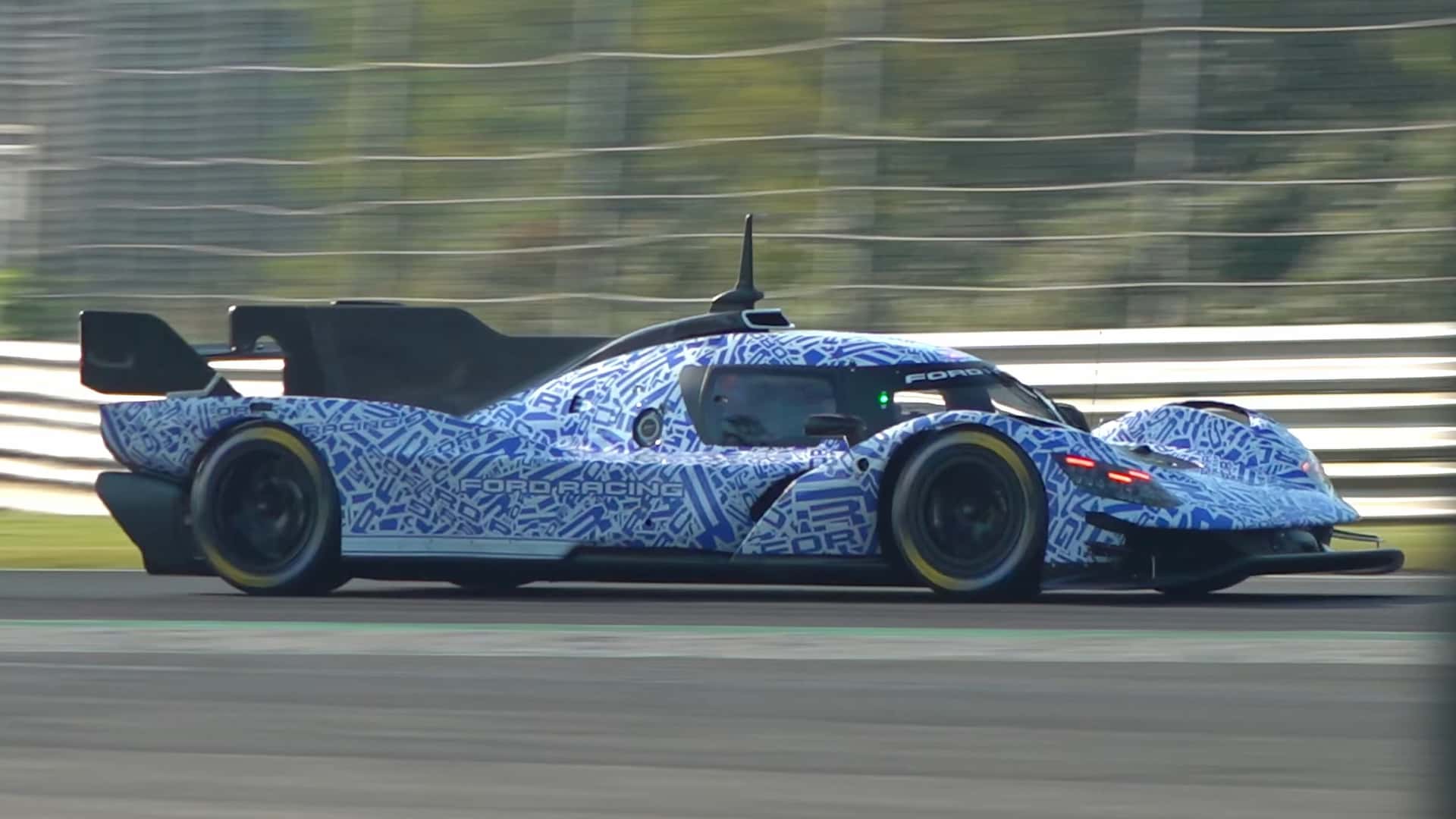
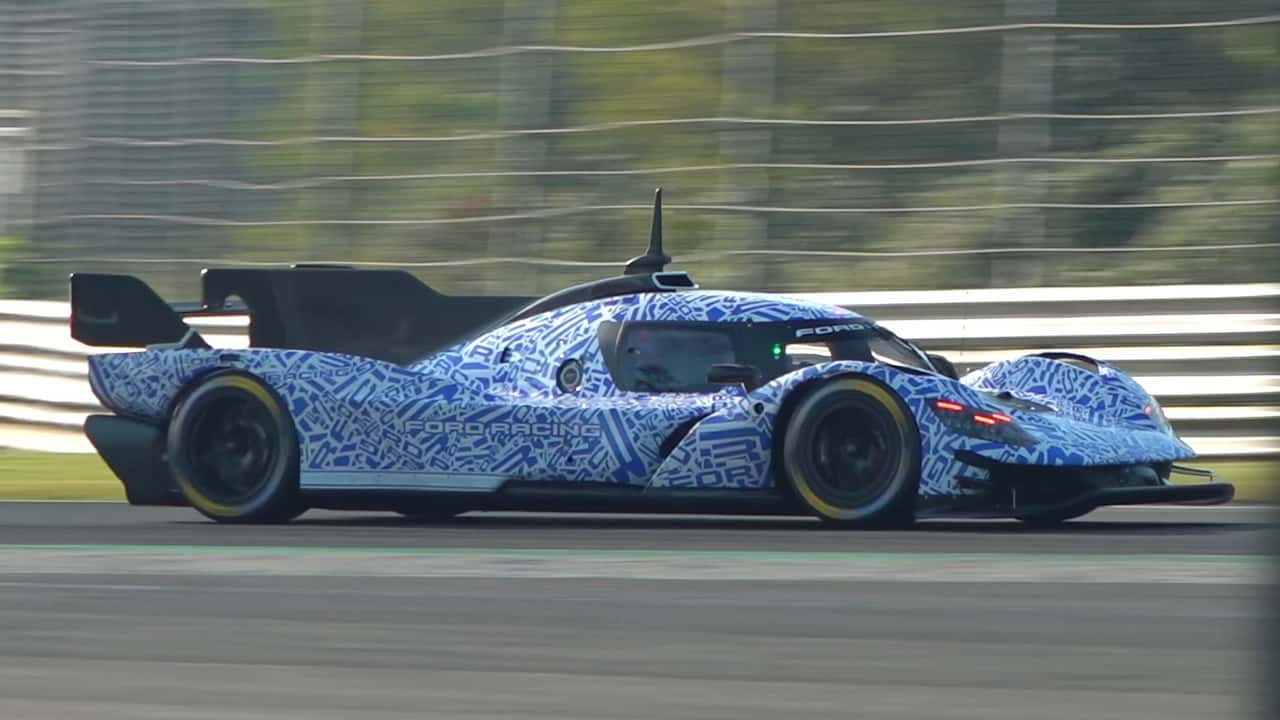
The sound of internal combustion remains a cornerstone of motorsport culture, a fact recently underscored by new footage emerging from the Autodromo Nazionale Monza. As Ford prepares to re-enter the upper echelons of global endurance racing, the development of its Le Mans Daytona hybrid (LMDh) prototype has reached a critical phase. Captured in high-definition by the automotive media outlet Raw Car Sounds, the vehicle was seen testing on the historic Italian circuit, providing the public with one of the clearest demonstrations to date of its unique acoustic signature—a visceral, growling V8 note that signals a significant departure from the muted tones of many modern hybrid race cars.
This prototype represents the culmination of a multi-year engineering effort by Ford Performance and its partners to bridge the gap between production-based engine architecture and the high-performance requirements of top-tier FIA World Endurance Championship (WEC) competition.
Engineering the Hybrid Coyote
At the heart of the Ford LMDh machine lies a specialized 5.4-liter hybrid V8 powertrain. While the engine is derived from the renowned "Coyote" architecture—the same modular V8 family that powers the Ford Mustang—it has undergone extensive modifications to meet the stringent demands of endurance racing. In the context of the LMDh regulations, the internal combustion engine is not merely a power source but one half of a complex synergy.
The regulations, established by the Automobile Club de l’Ouest (ACO) and the International Motor Sports Association (IMSA), mandate that the total power output for the hybrid system be capped at approximately 670 horsepower (500 kilowatts). This limitation forces manufacturers to optimize their combustion efficiency and hybrid deployment strategy. For Ford, this meant retaining the reliability and character of the Coyote platform while integrating a standardized hybrid system, which includes the motor generator unit (MGU), the inverter, and the battery pack.
The sound captured at Monza suggests that despite the hybrid assistance and strict performance balancing, Ford has managed to preserve the aggressive, high-revving character associated with its iconic V8 engines. This acoustic profile is expected to be a major draw for fans when the car makes its competitive debut.
A Legacy of Endurance: Historical Context
Ford’s return to the world stage of endurance racing is inextricably linked to its historical dominance in the 1960s. The company’s initial foray into the 24 Hours of Le Mans was fueled by a desire to challenge European supremacy, specifically that of Ferrari. The result was the legendary GT40, which famously swept the podium in 1966, securing first, second, and third place.
This victory marked the beginning of a golden era for the Blue Oval, which went on to claim four consecutive victories at Le Mans from 1966 through 1969. After decades away from the overall win category, Ford returned to the Circuit de la Sarthe in 2016 with the modern Ford GT, achieving a class win in the LMGTE Pro category. However, the current LMDh project represents something more ambitious: a bid for the overall win, pitting the manufacturer against global automotive giants like Porsche, Ferrari, Toyota, and Cadillac.
Development Timeline and Upcoming Milestones
The development cycle for the LMDh program has been intensive, characterized by rigorous track testing across Europe and North America. The recent tests at Monza serve as a shakedown for the final specifications before the vehicle is finalized for competition.
- Initial Development (2023–2024): Engineering teams focused on the integration of the hybrid system into the chassis and testing the structural integrity of the powertrain.
- Track Testing Phase (Late 2024): The prototype began high-speed testing at various international circuits, including Spa-Francorchamps and Monza, to calibrate aerodynamics and cooling.
- Official Reveal (November 26, 2024): Ford has scheduled the formal unveiling of the finalized race car for Thanksgiving week, marking a major milestone in the marketing and technical transparency of the project.
- WEC Season Kick-off (March 2027): The car is slated to make its competitive debut at the season opener in Qatar.
The timing of this project is significant. As the automotive industry shifts toward electrification, Ford is using the LMDh platform to demonstrate how traditional high-performance internal combustion engines can be successfully integrated with modern hybrid technology to create a sustainable yet thrilling racing product.
Industry Implications and Competitive Analysis
The LMDh class is arguably the most competitive arena in modern motorsport. By choosing to develop an engine based on the Coyote architecture, Ford is pursuing a philosophy of "race on Sunday, sell on Monday." This approach creates a direct technical link between the technology inside the race car and the engineering found in the showroom Mustang, providing a clear narrative for consumers.
From a strategic perspective, Ford’s entry is a calculated move to leverage its brand identity as a purveyor of American muscle. In an era where many manufacturers are shifting exclusively to battery-electric platforms, the continued development of a high-displacement hybrid V8 allows Ford to maintain its traditional customer base while simultaneously meeting the efficiency requirements of the FIA.
Industry analysts suggest that the success of this program will hinge not just on raw speed, but on reliability and the efficiency of the hybrid deployment. The LMDh regulations require a balance of performance (BoP), meaning that no single manufacturer can dominate based solely on engine displacement or power. Consequently, success will be determined by the car’s handling, fuel economy during long stints, and the reliability of the electronic components—areas where Ford has historically invested heavily.
Official Stance and Future Expectations
While Ford has remained relatively guarded about the specific technical output of the hybrid system, representatives from Ford Performance have consistently emphasized that the goal is to win the 24 Hours of Le Mans overall. The project is managed with the same level of intensity that characterized the 1960s program, albeit with modern computational fluid dynamics (CFD) and data analytics.
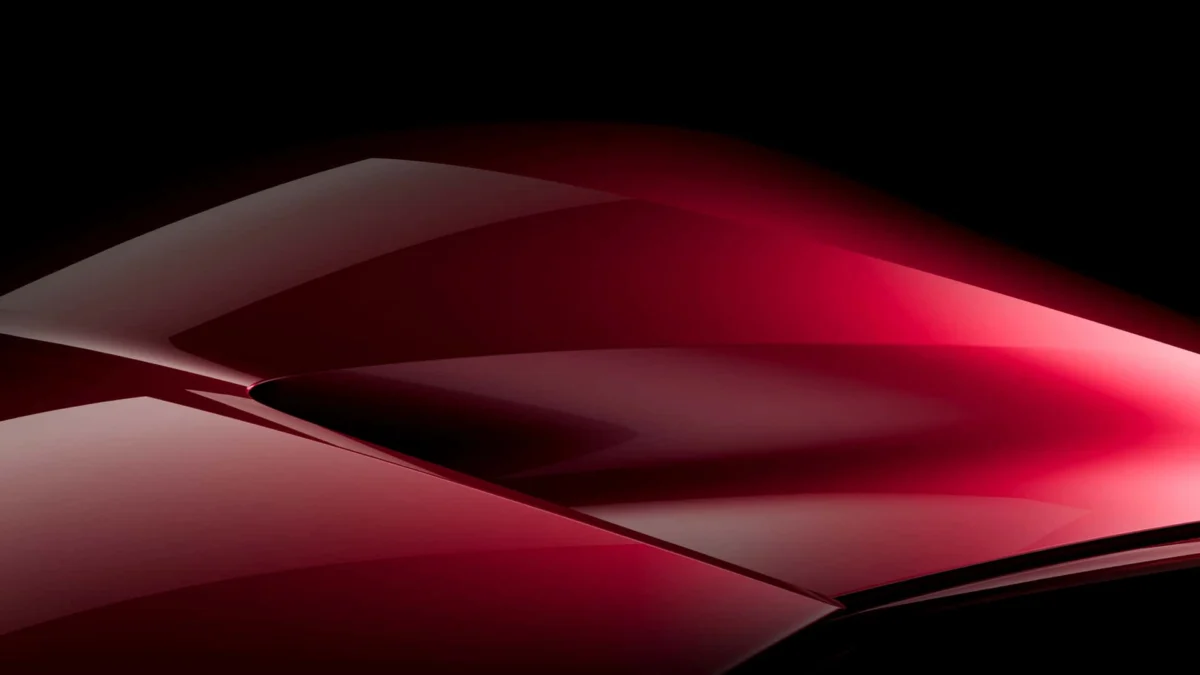
The anticipation surrounding the November 26 reveal is palpable. Observers expect to see a vehicle that balances the functional requirements of modern aerodynamic regulations with the distinct aesthetic language of the Ford brand. Beyond the visuals, the sonic experience—as demonstrated at Monza—will likely serve as a central theme of the car’s identity.
As the automotive world turns its attention toward Qatar in 2027, the stakes are clear. For Ford, this is not merely a marketing exercise; it is a fundamental test of its engineering prowess in a new, complex regulatory environment. The roar of the Coyote-based V8 at Monza is more than just a sound; it is a declaration that Ford intends to remain a dominant force in endurance racing, honoring its storied past while firmly planting its flag in the future of hybrid performance.
As testing continues, the team will focus on refining the car’s balance and aerodynamic efficiency. With only five months remaining until the official reveal and the subsequent start of the racing season, the pressure is mounting. However, the data gathered from the Monza sessions indicates that the platform is performing as expected, providing a solid foundation for what promises to be a highly competitive return to the world’s most prestigious endurance races.