In the mid-1990s, the landscape of photography was undergoing a significant technological shift, with autofocus systems becoming increasingly prevalent. It was within this dynamic environment that Carl Zeiss, a name synonymous with optical excellence, introduced a groundbreaking camera that would redefine the concept of the rangefinder: the Contax G1. Launched in 1994, the G1 was a bold step forward, pioneering the integration of autofocus technology into a rangefinder body. However, its initial reliance on passive focusing methods presented limitations, particularly in challenging low-light conditions where its accuracy could falter. This inherent challenge paved the way for its more advanced successor, the Contax G2, a camera that not only addressed the G1’s shortcomings but also cemented its place as a truly iconic photographic instrument.
The Contax G2, released a few years after its predecessor, represented a significant leap in autofocus performance. Recognizing the limitations of the G1’s passive system, Kyocera, the manufacturer behind the Contax brand, engineered a sophisticated hybrid autofocus system for the G2. This innovative approach combined active infrared triangulation with passive contrast detection. The active system emitted an infrared beam to measure distance, providing a reliable focus lock even in dim lighting. Simultaneously, the passive contrast detection system analyzed the image sharpness, further refining accuracy. This dual-pronged strategy resulted in an autofocus system that was not only considerably faster but also remarkably more reliable across a wider spectrum of shooting conditions, a crucial development for photographers who demanded precision and efficiency.
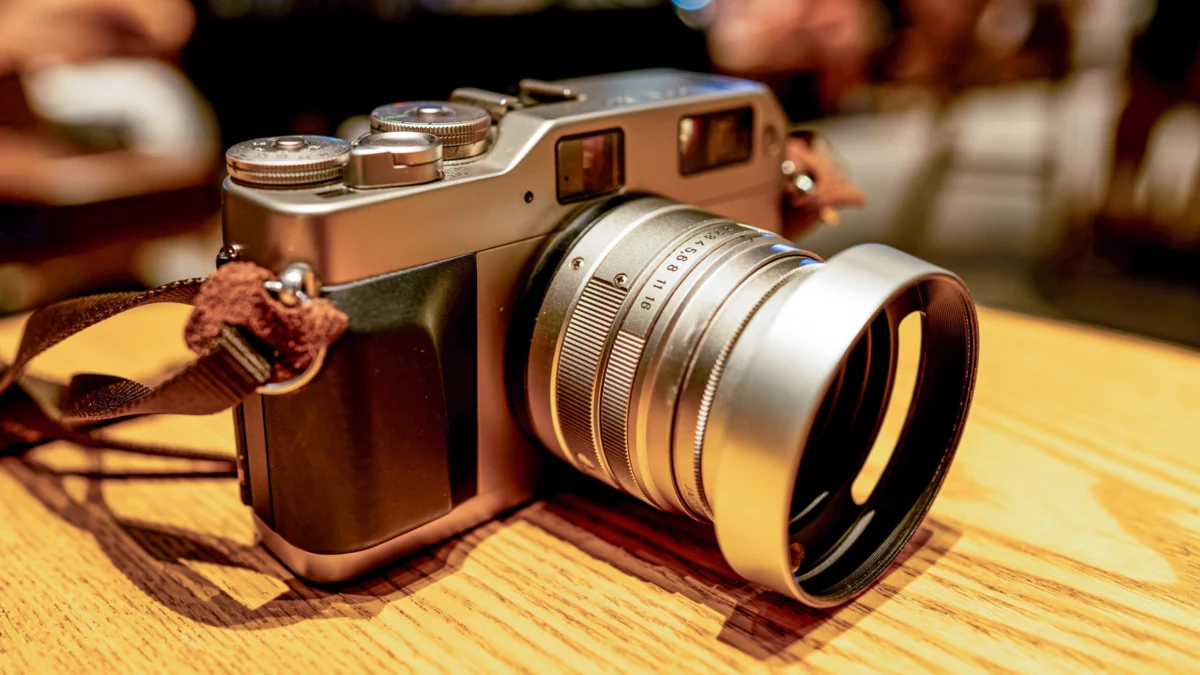
Beyond its technological advancements, the Contax G1 and G2 were celebrated for their exquisite design and impeccable build quality. The camera bodies were meticulously crafted from titanium, a material chosen for its strength, lightness, and luxurious feel. The entire design and manufacturing process was undertaken by Kyocera in Japan, a testament to the country’s renowned precision engineering. Adding another layer of prestige, the exterior styling of the Contax G series was entrusted to the esteemed Porsche Design Group of Germany. This collaboration resulted in a camera that was not only a high-performance tool but also a work of art, embodying a perfect fusion of Japanese engineering prowess and German design sensibility.
The aesthetic appeal of the Contax G series was further enhanced by its color options. While both the G1 and G2 were offered in classic black, the silver finish, often described as a sophisticated "champagne color," with its subtle dark grey accents, proved to be the more popular choice among discerning photographers. This preference for the silver variant speaks to a broader appreciation for understated elegance and refined aesthetics in high-end photographic equipment.
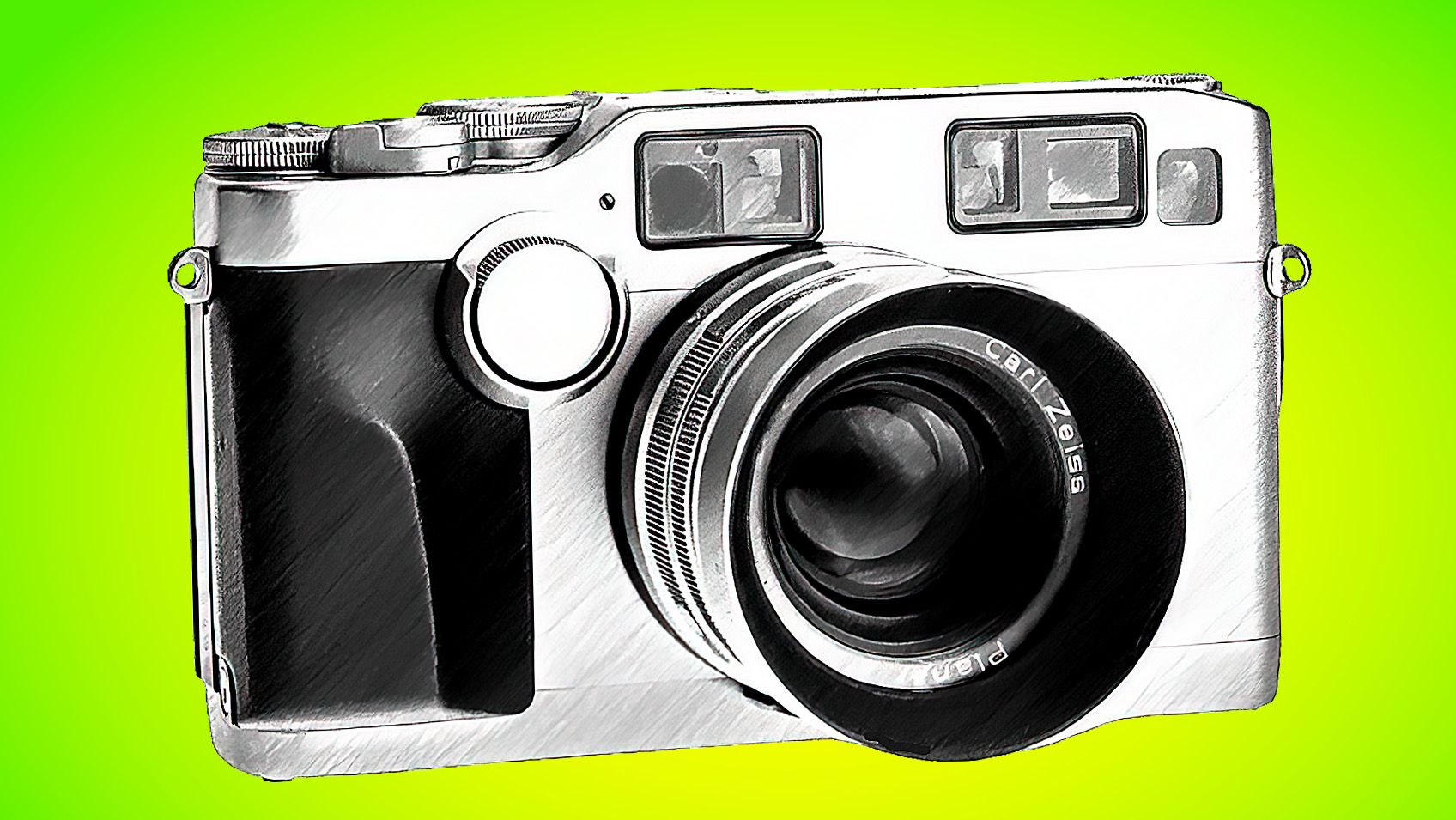
A crucial element of the Contax G system was its impressive array of lenses. Carl Zeiss, a co-developer of the camera system, designed and manufactured a dedicated series of seven lenses for the G-mount. These lenses were renowned for their exceptional optical quality, often considered to be on par with, if not surpassing, those from Leica, another titan of the photographic world. The initial lineup included prime lenses such as the Planar 45mm f/2, which came standard with the G1, and the wider 35mm Planar f/2, a common companion to the G2. Further expanding the creative possibilities were the ultra-wide 16mm f/8 Hologon, the versatile 21mm f/2.8 Biogon, the sharp 28mm f/2.8 Biogon, and the classic 90mm f/2.8 Sonar.
In a significant development for rangefinder cameras, the Contax G system introduced its first zoom lens in 2000: the Vario-Sonar 35-70mm f/3.5-5.6. This was a landmark achievement, as it offered the convenience of variable focal lengths within a rangefinder camera body for the first time. All of the Contax G lenses, with the exception of the 16mm Hologon, which featured a manual focus and a fixed aperture, were autofocus enabled, complementing the camera’s advanced focusing capabilities. The exclusive nature of the G-mount meant that no third-party manufacturers ever produced lenses for this system, underscoring the unique and proprietary ecosystem that Carl Zeiss and Kyocera had created.
The Contax G1 and G2 distinguished themselves from traditional rangefinder cameras through their highly electronic viewfinder displays. Eschewing the familiar "focusing patch" found in older rangefinders, these cameras relied entirely on their autofocus systems for focusing. The viewfinder employed a rangefinder-esque triangulation method, but it was powered by electronic signals rather than mechanical components. This sophisticated electronic viewfinder automatically adjusted magnification and displayed frame lines that corresponded to the attached lens, providing approximately 90% frame coverage with complete parallax correction. This meant that what the photographer saw in the viewfinder was a very accurate representation of the final image, a significant advantage for precise composition.
A particularly impressive feature was the viewfinder’s dynamic response when the Vario-Sonar zoom lens was attached. The optics within the viewfinder would seamlessly zoom to match the selected focal length, offering the photographer an exact visual representation of the framing at any point within the zoom range. This level of integration between the lens and the viewfinder was a testament to the advanced electronic design of the Contax G series.
The Contax G2, in particular, offered a notable upgrade in its viewfinder compared to the G1. It incorporated a green readout below the main display, which provided crucial information such as the focused distance and autofocus confirmation. Furthermore, it included a manual focus aid. This aid would display small dots on a linear scale, indicating the direction the lens needed to be turned to achieve correct focus when in manual mode. This thoughtful addition enhanced the camera’s usability for photographers who preferred manual control or found themselves in situations where autofocus might be less ideal.
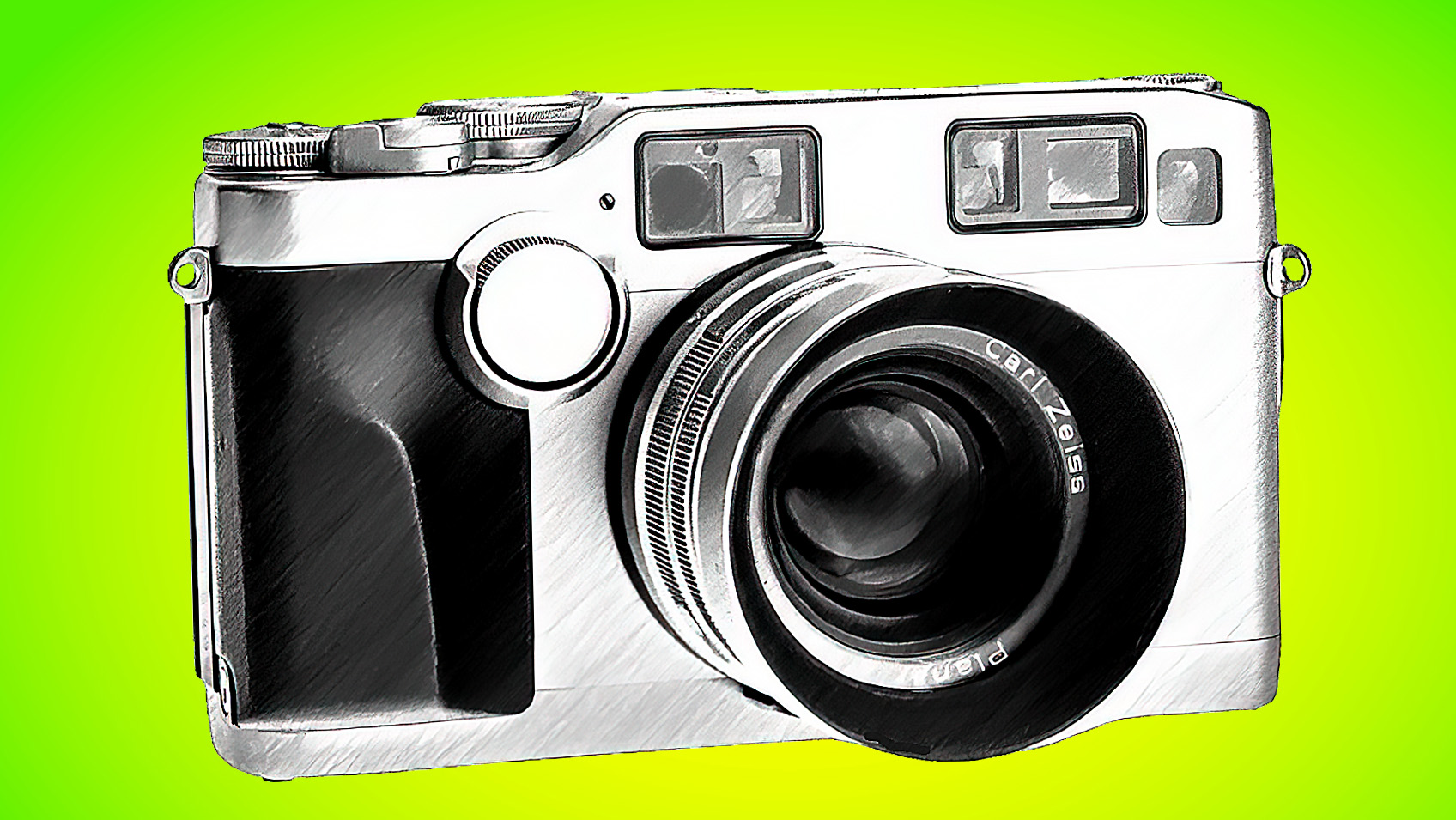
Comparisons between the Contax G2 and the legendary Leica M6 were inevitable, given their shared status as high-end rangefinder cameras. In terms of build quality and optical performance, the G2 often stood shoulder-to-shoulder with the Leica. However, their operational philosophies differed significantly. The G2 boasted an "electronic rangefinder," featured automatic film loading and rewinding, aperture-priority autoexposure, and a motor drive capable of an impressive 4 frames per second. While the Leica M6 offered a brighter viewfinder and a broader selection of lenses, including faster f/1.4 and even f/1 apertures, the Contax G2 excelled in providing superior convenience and automation for the photographer.
The advanced electronics and integrated motor drive, while offering significant advantages in usability, unfortunately became the Achilles’ heel of the Contax G series over time. In the nearly three decades since their introduction, these cameras have proven to be somewhat prone to failure. Despite their robust titanium construction, the G2, in particular, has become vulnerable due to its complex internal electronics and a growing scarcity of replacement parts.
Several common failure points have been identified by users and technicians. The autofocus mechanism can degrade due to dried lubricants or worn plastic gears, leading to inaccurate or non-functional focusing. The vertical metal focal plane shutter, a critical component, is also known to develop issues over time. Furthermore, the electronic overlay in the viewfinder can fade or begin to flicker, compromising its usability.
The specialized nature of these electronic rangefinders means that few technicians possess the expertise or specialized tools required for their repair. Consequently, repairs are often expensive and difficult to source. This scarcity of repair services, coupled with the inherent complexities of the cameras, has contributed to a situation where examples of the Contax G2 in good working order now frequently command prices exceeding their original retail value, transforming them into highly sought-after collector’s items.
For prospective buyers considering a used Contax G2, it is strongly advised to purchase in person or ensure full return and refund privileges. Thorough inspection is paramount. Key checks include testing the autofocus at multiple distances, particularly at infinity and around 5 meters, verifying that the film counter LCD remains illuminated when the camera is powered off, and confirming that the film advances correctly throughout a full roll and rewinds smoothly.
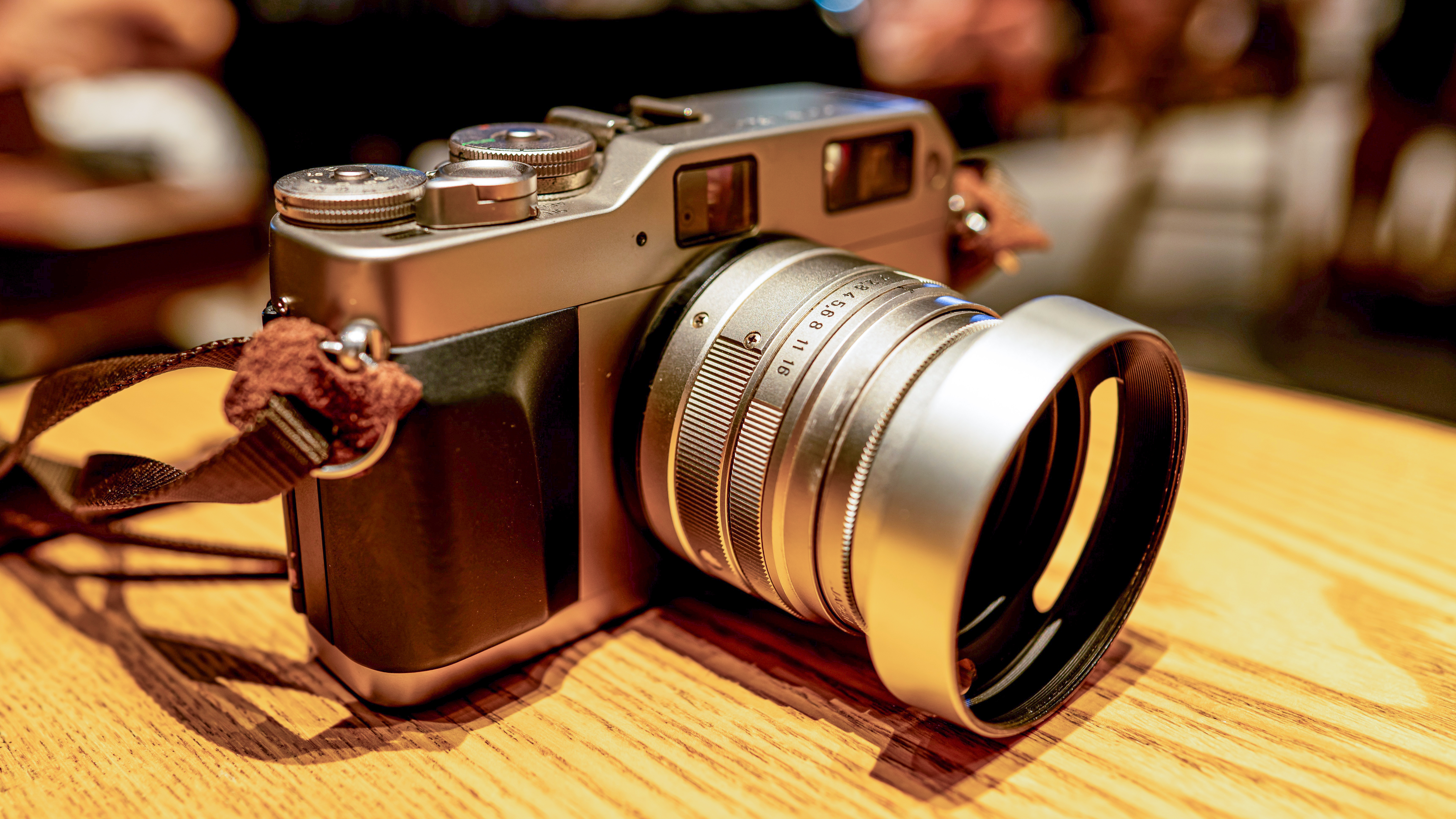
The exact production numbers for the Contax G series are not publicly known. However, production continued until 2005, when Kyocera made the abrupt decision to discontinue the entire Yashica and Contax camera division. This move left not only Carl Zeiss and Leica (for whom Kyocera also manufactured the Vario-Elmar-R 80-200mm f/4 lens) in a difficult position but also marked the end of an era for film photography enthusiasts. Kyocera’s strategic shift focused on the burgeoning market of camera modules for smartphones, signaling a significant industry pivot.
This sudden cessation of production instantly elevated the Contax G2 from a sophisticated photographic tool to a prized collector’s item. The enduring appeal of these cameras lies in their unique blend of cutting-edge technology for their time, exceptional build quality, and the legendary optical performance of Carl Zeiss lenses. For those who own a Contax G2, especially one in excellent working condition, it represents a significant piece of photographic history and a testament to an era of innovation that continues to captivate photographers today.
The legacy of the Contax G2 is not merely about its technical specifications; it is about the experience it offered photographers. It was a camera that bridged the gap between the mechanical precision of traditional rangefinders and the automated convenience of modern DSLRs, all wrapped in a package of unparalleled aesthetic design. While its electronic complexities have led to durability concerns, its inherent quality and the sheer photographic brilliance it enabled have secured its place in the pantheon of classic cameras.
David Young is a Canadian photographer and the author of "A Brief History of Photography," available from better bookstores and online retailers worldwide.
You might also like:
Take a look at the best point-and-shoot cameras you can buy today.