









The annual Black Friday shopping phenomenon has once again descended upon the digital marketplace, bringing with it a flurry of price fluctuations that often challenge even the most experienced bargain hunters. As retailers compete for dominance in the final quarter of the fiscal year, Amazon has positioned several flagship consumer electronics at their lowest-ever recorded prices. This shift in pricing strategy reflects broader trends in the retail sector, where major platforms are leveraging aggressive discounting to clear inventory and capture consumer spending ahead of the holiday season.
The current landscape of consumer technology is defined by a rapid cycle of innovation, where iterative updates to popular product lines—such as Apple’s audio and wearable devices or Sony’s premium noise-canceling headphones—are met with significant market anticipation. By analyzing the current pricing data, it becomes evident that retailers are prioritizing the movement of high-ticket items by setting historic price floors.

The Evolution of Black Friday Pricing Strategies
Black Friday, traditionally the day following Thanksgiving in the United States, has evolved from a single-day brick-and-mortar retail event into a weeks-long digital campaign. This evolution has changed the way consumers approach purchasing decisions. Data from previous years indicates that the "lowest price" guarantee is no longer just a marketing slogan but a strategic necessity for e-commerce giants.
As supply chains have stabilized post-pandemic, retailers have shifted their focus toward volume. By offering products like the Apple AirPods Pro 3 or the Sony WH-1000XM6 at all-time lows, Amazon effectively creates a benchmark for the market. This strategy often forces competitors to either match the price or risk losing significant market share during the most critical sales period of the year.
Apple AirPods Pro 3: Redefining the Wireless Experience
The Apple AirPods Pro 3 represent a significant departure from their predecessors. Having been on the market for over a year, these earbuds have undergone rigorous testing and user feedback cycles. The integration of advanced noise-cancellation technology, coupled with a refined acoustic architecture, has established them as a benchmark in the True Wireless Stereo (TWS) category.

Beyond the audio enhancements, the inclusion of foam-infused silicone ear tips addresses a long-standing demand for a more secure and comfortable seal. Furthermore, the incorporation of a heart-rate sensor marks a strategic pivot for Apple, moving its audio accessories into the health and fitness monitoring space. From a market perspective, this functionality aligns with Apple’s broader ecosystem strategy, where devices are increasingly interconnected to provide a holistic view of the user’s wellbeing.
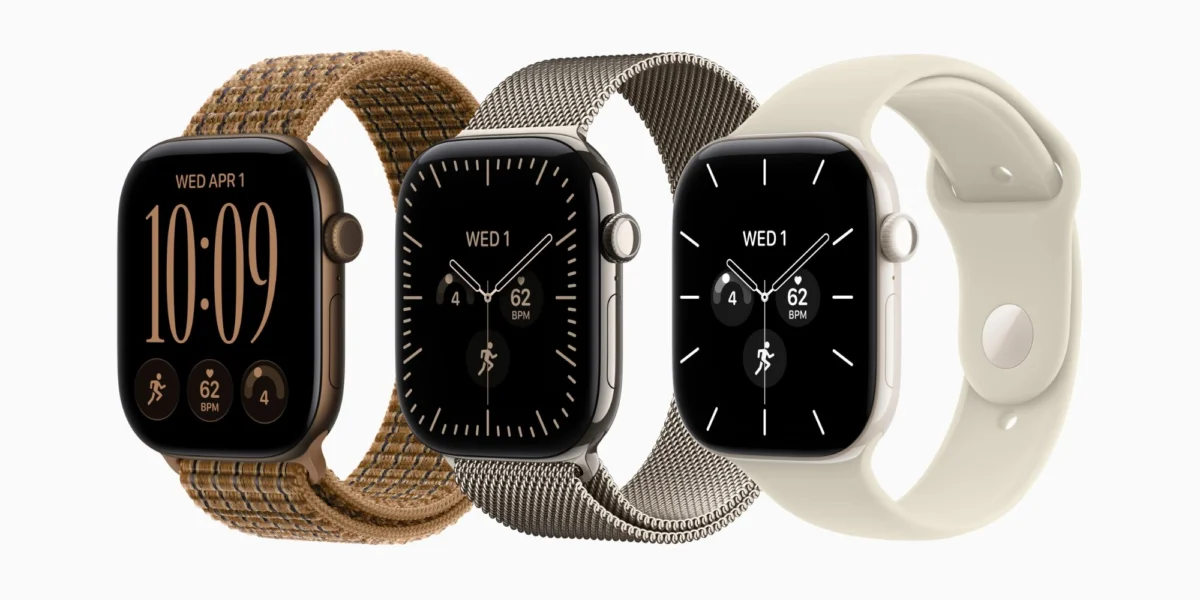
The Apple Watch Portfolio: SE 3 and Series 12
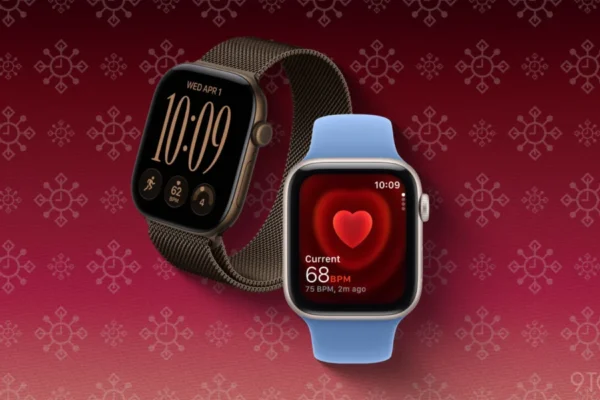
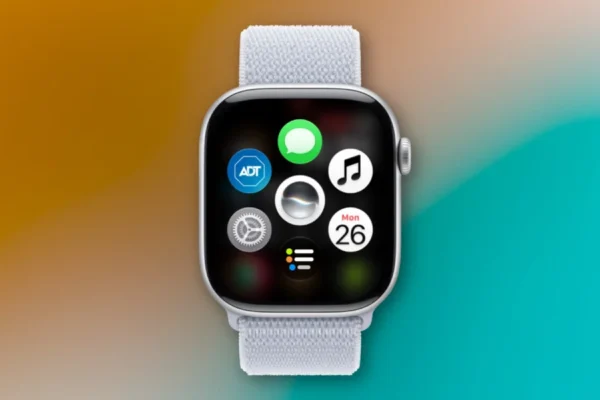
Wearable technology continues to be a cornerstone of the modern consumer electronics market. The current Black Friday promotion on the Apple Watch SE 3 and the Series 12 highlights the divergence between "essential" and "premium" tiers.
The Apple Watch SE 3, now available at its lowest price point since launch, targets the entry-level consumer who requires robust health tracking without the price premium of the flagship series. Features such as fall detection, crash detection, and sleep apnea notifications provide a safety-first approach that appeals to a wide demographic. The absence of ECG and blood oxygen monitoring is a calculated omission, allowing Apple to maintain a lower price bracket while still providing significant utility.

In contrast, the Apple Watch Series 12, discounted by 25% to $299, represents the high-end of current wearable tech. The inclusion of the Vitals app and enhanced heart-rate frequency sampling every five seconds positions this device as a sophisticated tool for data-driven fitness enthusiasts. The market implication here is clear: Apple is successfully segmenting its user base by offering high-utility entry points alongside highly specialized premium hardware.
High-Fidelity Audio: Bose and Sony
The audio market remains one of the most competitive segments in consumer electronics. The Bose QuietComfort Headphones (2nd Gen) and the Sony WH-1000XM6 represent the apex of noise-cancellation technology.
The Bose QuietComfort series has long been recognized for its ActiveSense technology, which provides a dynamic response to environmental noise. This technology is particularly adept at smoothing out sudden acoustic spikes, such as sirens or sharp mechanical sounds. The 24-hour battery life and the inclusion of wired lossless playback via USB-C reflect an understanding that professional users require reliability and versatility.

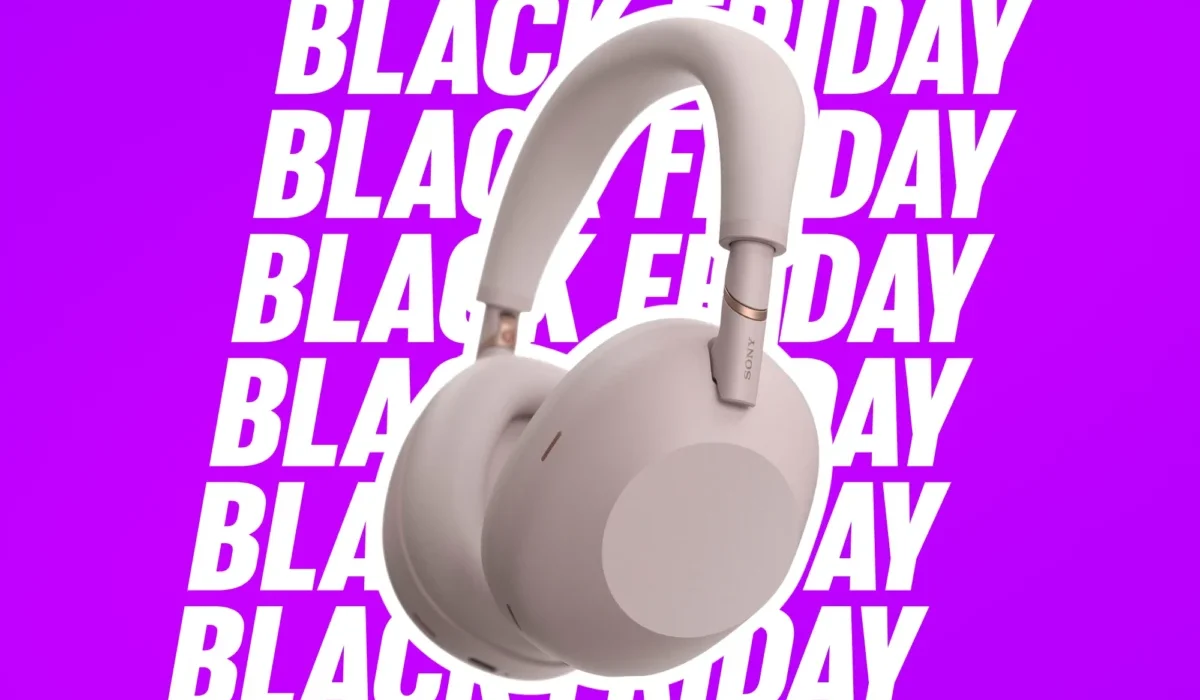
Sony’s WH-1000XM6, priced at $348, offers a different value proposition. By utilizing twelve microphones and the proprietary QN3 processor, Sony has focused on creating a superior active noise-cancellation (ANC) environment. The inclusion of wireless LDAC support is a significant selling point for audiophiles who prioritize high-resolution audio streaming. The current discount, representing a 24% reduction from the original list price, underscores Sony’s commitment to maintaining its lead in the premium headphone segment.
Market Implications and Future Outlook
The concentration of these record-low prices suggests a broader economic narrative. Retailers are facing pressure to maintain growth in an environment where discretionary spending is being carefully managed by households. By discounting high-demand products to their lowest historical levels, Amazon is attempting to maximize the "attachment rate"—the likelihood that a customer will purchase additional accessories or services alongside their primary item.
From a macroeconomic perspective, these price cuts are a bellwether for the retail industry. Analysts observe that when major corporations like Apple and Sony allow their flagship products to drop to record-low prices, it signals the final phase of a product cycle or an aggressive attempt to clear stock for upcoming early-year releases.

Chronology of Retail Trends
- Late Q3: Manufacturers begin to align production schedules with major retail events to ensure inventory is available for the holiday rush.
- Early November: The "pre-Black Friday" window opens, where retailers test price points to gauge consumer elasticity.
- Black Friday Week: The period of maximum discounting, where data-driven pricing algorithms push items to their lowest sustainable levels.
- Post-Holiday: The market enters a stabilization phase where prices generally revert to standard retail levels or see moderate increases as inventory levels normalize.
Consumer Considerations
For the prospective buyer, the current market presents a rare opportunity. However, it is essential to consider the lifecycle of these products. While the current prices for the Apple Watch Series 12 and the Sony WH-1000XM6 are highly attractive, consumers should weigh the cost against their personal need for the latest features. The Apple Watch SE 3, for instance, remains a formidable value for those who do not require the advanced health sensors of the Series 12.
Furthermore, the integration of health tracking in audio and wearable devices suggests that the future of personal tech lies in passive monitoring. As these features become more prevalent, the value of hardware will be increasingly measured by the software ecosystems that support it.
Conclusion: A Strategic Window
The current Black Friday event is characterized by a unique confluence of high-quality hardware and historic pricing. Whether it is the advanced noise-canceling capabilities of the Sony WH-1000XM6 or the health-focused utility of the Apple Watch Series 12, the market is currently providing consumers with a rare opportunity to acquire top-tier technology at a fraction of its standard cost.

As the retail landscape continues to shift toward digital-first engagement, these price points serve as a reminder of the efficiency of modern e-commerce. For those who have been monitoring the market, the current window represents a logical time to finalize purchasing decisions. While prices are expected to fluctuate once the holiday season concludes, the current floor established by Amazon serves as an objective indicator of the value these products currently hold in the global marketplace. The combination of manufacturer innovation and retail competition has created a buyer’s market that is unlikely to persist beyond the immediate holiday cycle.