









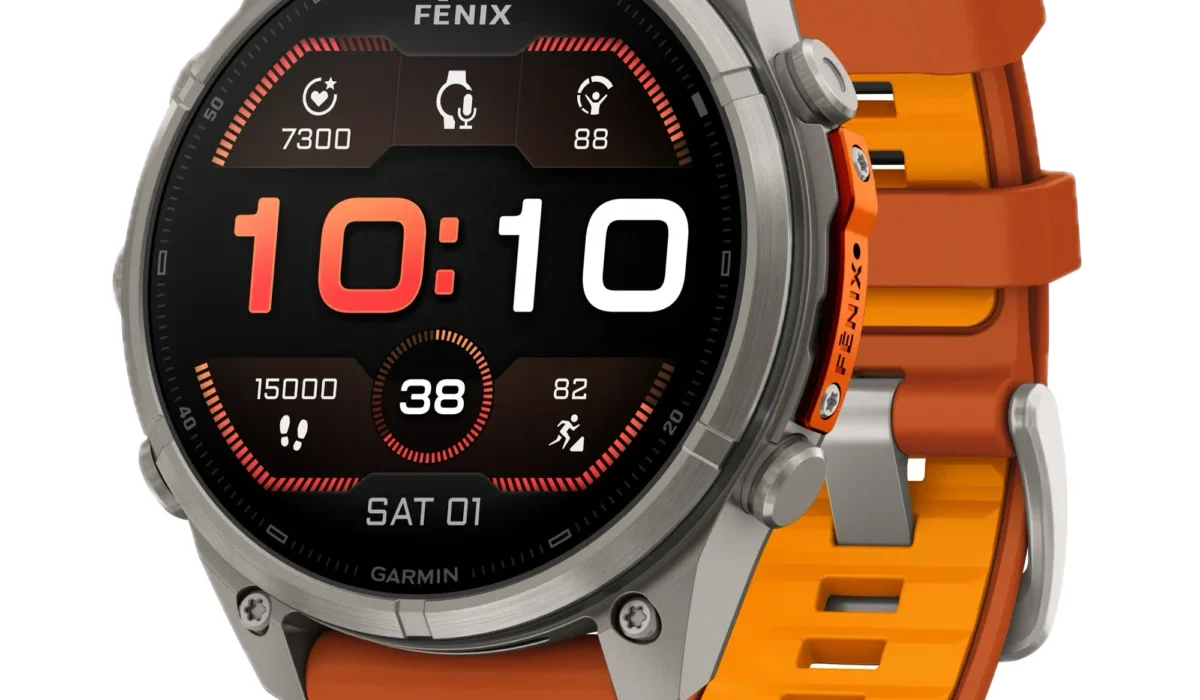
In an unprecedented move that has surprised sports technology enthusiasts and retail analysts alike, Garmin has initiated its first-ever manufacturer-approved sale on a newly released flagship wearable lineup. Exactly 88 days after the global launch of the Garmin Fenix 9 series, the outdoor tech giant has greenlit a sweeping $100 discount across virtually every model in the newly minted lineup.
This unexpected pricing adjustment shatters a long-standing corporate precedent. Historically, Garmin has strictly refrained from sanctioning promotional discounts on newly announced Fenix units during their initial market rollout. While major retailers like Amazon have occasionally implemented brief, unauthorized price drops for a matter of hours, Garmin-approved markdowns on current-generation flagship devices have traditionally been reserved for standard seasonal events like Black Friday, and typically applied only to older legacy generations.
The decision to discount the Fenix 9 series just under three months into its product lifecycle marks a significant strategic pivot for the company. Industry observers note that this move brings Garmin into closer alignment with broader consumer electronics trends seen among competitors such as Apple and Google, which frequently adjust pricing strategies to capture shifting consumer demand.
Regulatory Context and Minimum Advertised Price Policies
To understand the industry significance of this price drop, it is essential to examine the mechanics of hardware retail pricing in the United States. Brands operating within the US market frequently enforce strict Minimum Advertised Price (MAP) policies. Under these frameworks, manufacturers legally establish a baseline threshold below which retailers are barred from publicly advertising a product.
Retailers who violate MAP policies face severe financial and operational penalties, most notably the restriction of product inventory and the suspension of supply chain fulfillment. While these vertical price-maintenance agreements are heavily scrutinized or outright prohibited in international jurisdictions such as the European Union, they remain a standard compliance mechanism within the domestic US market. Consequently, any authorized price reduction originating directly from the manufacturer represents a deliberate, top-down policy decision rather than a rogue retail promotion.
Comprehensive Breakdown of Discounted Fenix 9 Models
The current wave of promotional pricing encompasses almost the entire spectrum of the Fenix 9 family, spanning base iterations, professional-grade variants, and satellite-enabled communication units. The revised pricing structure reflects a uniform $100 reduction across the core product tiers:
- Garmin Fenix 9 Base (AMOLED): Reduced to $899
- Garmin Fenix 9 Pro (AMOLED): Reduced to $999
- Garmin Fenix 9 Pro (AMOLED) with inReach: Reduced to $1,099
- Garmin Fenix 9 Pro Solar (MIP): Reduced to $999
- Garmin Fenix 9 Pro inReach Solar (MIP): Reduced to $1,099
Notably, the recently debuted Enduro 4—released just one month prior to this promotional rollout—has been excluded from the discount schedule. Analysts suggest that the product’s exceptionally recent market debut likely placed it outside the window for early lifecycle markdowns.
Evolution of the Fenix 9 Architecture: Base vs. Pro vs. inReach
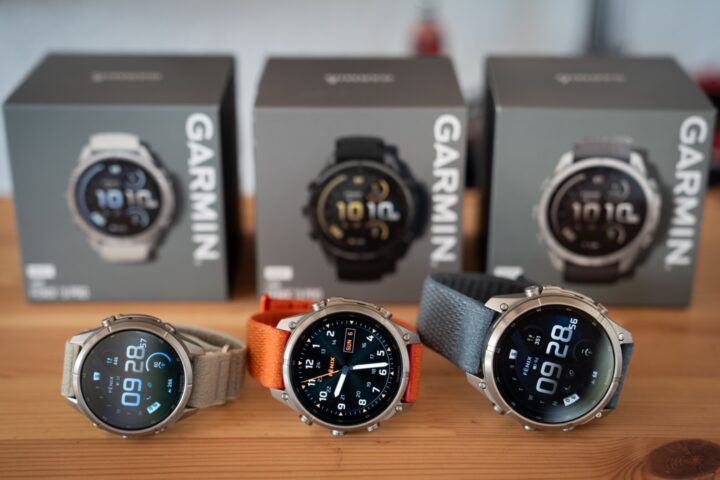
The Fenix 9 series introduces a tiered technological architecture designed to cater to distinct user requirements, ranging from urban fitness enthusiasts to deep backcountry explorers.
The transition from the Base model to the Pro variant introduces substantial hardware enhancements focused on display technology, processing power, and materials science. The Pro lineup features a significantly brighter AMOLED display capable of achieving 3,000 nits, compared to the 2,000-nit panel found on the standard Fenix 9 Base. Furthermore, the Pro models incorporate a faster internal processor that visibly accelerates map-rendering speeds and interface navigation, complemented by a full titanium case construction rather than a partial titanium bezel.
Other key additions to the Pro series include a newly integrated green flashlight, extended battery longevity across multiple operational profiles, and a specialized Memory-in-Pixel (MIP) solar display option. Size configurations have also been optimized, with the 51mm Pro model housing a larger 1.5-inch screen compared to the 1.4-inch display on the standard 51mm base unit.
Moving to the apex of the lineup, the Pro inReach variants integrate comprehensive satellite communication and Long-Term Evolution (LTE) capabilities. These models bridge the gap between traditional sports watches and emergency communication devices by supporting:
- LTE-enabled two-way voice calls and voice messaging
- Real-time LTE LiveTrack with 30-second sampling intervals
- LTE and satellite-based emergency SOS functionality via the Garmin Response coordination center
- LTE and satellite weather updates, text messaging, and location check-ins
Market Dynamics and Competitive Pressures
Financial analysts and industry watchers have engaged in considerable speculation regarding the underlying motivations for Garmin’s sudden pricing shift. Several compounding factors are believed to have influenced the corporate decision.
First, Garmin’s Q3 financial earnings report, published on October 28, highlighted the Outdoor segment as a primary driver of increased corporate revenue, explicitly attributing financial growth to the commercial reception of newly launched adventure watches. Having already placed older-generation Fenix 8 and Fenix 8 Pro units on standard promotional pricing schedules, the introduction of an early-lifecycle discount on the Fenix 9 series may serve to sustain sales momentum during a broader economic slowdown characterized by cautious consumer spending.
Second, competitive pressures within the sports technology sector are intensifying. Shortly before the announcement of the Garmin price adjustments, rival manufacturer COROS teased the upcoming release of its Vertix 4 smartwatch, featuring a prominent integrated flashlight design. In the highly competitive outdoor wearables market, brands frequently monitor competitor release pipelines through retail channel briefings. Tactical price adjustments of this nature often function as a preemptive measure to capture consumer wallets ahead of rival product deployments.
Finally, macroeconomic realities suggest a normalization of tech sector pricing strategies. As hardware lifecycles compress and consumer resistance to high-end wearable pricing increases, manufacturers are demonstrating greater flexibility in optimizing price-to-performance ratios to maximize total addressable market penetration.
Industry Implications
The introduction of an authorized $100 discount on a flagship device less than three months post-launch signals a potential evolution in Garmin’s retail philosophy. While the move offers immediate financial relief to consumers investing in high-end biometric and navigational hardware, it also underscores the growing necessity for legacy brands to remain agile in an increasingly crowded and competitive marketplace. As the boundaries between consumer smartwatches and professional emergency communication devices continue to blur, pricing strategy has emerged as a critical battleground for market share.