








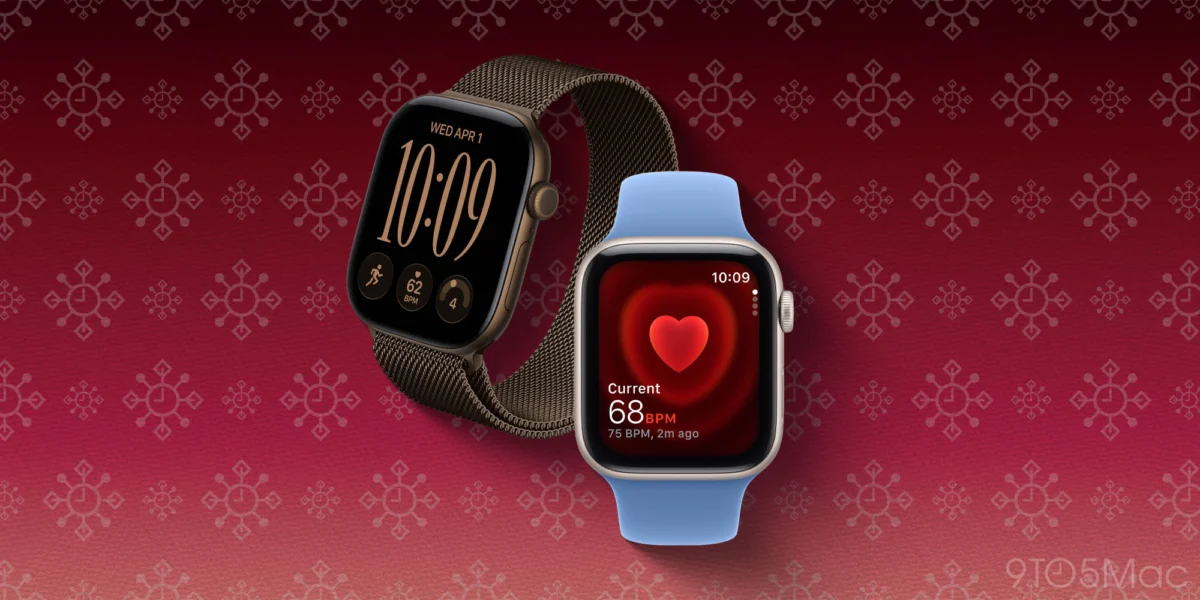
The holiday shopping season has arrived, signaling a period of peak demand for consumer electronics, with the Apple Watch remaining a staple gift choice for millions of households. As Apple continues to segment its wearable portfolio, consumers are faced with a distinct choice between the entry-level Apple Watch SE 3 and the high-performance Apple Watch Series 12. Understanding the technical divergence between these two models requires a look at their hardware capabilities, health-sensing architecture, and long-term utility in the evolving landscape of digital wellness.
The Evolution of the Apple Watch Ecosystem
Since the inception of the Apple Watch in 2015, the device has transitioned from a smartphone companion to a critical health-monitoring instrument. This evolution has followed a clear chronological path: initial iterations focused on notifications and basic activity tracking, while modern versions have pivoted toward medical-grade sensor integration.
The Apple Watch SE 3, positioned as the gateway device, serves as the modern standard for consumers seeking the essentials of the Apple ecosystem without the premium costs associated with flagship hardware. Conversely, the Series 12 represents the current pinnacle of Apple’s wearable engineering, reflecting a shift toward continuous, high-frequency physiological data collection that provides users with a more granular understanding of their personal health metrics.

Technical Analysis: Apple Watch SE 3
The Apple Watch SE 3 remains a compelling value proposition. Despite having been on the market for one year, it serves as the foundation for those entering the ecosystem. Its primary appeal lies in its efficiency; it provides core functionalities such as an Always-On display, sleep apnea notifications, and integrated temperature sensing.
From a design perspective, the SE 3 maintains the classic aluminum casing, focusing on durability and lightweight comfort. Internally, it is powered by the S10 chip, which remains highly capable of handling watchOS tasks, fitness tracking, and standard app interactions. The device’s battery performance is optimized for daily use, offering 18 hours of operation under normal conditions, which can be extended to 32 hours through Low Power Mode. This balance of power and efficiency makes the SE 3 a pragmatic choice for users who prioritize health tracking over high-end sensor suites.
Technical Analysis: Apple Watch Series 12
The Series 12 marks a significant departure from previous generations, primarily due to the introduction of the new Health Sensing System. This hardware architecture is designed to capture heart rate data every five seconds—a substantial increase over the five-minute intervals utilized by the SE 3. This high-frequency sampling allows for a more detailed analysis of cardiovascular trends, which serves as the backbone for the device’s new "Readiness Score."
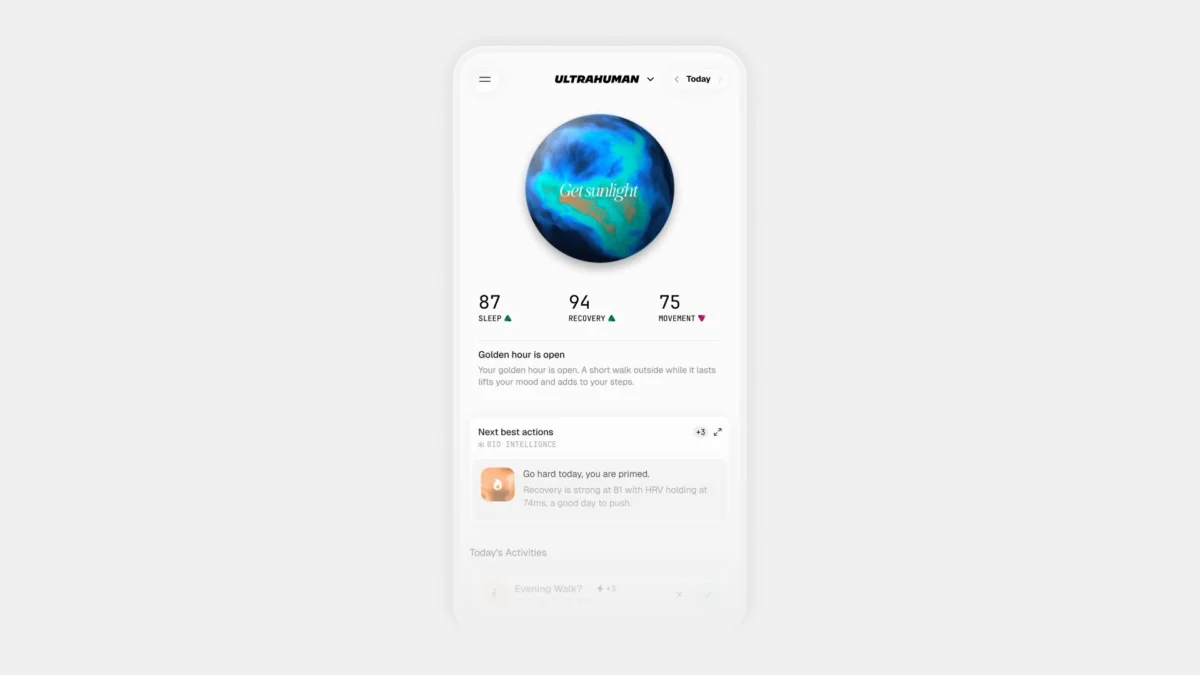
The Readiness Score is a multifaceted metric that synthesizes data from training load, vital signs, and sleep quality. By factoring in these inputs, the Series 12 provides a predictive assessment of a user’s ability to perform physical tasks, effectively moving from passive monitoring to active health coaching. Furthermore, the inclusion of the S11 chip facilitates advanced features such as on-device audio intelligence and improved Precision Finding for iPhone, cementing the Series 12 as a multifaceted productivity tool rather than just a fitness tracker.

Comparative Data and Key Differentiators
When evaluating the two models side-by-side, the hardware differences become apparent. The Series 12 offers a superior display with peak brightness reaching 2,000 nits, compared to the 1,000 nits found on the SE 3, ensuring better visibility in direct sunlight. Material choice is another primary differentiator; while the SE 3 is restricted to aluminum, the Series 12 offers premium options, including titanium and ceramic, catering to a broader aesthetic range.
The following table summarizes the primary functional distinctions between the two devices:
| Feature | Apple Watch SE 3 | Apple Watch Series 12 |
|---|---|---|
| Chipset | S10 | S11 |
| Heart Rate Sampling | Every 5 minutes | Every 5 seconds |
| Readiness Score | No | Yes |
| Advanced Health Suite | Limited | Full (ECG, Blood Oxygen, Hypertension) |
| Battery (Standard) | 18 hours | 24 hours |
| Fast Charging | 0-80% in 45 mins | 0-80% in 30 mins |
| Depth/Water Temp | No | Yes |
Broader Implications of High-Frequency Health Monitoring
The shift toward more frequent, granular health monitoring—as evidenced by the Series 12—reflects a broader trend in the medical technology sector. Industry analysts note that by increasing the frequency of heart rate sampling, Apple is positioning its devices to act as early-warning systems for potential cardiac irregularities.
The introduction of hypertension notifications and advanced HRV (Heart Rate Variability) tracking on the Series 12 suggests that Apple is moving closer to clinical-grade diagnostic tools. While these features do not replace the advice of medical professionals, they provide a longitudinal data set that users can share with physicians, potentially leading to earlier interventions for conditions like hypertension or sleep apnea.

The Role of Market Positioning
Apple’s strategy with the dual-tier approach is designed to capture two distinct consumer segments. The SE 3 is aimed at the "entry-level" user, likely someone buying their first smartwatch or looking to provide a functional gift for a younger user or a senior family member. Its lower price point, currently dipping under the $200 threshold in various retail channels, makes it an accessible entry point.
The Series 12, meanwhile, is targeted at the "power user" or the health-conscious individual who relies on data to optimize performance or monitor chronic conditions. The inclusion of premium materials like ceramic and titanium indicates that Apple also views the Series 12 as a luxury accessory, capable of bridging the gap between a high-tech tool and a fashion statement.
Supply Chain and Environmental Context
As the holiday season intensifies, supply chain stability for both models appears robust. Apple has managed to maintain consistent inventory levels across its global retail network, a result of refined manufacturing processes and a mature supply chain that has been optimized over the last decade.
Environmental considerations also play a role in the current lineup. Both devices are designed with recycled materials in their aluminum casings, and the packaging for both models has been significantly reduced in size and plastic content, aligning with Apple’s stated goal of achieving carbon neutrality across its product line by 2030.

Concluding Perspectives for Holiday Shoppers
For the holiday buyer, the choice between the SE 3 and the Series 12 should be dictated by the intended use case. If the goal is a reliable, durable, and highly capable entry-level watch that covers all the essential bases—including heart rate monitoring, emergency features, and fitness tracking—the Apple Watch SE 3 remains the market leader in the sub-$200 category.
However, for those for whom health data is a priority, or for those who desire the most recent advancements in display technology and charging efficiency, the Series 12 is the definitive choice. Its superior sensing capabilities and the utility of the Readiness Score offer a significantly more comprehensive insight into one’s physical health. As the wearables market matures, the distinction between these two tiers will likely continue to widen, with Apple focusing the SE line on accessibility and the Series line on specialized, data-driven health and wellness innovation.