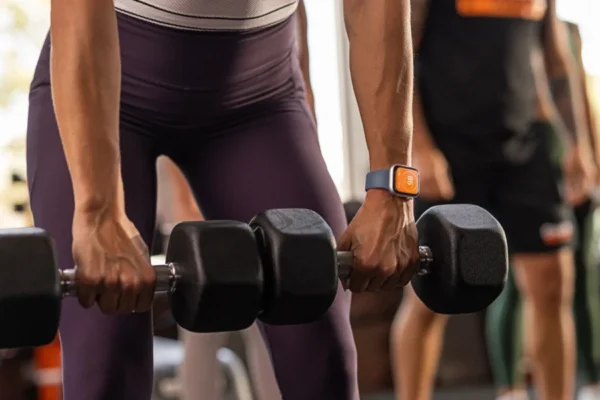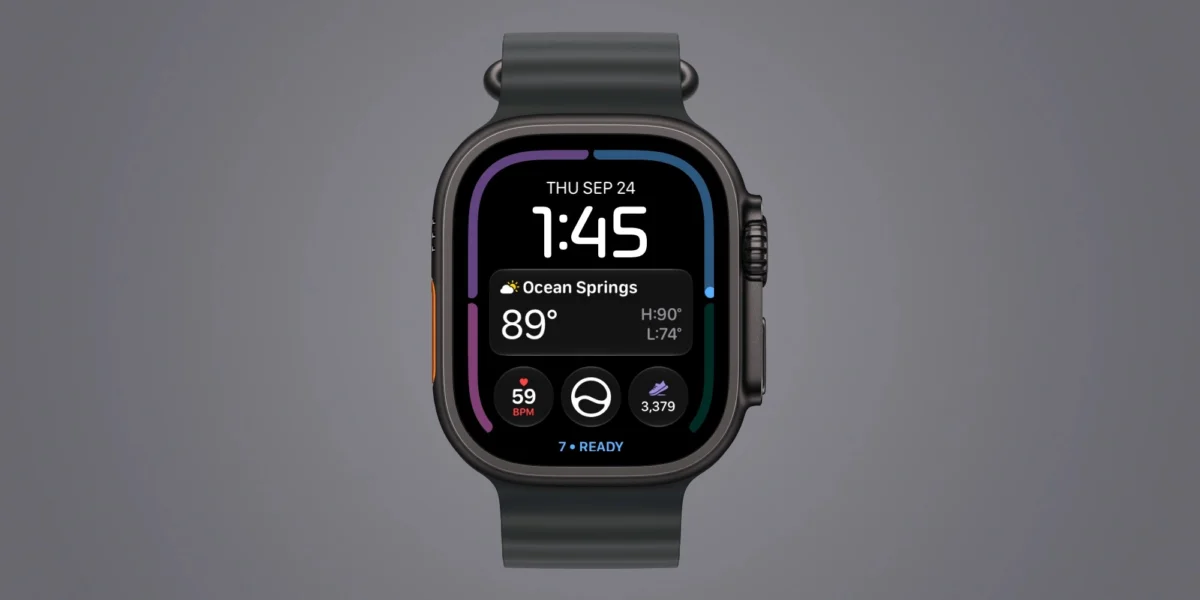









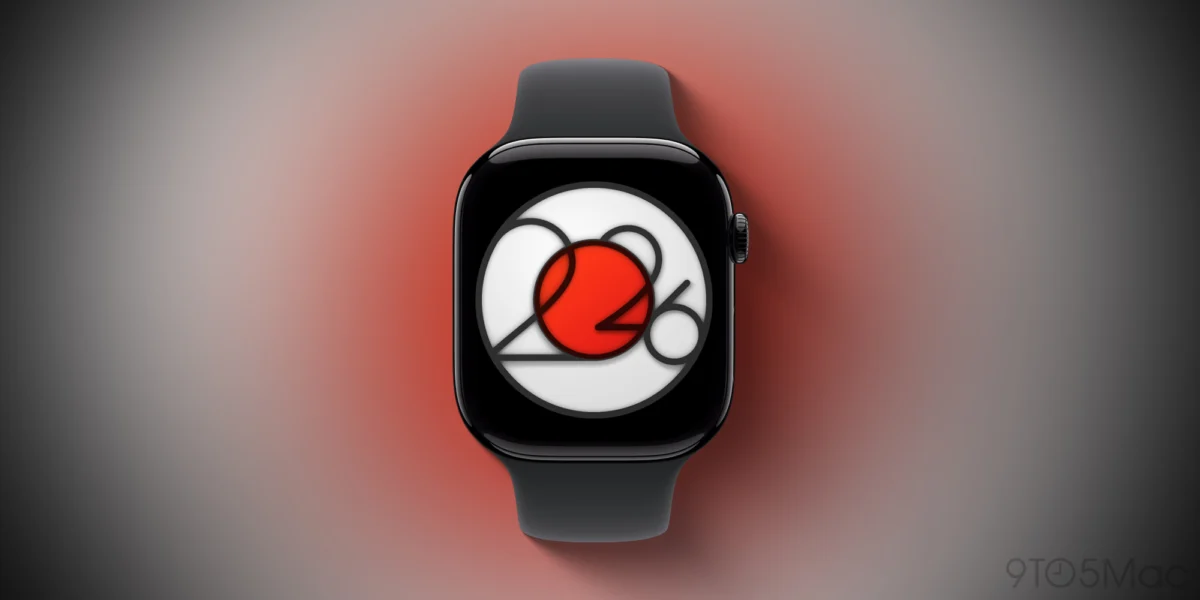
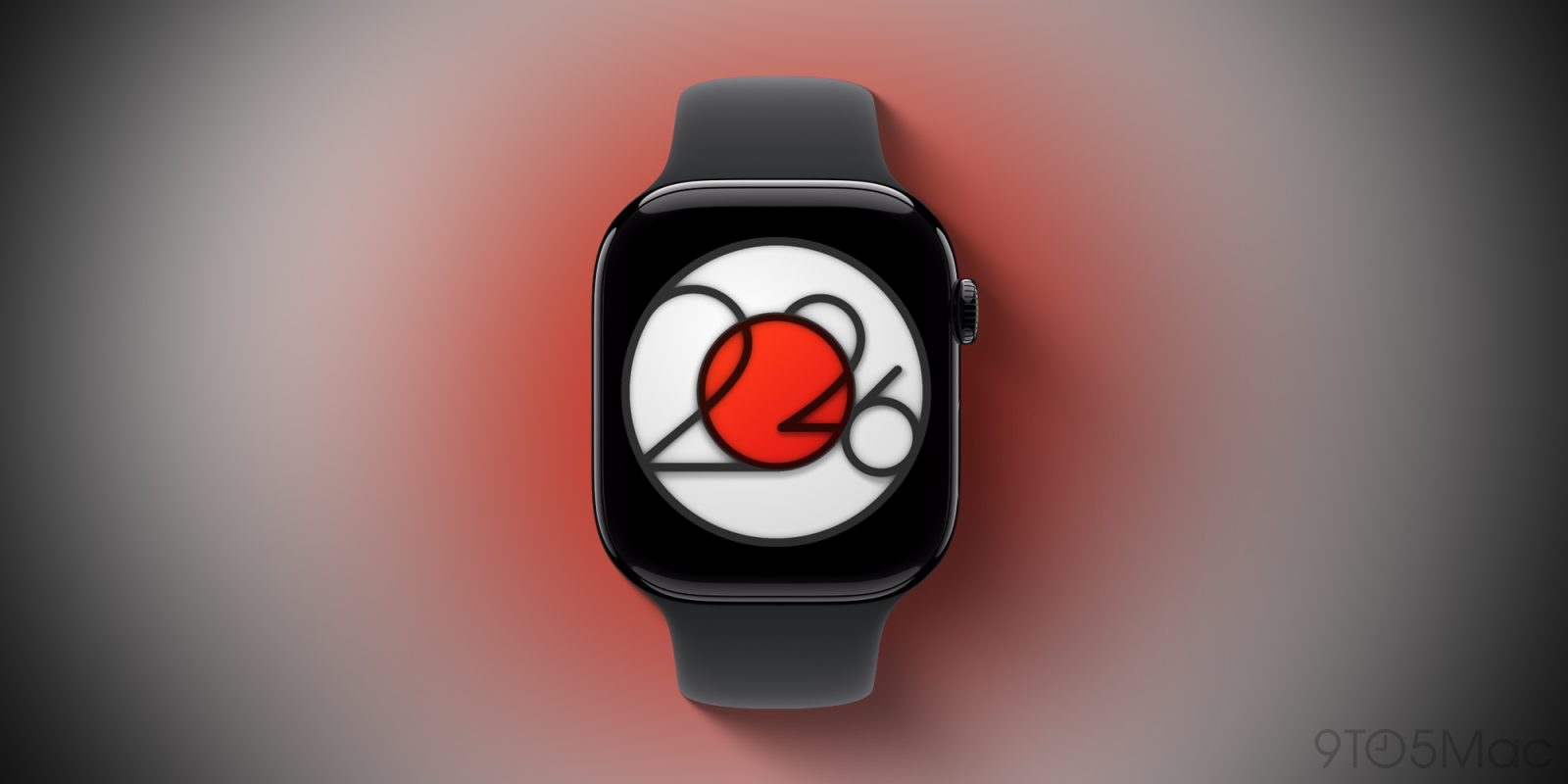
Apple has officially announced a new, region-specific Activity Challenge for Apple Watch users located in Japan, continuing its long-standing tradition of using gamified fitness incentives to engage its global user base. The challenge, which is scheduled to take place on October 10, encourages users to prioritize physical health by completing at least 30 minutes of any tracked workout. This initiative is part of a broader corporate strategy designed to foster community engagement and promote the integration of Apple’s health ecosystem into the daily routines of Japanese consumers.
The event, which requires participants to log their exercise through the native Fitness app or any third-party application that syncs data to Apple Health, will reward successful users with a limited-edition virtual trophy and a unique set of digital stickers. These assets are designed for use within the Messages and FaceTime applications, serving as a social signaling mechanism that encourages users to share their fitness achievements within their personal networks.
Chronology and Regional Context of Apple Fitness Challenges
Apple’s history of regional Activity Challenges is deeply rooted in the company’s localized marketing efforts. Historically, the tech giant has utilized these challenges to coincide with culturally significant dates or regional health observances. For instance, Apple has previously organized similar events for Earth Day, International Women’s Day, and national health months in various territories, including the United States, China, and parts of Europe.
In Japan, the move to introduce a dedicated fitness event reflects the company’s increasing focus on the archipelago as a key growth market for wearable technology and subscription-based health services. The selection of October 10 is not coincidental; historically, October 10 has been observed as "Sports Day" (Taiiku no Hi) in Japan—a national holiday dedicated to promoting sports and an active, healthy lifestyle. By aligning this challenge with a date that holds cultural resonance for physical activity, Apple is effectively leveraging existing national sentiments to drive engagement with its hardware.
Integration with Apple Fitness+
A significant component of this announcement is the role of Apple Fitness+, the subscription-based workout service that provides users with access to a library of instructor-led workouts. Apple Fitness+ officially launched in Japan earlier this year, marking a milestone in the company’s expansion of its services division within the Asia-Pacific region.
The inclusion of Fitness+ in this challenge is a strategic move to drive subscription conversion and retention. By allowing users to complete their 30-minute requirement through Fitness+ sessions, Apple is providing a seamless pathway for users to experience the premium features of its ecosystem. The service offers a diverse range of content, including Yoga, HIIT, Pilates, Strength, and Mindful Cooldown, catering to a wide demographic of users ranging from beginners to advanced athletes. Data from industry analysts suggests that the integration of hardware-based challenges with software-based subscription services significantly increases user "stickiness," making consumers less likely to switch to competing platforms like Garmin or Fitbit.
Supporting Data: The Wearables Market in Japan
The Japanese wearable technology market is one of the most mature and competitive in the world. According to recent market analysis reports, Apple maintains a dominant position in the Japanese smartwatch sector, largely due to the seamless integration between its devices and the domestic telecommunications infrastructure.
The emphasis on "Activity Challenges" is supported by internal data regarding user behavior. Apple’s health and fitness metrics consistently show that users who engage with the "Awards" system in the Fitness app are more likely to meet their daily "Move," "Exercise," and "Stand" goals. For the Japanese market, where there is a high societal emphasis on preventative healthcare and longevity, these digital nudges act as a powerful catalyst for consistent physical activity.
Furthermore, the expansion of the Fitness+ library to include localized content has been a critical factor in the service’s adoption. By providing localized cues and instructors, Apple has successfully reduced the barrier to entry for Japanese users who may have previously been deterred by language barriers or cultural differences in workout styles.

Official Responses and Strategic Implications
While Apple typically does not provide granular details on the number of participants for regional challenges, the company has frequently cited these events as successful tools for community building. A spokesperson for the company’s health division noted in a prior briefing that "the goal of these challenges is to provide a sense of shared purpose and achievement, encouraging users to push their limits in a way that feels rewarding and inclusive."
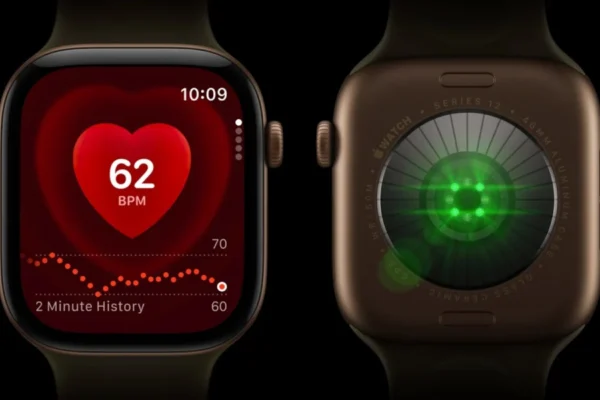
From a broader economic perspective, the promotion of the Apple Watch as a health-monitoring device rather than merely a notification tool has been central to Apple’s product differentiation. By positioning the watch as a "guardian of health," Apple has successfully entered the medical-adjacent market, with features like ECG monitoring, fall detection, and blood oxygen tracking. The Activity Challenge serves as the "top of the funnel" engagement tool, drawing users into a daily interaction with the device that reinforces its value proposition.
Broader Impact on Public Health Engagement
The implications of this initiative extend beyond simple sales metrics. By gamifying physical activity, Apple is participating in a global movement toward "digital health," where mobile technology is used to address the rising rates of sedentary-related health issues. In Japan, which has one of the oldest populations in the world, the focus on maintaining mobility and physical health through technology is increasingly relevant.
Public health experts have observed that interventions—even those as simple as digital badges—can have a measurable impact on short-term behavioral changes. By creating a temporary "event" atmosphere, Apple encourages sporadic exercisers to engage in sustained activity. If a user completes the 30-minute requirement on October 10, they are statistically more likely to continue the habit in the subsequent days, as the psychological reward of the "Award" badge reinforces the behavior.
Conclusion and Looking Forward
As the October 10 date approaches, Apple users across Japan are expected to participate in the challenge in high numbers. The event serves as a microcosm of Apple’s wider strategy: combining high-end hardware, a robust software ecosystem, and culturally aware marketing to maintain dominance in the wearables market.

For those looking to participate, the requirements remain straightforward: ensure the Apple Watch is synced, choose a preferred workout category—whether it be a brisk walk, a high-intensity interval session in Fitness+, or a strength training session—and complete the 30-minute duration. The achievement, once unlocked, will reside in the user’s trophy case indefinitely, serving as a permanent record of their participation in the October 2026 event.
As Apple continues to iterate on its health offerings, observers anticipate further regional-specific challenges that take advantage of local calendars and health trends. For now, the Japan-exclusive challenge stands as a clear indicator of Apple’s commitment to deepening its footprint in the Japanese market, utilizing the power of gamification to promote long-term user health and loyalty. With the recent introduction of Fitness+ into the region, the company has effectively built a closed-loop system where hardware, software, and community events converge to provide a comprehensive health experience for the end-user.