






The upcoming release of watchOS 27.3, scheduled for a global rollout next month, represents a significant shift in the operational paradigm of the Apple Watch. By integrating deeper artificial intelligence capabilities directly onto the wrist, Apple is positioning its wearable platform as a more proactive personal assistant. This update introduces three core features—enhanced Siri AI actions, the Live Rewind audio tool, and the automated Siri Recap log—which collectively signal a transition from a reactive notification device to an anticipatory intelligence hub.
The Evolution of Siri Intelligence
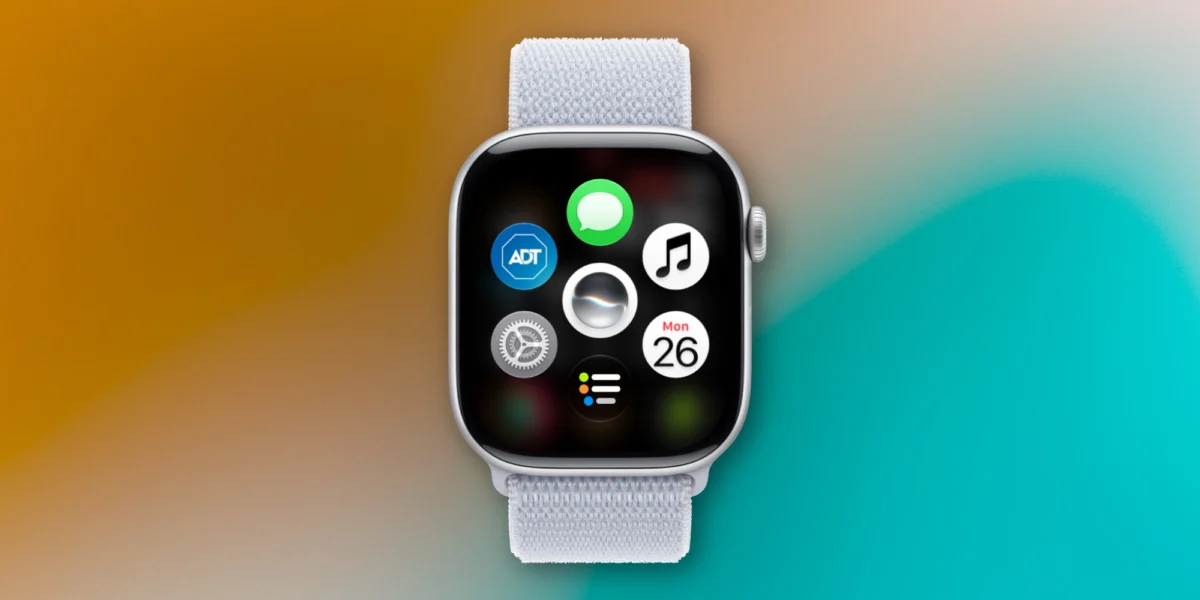
For years, Siri on the Apple Watch has functioned primarily as a voice-command interface for basic tasks. With the implementation of watchOS 27.3, this functionality is being fundamentally overhauled. The update introduces advanced "App Actions," allowing the assistant to execute complex, multi-step operations across the native Apple ecosystem, including Calendar, Mail, Maps, Messages, Music, Notes, Photos, and Weather.

This expansion is underpinned by a broader push for linguistic inclusivity. Apple has confirmed that the update will incorporate four new languages—Chinese (Traditional), Norwegian, Turkish, and Vietnamese—bringing the total number of supported languages to one of the most comprehensive arrays in the wearable market. This strategic move aims to capture a larger share of the international market, particularly in regions where voice-activated computing is becoming the primary mode of interaction for non-English speaking demographics.
Live Rewind and the Future of Audio Intelligence
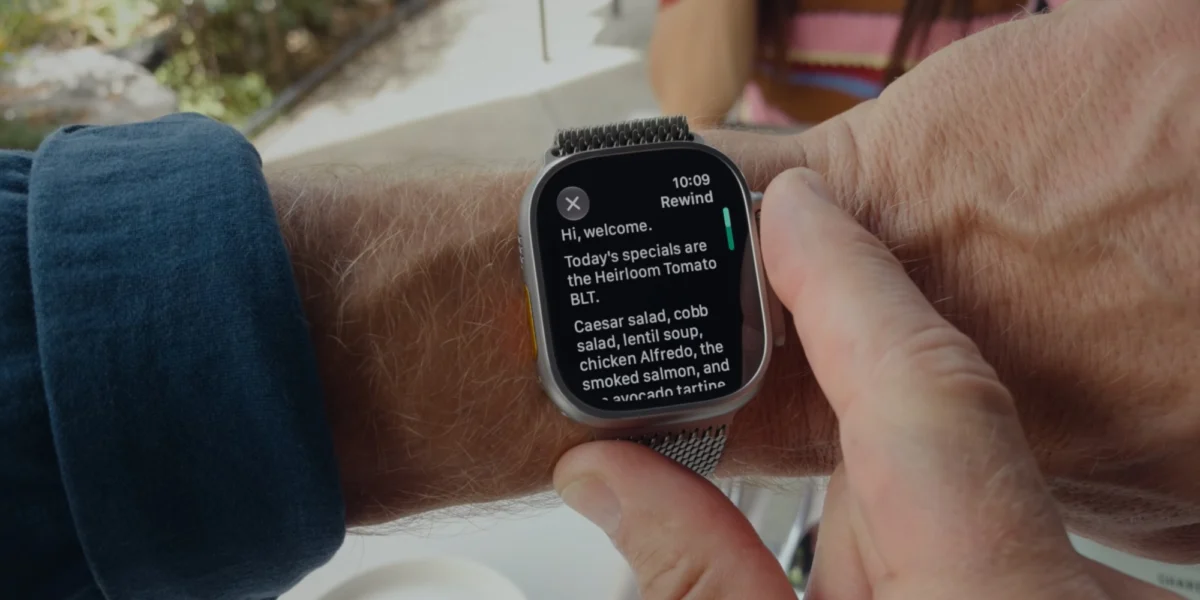
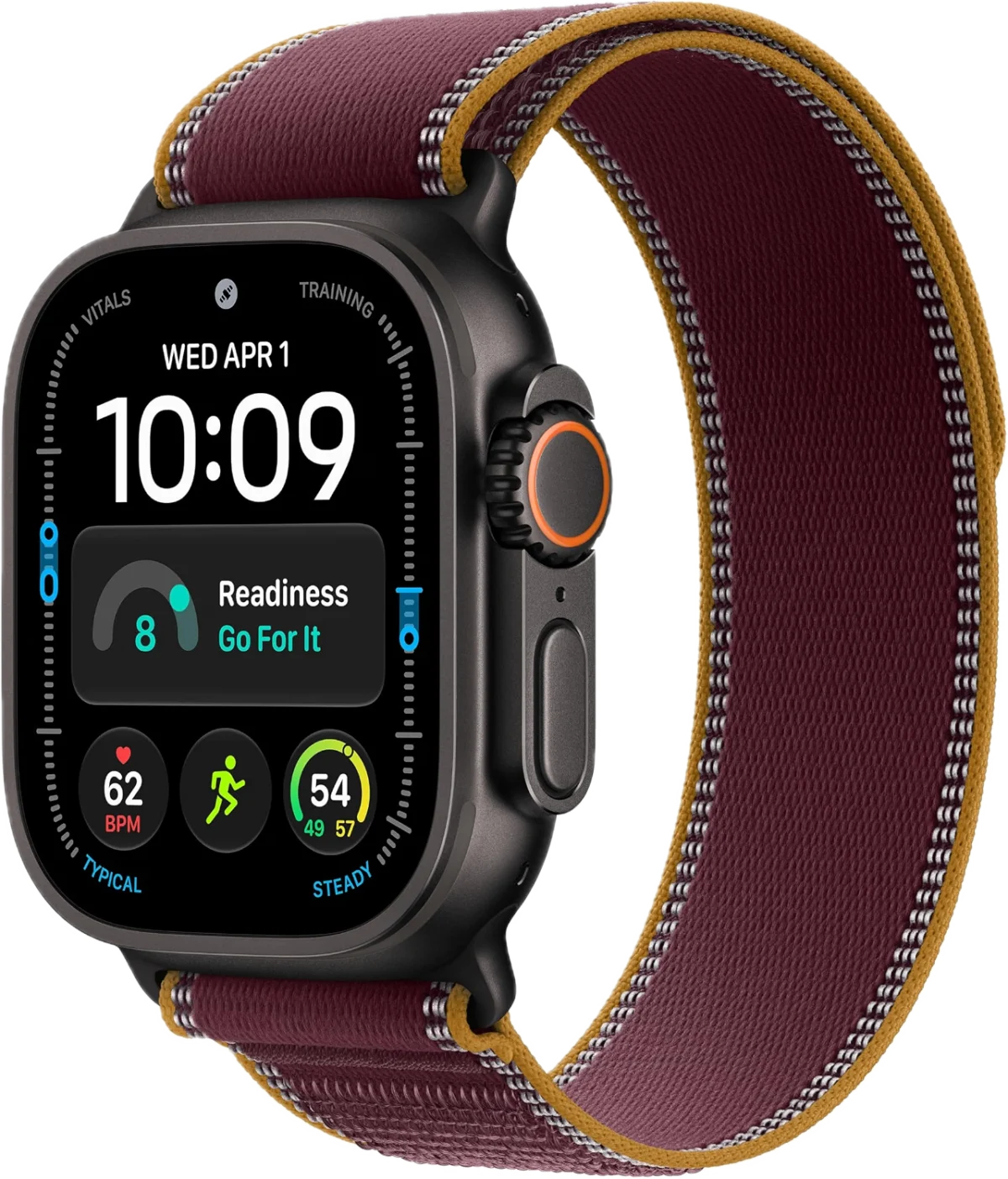
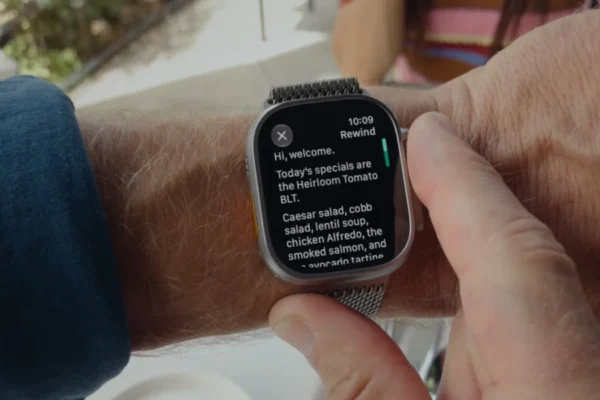
Perhaps the most technically ambitious component of watchOS 27.3 is the introduction of Live Rewind. Designed specifically for the most recent iterations of Apple’s hardware, this feature leverages the device’s microphone array and on-device processing power to provide a real-time "textual buffer" of the user’s surroundings.
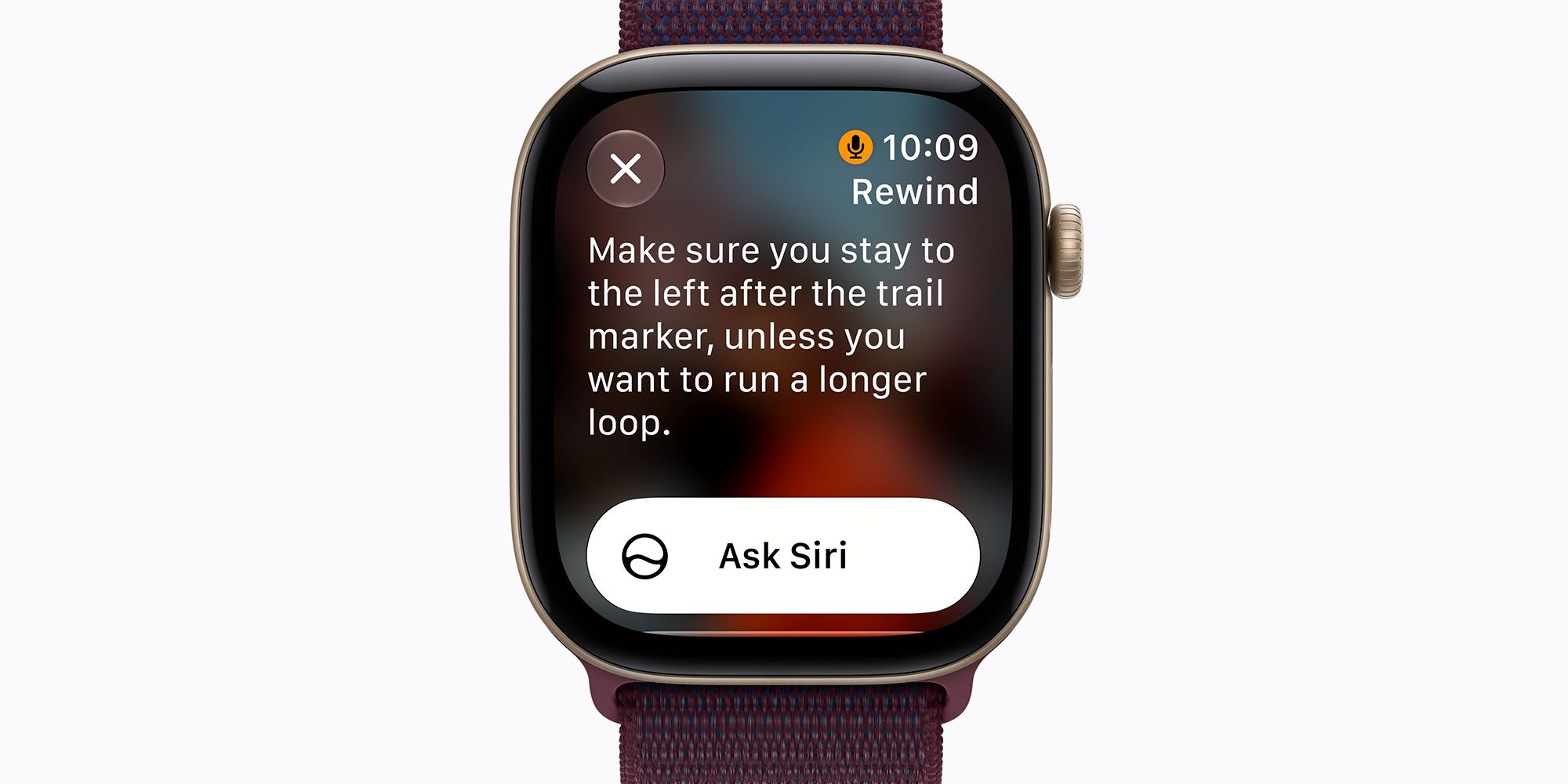
By double-pressing the Digital Crown, users can instantly access a 15-second transcription of the audio just captured. While the feature has sparked some discussion regarding social etiquette and privacy, the underlying technology is aimed at assisting users in high-noise environments or scenarios where auditory comprehension might be challenging.

Technologically, this requires low-latency, on-device machine learning models that can process speech-to-text in milliseconds without compromising battery life or user privacy. By keeping the data local, Apple continues to reinforce its commitment to end-to-end data security, a cornerstone of its current branding strategy. The feature allows users to either query Siri for a summary of the text or archive the snippet directly into the Siri application for future reference.
Siri Recap: Automated Life-Logging
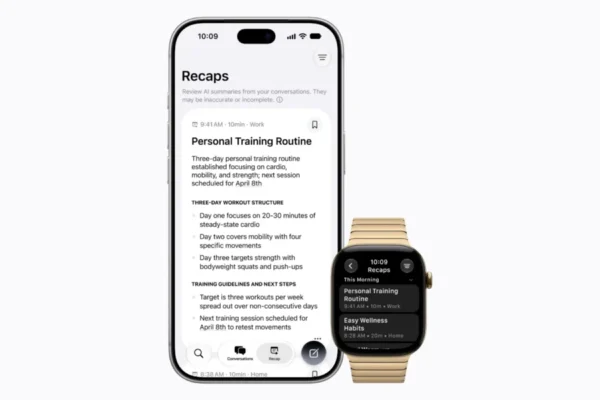
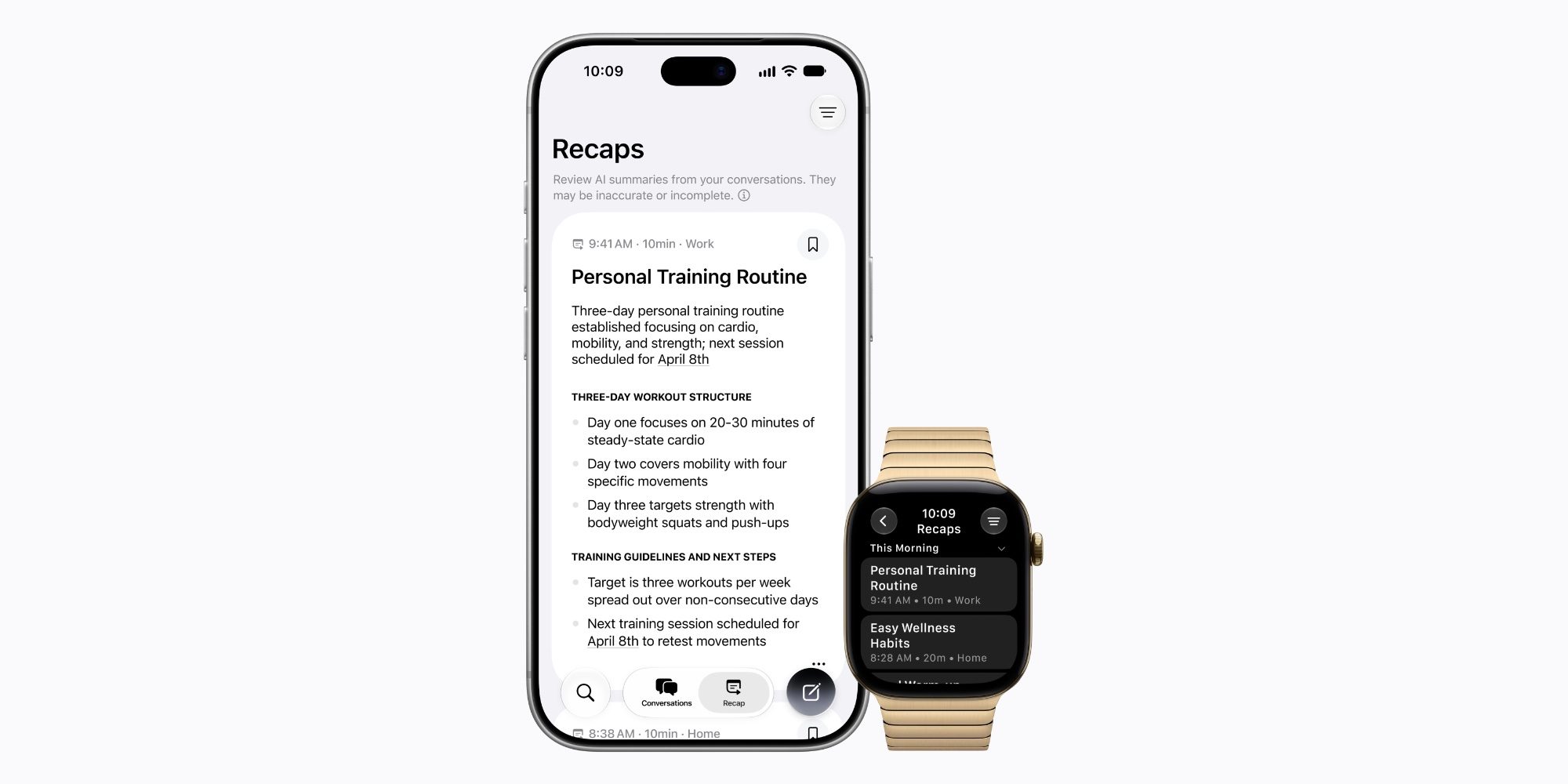
The introduction of Siri Recap on the Apple Watch Series 12 and Ultra 4 marks a significant milestone in "lifelogging." Unlike traditional note-taking, which requires manual input, Siri Recap acts as an automated chronicler of the user’s day. It aggregates key moments, conversations, and data points into a searchable log.
To mitigate privacy concerns, Apple has implemented strict guardrails: the feature is disabled by default, and logs are set to purge automatically after seven days unless explicitly saved by the user. This "ephemeral by design" approach is intended to provide utility without creating a permanent record of the user’s private life, balancing convenience with data minimization principles.
Chronology of the 2026 Wearable Roadmap
The trajectory toward these features began in earnest during the September 2026 hardware event, where Apple first showcased the underlying "Audio Intelligence" architecture. Following the announcement, the beta testing cycle commenced in early October, providing developers and power users with early access to the software. The rapid transition from beta to public release—a span of less than two months—highlights the maturity of Apple’s current software development lifecycle (SDLC).
- September 2026: Initial demonstration of Audio Intelligence and Siri Recap during the Apple Watch Series 12 and Ultra 4 launch.
- October 2026: Release of the first developer beta, signaling the integration of advanced app actions.
- November 2026: Refinement of the UI/UX for Live Rewind and finalization of language support.
- December 2026 (Projected): Official public release of watchOS 27.3 to all compatible devices.
Industry Implications and Privacy Analysis
The integration of these features places Apple in direct competition with emerging AI-focused hardware startups. However, by embedding these capabilities into a device that already possesses significant market penetration, Apple avoids the "adoption hurdle" that often plagues new, dedicated AI devices.
From an industry perspective, the move toward automated logging and real-time transcription signals a shift in how society interacts with wearables. There are, however, clear legal and ethical implications. The ability to record and transcribe environmental audio—even in 15-second bursts—necessitates a new conversation regarding consent in public and semi-public spaces. Legal experts have already begun noting that while the technology is opt-in and local-first, it may eventually force a re-evaluation of current "reasonable expectation of privacy" standards in legal precedents across different jurisdictions.
Market Context and Hardware Strategy
The decision to restrict certain features, such as Siri Recap, to the Series 12 and Ultra 4 models is a clear incentive for hardware upgrades. By tying software innovation to the latest Neural Engine processors found in these newer chips, Apple maintains a high performance bar for its software. This strategy ensures that the user experience remains fluid, as the intensive processing required for real-time transcription and summary generation would likely lead to unacceptable latency on legacy hardware.
Furthermore, the emphasis on these features aligns with Apple’s broader Services-based revenue model. By making the Apple Watch an indispensable tool for productivity and information retention, the company strengthens its ecosystem lock-in. When the watch becomes a personal secretary, the incentive for users to remain within the Apple hardware and software ecosystem increases significantly.
Conclusion: A Shift in User Experience
As the release date for watchOS 27.3 approaches, the consumer expectation is shifting from "how long can my battery last" to "how much can my device do for me." The combination of Siri’s expanded app intelligence and the proactive nature of Live Rewind and Siri Recap suggests that the Apple Watch is nearing its full potential as an AI-augmented extension of the self.

While the utility of these features will ultimately be determined by daily real-world usage, the technical foundation laid by this update is undeniable. For users, the coming month will provide the first opportunity to integrate these advanced AI capabilities into their professional and personal workflows. As with all major software shifts, the industry will be watching closely to see how effectively Apple manages the balance between utility, privacy, and the evolving ethical landscape of wearable AI.