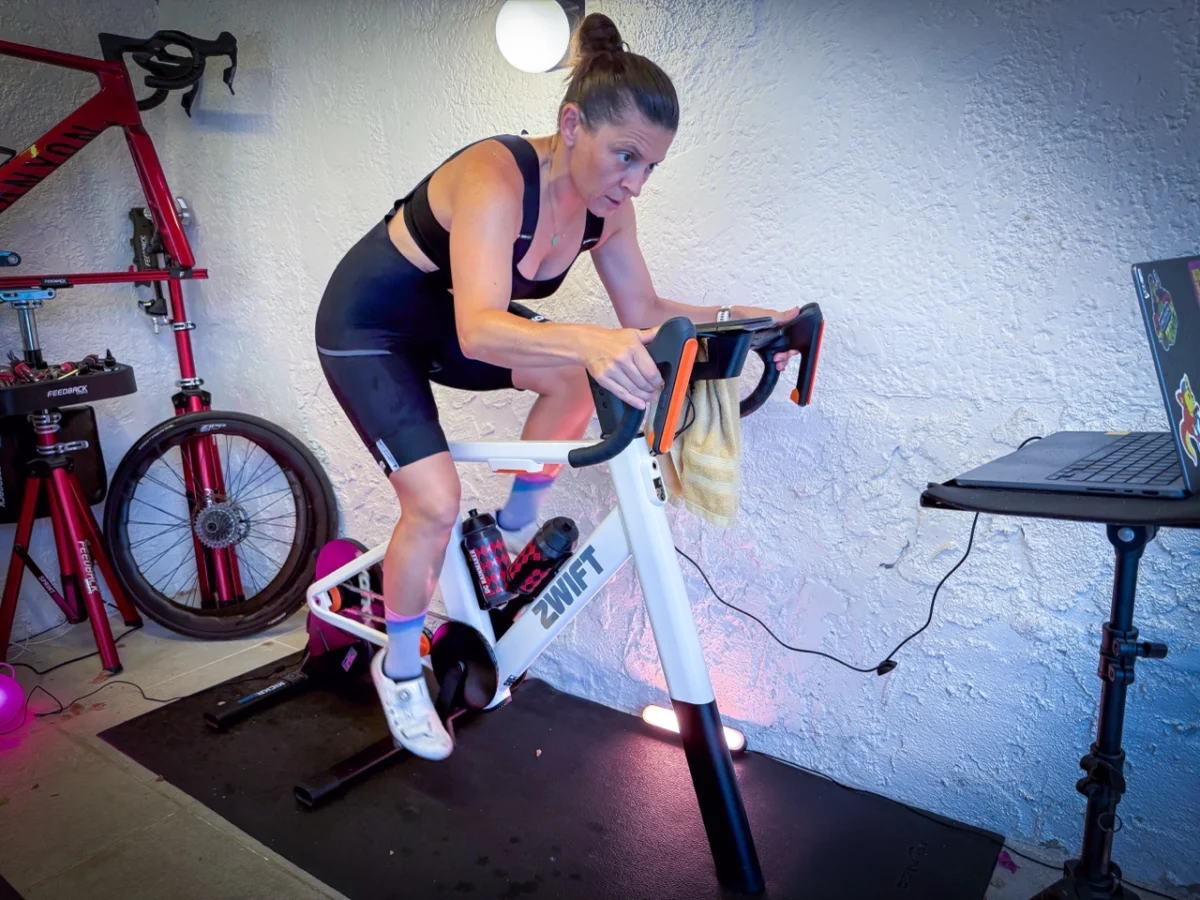
Zwift has officially announced the launch of its updated indoor smart bike, the Zwift Ride V2, introducing a series of targeted hardware and design modifications explicitly engineered to improve ergonomics for shorter athletes and multi-rider households. While the original Zwift Ride V1 successfully captured market share following its debut as an affordable, integrated alternative to high-end dedicated indoor bikes, user feedback heavily emphasized the need for a wider range of physical adjustments. The V2 iteration directly addresses these limitations by lowering the minimum rider height threshold, implementing a novel hot-swappable seatpost mechanism, and expanding component compatibility for existing owners.
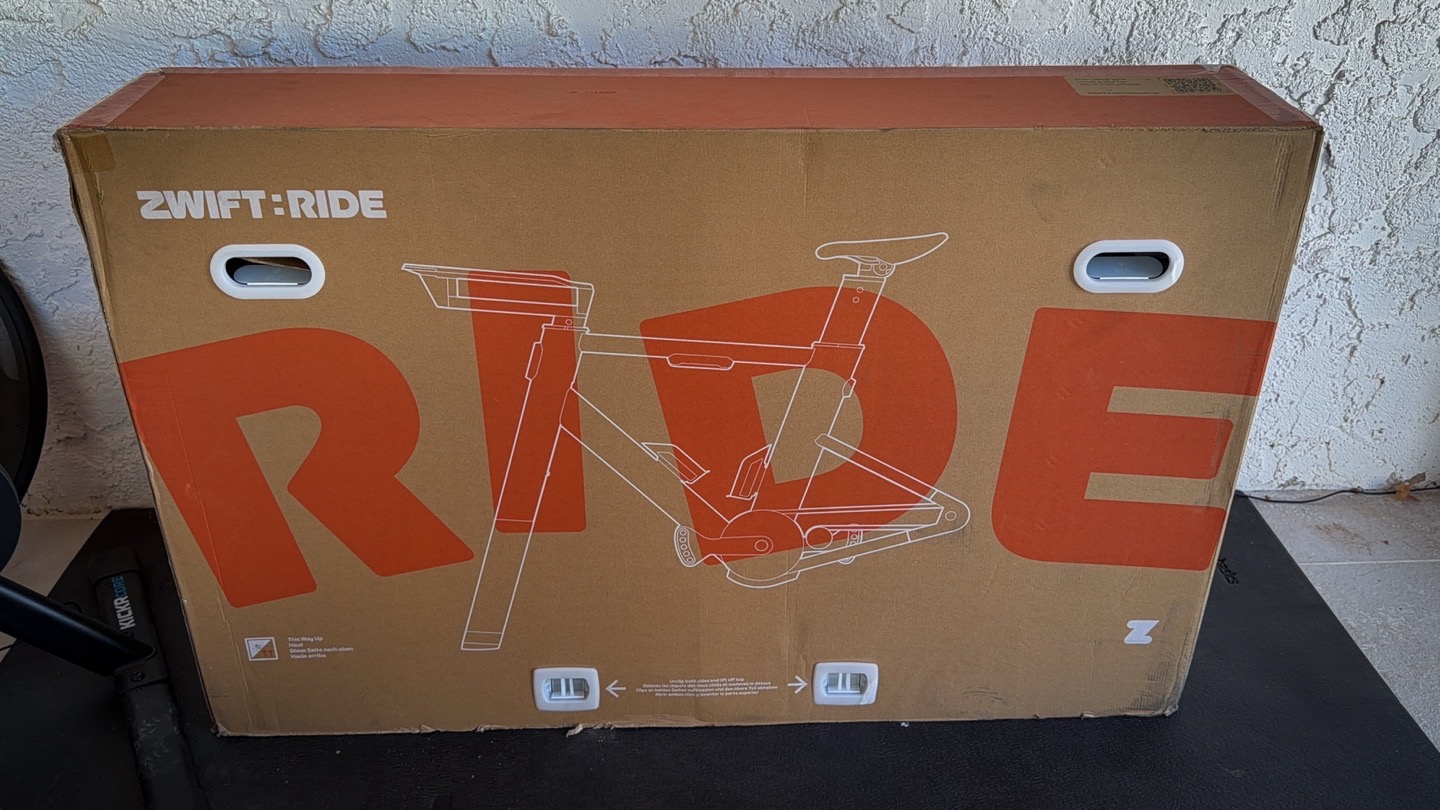
Priced identically to its predecessor at $1,299 USD, €1,199, and £1,099, the Zwift Ride V2 maintains the core electronic features and smart trainer integration that defined the initial release. Rather than altering the underlying resistance mechanisms, virtual shifting capabilities, or software ecosystem, Zwift’s engineering team focused exclusively on physical geometry and frame dimensions. Regional availability begins immediately in North America and Europe, with deployment across Asia-Pacific (APAC) and Latin America (LATAM) scheduled for completion by the end of the year.
Addressing Rider Fit and Geometric Adjustments
The primary motivation behind the Zwift Ride V2 is the expansion of user compatibility, particularly for individuals on the shorter end of the height spectrum. The original V1 model posed ergonomic challenges for riders under five feet tall, frequently resulting in suboptimal extension and uncomfortable reach metrics.
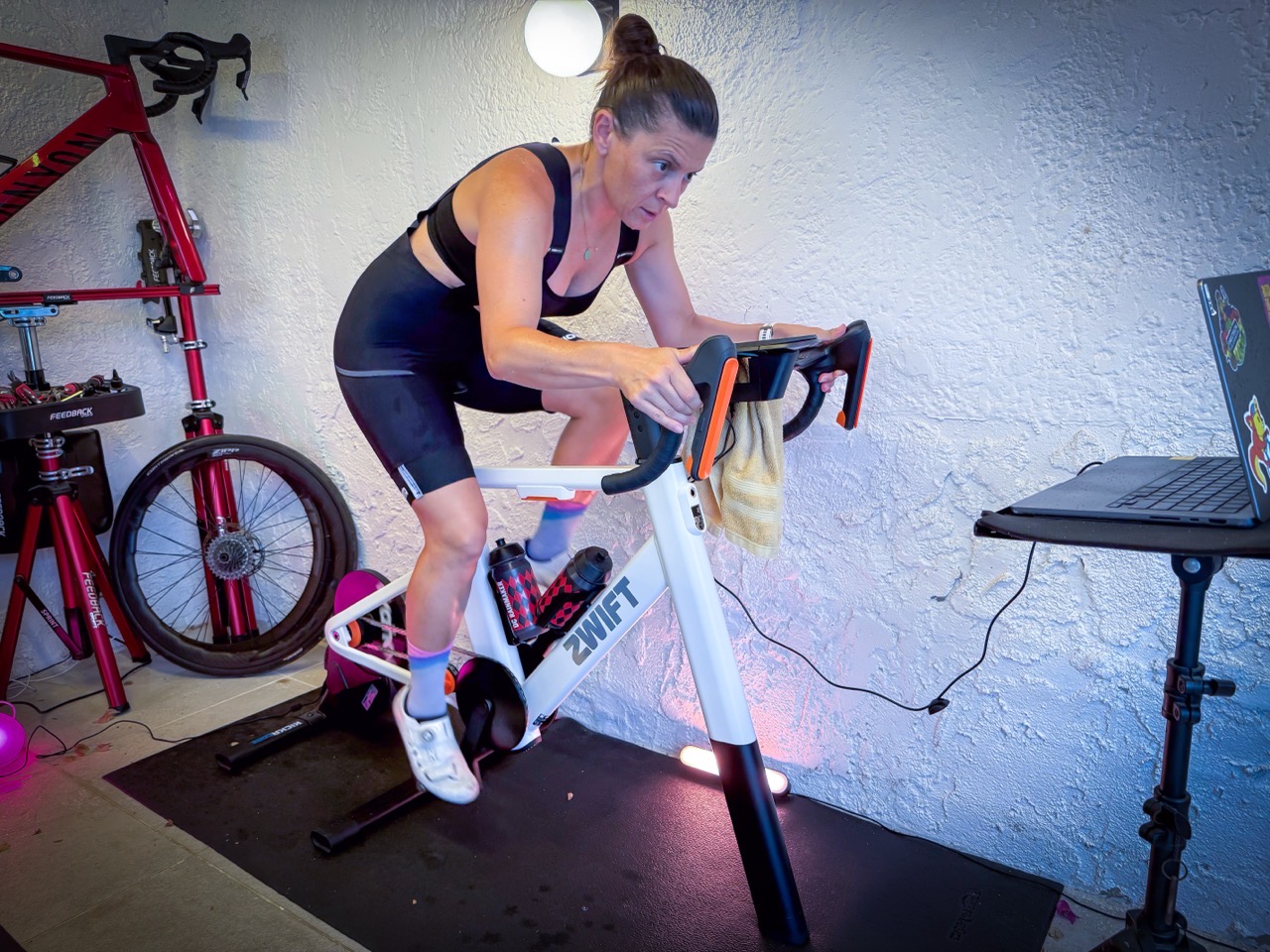
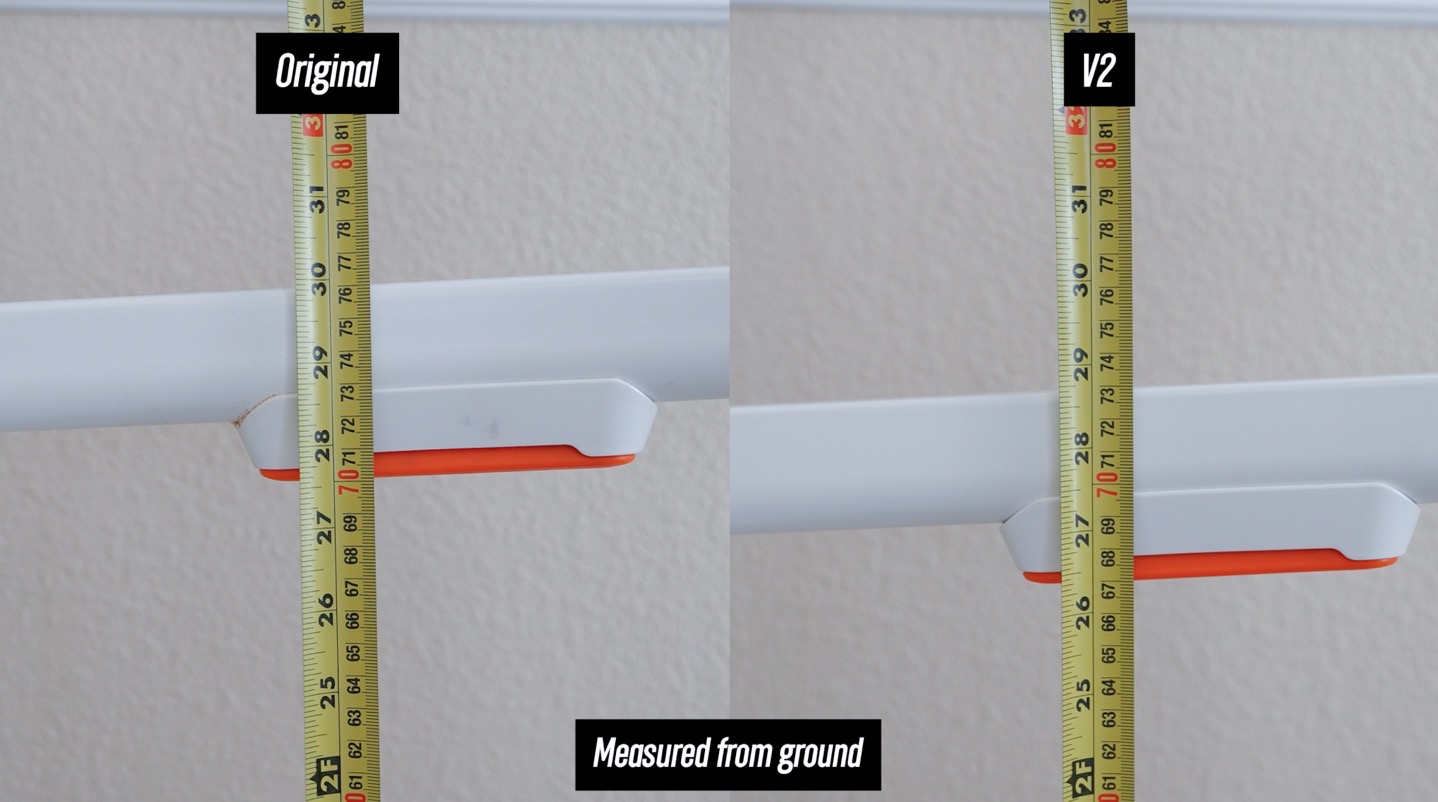
To resolve this, Zwift redesigned several key structural components. The minimum recommended rider height has been successfully brought down to 4 feet 10 inches (146 cm), while the maximum recommended height remains capped at 6 feet 6 inches (198 cm). Achieving this extended lower range required reducing both the frame’s standover height and the top-tube length. Taller riders experience no functional changes or compromises in their standard riding position, as other components can be easily adjusted fore and aft to preserve their preferred fit.
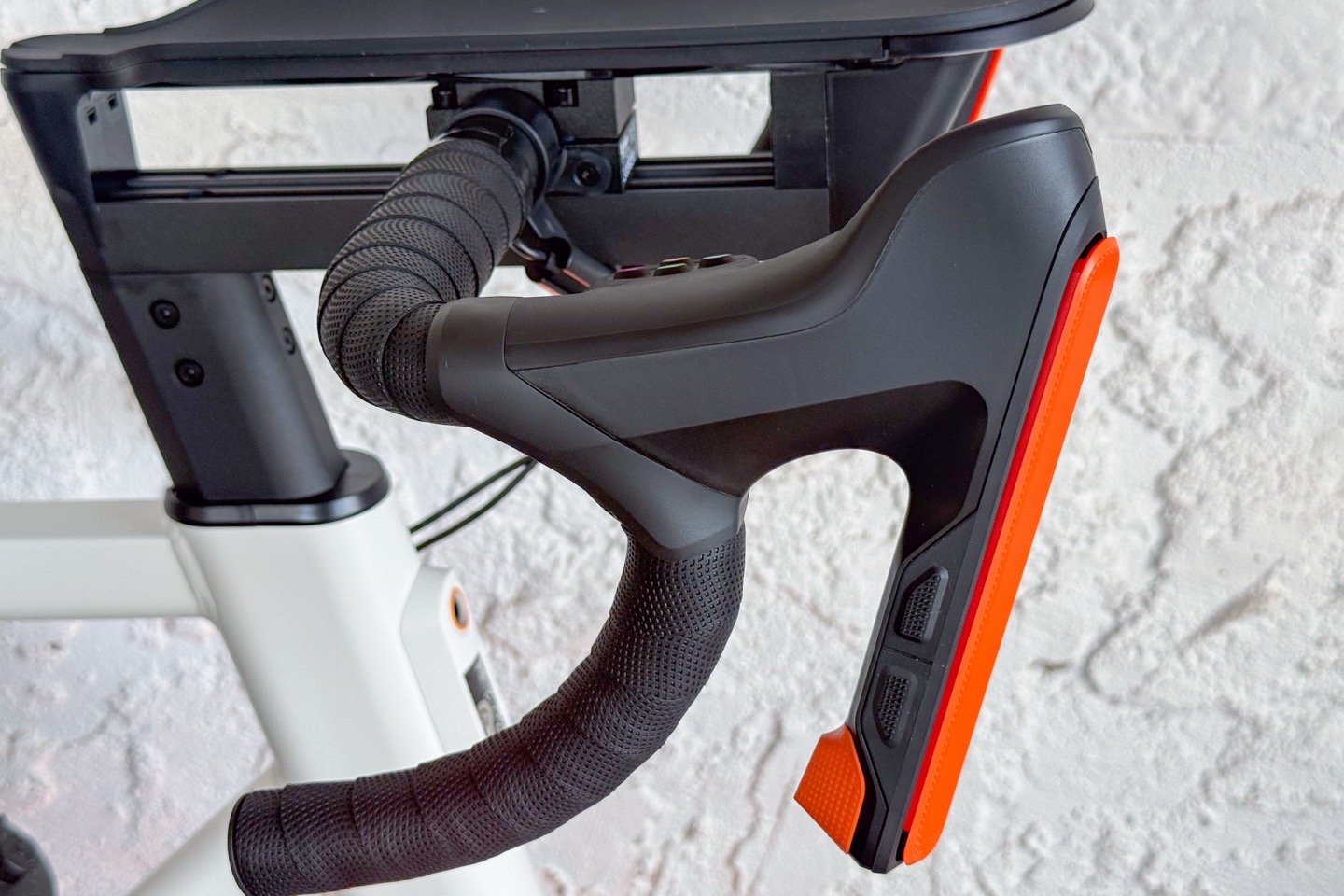
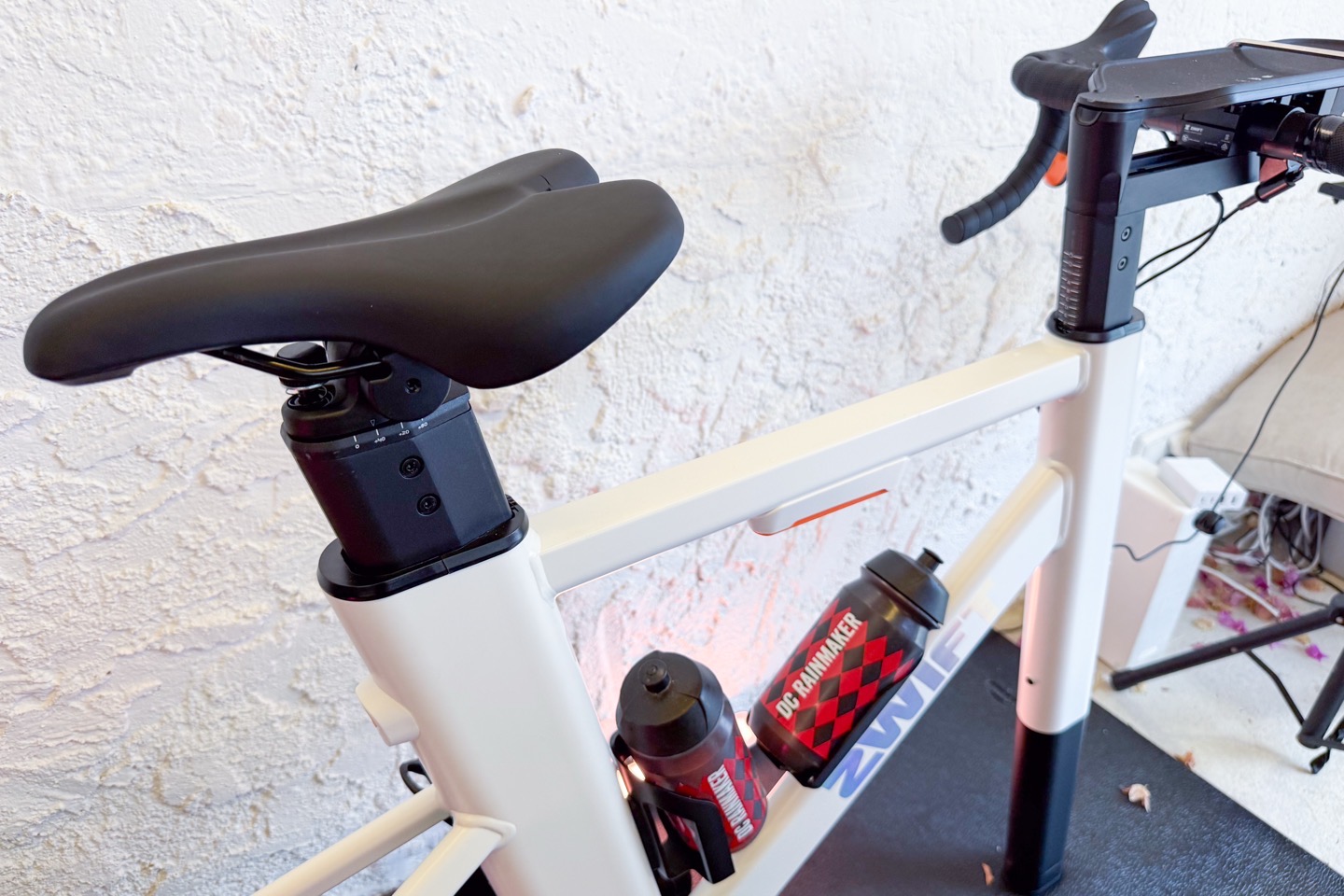
In addition to frame dimensions, the Zwift Ride V2 incorporates a constant-diameter handlebar from the stem to the bar ends, offering a slightly larger gripping surface while retaining the exact electronic button layout and functionality found on the V1. Furthermore, the front of the frame now features an aesthetic update in the form of a squirrel badge, signaling a playful branding touch alongside the functional hardware revisions.
Innovative Hot-Swappable Seatpost and Multi-Rider Versatility
One of the most notable engineering achievements in the Zwift Ride V2 is its upper seatpost redesign. Recognizing that many indoor cycling setups are shared among multiple members of a single household, Zwift developed a quick-swap bolt system that separates the saddle assembly from the main post.
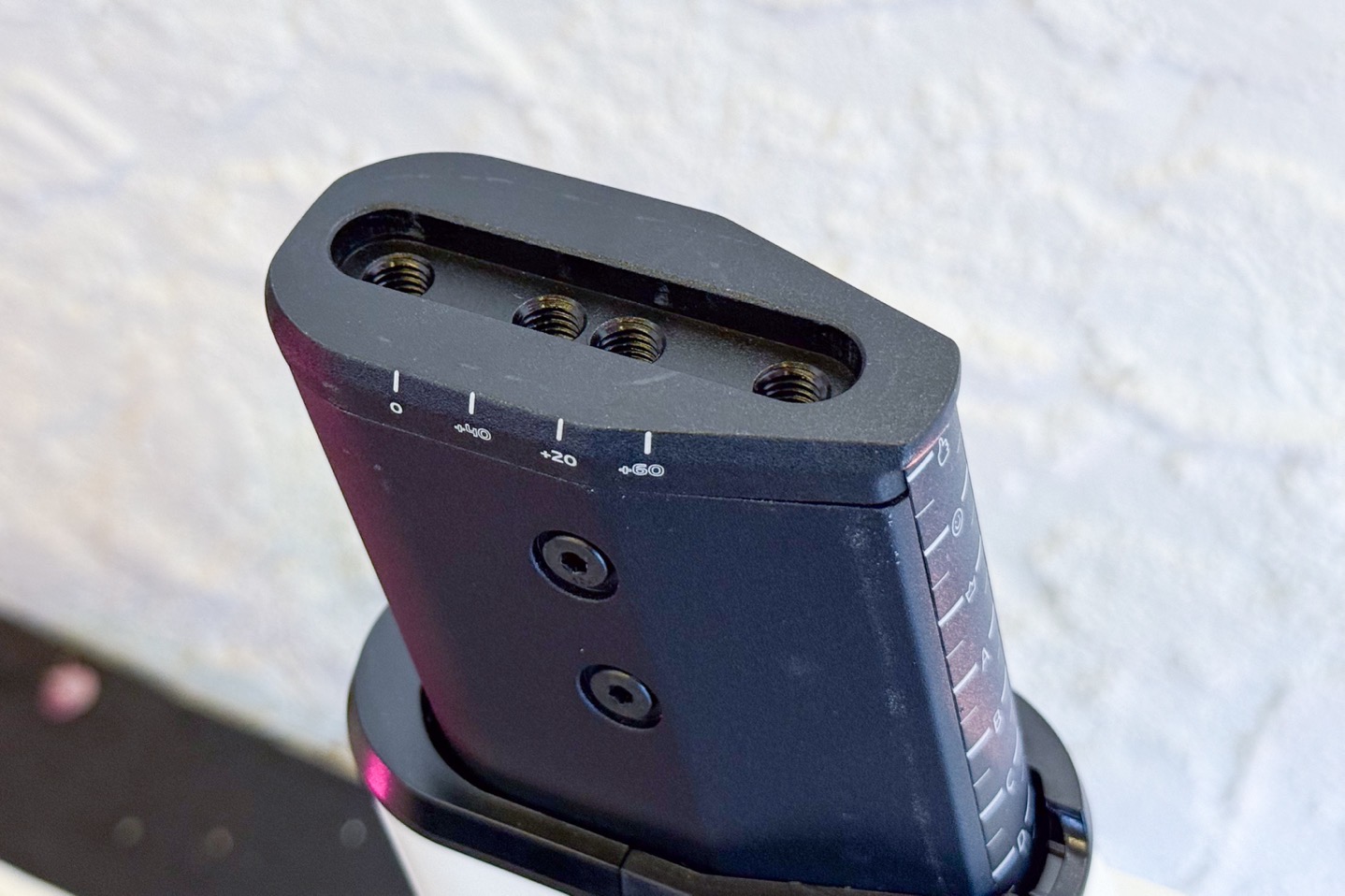
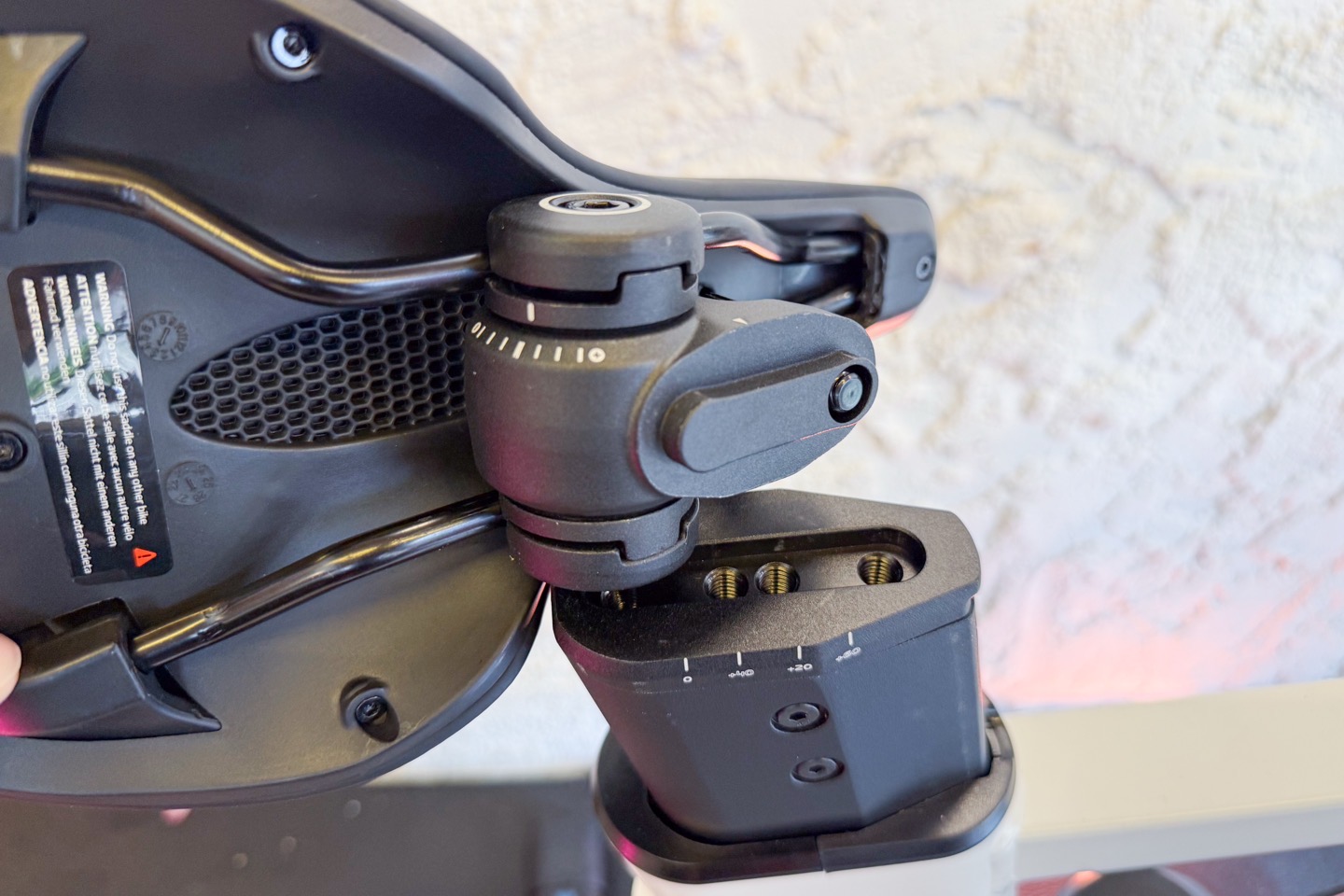
This new modular approach utilizes a four-position adjustable bolt system located just beneath the saddle rails. Users can alter the lower saddle position across four distinct settings, allowing for rapid height and setback modifications without requiring complex tools or losing the standard saddle-rail adjustment parameters for tilt and horizontal position. For two of the specific bolt slots, the saddle topper must be reversed to ensure optimal comfort, though this constitutes a one-time configuration step for that specific saddle.
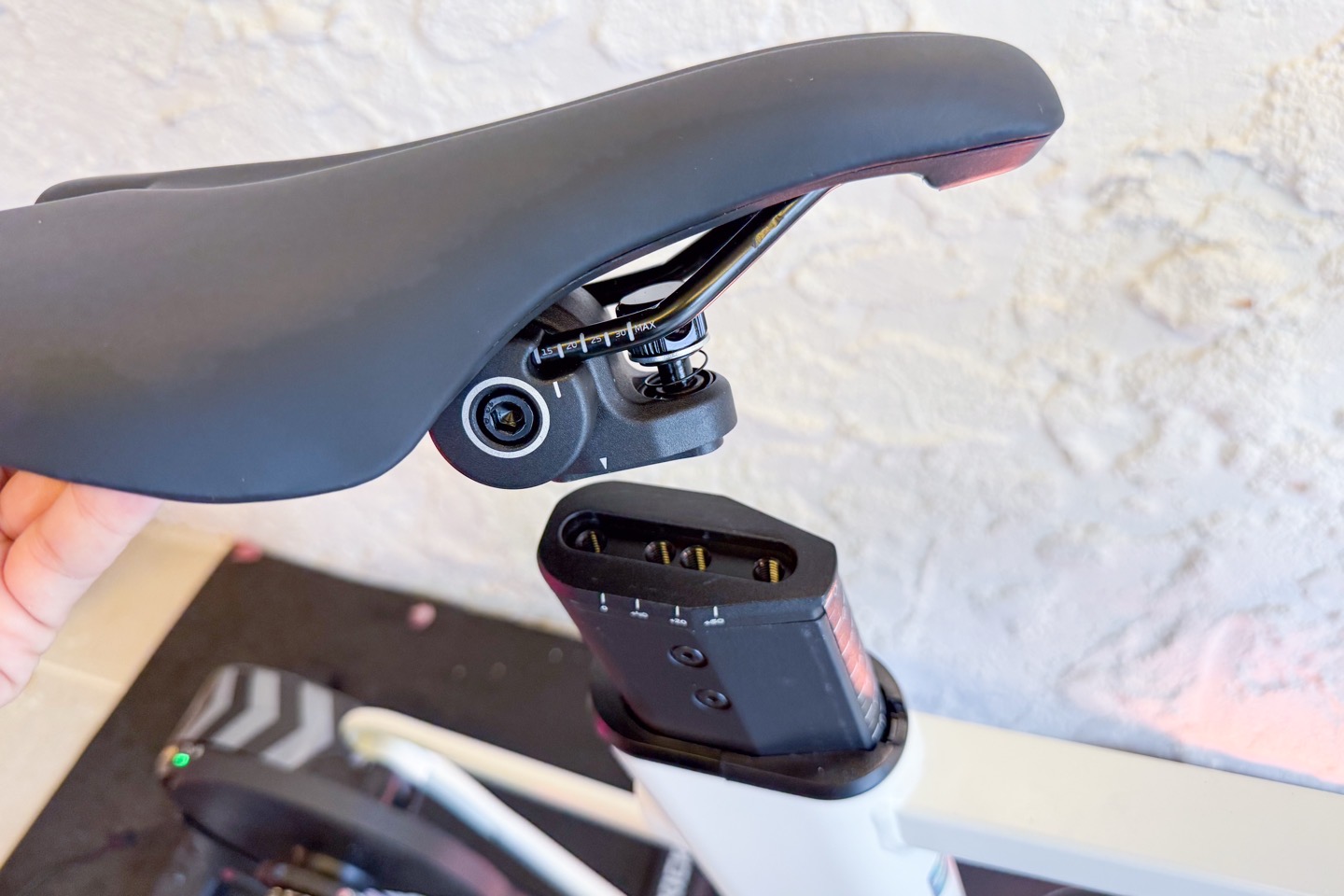
By standardizing the lower portion of the seatpost with the previous generation, Zwift has ensured backward compatibility. Existing V1 owners are not required to purchase an entirely new bike to benefit from these improvements; instead, modular upgrade kits are being made available directly to the consumer market.
Comprehensive Upgrade Pricing and Ecosystem Support
To support the installed base of Zwift Ride V1 owners, Zwift has introduced a tiered catalog of aftermarket accessories and upgrade bundles, allowing current users to modernize their existing hardware without facing the expense of a full replacement.
The available upgrade components and official pricing tiers include:
- Adjustable Bear-Claw Crankset: Available as a standalone purchase for $99, allowing users to select custom crank lengths using the multi-position pedal mounting system originally introduced in early 2025.
- Full Seatpost Swap Package: Priced at $74.99 USD (£65.99 / €74.99), this kit allows V1 owners to fully upgrade to the new multi-position, quick-swap seatpost architecture.
- Seatpost Topper Accessory: Offered at $49.99 USD (£45.99 / €49.99), designed specifically to facilitate multi-rider households by enabling rapid sharing of distinct saddles on a single frame.
This commitment to modular upgradeability underscores a broader industry shift toward longevity and consumer-friendly hardware lifecycles. Rather than rendering previous generations obsolete through forced obsolescence, manufacturers are increasingly recognizing the value of interchangeable ecosystems.
Industry Context and the Evolution of Smart Indoor Frames
The introduction of the Zwift Ride V2 arrives during a period of intense competition and innovation within the indoor cycling hardware sector. For years, dedicated smart bikes required capital investments ranging from $2,000 to $5,000, creating a significant barrier to entry for casual cyclists and budget-conscious enthusiasts.
The advent of dedicated indoor frames designed to mount onto existing direct-drive smart trainers—pioneered by products like the original Zwift Ride and followed by competitors such as the JetBlack Victory frame and the Elite Square—has fundamentally disrupted this economic model. By allowing consumers to leverage their existing smart trainers while offering the dedicated geometry, integrated shifting, and clean aesthetics of a stationary bike, these ecosystems have democratized access to advanced indoor training.
Industry analysts note that frame-based ecosystems provide a distinct advantage for both manufacturers and end-users. Consumers benefit from lower initial acquisition costs and modular upgrade paths, while manufacturers can iterate on physical ergonomics and software integrations without requiring complete redesigns of the underlying resistance units.
Market Implications and Broader Reception
The decision by Zwift to prioritize ergonomic refinement over sweeping electronic overhauls reflects a mature understanding of consumer pain points. While software updates continually enhance the virtual world of Watopia, physical comfort remains the single most critical factor for long-term user retention in indoor cycling.
By successfully accommodating shorter riders down to 4 feet 10 inches and streamlining the process for multi-user households, Zwift has mitigated the primary consumer criticisms leveled against the V1 release. Furthermore, the decision to offer these enhancements as modular accessories for existing owners reinforces brand loyalty and establishes a sustainable precedent for future hardware revisions. As competition intensifies with rival manufacturers launching alternative frame systems throughout the autumn season, the Zwift Ride V2 reinforces the platform’s position as a dominant, user-centric force in the modern indoor cycling market.