The enforcement follows a growing wave of public outcry regarding the misuse of wearable technology. Beyond the sphere of pickup artists, the platform has seen a surge in content featuring "pranks" aimed at service industry workers, including cashiers and fast-food employees, who are filmed in their workplaces for viral engagement. Instagram head Adam Mosseri recently addressed these concerns during an Instagram Story, asserting that the company is "trying to fight that every way we can." However, critics argue that the removal of a few high-profile accounts is a reactive measure rather than a proactive solution to a systemic privacy flaw inherent in the hardware’s design.
The Rise of Non-Consensual "POV" Content
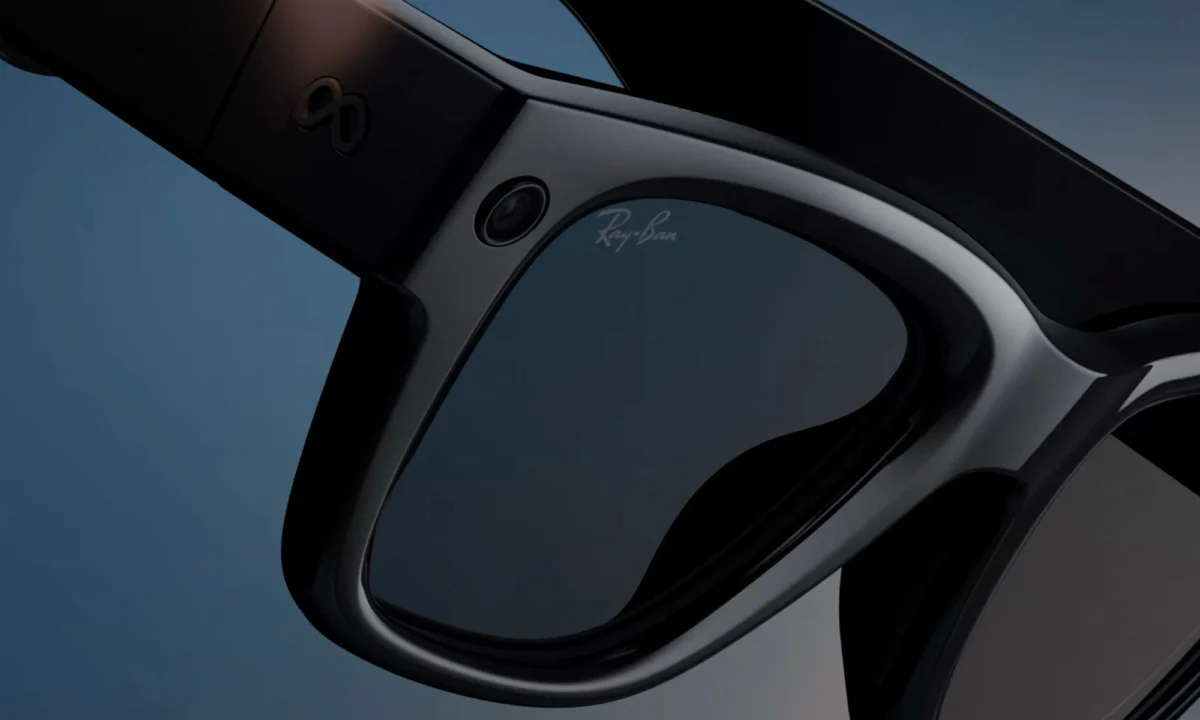
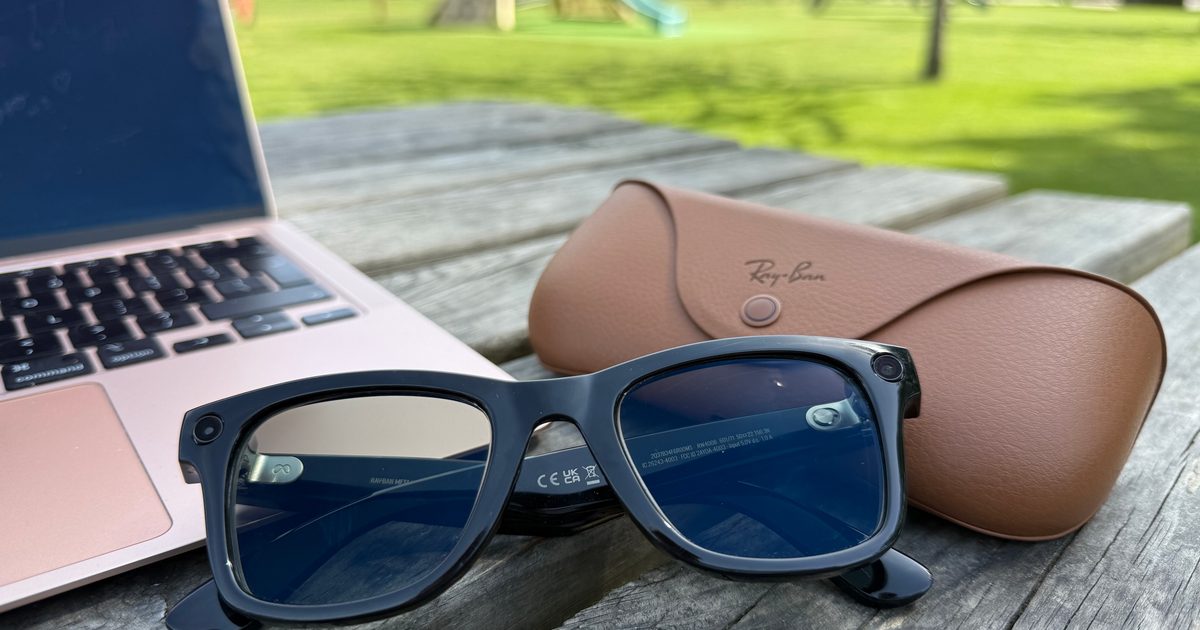
The specific accounts targeted in this initial wave of bans belonged to individuals within the "manosphere" or "pickup artist" (PUA) community. These creators utilized the Ray-Ban Meta glasses to provide a first-person perspective (POV) of their approaches to women in parks, malls, and on city streets. Because the glasses appear nearly identical to standard Ray-Ban Wayfarer or Headliner frames, victims were often unaware they were being recorded for a global audience. The resulting videos frequently subjected the women to derogatory comments in the captions or the comments section, further exacerbating the harassment.
Meta’s spokesperson confirmed that these removals were direct violations of the platform’s updated harassment and bullying policies. While the company has long prohibited the recording and sharing of non-consensual intimate imagery, the application of these rules to public "POV" recording marks a new frontier in digital ethics. The challenge for Instagram lies in the scale of the problem; for every million-follower account deleted, dozens of smaller creators continue to post similar content, creating a "whack-a-mole" scenario for moderators.
A Chronology of Privacy Concerns and Hardware Iterations
The privacy debate surrounding smart glasses is not a new phenomenon. To understand the current crisis, one must look back at the trajectory of wearable cameras:
- 2013: Google Glass and the "Glasshole" Era: When Google released its Explorer Edition, the device featured a prominent prism and a bulky frame that made it obvious the wearer was using technology. Despite this, "Glassholes" were banned from bars and theaters due to privacy fears.
- 2016-2021: Snap Spectacles: Snap Inc. released several versions of camera-equipped glasses. These featured distinct yellow rings around the lenses that pulsed when recording, making the act of filming highly visible.
- 2021: Ray-Ban Stories: Meta’s first foray into the market, developed with EssilorLuxottica, focused on style. The recording LED was small and often criticized for being too dim.
- 2023-2024: Ray-Ban Meta Smart Glasses: The current generation introduced significantly better cameras (12MP) and AI integration. While the recording LED was made slightly more prominent, the glasses remain the most "incognito" wearable camera on the market.
In late 2024, Meta introduced a software update designed to mitigate tampering. If a user attempts to cover the recording LED with tape or paint, the glasses’ sensors detect the lack of light and disable the camera functionality entirely. While this prevents intentional obfuscation, it does nothing to address the fundamental issue: in a bright outdoor environment or a crowded room, a single small LED is easily overlooked by those not specifically trained to look for it.

The Technical and Legal Gap in Public Recording
The legal landscape regarding the use of Ray-Ban Meta glasses is complex and varies significantly by jurisdiction. In the United States, the concept of a "reasonable expectation of privacy" generally does not apply to public spaces. This means that, legally, filming someone in a public park is often permitted. However, social media platforms like Instagram operate under "Community Standards" that are stricter than federal or state laws.
In the European Union, the General Data Protection Regulation (GDPR) poses a much higher hurdle for Meta. GDPR requires that personal data (including a person’s likeness) be processed transparently. Several European privacy watchdogs have expressed concern that the Ray-Ban Meta glasses do not provide sufficient notice to the "data subjects" (the people being filmed). Meta’s current response—relying on a tiny light—may not satisfy the "transparency by design" requirements mandated by EU law.
Furthermore, the "damage control" nature of the recent bans highlights a lack of a clear, publicly accessible rulebook. Instagram has not released a specific set of guidelines detailing what constitutes "harassment via wearable." This ambiguity leaves both creators and the public in a state of uncertainty. Is a travel vlogger filming a busy street market a "creep"? Is a person filming a confrontation with a "Karen" a harasser? Without clear definitions, the enforcement feels arbitrary and driven by PR necessity rather than a commitment to user safety.

Competitive Responses: Apple’s "Brighter" Future
As Meta struggles with the social fallout of its hardware, its primary competitor, Apple, is reportedly taking a different architectural approach. Internal reports suggest that Apple’s long-rumored smart glasses project (distinct from the Vision Pro headset) will prioritize "conspicuous recording."
Industry analysts suggest Apple may implement a high-intensity light ring or a mechanical shutter that makes it physically impossible to record without a clear, unmistakable visual signal to everyone in the vicinity. By building privacy into the "industrial design" rather than just the "software layer," Apple aims to avoid the "creepy" reputation that has haunted Meta’s wearable division. This contrast highlights a fundamental difference in philosophy: Meta prioritizes the user’s ability to capture "authentic" moments, while competitors may prioritize the bystander’s right to know they are being captured.
Implications for the Future of Wearable AI
The controversy arrives at a precarious time for Meta, as the company is aggressively pivoting the Ray-Ban Meta glasses toward "Multimodal AI." The glasses are no longer just cameras; they are sensors that "see" what the wearer sees to provide AI-driven assistance. This transition increases the frequency with which the camera is active. If a user is using AI to translate a menu or identify a plant, the camera is engaged. To a bystander, there is no way to distinguish between someone using an AI assistant and someone recording them for a prank video.
The psychological impact of this ambiguity is the erosion of "public anonymity." Traditionally, walking through a city provided a sense of being "unseen" in the crowd. The proliferation of smart glasses—and the subsequent rise of "creep" content on Instagram—threatens to turn every public interaction into a potential performance for a digital audience.
Conclusion and Fact-Based Analysis
The deactivation of the two pickup-artist accounts is a symbolic victory for privacy advocates, but it is a drop in the ocean of content generated by the millions of Ray-Ban Meta units sold. Meta’s reliance on post-facto content moderation—deleting videos after they have already been viewed millions of times and caused harm—is an inherently flawed strategy.
For the crackdown to be more than "damage control," Meta must address three key areas:
- Hardware Transparency: Future iterations must feature recording indicators that are visible in all lighting conditions and from multiple angles.
- Policy Transparency: Instagram needs to codify and publish specific rules regarding "non-consensual third-party recording" that apply to all users, not just high-profile offenders.
- Proactive Moderation: Utilizing AI to flag videos that appear to be filmed via smart glasses and involve high-stress interactions with strangers before they reach viral status.
Until these steps are taken, the Ray-Ban Meta glasses will continue to occupy a controversial space in the tech ecosystem. While they offer undeniable utility for creators and tech enthusiasts, their potential for abuse remains a significant liability for Meta’s brand and a persistent threat to public privacy. The removal of "creeps" from Instagram is a start, but the technology that enables them remains firmly on the bridge of the nose.