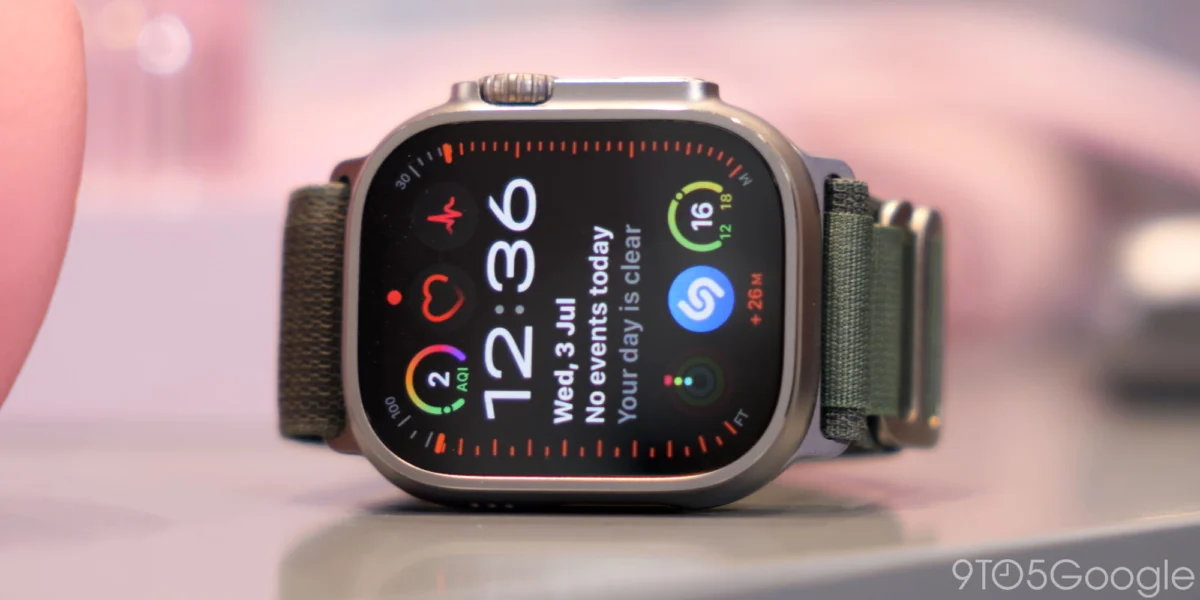
The European Commission has officially revised its stringent battery regulations to grant specific exemptions for small-scale wearable devices, including the Apple Watch and Meta’s smart glasses, effectively shielding these products from requirements that would have forced a total redesign of their internal architectures. This legislative pivot follows a period of intense diplomatic pressure from United States officials and significant pushback from tech industry leaders who argued that the mandate for user-replaceable batteries was technically unfeasible for compact, water-resistant hardware. By adopting this delegated act, the European Commission acknowledges the unique engineering constraints of the wearables market, where the integrity of the device often depends on a sealed, adhesive-heavy enclosure that prevents user entry.
The Genesis of the EU Batteries Regulation
To understand the significance of this exemption, one must look at the broader legislative framework established by the European Union. In 2023, the EU enacted Regulation (EU) 2023/1542, a comprehensive set of rules designed to modernize the battery life cycle within the European market. The regulation was a cornerstone of the European Green Deal and the Circular Economy Action Plan, aiming to reduce electronic waste and empower consumers with the "Right to Repair."
Under the original text of the regulation, all portable batteries integrated into electronic appliances were required to be "removable and replaceable by the end-user" at any time during the product’s lifetime. The law defined a removable battery as one that could be taken out using "commercially available tools" and without causing damage to the device’s structural integrity. While this was lauded by environmental advocacy groups as a victory against planned obsolescence, it posed an existential threat to the design language of modern wearables. For companies like Apple, Samsung, and Meta, the requirement threatened to undo years of progress in miniaturization and environmental sealing.
Defining the Scope of the New Exemption
The European Commission’s recently adopted delegated act introduces a critical nuance to these rules. The exemption specifically targets "portable batteries incorporated in wearable devices" that meet certain criteria related to safety, hygiene, and technical functionality. According to the Commission’s documentation, the relaxation of the rules applies to devices where the user’s ability to access the battery would compromise the product’s essential features.
Key categories covered under this exemption include:

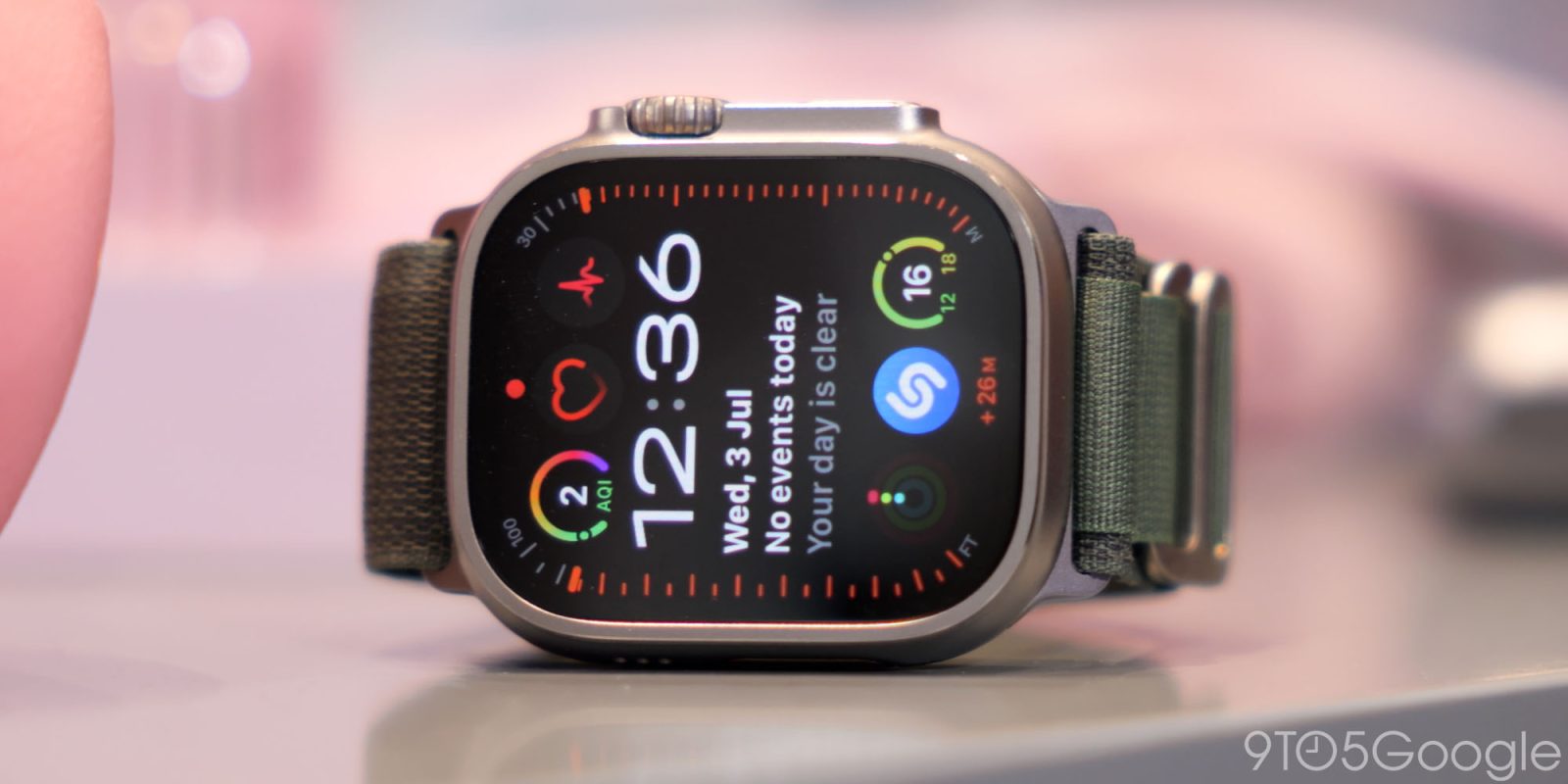
- Smartwatches and Fitness Trackers: Devices like the Apple Watch Ultra or Garmin’s high-end sports watches, which rely on sophisticated seals to maintain water resistance for diving and swimming.
- Smart Glasses: Products such as the Ray-Ban Meta glasses, which utilize extremely narrow frames where the battery is often a structural or highly integrated component.
- Medical Wearables: Devices that must maintain a sterile or hermetically sealed environment to function correctly and safely.
The Commission noted that for these specific products, the risk of a consumer puncturing a lithium-ion battery or damaging delicate internal sensors during a replacement attempt outweighed the environmental benefits of user-replaceability. Furthermore, the specialized adhesives used to achieve IP68 water and dust resistance ratings are often impossible for an average consumer to reapply correctly, leading to a high probability of device failure post-repair.
A Timeline of Regulatory Tension and Diplomatic Intervention
The path to this exemption was marked by significant friction between Brussels and Washington. In early 2026, as the implementation deadlines for the Batteries Regulation approached, the U.S. Ambassador to the EU reportedly raised concerns that the rules acted as a non-tariff trade barrier. These concerns were amplified when Meta reportedly delayed or reconsidered the European rollout of its latest smart glasses, citing the impossibility of complying with the battery replacement mandate without doubling the size of the device’s frames.
Chronology of the Legislative Shift:
- June 2023: The EU Parliament and Council formally adopt the Batteries Regulation, setting a general deadline for 2027 for most portable electronics to feature replaceable batteries.
- Late 2025 – Early 2026: Industry stakeholders, including DigitalEurope and the Consumer Technology Association (CTA), submit technical dossiers arguing that wearables cannot meet the standard without losing water-resistance certifications.
- March 2026: Reports emerge that U.S. diplomatic channels are pressuring the European Commission to provide "technical clarifications" or exemptions to avoid a trade dispute.
- June 2026: The European Commission concludes a public consultation phase involving consumer associations and industry experts.
- July 2026: The Commission adopts the delegated act, officially proposing the exemption for small-scale wearables.
Despite the timing, a Commission spokesperson emphasized that the decision was based on "technical limits" and "safety risks" rather than political appeasement. The spokesperson stated that the proposal ensures "safer consumer and industrial products in cases where opening a device could create safety risks or where technical limits make consumer access unrealistic."
Technical Hurdles: Why Wearables Are Different
From an engineering perspective, the Apple Watch and similar devices present a much more complex challenge than smartphones or laptops. In a smartphone, there is relatively more internal volume to accommodate a pull-tab adhesive or a screw-down battery bracket. In a smartwatch, every cubic millimeter is accounted for.
The use of "pouch" cell batteries in wearables allows manufacturers to mold the battery into unconventional shapes to fit around sensors and haptic engines. These batteries are often glued directly to the chassis or the underside of the display to save space. Requiring a user-replaceable mechanism would necessitate:
- Increased Volume: Adding a door or a latch mechanism would significantly increase the thickness and weight of the watch.
- Seal Vulnerability: Every opening in the chassis is a potential point of entry for water and dust. Maintaining a 50-meter or 100-meter water resistance rating requires factory-precision sealing that cannot be replicated on a kitchen table.
- Thermal Management: In compact devices, the battery often uses the device’s metal casing as a heat sink. Introducing a user-accessible compartment could disrupt the thermal pathway, leading to overheating issues.
By granting the exemption, the EU is allowing manufacturers to prioritize these functional and safety aspects over the strict interpretation of user-repairability.
Reactions from Industry and Consumer Advocates
The reaction to the Commission’s move has been polarized. Industry groups have welcomed the decision as a "pragmatic victory for innovation." Representatives from the tech sector argued that forcing a redesign would have led to inferior products that consumers would ultimately reject.
"We applaud the Commission for recognizing the physical realities of modern engineering," a statement from a leading tech trade association noted. "Wearables are personal, durable goods that require high levels of protection from the elements. This exemption ensures that European consumers will continue to have access to the most advanced health and connectivity tools without compromising on quality or safety."
Conversely, some "Right to Repair" advocates and environmental NGOs have expressed disappointment. Organizations like the European Environmental Bureau (EEB) argue that exemptions create loopholes that manufacturers will exploit to avoid making their devices more sustainable. They contend that while a consumer might not be able to replace a battery, the regulation should have at least mandated that independent professional repairers be able to do so easily, rather than allowing for a total exemption from the replaceability standards.
Scrutiny and Final Implementation
While the European Commission has adopted the exemption, the legislative process is not yet entirely complete. The delegated act has been transmitted to the European Parliament and the Council of the EU for a period of scrutiny. These bodies have the power to object to the act if they believe the Commission has exceeded its mandate or ignored the core intent of the original regulation.
If no objections are raised within the scrutiny period—typically two months, though it can be extended—the act will be published in the Official Journal of the European Union. It will then enter into force 20 days after publication. Given the technical consensus and the high-level diplomatic stakes involved, most analysts expect the exemption to pass through the final stages of review without significant hurdles.

Long-term Implications for the Tech Market
The decision to exempt the Apple Watch and other wearables sets a significant precedent for how the EU balances environmental goals with technological reality. It suggests that the "Right to Repair" movement, while powerful, will encounter limits when it meets the physical constraints of miniaturization.
For Apple, this is a major regulatory relief. The company has invested heavily in the "Ultra" line of watches, marketed toward divers and endurance athletes. A requirement to make those batteries user-replaceable would have effectively ended the product line’s current value proposition. Furthermore, it allows Apple to maintain a unified global supply chain for the Apple Watch, rather than having to produce a specific "EU-compliant" model with a different chassis design.
However, the exemption is not a total "get out of jail free" card. Manufacturers are still subject to other aspects of the Batteries Regulation, including strict requirements for carbon footprint labeling, recycled content in new batteries, and high targets for the collection and recycling of end-of-life devices. Even if the user cannot replace the battery, the manufacturer is still responsible for ensuring the battery can be recovered and recycled efficiently at a professional recycling facility.
In the broader context of the EU’s digital sovereignty and environmental leadership, this move reflects a maturing regulatory approach. It acknowledges that while a circular economy is the ultimate goal, the path toward it must be paved with technical feasibility and consumer safety in mind. As wearables continue to evolve into more sophisticated health and augmented reality tools, the balance between a sealed, high-performance design and the demand for repairability will remain a central theme in global tech regulation.