










The ongoing evolution of ultralight backpacking equipment has continually pushed the boundaries of material science, transforming high-strength industrial fabrics into wearable outdoor gear. Among the most recent innovations to enter the mainstream consumer market are rain mitts constructed from Dyneema Composite Fabric (DCF) and Dyneema Hybrid Fabric. Revered in the industrial and maritime sectors for possessing a strength-to-weight ratio superior to steel, Dyneema has traditionally been reserved for high-stress applications such as ultralight backpacking shelters, mountaineering packs, and heavy-duty tarps.
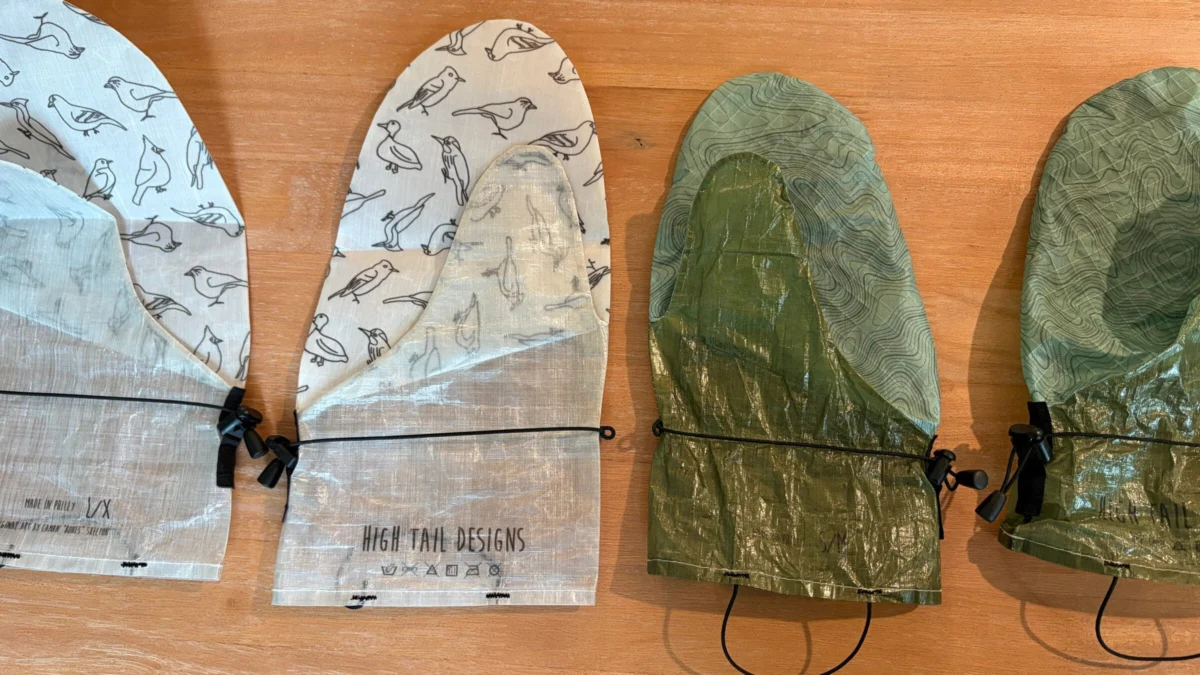
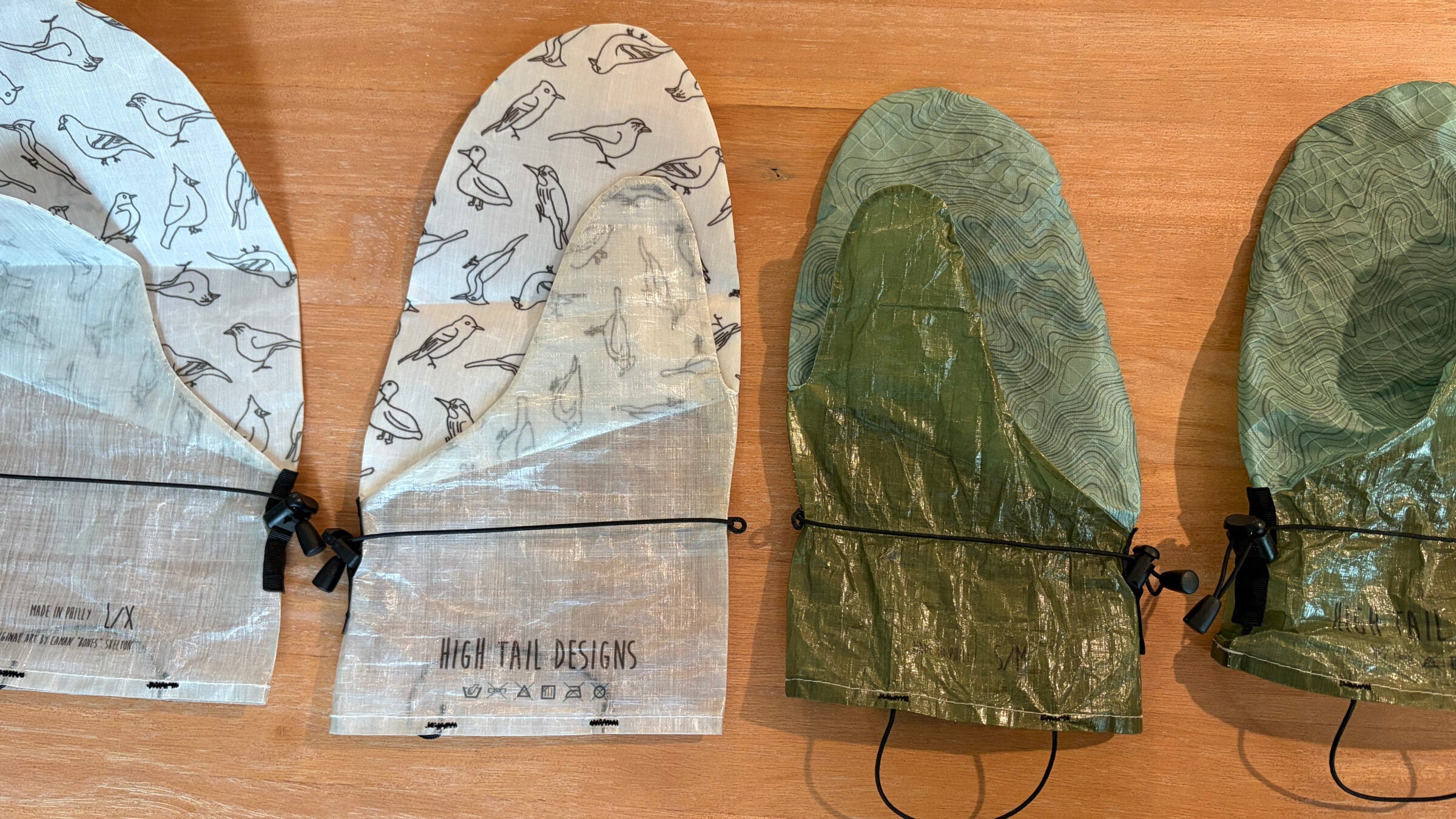
However, the introduction of colorful, artist-collaboration rain mitts by cottage gear manufacturer High Tail Designs has sparked a broader debate across the outdoor community. Retailing for $105 and weighing roughly an ounce per pair, these vibrant overmitts challenge traditional notions of weather protection gear. While rain mitts themselves serve a vital, niche function in cold, wet conditions, industry analysts, gear reviewers, and consumers are increasingly questioning whether utilizing premium materials like Dyneema for small accessories represents a genuine functional leap forward or an unnecessary expenditure for hikers.
Main Facts and Product Specifications
Rain mitts occupy a specific operational window within a backpacker’s layering system. They are generally unneeded during warm summer rain showers, where exposed skin dries quickly, and they are insufficient as standalone handwear in sub-freezing alpine environments where heavy insulated gloves are mandatory. Instead, rain mitts excel in shoulder-season conditions—typically when ambient temperatures hover between 40 and 50 Fahrenheit amid steady, persistent rain. In such scenarios, hands can rapidly lose heat, leading to discomfort or dexterity loss, even if the rest of the body remains relatively warm.
High Tail Designs entered this market with a product engineered from non-woven DCF paired with a more abrasion-resistant Dyneema Hybrid fabric on the palm. Unlike traditional waterproof-breathable membranes such as Gore-Tex or treated nylon shells, Dyneema does not absorb moisture. Consequently, the material dries instantaneously upon exposure to air and maintains its physical dimensions without stretching, sagging, or holding water weight during prolonged downpours.
Despite these advantages, DCF is entirely non-breathable. While a DCF rain jacket or shell allows internal body moisture to condense and build up rapidly, testing indicates that for handwear—which generates less localized airflow and moisture than the human core—this vapor-barrier effect is often negligible during moderate exertion in cool weather. Furthermore, the mitts feature fully taped seams, large pull loops for ease of donning with cold fingers, and a cinchable shock-cord wrist closure designed to accommodate standalone use or over thin liner gloves.
Chronology and Evolution of Ultralight Handwear
The adoption of minimalist waterproof overmitts has evolved steadily over the past two decades, driven primarily through the ultralight backpacking community and long-distance thru-hikers tackling notoriously wet routes such as the Pacific Crest Trail, the Appalachian Trail, and the West Coast Trail on Vancouver Island.
Historically, backpackers improvised hand protection using simple kitchen plastic bags, waterproof barrier gloves, or standard polyurethane-coated nylon shells. As cottage industries expanded in the 2010s, brands began producing specialized ultralight rain mitts weighing under two ounces to bridge the gap between heavy mountaineering gloves and bare skin.
The introduction of High Tail Designs’ Dyneema rain mitts represents the latest milestone in this timeline, shifting the focus from utilitarian functionality to aesthetic customization. Historically, Dyneema Composite Fabric has been notoriously difficult to dye, resulting in a marketplace dominated by semi-translucent white, gray, or solid black variants. By introducing vibrant, multi-colored prints and collaborating with independent artists, the brand successfully bypassed traditional aesthetic limitations, bringing unprecedented visual personalization to a material previously defined by its stark, utilitarian appearance.
Comparative Market Analysis and Pricing
To evaluate the true value proposition of Dyneema rain mitts, gear experts frequently compare them against established alternatives in the ultralight sector.
The Outdoor Research Helium UL Rain Mitt, constructed from Pertex Shield nylon, represents a traditional approach to waterproof handwear. Priced at approximately $55, the Helium UL weighs 68 grams per pair—roughly double the weight of the High Tail Designs model. Similarly, the Black Diamond UL Overmitts offer a minimalist design weighing approximately 23 grams for a small size, retailing for around $70. Other cottage alternatives, such as those from Etowah Outfitters available via specialty retailers like Garage Grown Gear, offer competitive weight and performance metrics at a fraction of the cost of Dyneema-based options.
| Brand and Model | Primary Material | Weight (Per Pair) | Breathability | Retail Price |
|---|---|---|---|---|
| High Tail Designs Ultralight Rain Mitt | Dyneema Composite / Hybrid | ~30 grams (1 oz) | None (Vapor Barrier) | $105 |
| Black Diamond UL Overmitts | Waterproof-Breathable Nylon | ~23 grams | Low to Moderate | $70 |
| Outdoor Research Helium UL Rain Mitt | Pertex Shield Nylon | ~68 grams | Moderate | $55 |
The economic disparity is stark. While the High Tail Designs mitts save a fraction of an ounce compared to competitors like Black Diamond and weigh less than half of the Outdoor Research model, they command a price tag that is nearly double or even double-and-a-half that of traditional nylon equivalents.
Durability, Performance, and Material Limitations
From a technical standpoint, the integration of Dyneema into rain mitts presents a paradox regarding durability and utility. Dyneema Composite Fabric is globally recognized for its exceptional tear resistance, making it an ideal choice for high-stress structural components like tent flys and backpack frames. However, when applied to a low-stress accessory such as an overmitt, the tensile strength benefits are largely minimized.
Furthermore, while DCF resists tearing better than traditional nylon fabrics of equivalent weight, it remains susceptible to localized abrasion and pinhole punctures when subjected to abrasive surfaces such as granite rock, rough tree bark, or trekking pole grips. Over extended long-distance expeditions, the long-term longevity of ultra-thin DCF overmitts compared to densely woven, treated nylon remains a subject of ongoing debate among gear testers.
Because handwear frequently interacts with abrasive trekking pole handles and rugged terrain, the high cost of replacement becomes a significant consideration for budget-conscious backpackers. While initial field testing confirms that the mitts successfully repel external water and maintain windproof thermal protection in sustained downpours, critics argue that these performance metrics are easily matched by materials costing significantly less.
Broader Industry Impact and Consumer Implications
The debate surrounding Dyneema rain mitts encapsulates a broader philosophical schism within the modern outdoor recreation industry: the intersection of extreme technical performance, minimalist weight reduction, and lifestyle aesthetics.
On one hand, supporters of high-end cottage gear argue that consumer spending power should support independent artists, creative fabrication techniques, and domestic manufacturing. High Tail Designs has positioned its products around self-expression, offering numerous distinct visual patterns that allow hikers to personalize their on-trail appearance in environments where standard gear is often drab and uniform. For a dedicated segment of the backpacking community, the aesthetic value and novelty of colorful Dyneema justify the financial premium.
On the other hand, pragmatic analysts and seasoned mountaineers view such products through a strictly utilitarian lens. From this perspective, spending $105 on rain mitts offers diminishing returns on investment. The marginal weight savings of a few grams—or fractions of an ounce—do not fundamentally alter a backpacker’s endurance or comfort level on the trail in a manner proportionate to the cost increase.
Ultimately, rain mitts as a overarching category have solidified their reputation as an essential piece of cold-weather insurance for lightweight backpackers, capable of extending the comfort range of standard liner gloves during wet shoulder seasons. Whether consumers choose to invest in high-end, artist-driven Dyneema variants or opt for durable, cost-effective nylon alternatives will depend largely on individual budget constraints, stylistic preferences, and the value placed on wearable trail art versus purely functional gear.