











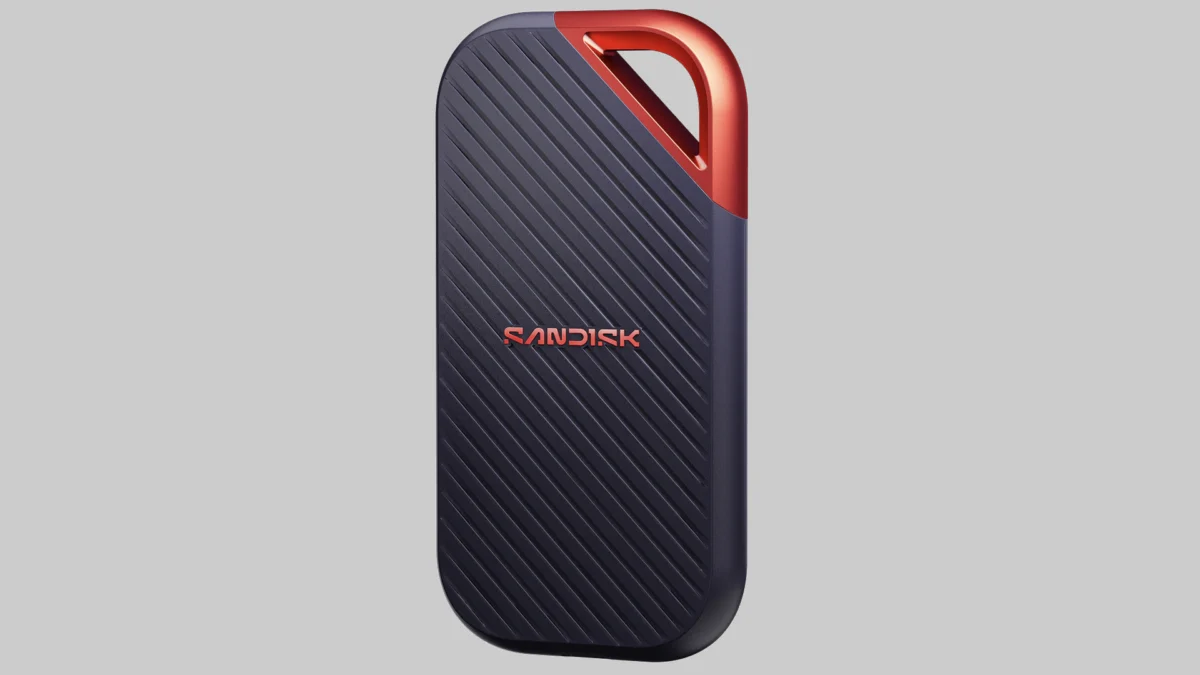
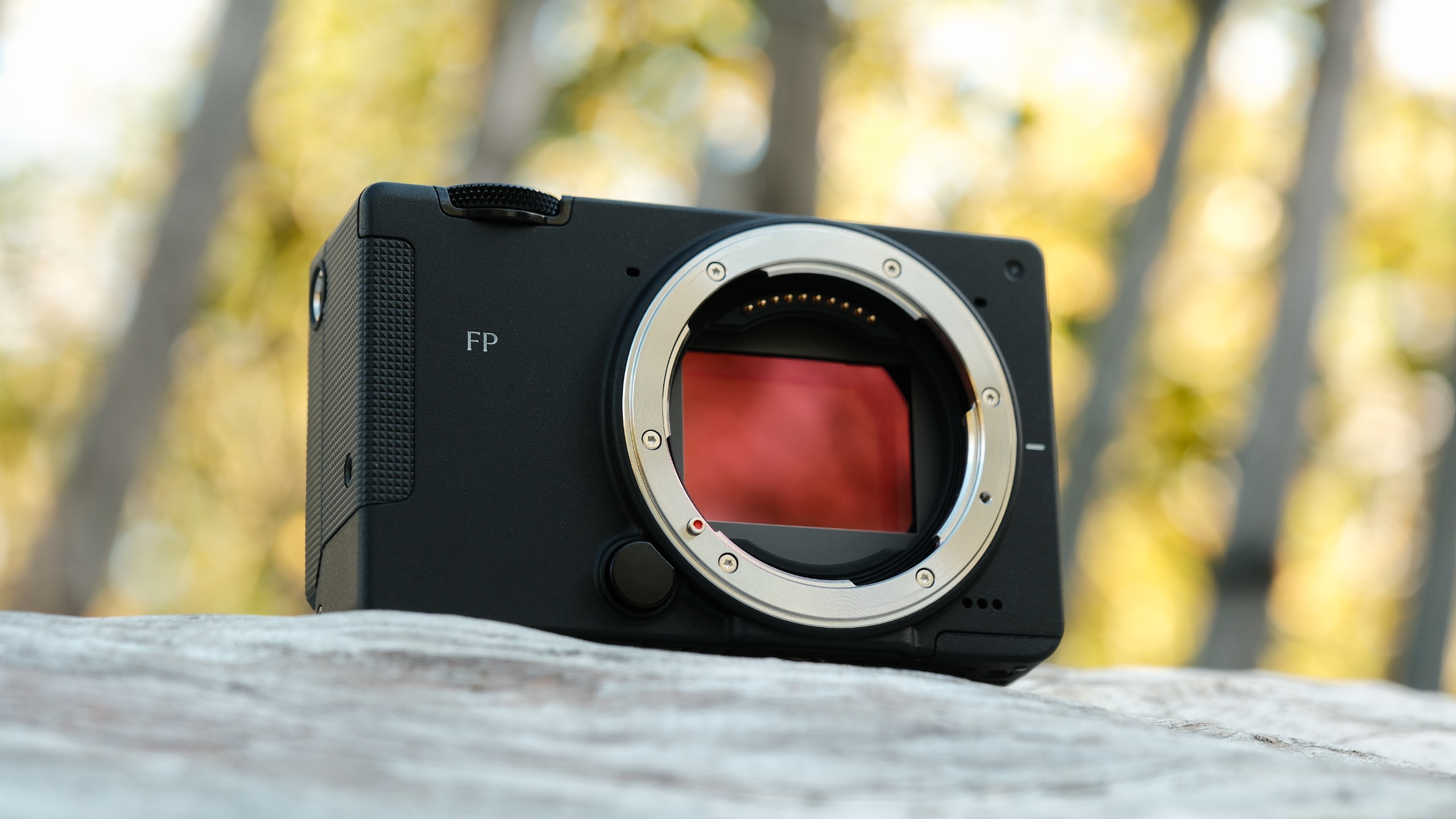
The announcement and subsequent release of the Sigma FP2 have generated considerable enthusiasm within the professional cinematography and photography communities. Known for its remarkably compact, box-style form factor that defies the traditional bulk associated with full-frame cinema cameras, the Sigma FP2 has quickly established itself as a versatile tool for independent filmmakers and hybrid shooters alike. Among its most celebrated technical specifications is its robust capability to capture open-gate 6K video in uncompromised 12-bit Apple ProRes RAW and ProRes RAW HQ formats. However, this high-end cinema capability introduces a significant hardware workflow challenge: managing the immense data throughput generated by these codecs. Because standard internal memory buffers and high-speed UHS-II SD cards fall drastically short of the required write speeds, users
must rely on external solid-state drives (SSDs) connected directly to the camera’s USB-C port. Addressing this logistical hurdle, Sigma has officially published a carefully curated list of approved external SSDs designed to ensure reliable, drop-frame-free data capture during intensive recording sessions.
Understanding the Evolution of the Sigma FP Series and Open-Gate Workflow Demands
To fully appreciate the workflow requirements of the Sigma FP2, one must look at the evolutionary trajectory of Sigma’s mirrorless camera lineup. The original Sigma FP, introduced several years prior, pioneered the concept of an ultra-minimalist, modular full-frame body that prioritized raw video output over conventional ergonomic comforts. It relied heavily on external recording devices, such as Atomos or Blackmagic Design monitors, via HDMI to unlock its highest-quality video formats.
With the development of the Sigma FP2, the manufacturer sought to streamline this setup by allowing direct-to-drive recording over USB-C, effectively minimizing rig weight and reducing the number of failure points on a professional film set. Open-gate recording—which utilizes the full physical area of the camera’s full-frame sensor rather than cropping to a standard 16:9 aspect ratio—provides filmmakers with extraordinary flexibility in post-production for reframing, vertical content adaptation, and digital stabilization. Nevertheless, recording a 6K open-gate image stream at 12 bits per pixel creates an astronomical volume of data that pushes modern portable storage technology to its absolute limits.
Decoding Sigma’s Approved SSD List: Hardware Specifications and Real-World Performance
To safeguard users against corrupted files and dropped frames during critical takes, Sigma rigorously tested and certified a select group of external drives. The official roster currently comprises six high-performance portable SSDs, predominantly featuring advanced interfaces such as USB 3.2 Gen 2×2 (20 Gbps) and USB4 (up to 40 Gbps).
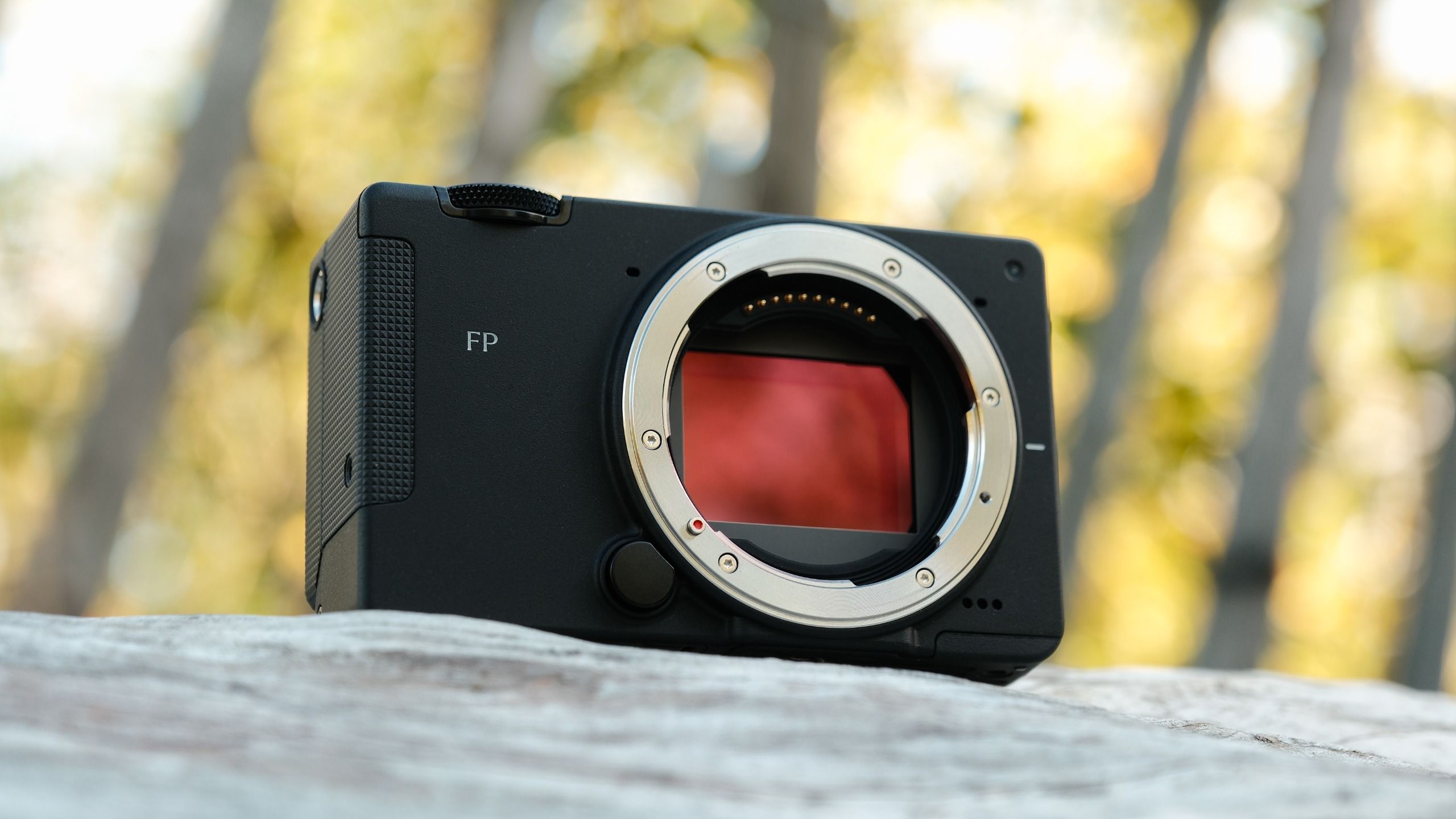
Among the standout entries on Sigma’s approved list is the SanDisk Extreme Pro Portable SSD (V3), a USB4-compliant storage solution boasting manufacturer-claimed maximum write speeds of up to 3,800 MB/s. The remaining drives on the roster similarly operate at speeds well beyond traditional USB standards, with even the baseline approved models delivering sustained write speeds of approximately 1,800 MB/s.
These specifications far exceed the theoretical transfer capabilities of standard consumer storage media. For context, the fastest commercially available UHS-II SD cards traditionally cap out around 300 MB/s in actual write performance, rendering them entirely incapable of sustaining the continuous data streams demanded by ProRes RAW HQ. Furthermore, while the Sigma FP2 is equipped with approximately 70GB of internal storage, this built-in capacity is intended primarily for stills photography, proxy recording, or short, highly compressed video bursts rather than sustained professional cinema workflows.
Technical Analysis: The USB-C Bottleneck Paradox
Despite Sigma’s stringent certification process, independent storage analysts and technical reviewers have raised compelling questions regarding whether users genuinely need to invest in the most expensive, ultra-high-speed drives on the approved list. A closer examination of the camera’s internal architecture reveals a notable technical nuance: the USB-C port on the Sigma FP2 operates at USB 3.2 Gen 2 speeds, which has a theoretical bandwidth limit of 10 Gbps (roughly equivalent to 1,250 MB/s).
Because the port itself caps the maximum data transfer rate at 10 Gbps, it will inherently bottleneck any drive capable of 20 Gbps or 40 Gbps speeds. Theoretical calculations indicate that a reliable USB 3.2 Gen 2 SSD capable of maintaining a sustained write speed of around 1,000 MB/s should, in practice, fully saturate the camera’s data pipe. Industry sources estimate that the Sigma FP2’s highest-quality ProRes RAW HQ setting consumes approximately 5,800 Mbps, which translates to roughly 725 MB/s. Consequently, a mid-tier drive meeting the 1,000 MB/s threshold should theoretically handle the data load without encountering performance bottlenecks.
Storage Capacity Planning: The Reality of Terabyte Consumption
While transfer speed is the primary technical qualifier for camera-to-drive communication, capacity planning is arguably the most critical operational concern for cinematographers utilizing the Sigma FP2. At a bit rate scaling around 725 megabytes per second, storage consumption accumulates at an alarming rate.
Field calculations reveal that shooting continuous 6K open-gate ProRes RAW HQ footage will consume approximately 2.5 terabytes of storage space every single hour. For production companies and independent creators, this necessitates a strategic investment in high-capacity drives—typically 2TB, 4TB, or higher variants—alongside a robust data management and offloading protocol. Relying on smaller 500GB or 1TB drives would severely restrict shooting times, forcing frequent and disruptive media swaps in the middle of fast-paced production environments.
Industry Implications and Workflow Integration for Filmmakers
The reliance on external SSDs for high-end raw video recording is part of a broader industry shift. As mirrorless camera sensors continue to grow in resolution and color bit-depth, internal memory card slots—limited by physical space, thermal dissipation constraints, and proprietary licensing costs—struggle to keep pace with the demands of modern digital cinematography. By embracing external USB-C recording, manufacturers like Sigma can maintain a remarkably compact camera body while still offering uncompressed or lightly compressed cinema-grade formats.
However, this design philosophy introduces distinct ergonomic and workflow considerations. Shooters utilizing the Sigma FP2 must carefully mount external SSDs to their camera cages using secure cable clamps to prevent accidental disconnections during takes, which can result in catastrophic file corruption. Additionally, data wranglers on set must account for the time required to transfer massive multi-terabyte ProRes RAW files from the approved portable SSDs to redundant archival storage arrays and editing servers.
Looking Forward: Recommendations for Sigma FP2 Operators
As the cinematography market continues to adopt the Sigma FP2, professionals must weigh the official manufacturer recommendations against practical budgetary and technical constraints. While purchasing a drive from Sigma’s approved list provides guaranteed peace of mind and eliminates variables during troubleshooting, knowledgeable operators who understand the 10 Gbps limitation of the camera’s USB-C port can make informed purchasing decisions regarding alternative drives that match the necessary sustained write speeds without overspending on cutting-edge USB4 bandwidth that the camera cannot physically utilize.
Ultimately, the Sigma FP2 remains a formidable engineering achievement that bridges the gap between pocket-sized mirrorless photography and high-end cinema production. By carefully pairing the camera with the correct tier of high-capacity, high-speed external storage, creators can fully unlock the extraordinary potential of 6K open-gate ProRes RAW workflow, cementing the camera’s place as a powerful tool in modern digital filmmaking.