




The trajectory of a major cultural institution can sometimes be traced back to a seemingly inconsequential moment. For Tina Freeman, that moment occurred in 1969 when, as a teenager, she stepped into Brentano’s bookstore near Dupont Circle in Washington, D.C., and purchased a photograph. Described by Freeman herself as a rather pedestrian image of sunlight filtering through a canopy of trees by an unfamiliar artist, the purchase was modest in scale. Yet, it catalyzed a lifelong dedication to the photographic medium—one that has culminated in the largest and most significant single gift of photographs in the history of the New Orleans Museum of Art (NOMA).
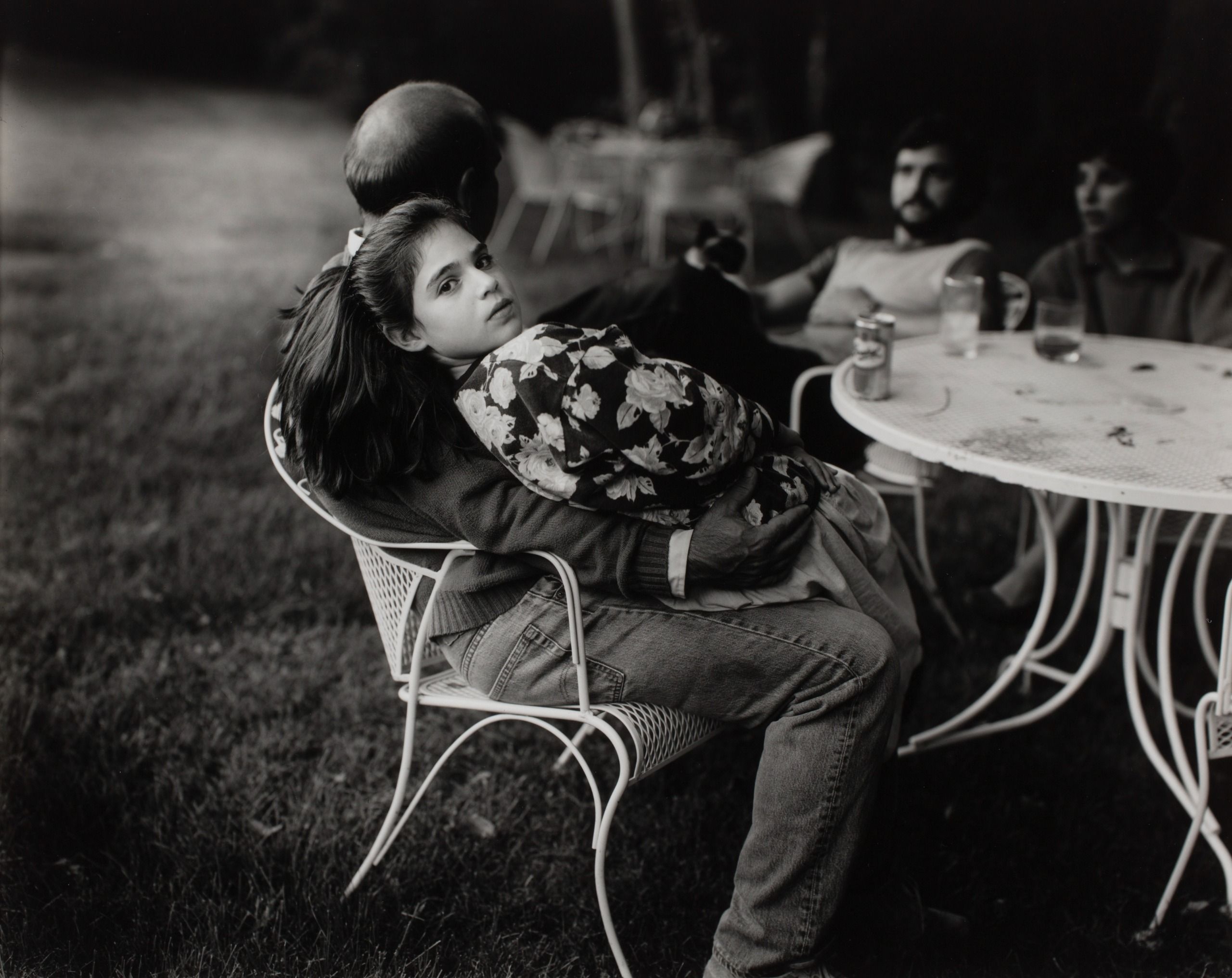
Decades after that initial acquisition in the nation’s capital, Freeman has formalized a promised bequest of her entire collection to NOMA. Comprising more than 1,300 photographs created by over 270 artists, the collection spans the comprehensive history of the medium, tracing its evolution from mid-19th-century primitive processes to contemporary digital and analog works. To celebrate this landmark acquisition, NOMA has organized a major exhibition titled Confluence: The Tina Freeman Collection of Photographs, scheduled to run from November 20 through July 4, 2027. The exhibition features a curated selection of more than 100 images, offering the public its first extensive look at the depth and breadth of the collection.
The Evolution and Scope of the Collection
Building a collection of museum-grade photography over the latter half of the 20th century required immense foresight, particularly given that the institutional market for photography was still in its infancy during the early stages of Freeman’s collecting career.
"I was fortunate to become a collector in the early 1970s, even before the first photography galleries were emerging," Freeman reflects. "I continued collecting, knowing those images would eventually become part of the NOMA collection. I am delighted that that has now become a reality."
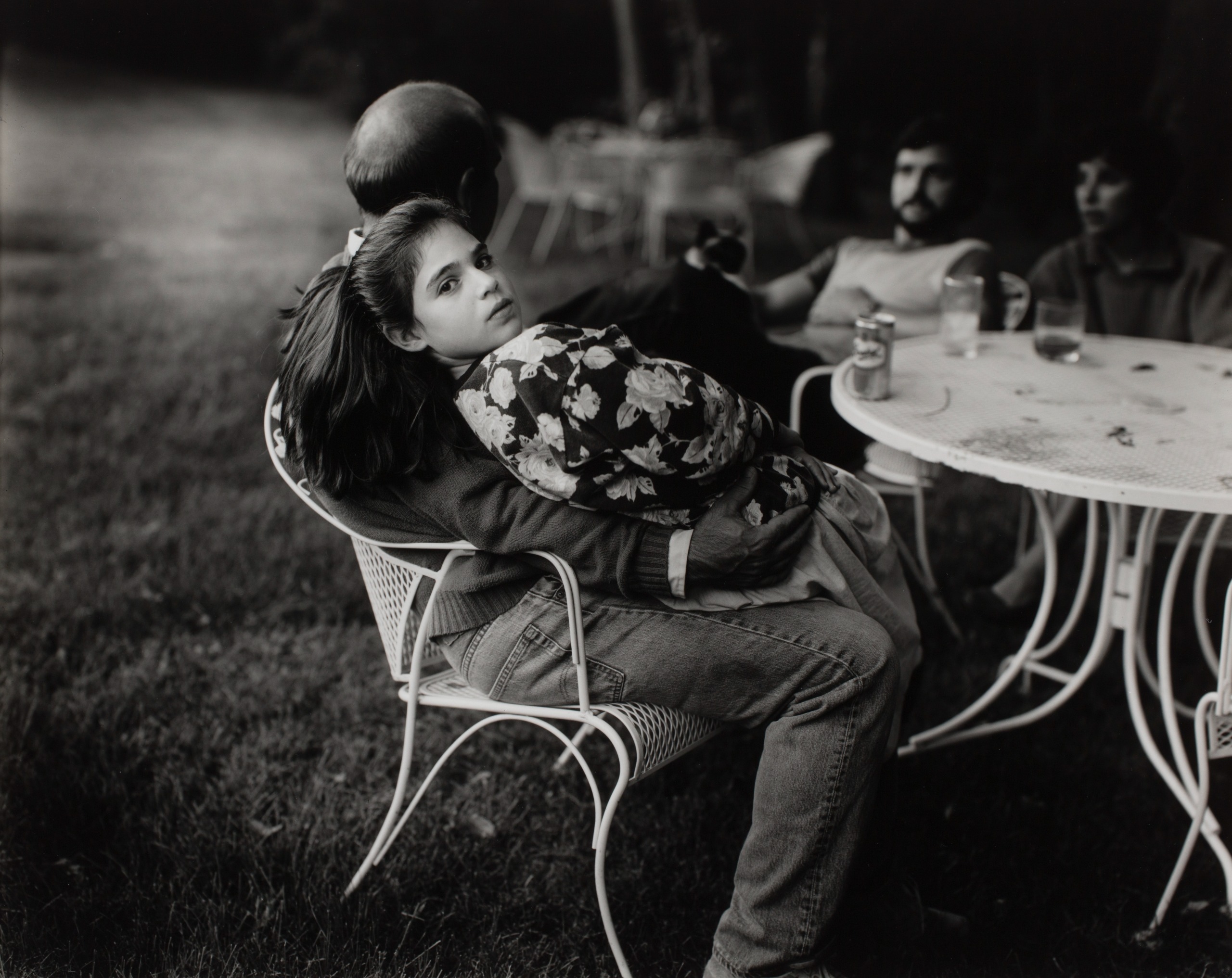
Freeman’s journey as a patron of the arts is uniquely informed by her own professional background. Not only is she an accomplished photographer in her own right, but she also served as NOMA’s curator of photography during a pivotal era. Her insider’s perspective shaped the collecting criteria, leading to a remarkably cohesive yet diverse assembly of works. The collection holds particular strength in 19th-century photography, works by pioneering women photographers, landscape studies, depictions of water, and regional concentrations of artists from Louisiana and the broader American South.
In 1977, Freeman reached a critical crossroads in her career when she was forced to choose between her curatorial position at NOMA and an opportunity to work as an assistant to legendary photographer Irving Penn, whom she had met that same year. Opting to remain tied to institutional curation and her local arts community, she chose NOMA—a decision that further cemented her lifelong commitment to the preservation and exhibition of photographic art.
Chronology of a Collector: Milestones and Key Dates
To understand the weight of the NOMA acquisition, it is necessary to examine the timeline of Freeman’s engagement with the art world:
- 1969: A teenage Tina Freeman purchases her first photograph at a bookstore in Washington, D.C., marking the beginning of her journey as an art collector.
- Early 1970s: Freeman actively begins acquiring photographic prints during a period when dedicated photography galleries were virtually non-existent in the commercial art market.
- 1977: Freeman is offered a position as an assistant to master photographer Irving Penn but ultimately chooses to commit to her curatorial role at the New Orleans Museum of Art.
- Decades Following: The collection expands steadily to surpass 1,300 works by more than 270 artists, emphasizing historical depth, technical diversity, and regional representation.
- November 20, 2025: NOMA opens Confluence: The Tina Freeman Collection of Photographs, showcasing the inaugural public presentation of the promised bequest.
- Spring 2027: The museum plans a partial rehang of the exhibition, introducing new pieces from the collection to rotate into the gallery space.
- July 4, 2027: The closing date for the comprehensive exhibition, which is accompanied by an extensive catalog featuring 1,300-backed color reproductions.
Exhibition Highlights and Curatorial Vision
Confluence avoids a simplistic chronological approach, choosing instead to group pictures by thematic resonance and aesthetic dialogue. The installation frequently juxtaposes works from disparate eras and distinct chemical processes, encouraging viewers to draw connections across time. The exhibition features universally recognized masters alongside lesser-known works by famous names and pieces by artists who have been historically overlooked by mainstream institutions.
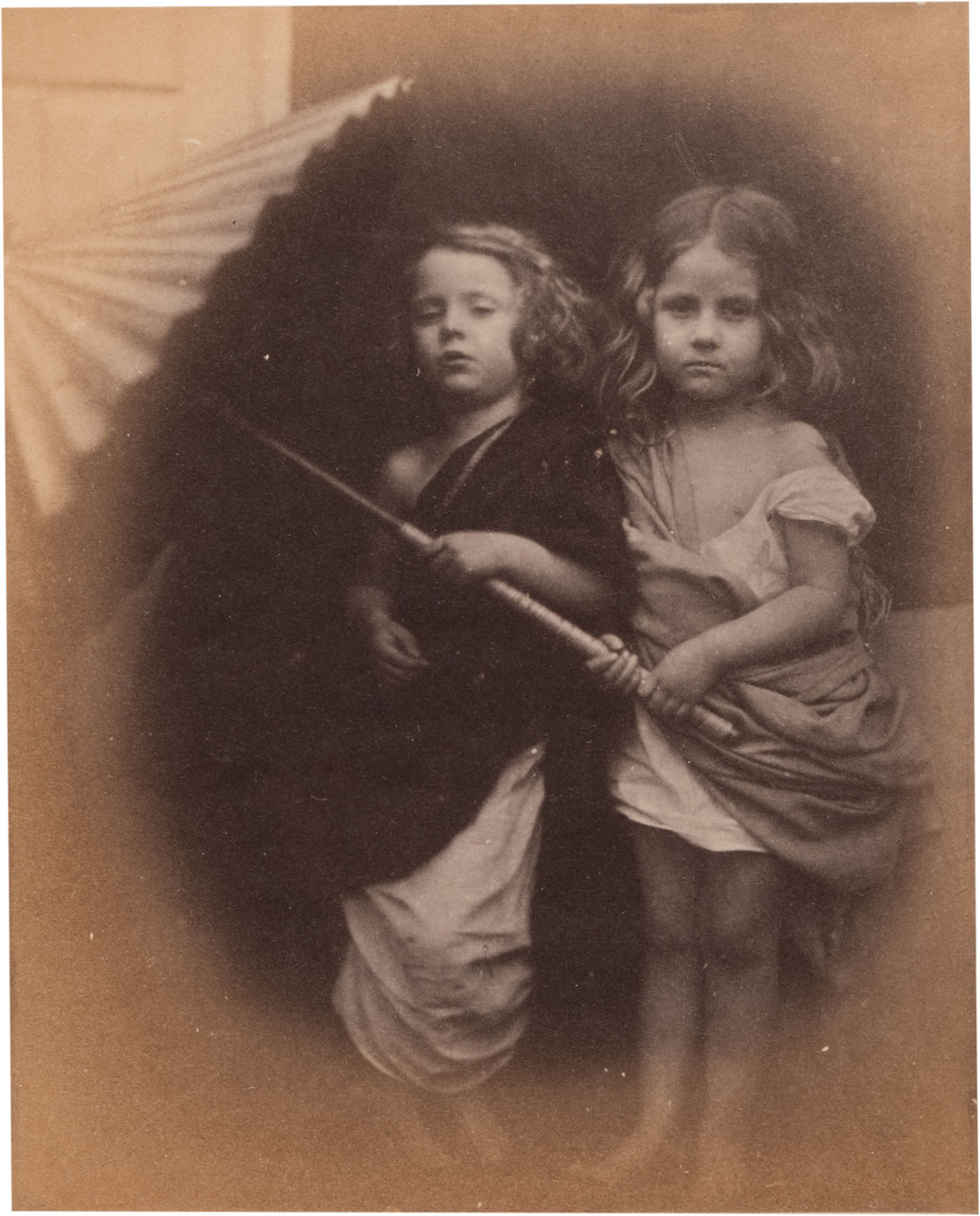
Among the standout historical items is a rare miniature album containing 45 prints by the pioneering 19th-century British photographer Julia Margaret Cameron. Known for her deeply expressive, softly focused portraits, Cameron’s inclusion anchors the 19th-century core of the collection. Another monumental historical inclusion is found in prints from George N. Barnard’s Photographic Views of Sherman’s Campaign (1866). Widely regarded as the first widely distributed photography monograph, Barnard’s series includes a sweeping, panoramic view over the river at Savannah, Georgia, documenting the physical aftermath and landscape of the American Civil War.
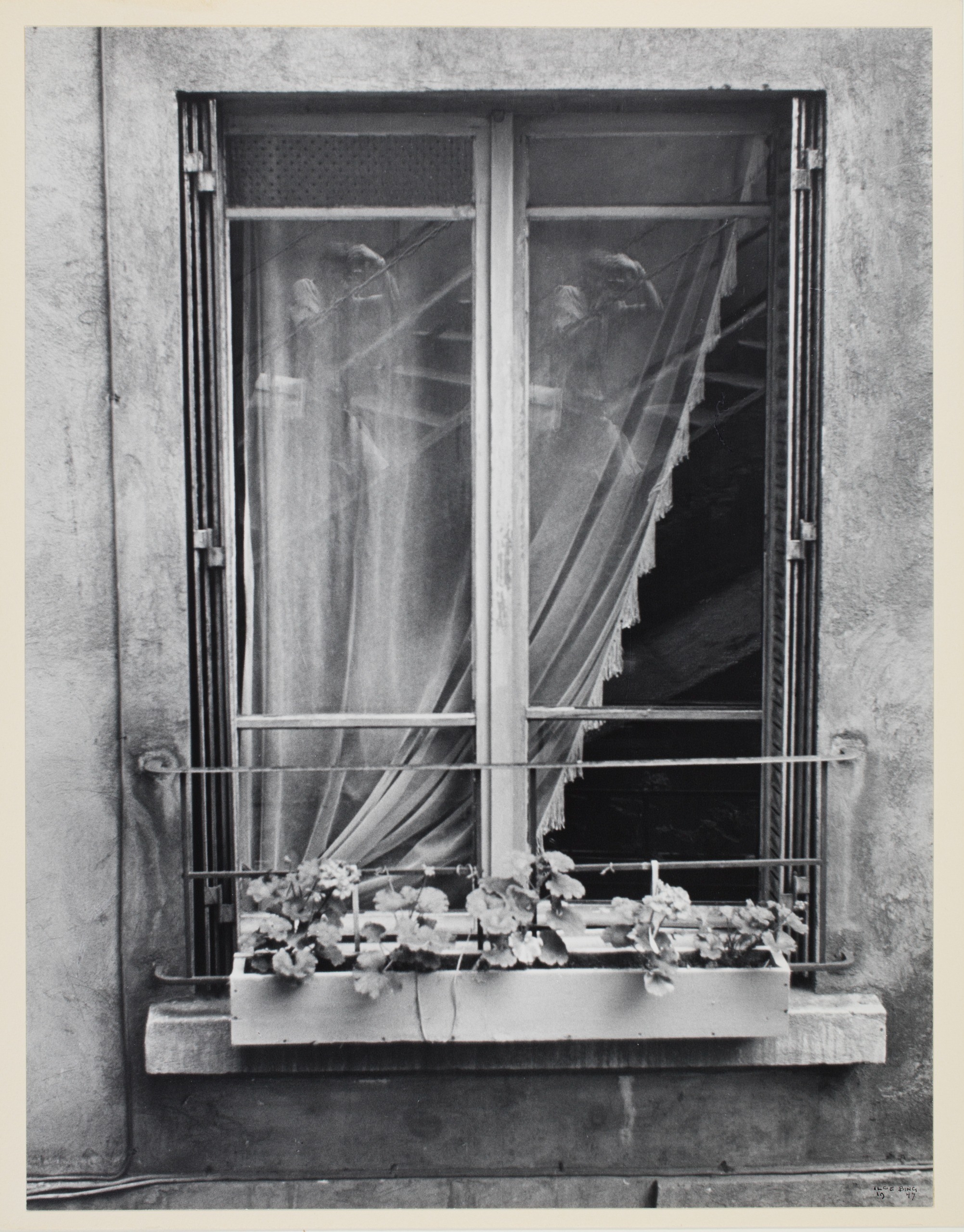
The collection also moves fluidly into the 20th century. A prime example is a 1947 double self-portrait by German-born avant-garde and commercial photographer Ilse Bing. Often celebrated as the "Queen of the Leica," Bing captured her own image reflected twice within the fractured panes of a curtained window, demonstrating the experimental capabilities of handheld 35mm cameras.
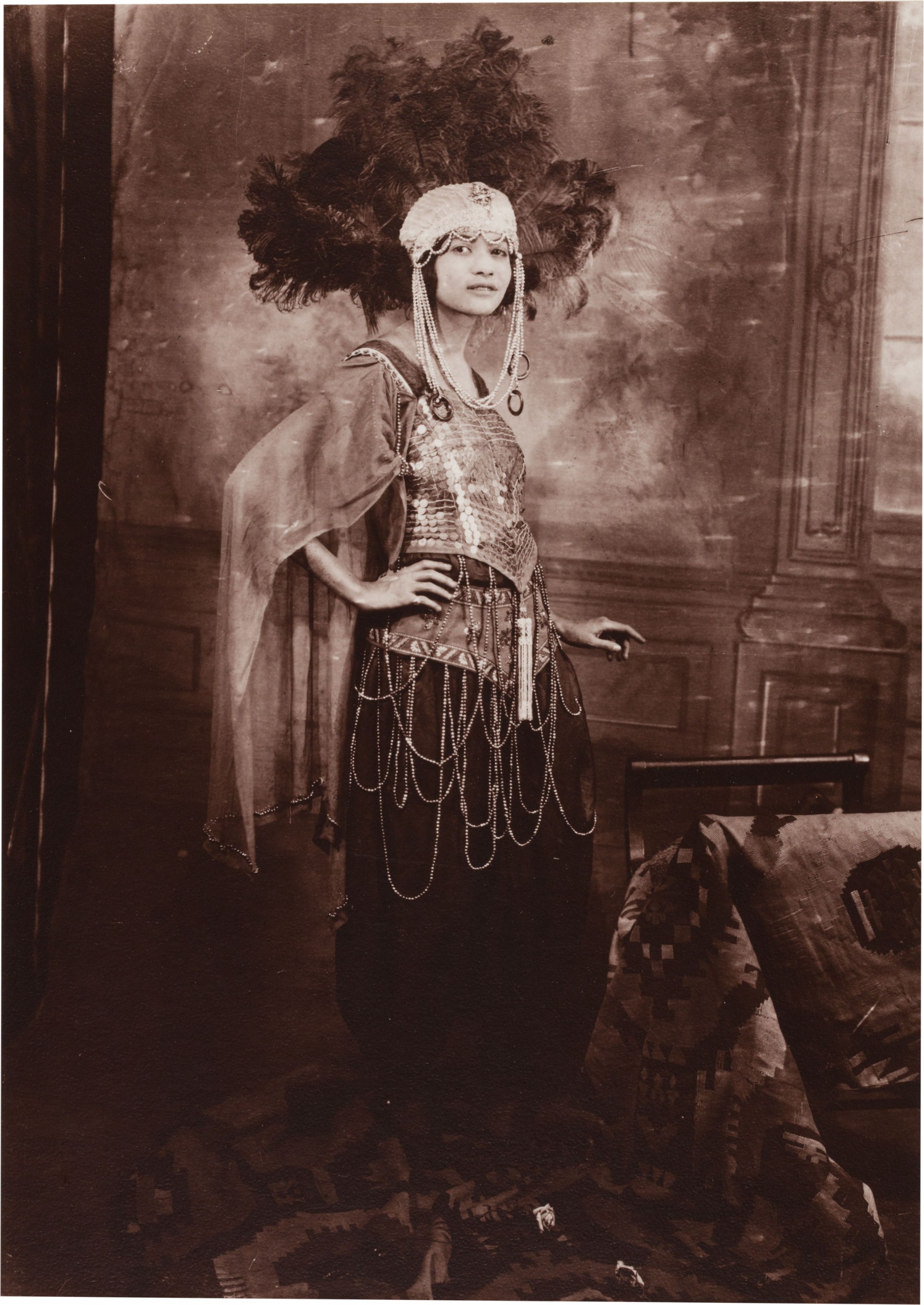
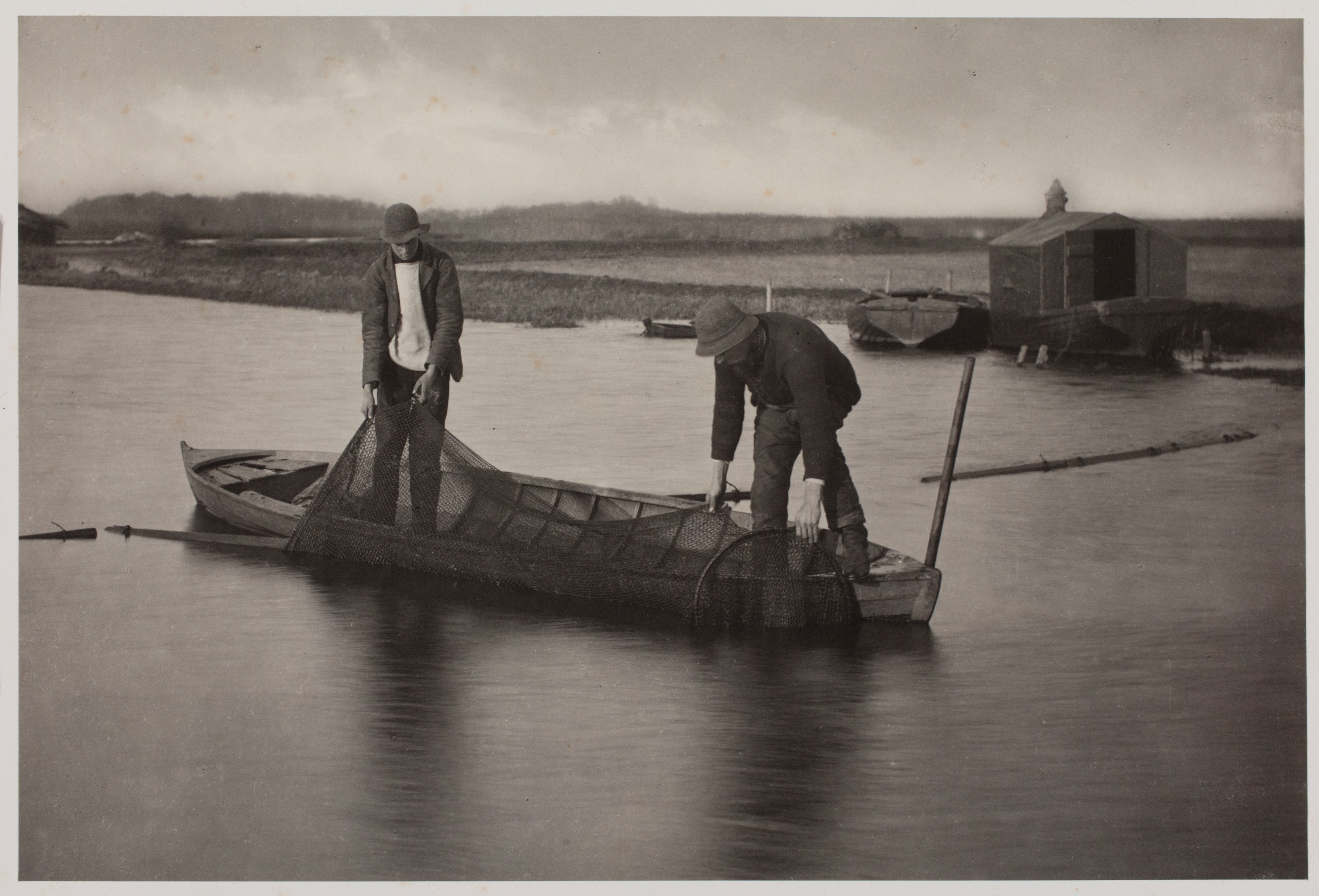
Additional original vintage prints in the exhibition represent luminaries such as Manuel Álvarez Bravo, Imogen Cunningham, Sally Mann, James Van Der Zee, and Edward Weston. These are complemented by Peter Henry Emerson’s atmospheric 1886 platinum print, Taking Up the Eel Net, which depicts two men hauling heavy nets into a small wooden boat on calm waters—a masterclass in naturalistic photography and platinum printing techniques.
Bridging the Gap into Contemporary Practice
While historical and mid-century works form the backbone of the collection, twenty-first-century photography is well-represented, ensuring the archive remains a living, breathing testament to the medium’s continuous reinvention.
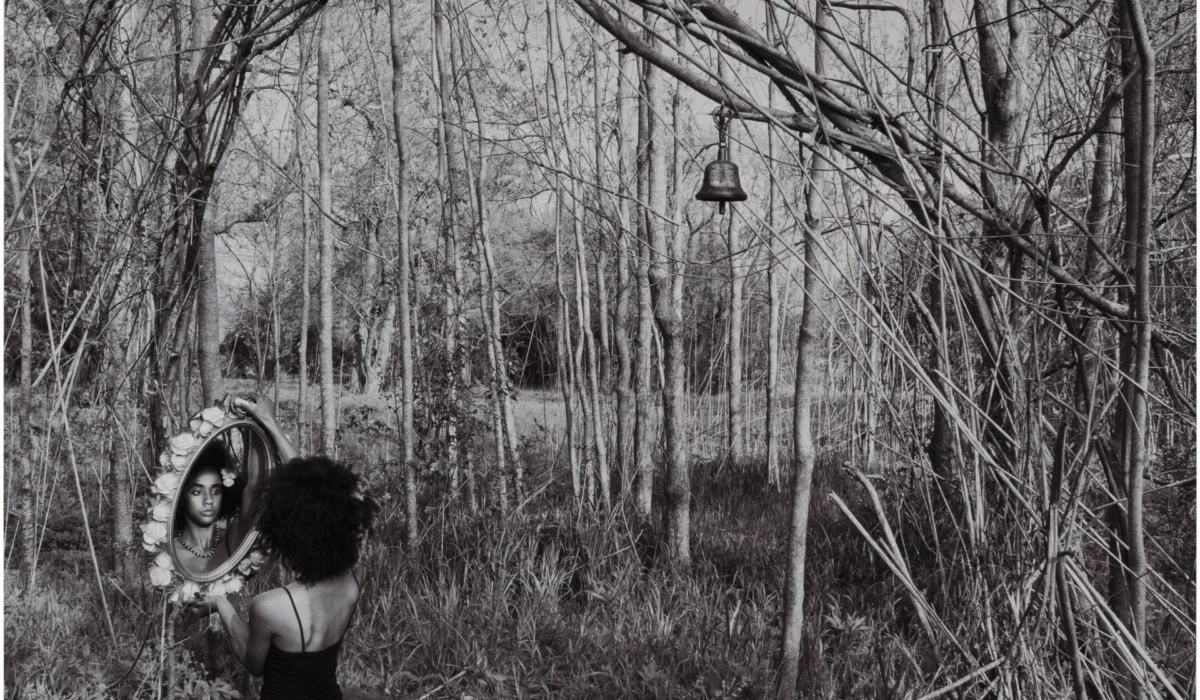
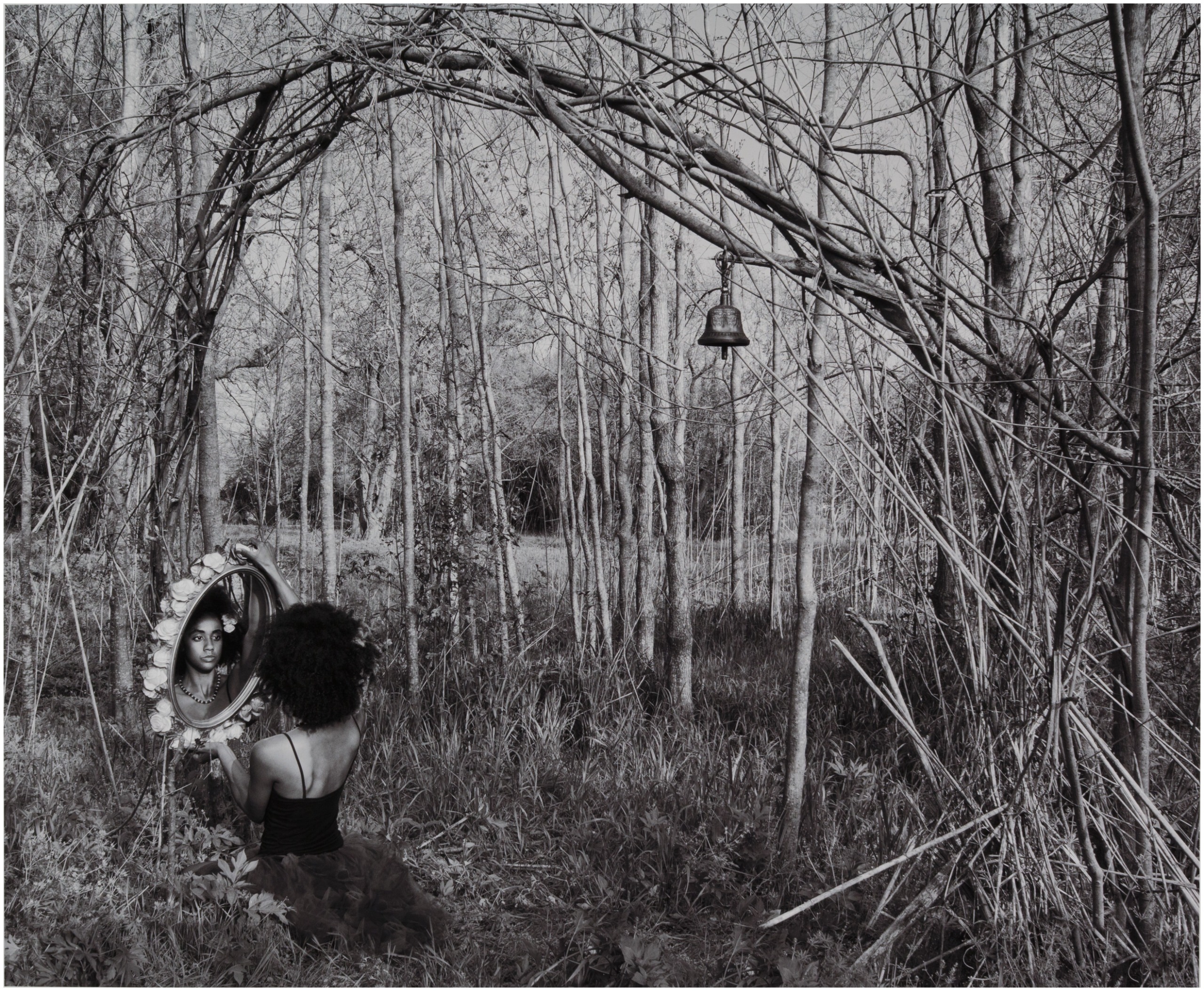
Sienna Pinderhughes’s 2014 work, They Are a Reflection of You, exemplifies this contemporary thread. The black-and-white photograph depicts a young woman kneeling in a tangled, overgrown woodland, gazing intently into an ornate mirror adorned with flowers. By bridging historical techniques with modern conceptual frameworks, Pinderhughes’s work dialogues effectively with the 19th-century allegorical portraits nearby.
W. Brian Piper, NOMA’s Freeman Family Curator of Photographs, Prints, and Drawings, emphasizes the educational and perceptual goals of the exhibition. "I hope visitors will find unexpected connections, new understandings of individual artists’ works, and a greater appreciation for the breadth of photographic processes," Piper states.
Institutional Impact and Implications for NOMA
The acquisition of the Tina Freeman Collection marks a watershed moment for the New Orleans Museum of Art. For a regional institution of NOMA’s standing, securing a foundational collection of this magnitude elevates its status as a premier national destination for the study and appreciation of photography.
Historically, major photography collections of this scale have tended to concentrate in coastal metropolitan hubs such as New York, Los Angeles, and Chicago. By anchoring a world-class archive of over 1,300 works in New Orleans, the bequest decentralizes access to masterworks of the medium. Furthermore, the specific strengths of the collection—particularly its dedication to Southern subjects, regional creators, and pioneering women artists—directly support NOMA’s institutional mission to reflect the diverse cultural heritage of Louisiana and the American South while maintaining a global artistic perspective.
Museum leadership notes that the exhibition will occupy galleries through July 4, 2027, with approximately 85 works on display initially, followed by a strategic partial rehang in the spring of 2027 to rotate additional pieces into the public view. To accompany the exhibition, NOMA has published a comprehensive catalog featuring 185 color reproductions, providing scholars and enthusiasts with a permanent record of the foundational gift.
Through a lifetime of passionate, discerning acquisition, Tina Freeman has transitioned from a solitary museum-goer buying a sunlit landscape in a Washington bookstore to a transformative benefactor whose legacy will shape the cultural landscape of New Orleans for generations to come.