








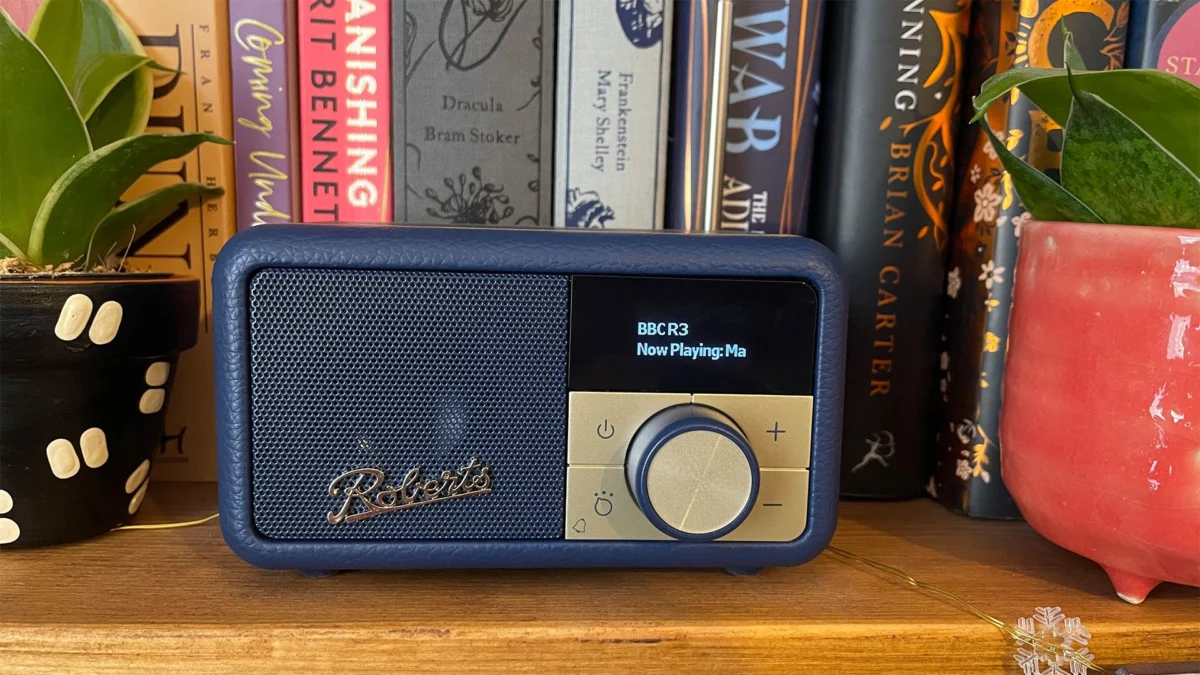
The rapid ascent of streaming platforms and the vinyl revival might lead casual observers to assume that traditional radio is a relic of a bygone era. However, data suggests the opposite: radio remains a cornerstone of the UK’s audio landscape. According to a 2026 report from RAJAR, the official body governing radio audience measurement in the United Kingdom, listenership has reached an all-time high, with 51 million people tuning in on a weekly basis. This surge in popularity occurs despite the proliferation of digital alternatives, highlighting that radio has successfully transitioned from an analogue necessity to a modern, multifunctional lifestyle companion.
The transformation of the radio industry is best exemplified by the evolution of legacy manufacturers such as Roberts Radio. Founded in 1932, the company serves as a vital case study for how heritage brands can reconcile the demand for nostalgia with the necessity of cutting-edge technology. Owen Watters, CEO of Roberts Radio, describes his role as a "custodian" of a brand nearing its centenary, balancing the "comfortable familiarity" of a one-touch interface with the complex, multi-room streaming capabilities expected by contemporary consumers.
A Chronology of Innovation and Adaptation
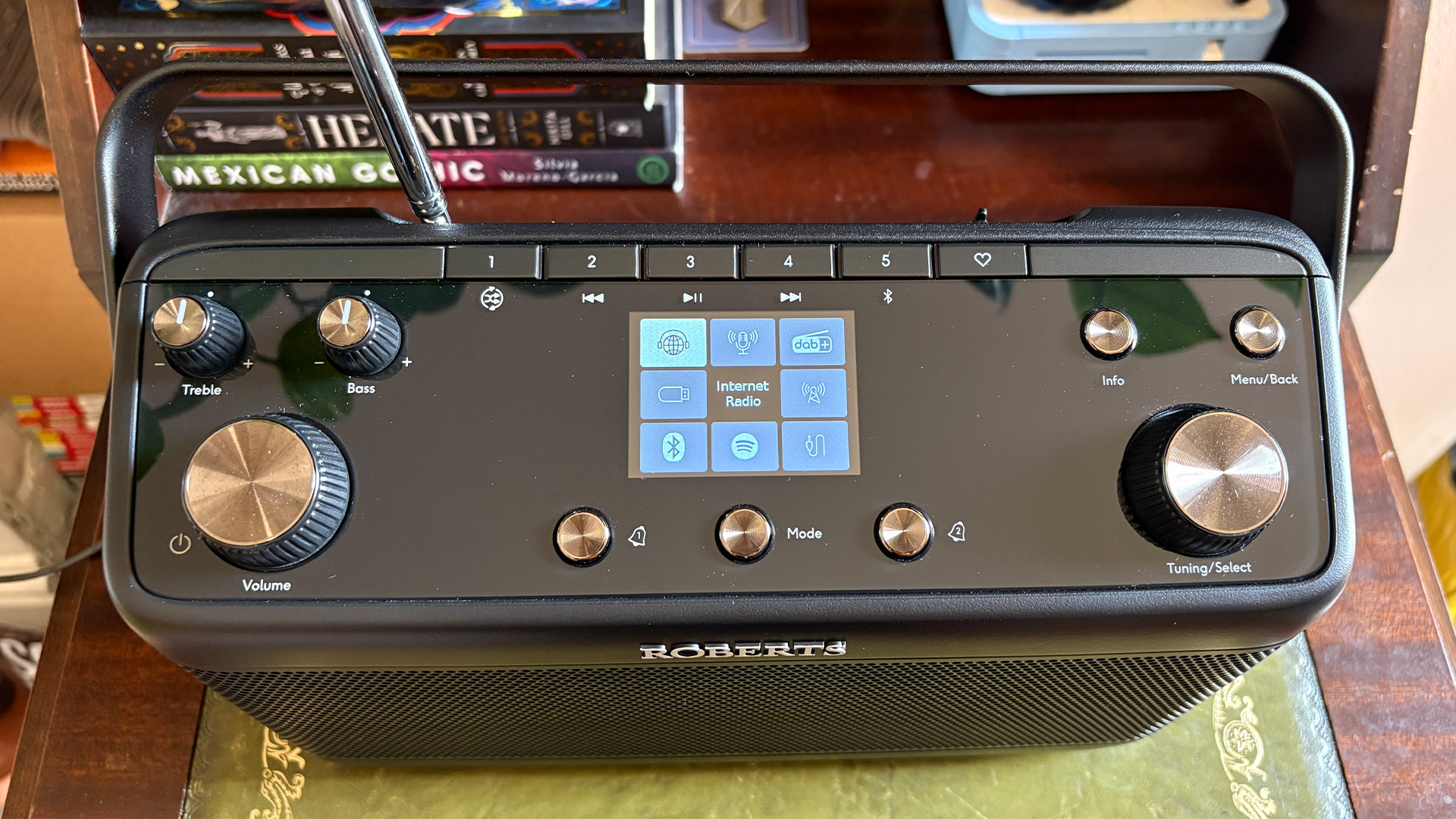
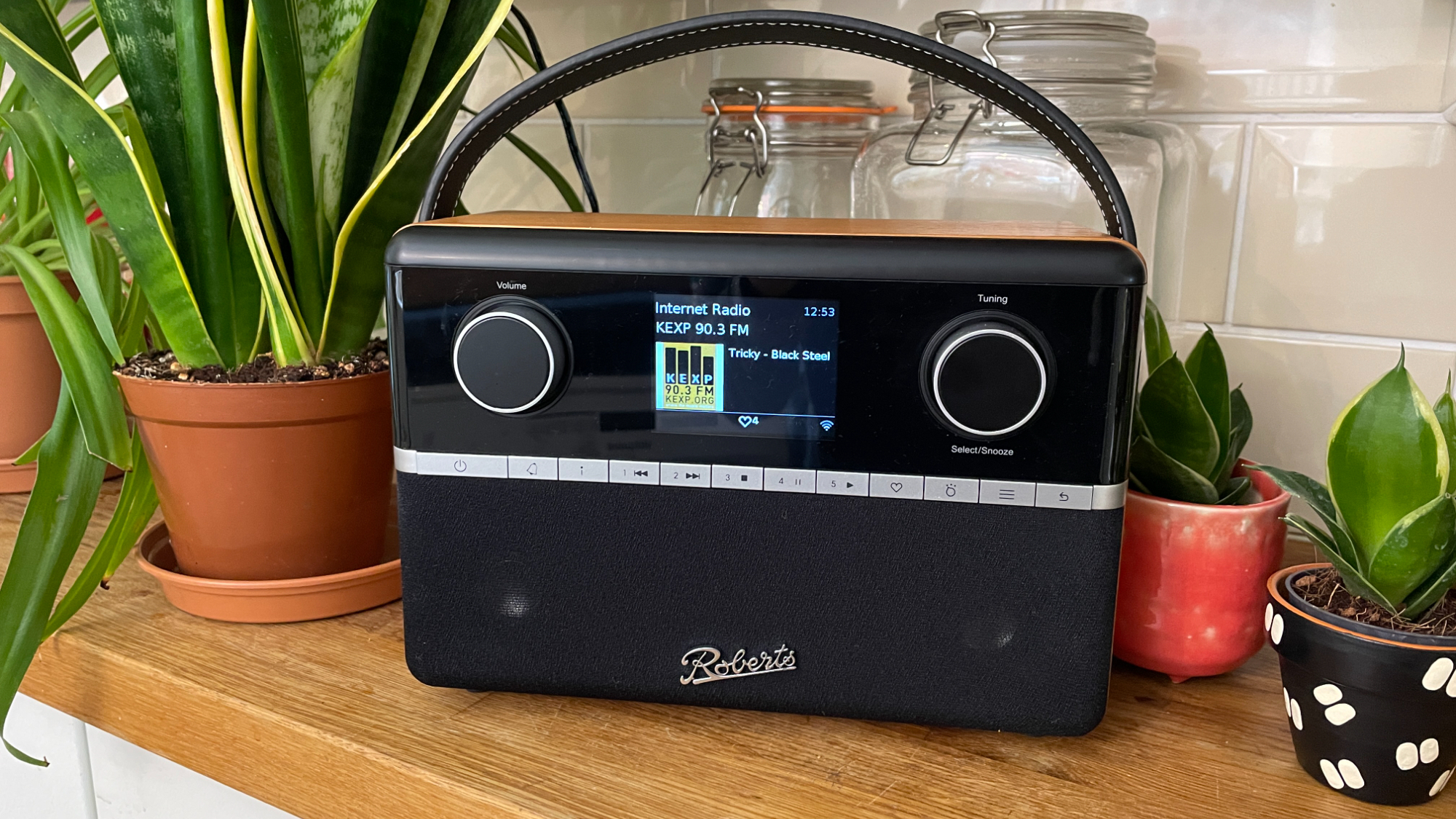
Roberts Radio’s longevity is not accidental; it is the result of decades of strategic iteration. The brand’s trajectory reflects the broader history of consumer audio. In the early 2000s, as the internet began to reshape media consumption, Roberts was quick to pivot. By 2007, the company had introduced the WM201, an early foray into internet-connected radio. This was followed in 2014 by the Stream 93i, a landmark product that integrated Spotify Connect, Bluetooth, and Wi-fi—features that laid the blueprint for today’s smart hi-fi landscape.
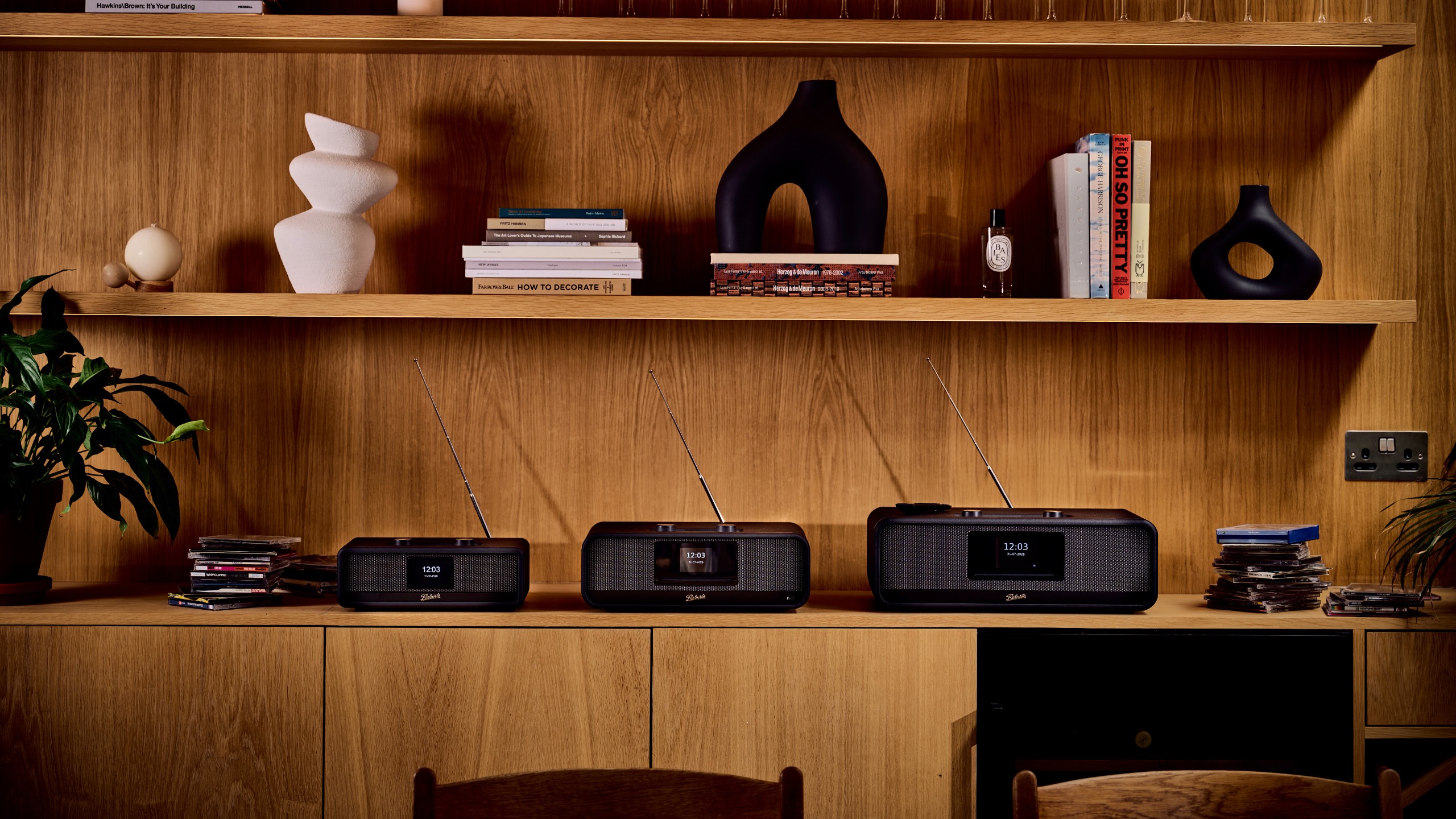
The current strategy focuses on a three-tiered approach: preserving the aesthetic identity of the "Revival" series, integrating high-fidelity streaming, and—perhaps most surprisingly—the continued support of physical media such as CDs. The launch of the new Revere range marks the latest chapter in this timeline. While competitors have largely abandoned physical disc playback in favor of minimalist, stream-only enclosures, Roberts has identified a persistent demand for CD integration. This decision reflects a nuanced understanding of their customer base: those who value the tactile nature of physical media as much as the convenience of digital broadcasts.
Statistical Insights and Market Dynamics
The digital shift in radio is stark. Of the 51 million weekly listeners, the majority are now tuning in via digital platforms. DAB (Digital Audio Broadcasting) dominates this sector, accounting for 56% of all digital listening hours. This transition is supported by the integration of radio functionality into broader smart home ecosystems, including smart speakers and mobile applications.
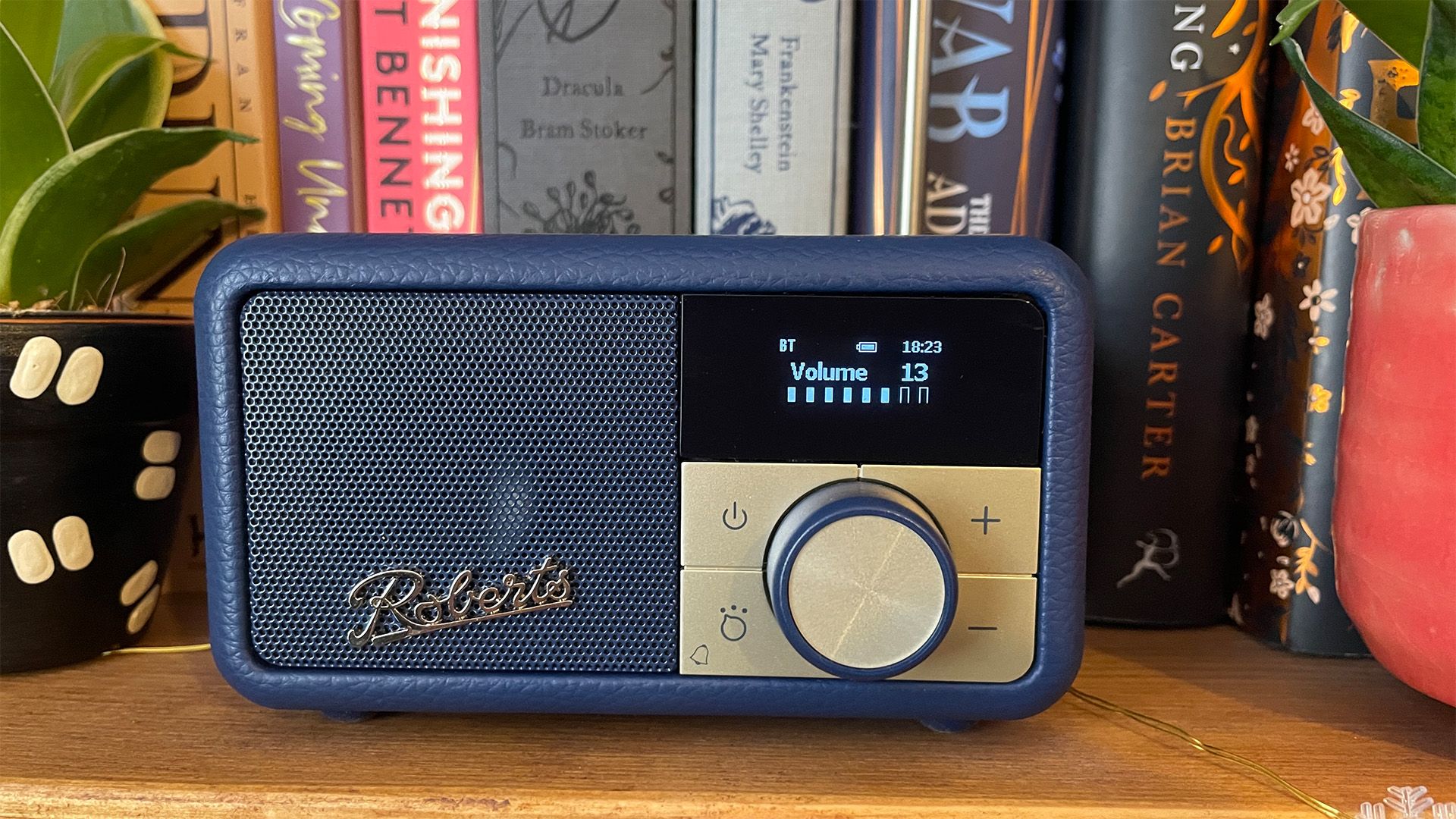
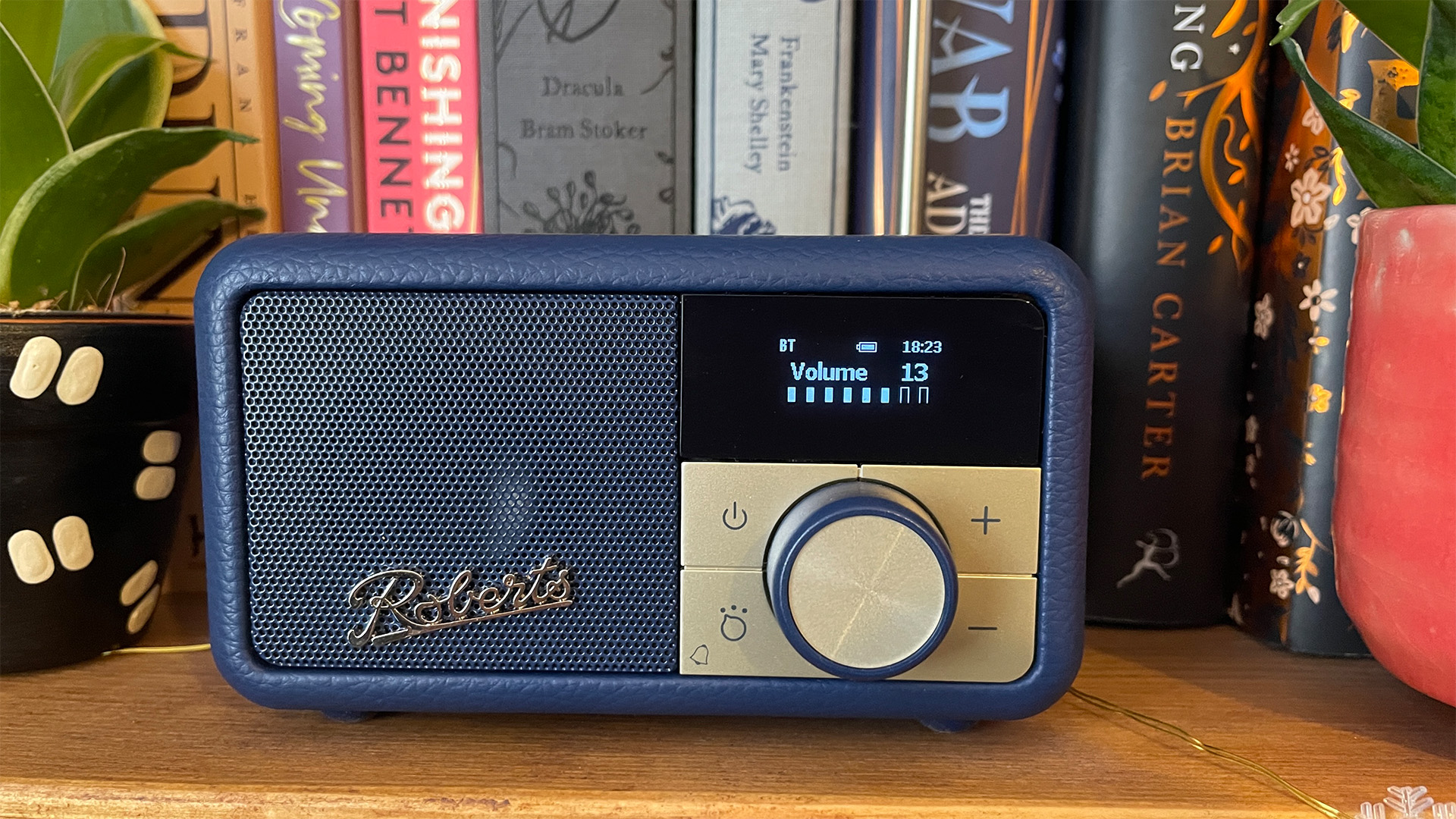
Demographic analysis reveals a shifting trend in audience engagement. Traditionally, the core Roberts customer base sat firmly within the 45 to 65 age bracket. However, recent data indicates a significant expansion. The 25 to 35-year-old segment has shown massive growth, a phenomenon largely attributed to the popularity of the Revival Petite 2. With its sub-£100 price point, compact design, and vibrant color palette, the device has successfully bridged the gap between a decorative lifestyle object and a functional audio tool. This success reinforces a broader industry trend: younger consumers are increasingly seeking "analog-feel" hardware that offers a respite from the screen-heavy nature of modern entertainment.
Official Perspectives on the "Silent" Economy
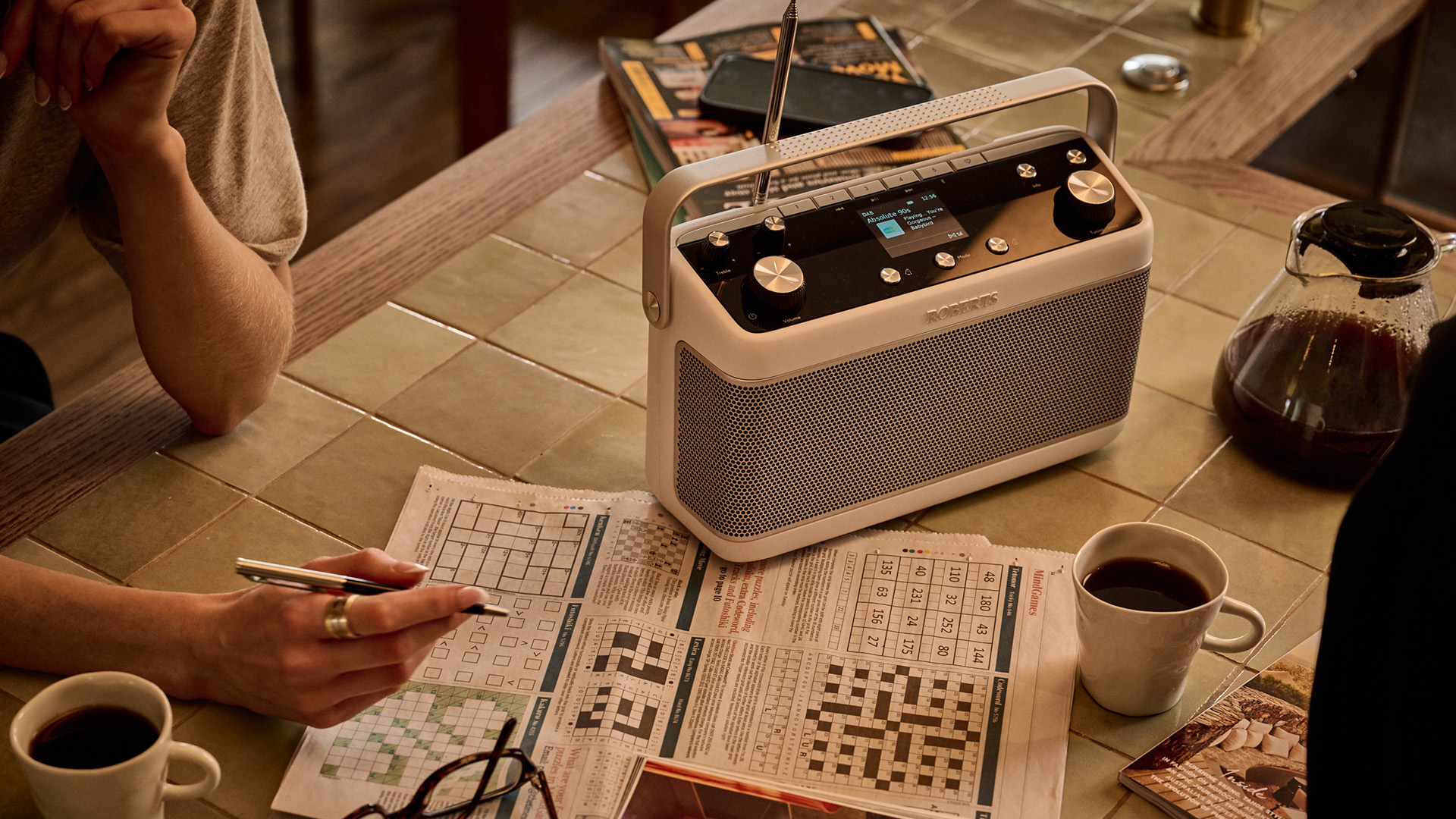
For CEO Owen Watters, the importance of the radio lies in its ability to fill the void of silence. "Silence is deafening," he notes, emphasizing that radio provides an "ambient companion" that supports productivity and mental well-being. This was particularly evident during the 2020 and 2021 global lockdowns, where the human need for connection and background consistency made the radio a vital psychological anchor for those living in isolation.
The company’s decision-making process is deeply informed by its retail network. By treating independent retailers as a "gold mine of information," Roberts gathers granular data on what features customers prioritize. The recurring feedback loop has led to the inclusion of Bluetooth across nearly every price point, ensuring that even entry-level devices can serve as conduits for wider streaming services. This pragmatism—prioritizing reliability and performance over merely chasing the latest hardware trends—has allowed the company to maintain customer trust, a metric that Watters cites as being more critical to long-term success than competitive pricing alone.
Technical Challenges and the Future of Physical Media
The integration of modern features into classic form factors presents significant engineering hurdles. The Revere range, for instance, required substantial acoustic research to ensure that the inclusion of a CD mechanism did not compromise sound quality. Watters acknowledges that from a purely acoustic perspective, removing the CD drive would allow for larger internal cabinet volumes, thus enhancing bass response and resonance. However, the decision to maintain support for physical media is a calculated response to the persistent, if "bizarre," growth in CD sales.
Furthermore, the supply chain for high-quality CD transports has become increasingly constrained. As many manufacturers switch to lower-cost, performance-limited PC/DVD mechanisms, Roberts has opted to maintain its 35-year relationships with factory partners to ensure component longevity. This reflects a commitment to a "build quality" philosophy that stands in opposition to the planned obsolescence often associated with modern consumer electronics.
The Longevity of Analogue Broadcasting
Despite the emphasis on digital connectivity, the question of when to sunset analogue FM radio remains a contentious topic. Currently, there is no official date for the total cessation of FM broadcasts in the UK, with projections extending at least until 2030. Watters suggests this timeline is conservative, predicting that FM will remain relevant for several decades.
The rationale is twofold: geography and accessibility. In many remote communities or border regions, DAB coverage is not yet universal, leaving FM as the only reliable medium for local broadcasting. Furthermore, there remains a significant demographic for whom digital interfaces are perceived as a barrier rather than a benefit. By continuing to produce high-quality analogue-capable radios, the industry ensures that no listener is left behind. This coexistence of the "old wireless" and "new wireless" is not merely a transitional phase but a sustainable long-term model.
Implications for the Hi-Fi Industry
The trajectory of the radio market serves as a microcosm for the broader audio industry. It demonstrates that technological advancement does not necessarily mandate the abandonment of traditional rituals. The rise of the "smart" radio—a device that looks retro but functions as a networked hub—confirms that consumers are seeking hybrid experiences.
As Roberts prepares to test its Revere range, the industry will be watching to see if the combination of high-fidelity streaming and physical media remains a viable path forward. The evidence suggests that for as long as consumers seek reliability, trust, and a sense of community, the radio will remain a permanent fixture in the modern home. The transition from a simple tuner to an integrated multimedia system has not diminished the radio’s status; instead, it has solidified its position as an essential, and enduring, piece of home technology.