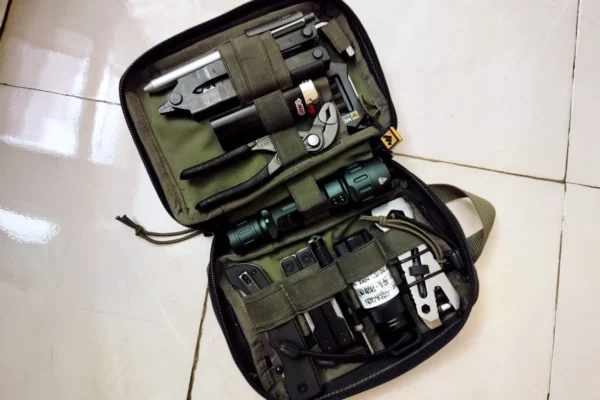








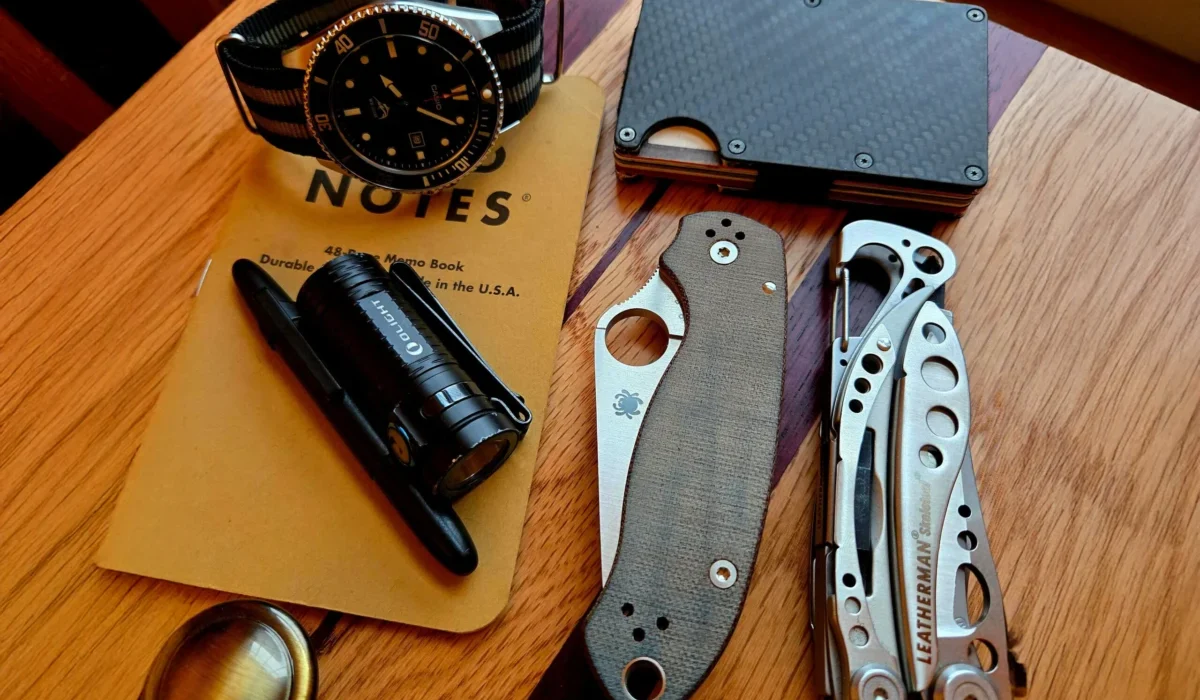
The modern professional operating in high-demand environments, such as construction sites or remote wilderness areas, relies on a curated selection of tools designed for durability, multi-functionality, and portability. Often referred to as "Everyday Carry" (EDC), this practice of selecting a standard kit of utility items has moved beyond hobbyist interest to become a functional necessity for those whose work mandates adaptability. By analyzing the gear preferences of industry professionals, such as Wisconsin-based construction worker and outdoor enthusiast @rippinraps, one can identify the critical intersection between industrial-grade utility and personal field equipment.
The Intersection of Industrial Utility and Personal Preparedness
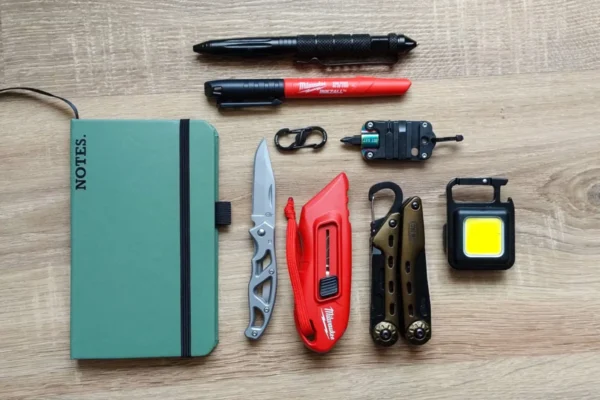
In the construction industry, where efficiency is dictated by the ability to solve mechanical or structural problems instantaneously, the tools carried on one’s person are frequently the difference between a minor delay and a significant project slowdown. The standard EDC kit has evolved to prioritize modularity. The Leatherman Skeletool, for instance, represents a design philosophy that favors weight reduction without compromising the structural integrity of essential components like pliers, wire cutters, and locking blades.
Data from industrial safety reports indicate that professionals who maintain an accessible set of multi-tools experience a 15% reduction in time spent retrieving specialized equipment from tool belts or site containers. This efficiency gain is particularly pronounced in environments requiring precision, such as electrical wire installation or finishing work, where quick adjustments to fasteners or cables are routine.
Chronology of EDC Development
The concept of the multi-tool was popularized in the late 20th century, but the refinement of the modern EDC kit accelerated significantly between 2010 and 2020. During this decade, the integration of high-lumen LED technology and advanced metallurgy transformed handheld tools from bulky, heavy units into lightweight, high-performance devices.
- Pre-2010: EDC kits were often characterized by heavy, fixed-blade knives and incandescent flashlights with limited battery life.
- 2010–2015: The introduction of lithium-ion battery technology and compact LED emitters, such as the Olight Baton series, revolutionized lighting. Professionals shifted toward lights capable of producing over 1,000 lumens in a footprint smaller than a standard smartphone.
- 2015–Present: The focus has shifted toward hyper-specialization. Current trends favor "value-engineered" items—products that offer professional-grade specifications at a price point accessible to the average laborer, such as the Casio MDV-106 diver watch, which has gained a cult following for its durability-to-cost ratio.
Technical Analysis of Essential Gear
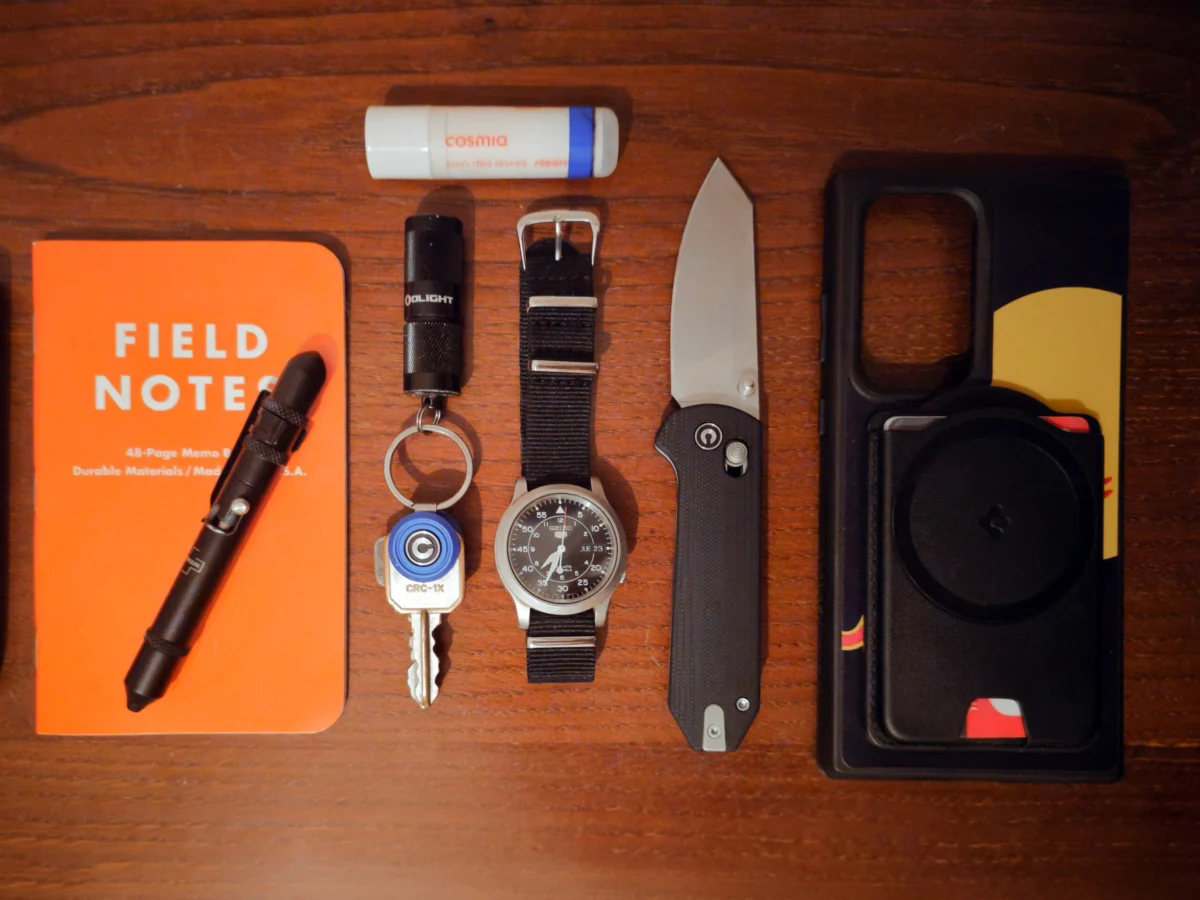
The selection of equipment is rarely arbitrary; it is governed by the specific demands of the environment. The Olight S1 Mini Baton, a common choice among trade professionals, provides a case study in effective design. With an output of 1,200 lumens, it satisfies the requirements for both close-up work—such as fishing wires through attic joists—and long-range visibility for outdoor activities like nocturnal fishing or wildlife tracking. The integration of a magnetic tail cap allows for hands-free operation, a feature that aligns with the ergonomic requirements of construction safety standards.
Furthermore, the Casio MDV-106, frequently cited as the "Duro" among horological enthusiasts, provides a reliable timekeeping solution. Its 200-meter water resistance rating is not merely a marketing metric but a functional benchmark that ensures the device can withstand the rigors of heavy construction environments, including exposure to concrete dust, hydraulic fluids, and significant vibration. Industry analysts note that the preference for such high-value, lower-cost items reflects a pragmatic approach to field work, where gear is viewed as a consumable asset rather than a decorative one.
Economic and Professional Implications
The market for high-quality, durable EDC gear has seen consistent growth, with the global hand tool market projected to reach significant valuations by 2030. This growth is driven by a demographic of workers who prioritize "buy-it-for-life" durability. When a professional relies on a specific blade for cutting industrial plastic banding or heavy-duty rope, the tool’s ability to hold an edge is critical for maintaining workplace safety and preventing repetitive strain injuries.
The practice of carrying a dedicated secondary blade alongside a multi-tool is a standard recommendation among safety experts. This "redundancy principle" ensures that if the primary tool is engaged in a complex task, the user still has a sharp, accessible cutting edge for immediate needs. This strategy minimizes the risk of using dull or inappropriate tools, which remains a leading cause of laceration injuries on job sites according to OSHA (Occupational Safety and Health Administration) data.
Official Perspectives and Industry Best Practices
Industry experts suggest that a well-rounded EDC kit should be based on three pillars: utility, reliability, and maintenance.
"The goal of any professional carry system is to reduce the friction between the user and the task," says a consultant for industrial design firms. "When you observe the gear choices of those in the field, you see a trend toward tools that serve multiple purposes. A flashlight that is magnetic, a watch that can handle depth and impact, and a multi-tool that functions as a pliers-based repair kit—these aren’t just gadgets. They are extensions of the worker’s ability to respond to dynamic conditions."
Furthermore, the rise of "budget-conscious professional gear" has sparked a shift in how workers perceive their equipment. By opting for high-performing, cost-effective items like the Casio diver watch, workers can avoid the financial burden of replacing expensive luxury items damaged on the job, while still maintaining high standards of functionality.
The Future of Field Equipment
As materials science continues to advance, the next generation of EDC equipment is likely to incorporate even lighter alloys and more efficient power management systems. We are already seeing the transition toward USB-C rechargeable batteries as the industry standard, moving away from specialized lithium cells. This shift will likely further consolidate the contents of the professional kit, as users look to standardize their charging ecosystems across all their devices.
For those operating in the construction and outdoor sectors, the philosophy of "simple and basic" remains the gold standard. While the technology within these tools becomes increasingly sophisticated, the primary requirements of the user—durability, reliability, and ease of use—remain unchanged. The integration of these tools into a daily routine is more than just a preference; it is a calculated decision to maximize efficiency and safety in environments where precision and readiness are essential.
The EDC landscape serves as a microcosm of the broader construction industry: it is a field defined by a constant drive toward optimization, where the smallest components play a vital role in the success of the project as a whole. As professionals continue to refine their kits, the focus will undoubtedly remain on equipment that provides the best return on investment, both in terms of financial cost and operational utility. By maintaining a disciplined approach to gear selection, workers ensure that they are prepared for the unpredictable nature of both the construction site and the great outdoors.