








The global textile and accessory manufacturing industry relies heavily on complex engineering, precise pattern making, and innovative structural techniques to transform two-dimensional materials into functional three-dimensional storage solutions. Among the most understated yet transformative methods borrowed from traditional garment construction is the "dart"—a strategic fold and stitch technique that fundamentally alters the volume, ergonomics, and silhouette of modern carry goods. While consumers frequently overlook these subtle structural seams, industrial designers, technical pack makers, and ergonomic experts recognize the dart as a foundational element that dictates how a backpack, travel duffel, or everyday messenger bag holds its form, distributes weight, and maximizes internal capacity without adding unnecessary panels or hardware.
Originating centuries ago within the tailoring and haute couture sectors to contour fabric to the curves of the human body, the dart has transitioned seamlessly into the technical gear and accessories market. As consumers increasingly demand sleek, minimalist aesthetics paired with high-volume utility, designers leverage this precise geometry to sculpt fabric into functional, curved forms. Understanding the mechanics, historical integration, and manufacturing implications of the dart provides critical insight into modern gear engineering, shedding light on the meticulous labor required to produce the bags used by commuters, outdoor adventurers, and military personnel worldwide.
Mechanics and Engineering of the Dart in Technical Gear
At its core, a dart is a triangular wedge of fabric that is pinched, folded, and sewn shut along a tapering line. The geometry is straightforward yet mathematically precise: the fold begins at a wide opening along the raw edge of a material panel and tapers down to a vanishing point—often referred to as "nothing"—within the body of the fabric. When this triangular section is stitched and pressed, it forces the flat material to curve, bowing outward in one area while drawing inward in another.
In bag design, this transformation from a flat plane to a three-dimensional contour is essential. Traditional manufacturing of fabric containers historically relied on box-construction methods, which involve joining multiple distinct panels via binding seams and gussets. While effective, adding separate panels increases material waste, introduces additional points of potential structural failure, and requires more labor hours along the assembly line. By contrast, a dart allows a designer to create depth, volume, and contour using a single, continuous piece of fabric.
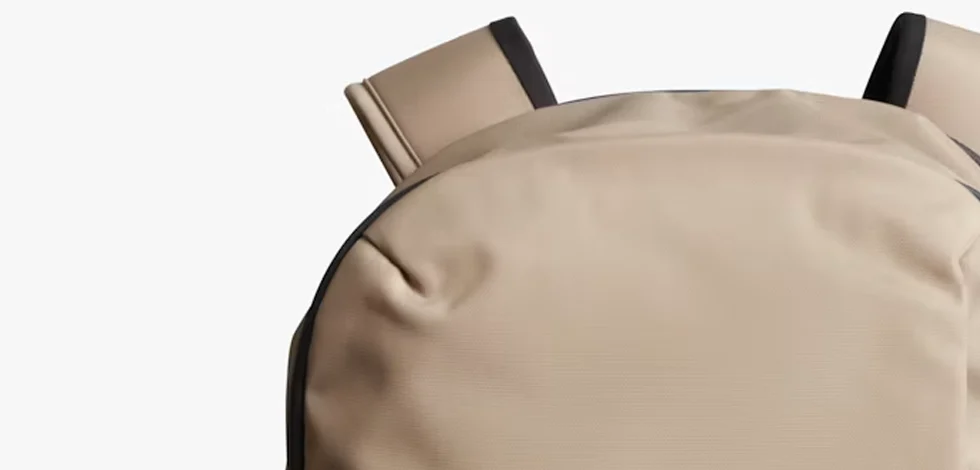
For instance, the bottom corners of a technical backpack often utilize corner darts to create a structured base that allows the pack to stand upright independently. Without these darts, a flat-bottomed pack would rely solely on internal liners or rigid framing sheets to maintain its shape. Similarly, backpack lids, exterior dump pockets, and specialized gear pouches frequently incorporate darts to make panels "pop" outward, instantly expanding internal storage capacity without the bulk of expansion zippers or external bellows pockets. This subtle shaping reduces overall weight, minimizes seam exposure to moisture and abrasion, and streamlines the exterior aesthetic.
Historical Evolution: From Haute Couture to Technical Carry
The integration of the dart into accessories manufacturing represents a broader trend of cross-industry design innovation, where techniques from soft-goods tailoring are adapted for heavy-duty industrial applications. Historically, tailors in the 16th and 17th centuries utilized rudimentary darting to shape doublets and corsets, ensuring garments conformed to human anatomy. As sewing machine technology advanced during the Industrial Revolution, mass-production facilities standardized dart placement for standardized apparel sizing.
The transition of the dart from apparel to technical carry gear accelerated during the mid-20th century, coinciding with the rise of modern mountaineering and the commercialization of synthetic textiles such as nylon, Cordura, and canvas. As outdoor gear brands moved away from rigid external frame backpacks toward softer, more ergonomic internal frame designs, designers required new ways to contour fabrics around curved stays, molded foam backpanels, and irregularly shaped loads.
By the late 20th century, prominent technical pack designers began experimenting with apparel construction methods to eliminate dead space and improve load stability. The implementation of darts on hip belts, shoulder straps, and main pack bodies allowed gear manufacturers to create pre-curved ergonomics that matched the natural posture of the human body. This evolutionary shift transformed backpacks from simple sacks with shoulder straps into highly engineered, biomechanically optimized load-carriage systems.
Manufacturing and Production Implications
From a supply chain and manufacturing perspective, the inclusion of darts introduces specific efficiencies as well as distinct production challenges. On one hand, utilizing darts can reduce the total component count of a product. By shaping a single panel rather than sewing three or four smaller pieces together, factories save on material cutting time, zipper integration, and hardware sourcing. Furthermore, fewer seams inherently mean fewer weak points where water intrusion or tensile failure might occur under heavy loads.
However, sewing darts in high-density, abrasion-resistant technical fabrics—such as 1000D Cordura, X-Pac laminates, or heavy-duty waxed canvas—requires specialized machinery and skilled labor. Unlike lightweight cotton or silk used in apparel, technical textiles are thick, rigid, and prone to needle heating or thread breakage when multiple layers are pierced at sharp angles.
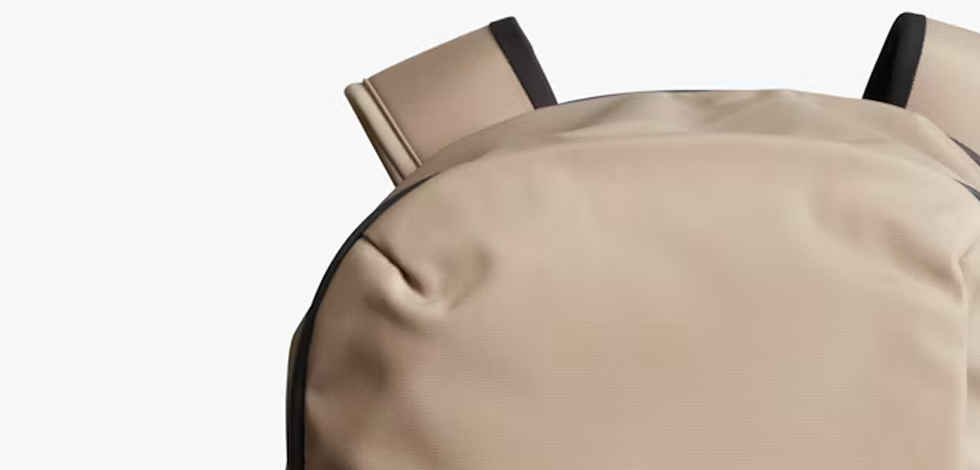
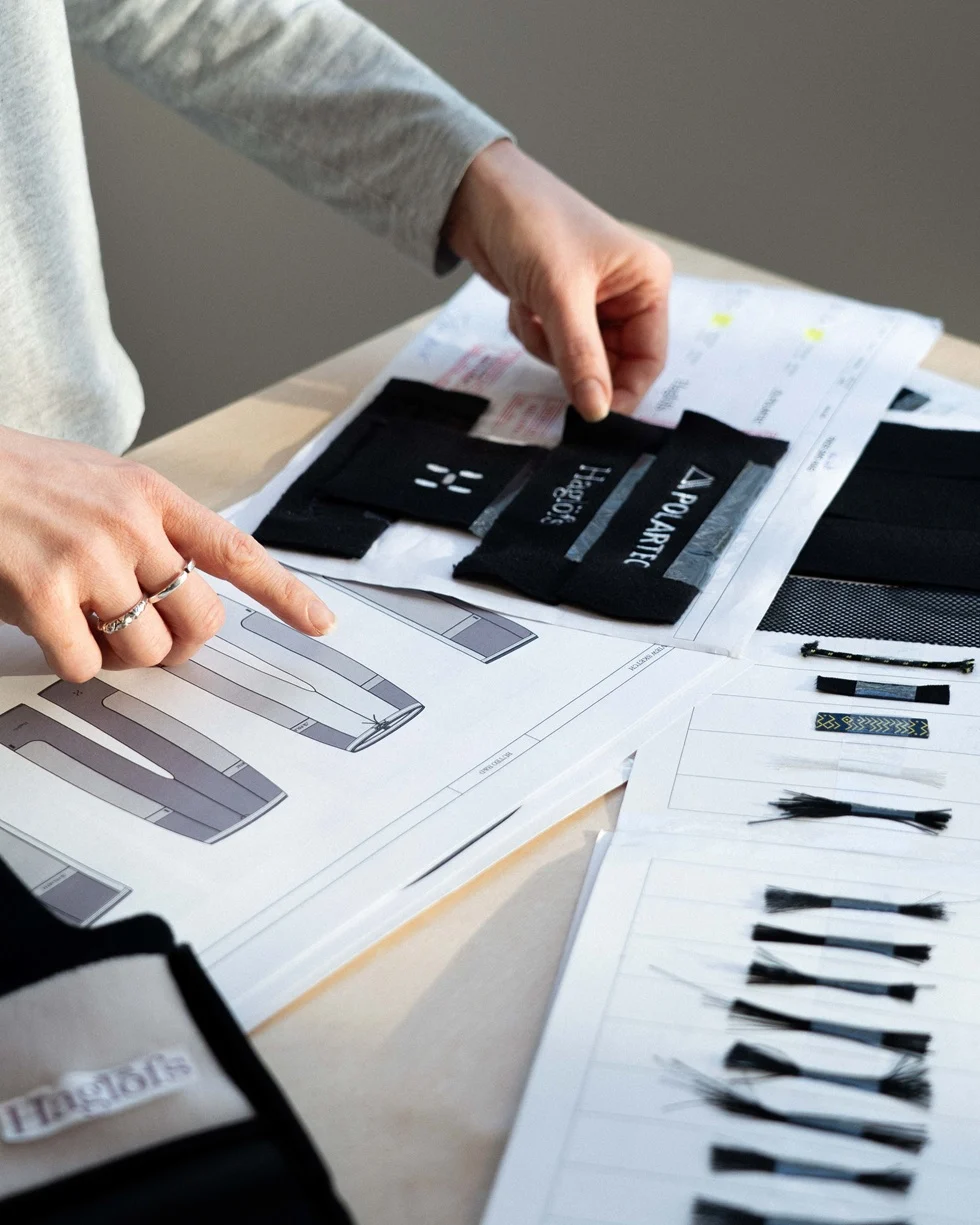
Industry experts note that precise pattern grading and computer-aided design (CAD) software are essential for modern dart execution. A millimeter-level calculation error in a dart’s length or pitch angle can cause an entire fabric panel to warp, resulting in asymmetrical bags that fail quality control inspections. Consequently, factories specializing in premium carry goods invest heavily in automated laser-cutting tables and programmable pattern-sewing machines to ensure uniform dart depth and stitch tension across thousands of production units.
Industry Perspectives and Expert Analysis
Leading voices in industrial design and technical soft-goods development emphasize that mastering foundational details like the dart separates novice creators from master craftsmen.
Jane Miller, a senior soft-goods ergonomics consultant with over two decades of experience designing tactical and outdoor gear, highlights the functional necessity of these techniques: "When consumers look at a backpack, they see the brand logo, the colorway, and the main compartments. They rarely think about the geometry happening at the corners and seams. But a well-placed dart is what gives a pack its architectural integrity. It allows the bag to hold its form whether it is packed to maximum capacity or running nearly empty. Without it, soft-goods design would be limited to rigid boxes or unshaped, sagging sacks."
Marcus Vance, director of product development for an independent European travel gear brand, echoes this sentiment regarding aesthetic minimalism: "The modern consumer values clean lines and understated design. Achieving that look without sacrificing utility is the ultimate challenge for a designer. Darts give us the ability to build 3D volume invisibly. We can create expansion, curvature, and ergonomic wrapping without adding exterior clutter, straps, or bulky hardware."
Broader Impact on the Sustainable Carry Movement
Beyond aesthetics and structural integrity, the strategic use of darts aligns with growing industry initiatives focused on sustainable manufacturing and material reduction. As regulatory bodies and environmentally conscious consumers pressure the textile sector to minimize waste, designers are scrutinizing every square inch of fabric utilized in production.
Traditional multi-panel construction methods generate significant cutting waste, as curved and angled pieces leave awkward off-cuts on the fabric roll that cannot be repurposed. By utilizing single-panel shaping techniques enabled by darts, manufacturers can optimize marker layouts—the digital arrangement of pattern pieces on a fabric roll—thereby increasing material utilization rates.
Additionally, products engineered with fewer seams and reinforced structural folds generally exhibit higher durability and longevity. A bag that relies on fewer stitches to maintain its shape experiences less seam slippage and stress degradation over years of heavy use, directly combating the "fast fashion" and disposable gear cycles that contribute to landfill overcrowding.
Future Outlook for Three-Dimensional Textile Engineering
As material science continues to advance—with the introduction of ultra-high-molecular-weight polyethylene (UHMWPE) fabrics, bio-based synthetics, and smart textiles embedded with flexible electronics—the role of traditional tailoring techniques within technical manufacturing is evolving.
While automated bonding and ultrasonic welding are increasingly used to join technical laminates without traditional needle-and-thread stitching, the underlying geometric principles remain identical. Designers are now experimenting with thermal-welded darts and pressure-molded structural creases that eliminate stitching entirely while retaining the three-dimensional volume-building capabilities of the classic cloth dart.
Ultimately, the humble dart stands as a testament to the enduring intersection of traditional craftsmanship and modern industrial engineering. Whether discovered tucked into the bottom corner of an urban commuter backpack or shaping the contour of an alpine expedition pack, this simple fold bridges the gap between the two-dimensional world of fabric rolls and the three-dimensional reality of human movement and storage needs, cementing its status as an indispensable cornerstone of modern carry design.