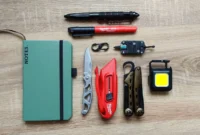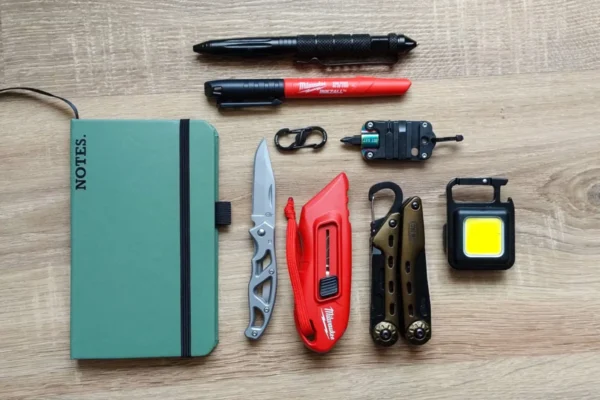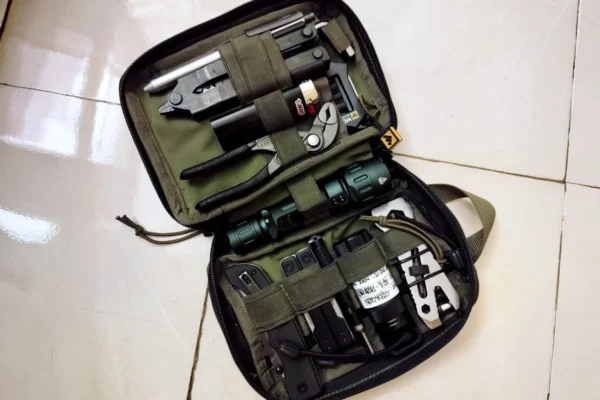








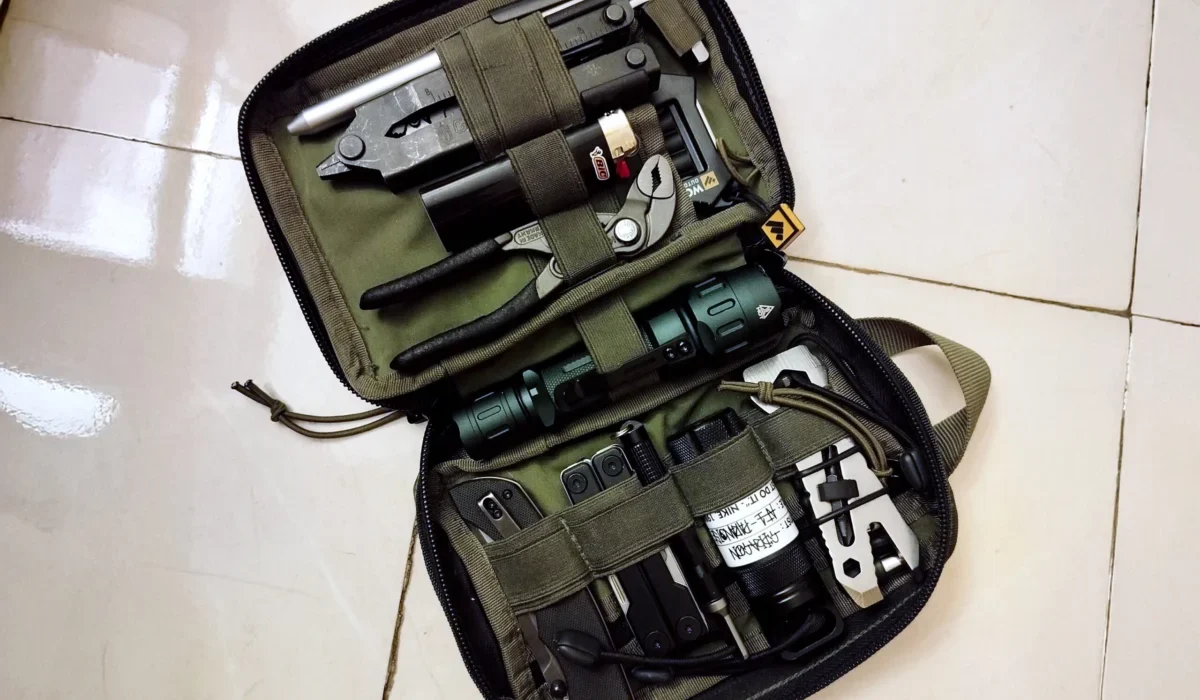
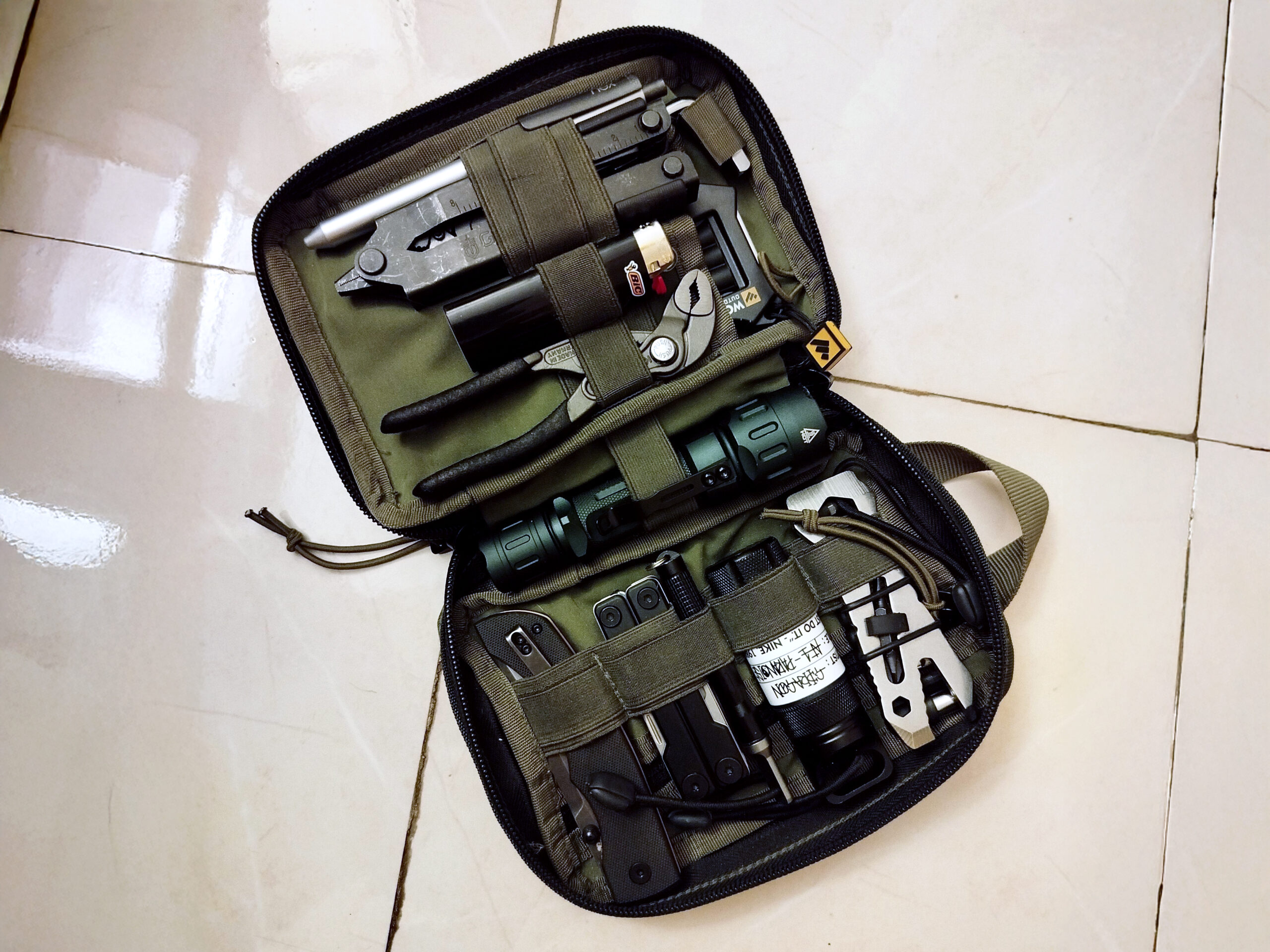
The modern professional landscape, particularly for those in software engineering and technical field roles, has seen an increasing convergence between digital efficiency and analog preparedness. As remote work and off-grid excursions become more integrated into the lifestyle of the contemporary technologist, the composition of everyday carry (EDC) kits has shifted from purely aesthetic curation to highly specialized, task-oriented survival and maintenance systems. A recent submission from a software engineer named Dezdenova highlights this trend, showcasing a comprehensive pouch organizer designed specifically for extended periods in remote campsites. This configuration serves as a prime example of redundancy-based engineering, utilizing a multi-layered approach to hardware that ensures operational continuity far from urban infrastructure.
The Anatomy of a Redundant Tool System
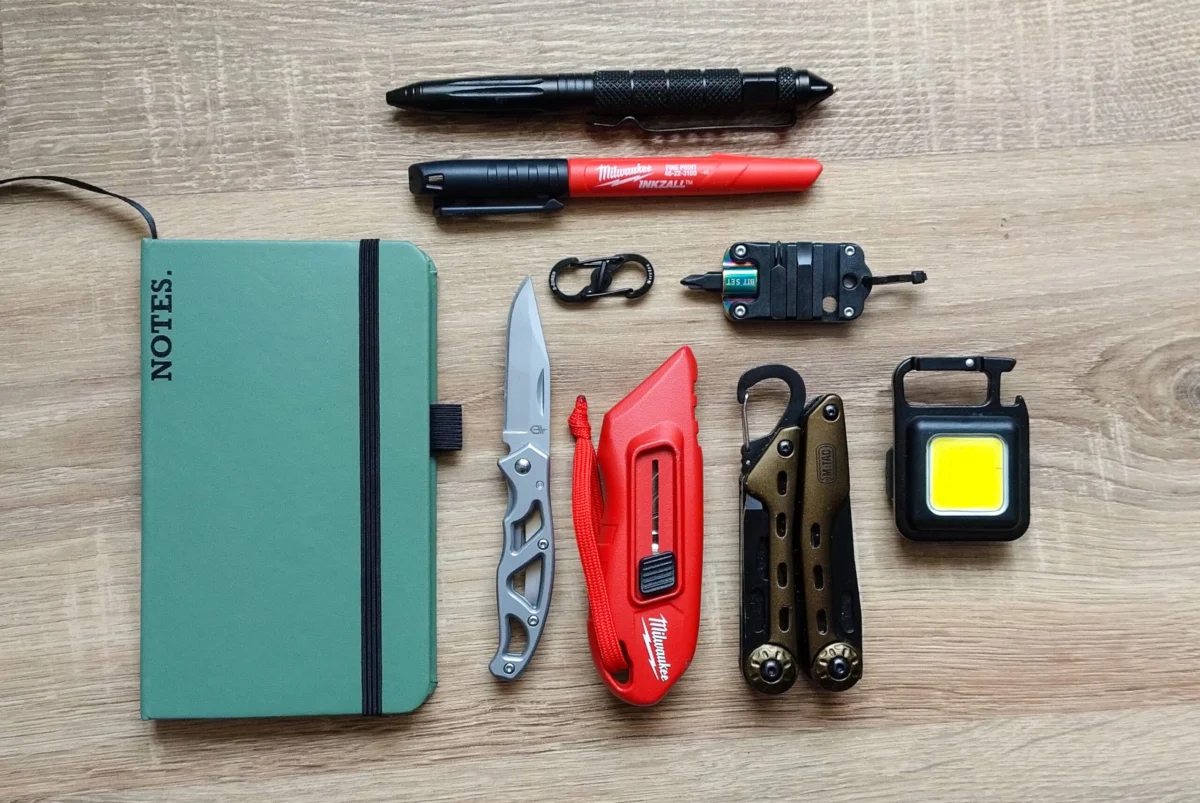
At the heart of this specific kit is a deliberate, tiered approach to multi-tool selection. Rather than relying on a single piece of equipment to manage every potential failure point, the user has integrated three distinct tools: a full-sized Gerber multi-tool, a compact NexTool/Xiaomi variant, and the discontinued Leatherman Piranha 2. This strategy reflects a growing consensus among outdoor experts: the concept of "two is one, and one is none."
The full-sized Gerber serves as the primary workhorse, intended for heavy-duty tasks such as wire cutting, significant leverage applications, or complex repairs that require robust locking mechanisms. In contrast, the NexTool/Xiaomi compact tool acts as a secondary, agile solution for quick fixes—situations where the weight or bulk of the primary tool might be unnecessary. Finally, the inclusion of the Leatherman Piranha 2, a one-piece pry tool, addresses the specific mechanical stress that often leads to the failure of folding multi-tools. By designating a dedicated piece of hardened steel for prying, scraping, and driving, the user preserves the integrity of the folding tools’ pivot points.
Chronology of Modern EDC Evolution
The evolution of these kits can be traced back to the early 2010s, when the "EDC movement" transitioned from niche enthusiast forums to mainstream social media platforms. Initially focused on aesthetic "flat-lays" of wallets, watches, and knives, the movement has matured into a functional discipline.
- 2010–2014: Early adoption phase, characterized by tactical-themed gear and heavy reliance on high-carbon steel blades.
- 2015–2019: The rise of the "pouch organizer" era. Professionals began prioritizing modularity, leading to the development of dedicated cordura and leather internal organizers that fit into backpacks or pockets.
- 2020–Present: A shift toward "technician-focused" carry. With the increase in remote field work, gear lists now frequently include digital components (cables, portable power, storage) alongside traditional mechanical tools.
The kit presented here represents the current state of this maturity, where the user has successfully bridged the gap between a portable office and a remote base camp.
Data-Driven Insights on Tool Preparedness
The necessity for such a kit is underscored by data regarding field equipment failure. According to industry surveys conducted by outdoor gear organizations, approximately 65% of equipment malfunctions in remote environments are related to minor mechanical failures—loose screws, broken cordage, or dull edges—that could be resolved with a sub-500-gram toolkit.
The inclusion of a dedicated pocket knife sharpener in the provided setup is a significant, data-supported choice. A dull blade is statistically more dangerous than a sharp one, as it requires increased force to perform simple tasks, leading to a higher probability of slippage and injury. By maintaining the edge of their cutting tools in the field, the user significantly reduces the safety risks associated with long-term outdoor stays.
Official Perspectives and Industry Reaction
While individual EDC configurations are often personal, industry manufacturers have noted a distinct change in consumer purchasing patterns. Representatives from major tool companies suggest that the "multi-tool plus specialized accessory" model is becoming the gold standard.
"We are seeing that customers are no longer looking for a ‘do-it-all’ tool that is mediocre at everything," says a product design lead at a leading multi-tool manufacturer. "They are looking for a primary driver that they trust, supplemented by smaller, specialized items like dedicated pry bars or precision drivers. The market for discontinued items, like the Piranha 2, proves that users are willing to hunt for specific mechanical profiles that haven’t been replicated by newer, more complex designs."
This sentiment is echoed by safety professionals who emphasize that when an individual moves away from cellular service and established maintenance infrastructure, their ability to self-repair becomes their primary safety net.
Broader Implications for Remote Professionals
The rise of the "technical camper"—individuals who carry high-end computing equipment into the wilderness—has created a unique set of challenges. These users must manage the friction between delicate electronic devices and the harsh realities of dirt, moisture, and mechanical wear.
The implications of this trend are twofold. First, there is a clear demand for "ruggedized" mobile computing environments. Second, there is an increasing reliance on modular organization to prevent the loss or damage of small but essential components. The pouch organizer, in this context, serves as a mission-critical component of the individual’s survival strategy. It is not merely a collection of items, but an organized system designed to mitigate the risks of isolation.
Furthermore, this trend suggests a shift in how professionals view their relationship with the environment. By carrying the means to repair, sharpen, and maintain their gear, these individuals are moving toward a model of "circular consumption"—where gear is maintained for years rather than replaced at the first sign of wear. This longevity not only increases the reliability of the tools but also serves as a sustainable practice in the face of mass-market, disposable consumerism.
Analysis of the Piranha 2 and the "One-Piece" Philosophy
The selection of the Leatherman Piranha 2 is particularly noteworthy for its lack of moving parts. In mechanical engineering, the "parts count" is a direct indicator of potential failure points. A device with no hinges, springs, or locking levers is inherently more resilient to debris, sand, and freezing temperatures—all of which are common in a campsite setting.
For a software engineer, whose work often involves high-level abstraction and systemic logic, this preference for simple, high-utility mechanical tools provides a grounding contrast. It is a tangible application of the "KISS" (Keep It Simple, Stupid) principle: when you are miles from a hardware store, the ability to pry a lid or tighten a bolt with a tool that cannot "break" in the traditional sense is invaluable.
Conclusion: The Future of Field Preparedness
As the lines between work and leisure continue to blur, the preparation of one’s personal gear will likely become an even more refined science. The kit provided by Dezdenova is a snapshot of an emerging best practice: a hybrid system that balances the requirements of a modern digital professional with the realities of remote mechanical maintenance.
By prioritizing modularity, redundancy, and the maintenance of their own tools, the modern outdoor enthusiast is better equipped to handle the unpredictable nature of the field. Whether it is a software engineer working from a tent or a field researcher in a remote station, the philosophy remains the same: preparedness is not defined by the amount of gear one carries, but by the thoughtful, systemic integration of that gear to ensure survival, efficiency, and operational success. The evolution of the EDC kit is not just a trend; it is a fundamental shift in how the modern individual interacts with, and survives within, the physical world.