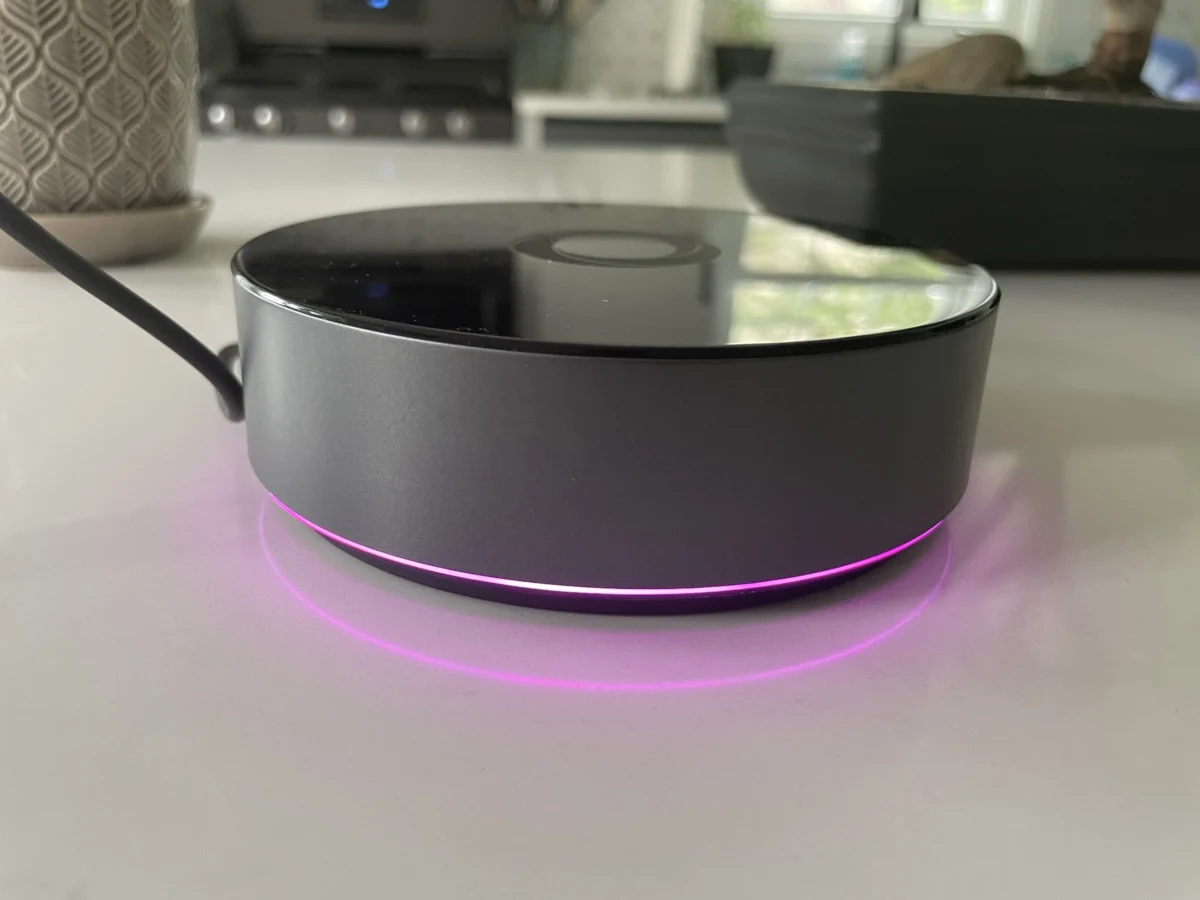




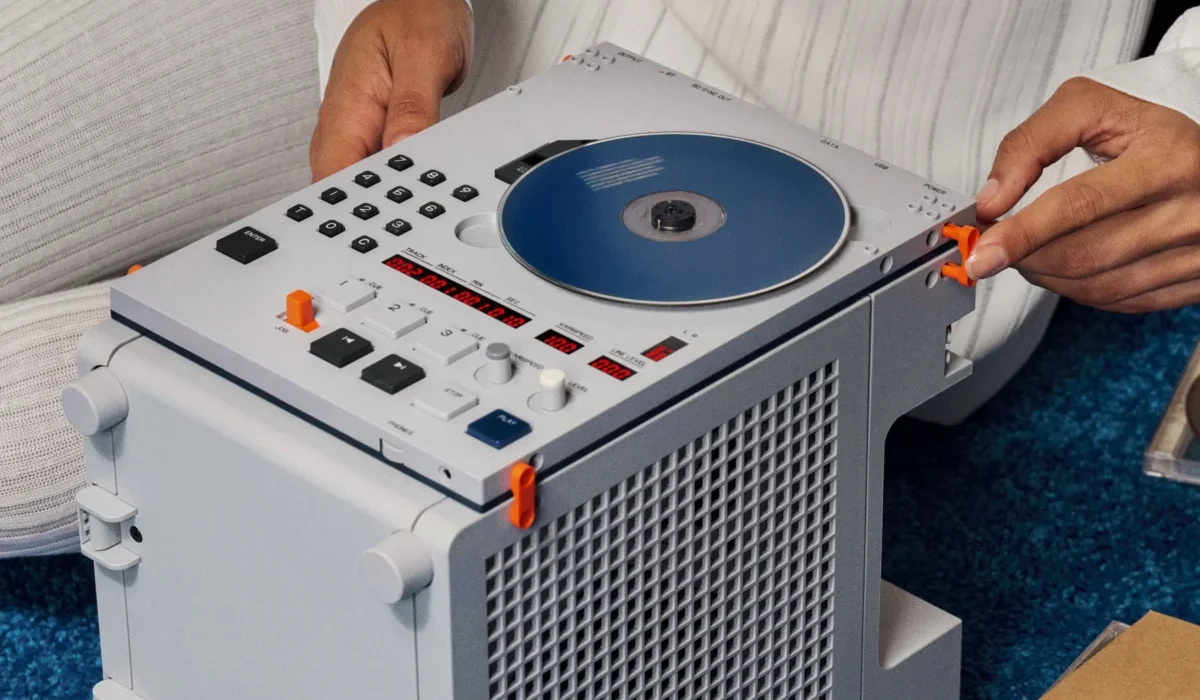
The resurgence of physical media in the consumer electronics and music production markets has reached a new milestone with the introduction of the EP/BC-1 Professional CD Player from Swedish design and audio manufacturer Teenage Engineering. Debuting as a cornerstone of the brand’s newly established EP/BC Broadcast Series, the slim, portable device bridges the gap between legacy optical formats and contemporary wireless ecosystems. Priced at $329 and available immediately through the manufacturer’s official store, the unit is engineered to function either as a standalone listening device or as a modular component mounted directly to the recently announced K.O AMP 35 amplifier.
This release underscores a broader industry trend in which consumers and creators alike are seeking tactile, offline alternatives to subscription-based streaming services. While the vinyl revival has dominated physical music sales over the past decade, compact discs have experienced a quieter, yet steady, resurgence among audiophiles and collectors. By combining the silver-disc format with modern digital protocols such as Bluetooth and Auracast, Teenage Engineering has positioned the EP/BC-1 not merely as a nostalgic novelty, but as a functional tool for modern audio workflows, live performance, and archival preservation.
Main Features and Technical Specifications
At first glance, the EP/BC-1 maintains the minimalist, industrial aesthetic that has become synonymous with Teenage Engineering’s hardware lineup. Beneath its streamlined exterior, however, lies a surprisingly robust suite of professional-grade features tailored for both casual enthusiasts and working audio professionals.
Beyond standard compact disc playback, the unit integrates modern wireless connectivity, supporting standard Bluetooth streaming alongside advanced Auracast technology. Auracast, a Bluetooth Low Energy (LE) audio feature, allows a single audio source to broadcast high-quality audio streams to an unlimited number of compatible receivers simultaneously. This capability transforms the portable CD player from a personal listening device into a localized broadcast hub, enabling users to stream music from a single disc to multiple wireless speakers or headphones within a given space.
Performance-oriented users will find a comprehensive array of DJ and production tools integrated into the hardware. The EP/BC-1 includes varispeed playback control, allowing users to alter the playback speed from 50 percent to 150 percent of the original tempo. Navigation and cueing are facilitated by physical cue markers and a responsive jog wheel, while built-in beat detection with tempo sync output ensures that the unit can be synchronized with external gear. Visual feedback is provided by a crisp digital display and digital VU meters, offering real-time monitoring of signal levels.
Connectivity options are extensive for a device of its physical footprint. The hardware features stereo line output, a dedicated headphone output, and a USB 2.0 digital audio port. Powering the unit is a built-in rechargeable battery, ensuring complete portability for field recording, mobile DJ sets, or off-grid listening sessions.
Digital Archiving and Format Preservation
One of the most noteworthy functionalities of the EP/BC-1 is its integrated digital archiving capability. Recognizing that many physical media enthusiasts possess aging CD collections susceptible to disc rot and physical wear, Teenage Engineering has equipped the player with a direct-to-USB ripping function. Users can connect a standard USB drive and rip tracks directly from audio compact discs into uncompressed 44.1 kHz/16-bit WAV files.
This feature addresses a critical pain point for archivists, DJs, and collectors: the frictionless translation of physical silver discs into high-resolution digital files without the need for a dedicated personal computer, optical drive, and complex ripping software. By democratizing the preservation process, the EP/BC-1 serves as both a playback device and a bridge to modern digital storage mediums.
Background and Evolution of the Broadcast Series

The launch of the EP/BC-1 is part of a deliberate strategic expansion by Teenage Engineering into what the company officially describes as a “lineup created to bring classic audio formats into modern setups.” Over the past several years, the Stockholm-based firm has garnered a dedicated following through its Pocket Operator series, the OP-1 field synthesizer, and various high-end audio accessories. Known for combining playful, retro-futuristic industrial design with professional-grade capabilities, the company has consistently explored the intersection of vintage aesthetics and modern utility.
The development of the Broadcast Series reflects a growing corporate focus on modular audio ecosystems. By designing the EP/BC-1 to integrate seamlessly with hardware like the K.O AMP 35, Teenage Engineering is building a cohesive hardware environment where legacy formats are not treated as relics of the past, but as active components in contemporary signal chains. Industry analysts note that this approach resonates deeply with younger demographics who value tangible media, as well as older generations looking for reliable ways to interact with legacy music libraries.
Market Implications and the Physical Media Resurgence
The introduction of a professional-grade portable CD player in 2026 arrives at a time of significant structural shifts in how music is consumed and valued. According to recent market research data from the Recording Industry Association of America (RIAA) and international counterparts, physical music formats have demonstrated remarkable resilience against the total dominance of streaming platforms. While vinyl records have historically captured the lion’s share of physical revenue growth, compact disc sales have begun to stabilize and, in certain niche sectors, experience marginal year-over-year gains.
Consumers are increasingly expressing fatigue with digital-only ownership models, where licensing agreements can strip access to albums or tracks at any moment. Furthermore, the tactile nature of physical media—complete with liner notes, artwork, and physical interaction—provides a psychological value that compressed digital audio files often lack. Teenage Engineering’s entry into the CD player market validates this cultural shift, signaling to other consumer electronics manufacturers that there is a viable, economically sustainable demand for high-end hardware dedicated to non-vinyl physical formats.
However, challenges remain for the broader adoption of portable CD players. Modern smartphones have entirely supplanted dedicated music players for the vast majority of consumers, and high-end portable audio devices often occupy a specialized, enthusiast-driven market segment. At a price point of $329, the EP/BC-1 is clearly targeted at dedicated audiophiles, electronic musicians, and design-conscious collectors rather than the mass market.
Industry Reception and Expert Analysis
Audio engineers and product designers have largely praised the feature set of the EP/BC-1, noting that the inclusion of Auracast and varispeed control elevates the device far above standard consumer CD players of the past. Traditional CD players were predominantly designed for stationary home audio racks or portable, shock-resistant walkmans intended strictly for personal headphone use. By contrast, the EP/BC-1’s inclusion of digital VU meters, tempo sync outputs, and direct USB ripping positions it as a hybrid tool suitable for live performance venues, radio broadcast environments, and modern studio setups.
Commentators within the electronic music community have also highlighted the aesthetic and functional synergy between Teenage Engineering’s design philosophy and the modular nature of the Broadcast Series. The ability to mount the player directly onto amplification hardware reduces cable clutter and creates a unified, highly mobile performance station.
Looking Ahead
As the EP/BC-1 ships to consumers worldwide, its reception will likely serve as a litmus test for the commercial viability of modernizing other legacy formats. If successful, the EP/BC Broadcast Series could expand to encompass hardware dedicated to cassette tapes, MiniDiscs, or other overlooked storage mediums, further cementing Teenage Engineering’s reputation as an innovator in physical media preservation.
For now, the EP/BC-1 stands as a compelling bridge across musical eras—proving that the compact disc, celebrating decades of service in the consumer audio landscape, still has a vital role to play in the future of sound reproduction.