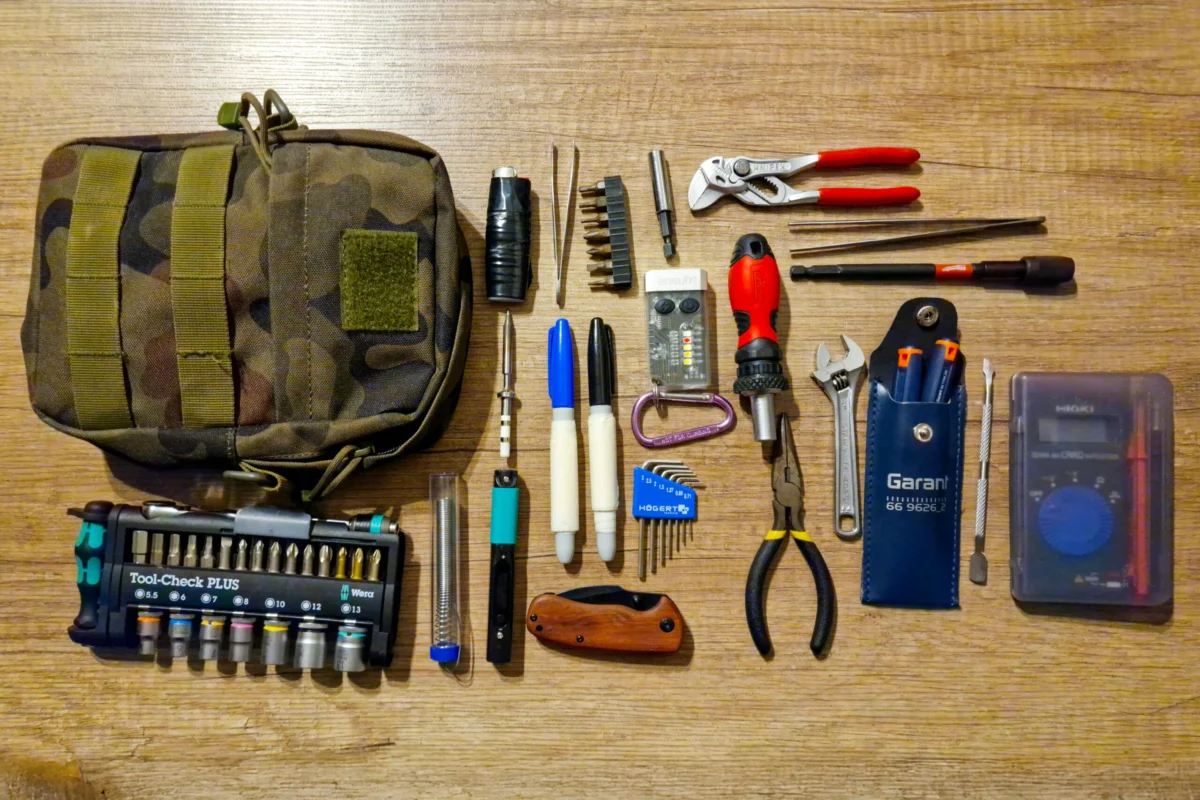



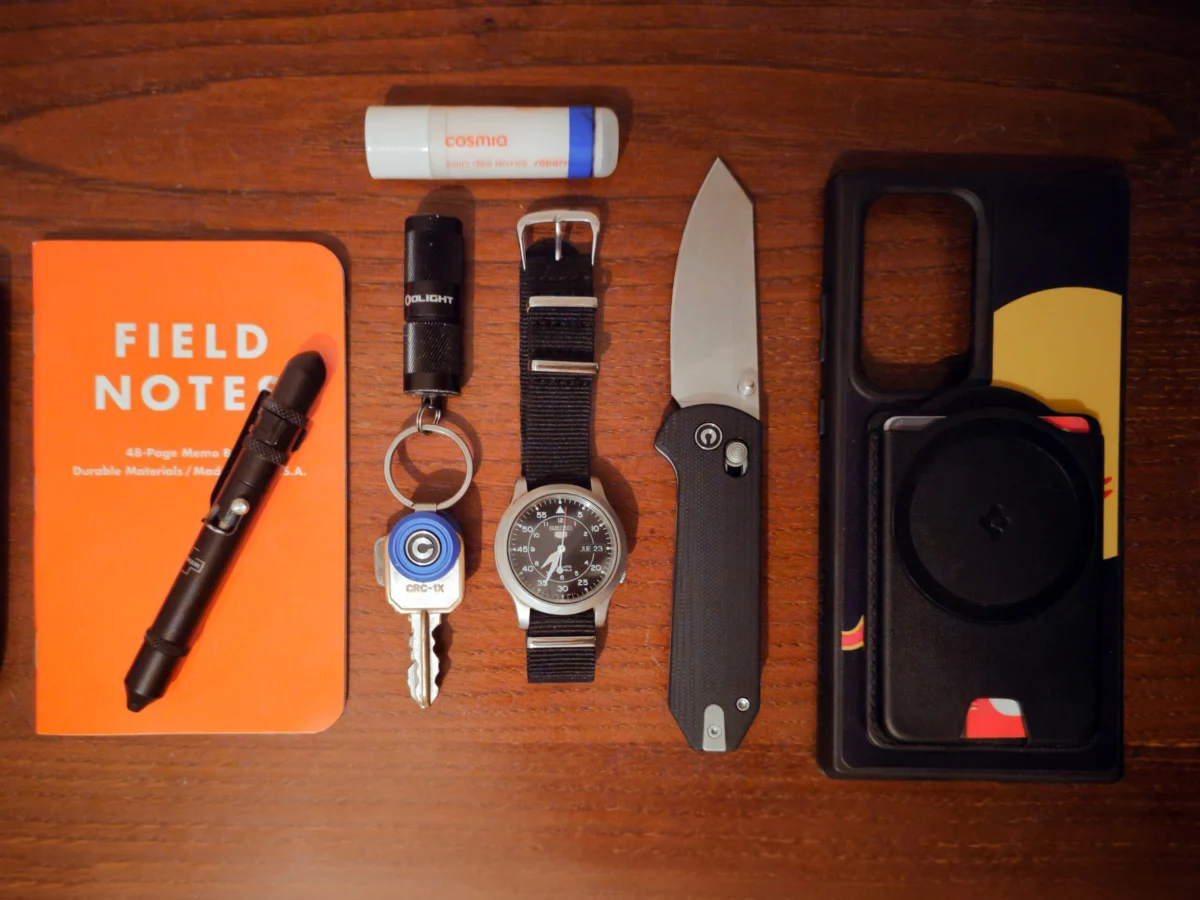



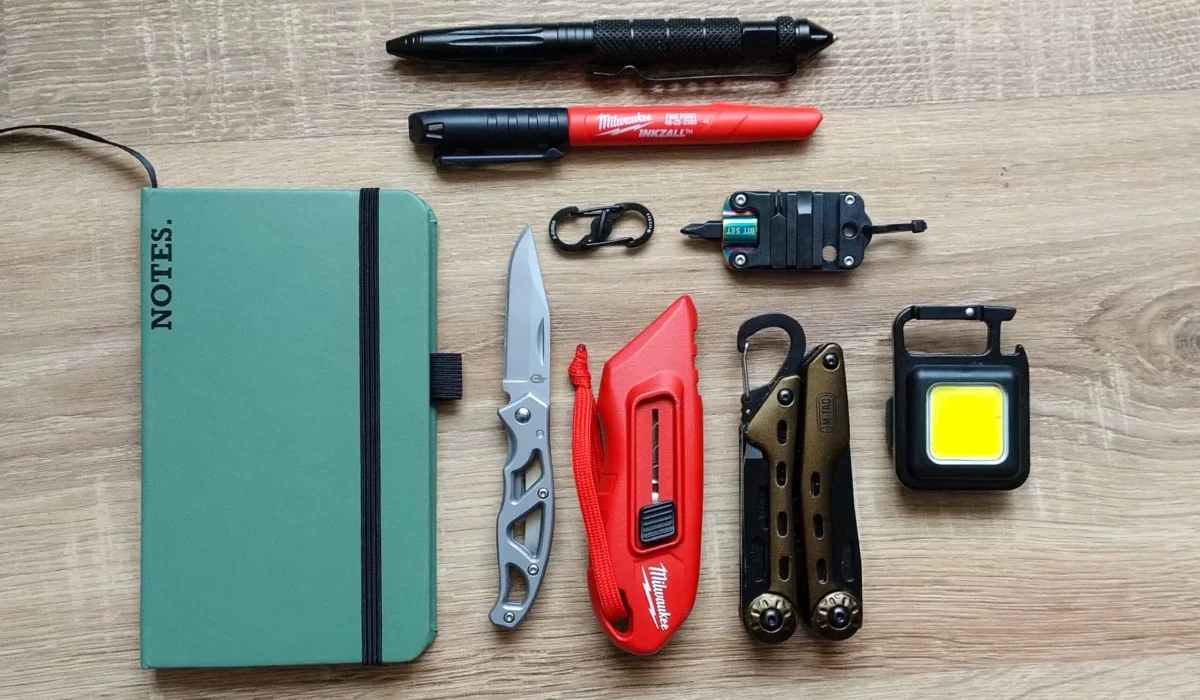
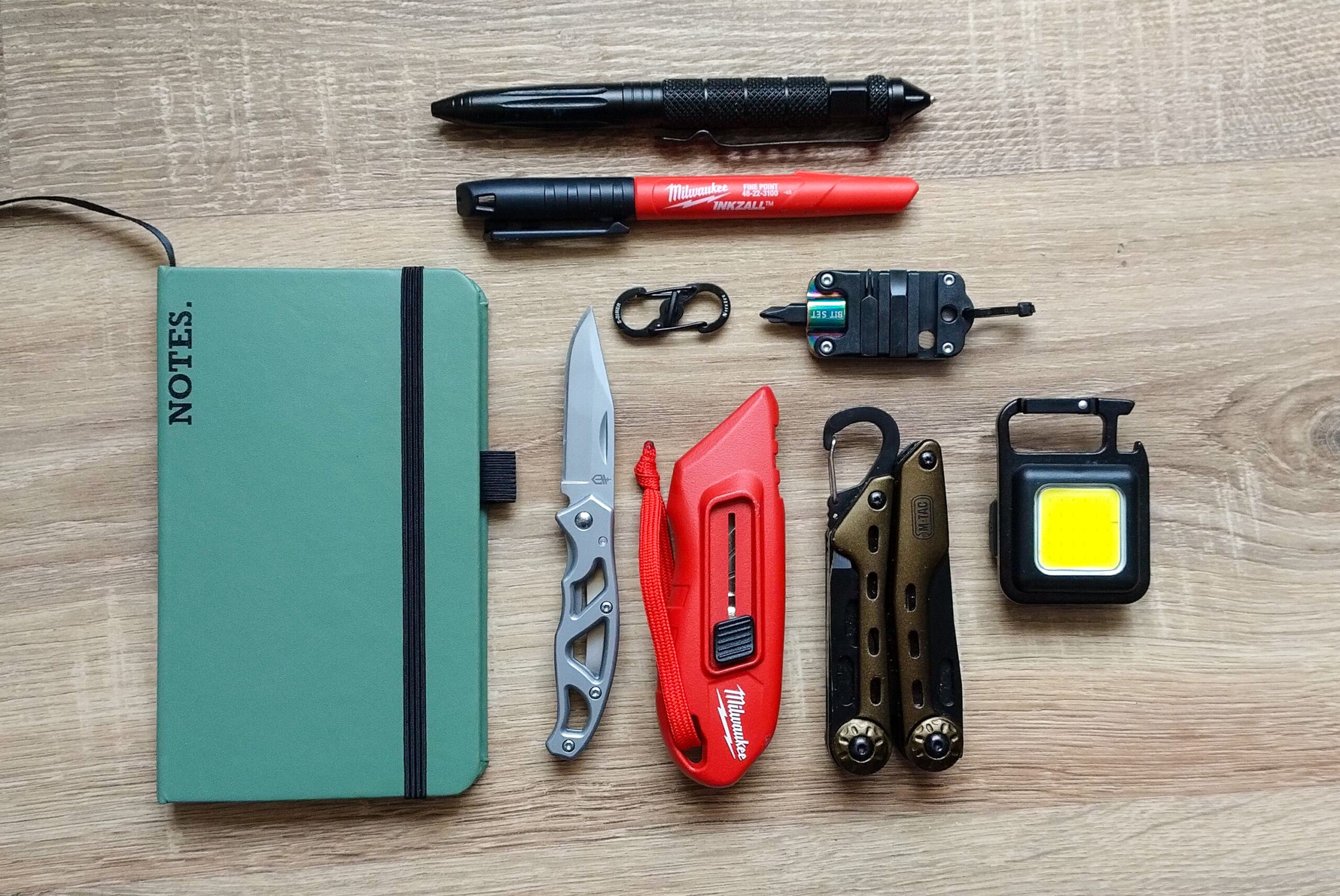
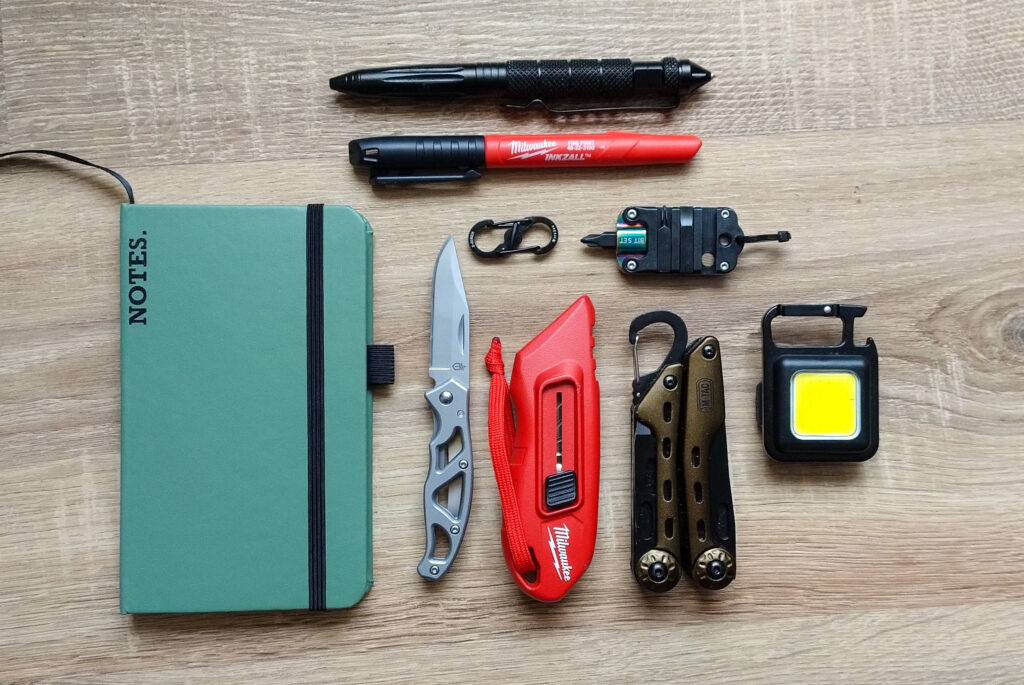
The modern concept of Everyday Carry (EDC) has evolved from a niche hobby for survivalists into a global phenomenon focused on personal efficiency, tool accessibility, and the aesthetics of functional design. A recent submission from Kinga, a retail professional based in Poland, highlights this shift, demonstrating how individuals in fast-paced work environments curate compact, high-utility kits to streamline daily operations. By analyzing her specific selection of gear—notably the integration of affordable, high-lumen lighting solutions—we can observe broader trends in how urban professionals prioritize portable technology over bulkier, traditional equipment.
The Evolution of Everyday Carry in Professional Settings
Everyday carry refers to the collection of items one habitually carries on their person to manage common tasks and potential emergencies. Historically rooted in military and law enforcement preparedness, the movement has shifted toward civilian applications. In a retail environment, where space is at a premium and the need for quick, precise task completion is constant, EDC kits have become highly specialized.
For retail workers, the primary requirements for gear are portability, durability, and multi-functionality. Unlike outdoor enthusiasts who might require specialized wilderness tools, retail professionals often gravitate toward items that assist with inventory management, package handling, and visibility in low-light warehouse or backroom settings. Kinga’s approach exemplifies the "utility-first" philosophy, emphasizing tools that provide maximum value with minimal physical footprint.
Chronology of the EDC Movement’s Growth
The surge in popularity of EDC can be traced back to the mid-2000s, catalyzed by the proliferation of specialized online forums and social media platforms.
- 2005–2010: Early internet forums, such as EDCForums, began codifying the concept, focusing heavily on tactical knives, heavy-duty flashlights, and survival gear.
- 2011–2015: The rise of Instagram and Pinterest transformed EDC into a visual medium. "Pocket dumps"—photos of an individual’s daily items arranged neatly—became a viral trend, shifting the focus toward the "aesthetic" of the tools.
- 2016–2020: The market saw a democratization of gear. Manufacturers began producing high-quality, low-cost alternatives to boutique, high-end brands, making EDC accessible to the general public.
- 2021–Present: Current trends focus on "urban preparedness." Post-pandemic shifts have seen an increased emphasis on items that are not just for utility but for personal safety and light-duty emergency response in urban environments.
Analysis of the MAKDAK COB Keychain Work Light
A centerpiece of Kinga’s carry is the MAKDAK COB (Chip-on-Board) Keychain Work Light. This device represents a significant shift in portable lighting technology. COB LED technology allows for a higher lumen count within a much smaller form factor compared to traditional incandescent or standard LED bulbs.
The specific model utilized in this setup features a rechargeable battery, which aligns with the industry-wide move toward sustainability and reduced battery waste. Key specifications often found in these keychain lights include:
- Lumen Output: Ranging from 500 to 800 lumens, which is sufficient to illuminate an entire storage room or a dimly lit workspace.
- Form Factor: Roughly the size of a standard key fob, ensuring it does not add significant weight or bulk to a user’s keys or bag.
- Multi-functionality: Many of these units include integrated bottle openers, folding brackets for hands-free standing, and magnetic bases.
From an analytical perspective, the popularity of this specific tool is not accidental. In retail, workers frequently encounter scenarios requiring temporary, bright light to read labels, check inventory in poorly lit aisles, or assist in maintenance tasks. By carrying a high-lumen, rechargeable light, the user avoids the need for a dedicated, heavy-duty tactical flashlight, which would be impractical for an eight-hour shift on the sales floor.
Broader Impact and Implications for the EDC Industry
The integration of such tools into daily professional life has significant implications for both manufacturers and consumers. As the EDC market matures, there is a clear trend toward "micro-utility." Consumers are increasingly rejecting heavy, over-engineered tools in favor of lightweight, high-performance electronics.
Furthermore, the influence of regional brands—such as those found in Poland’s growing gear market—indicates that the EDC movement is becoming decentralized. While the United States remains a dominant force in the design and manufacturing of tactical gear, European designers are carving out a niche by focusing on ergonomic, minimalist, and aesthetically pleasing designs that blend into an office or retail environment without appearing overtly "tactical."
Fact-Based Observations on Tool Selection
When examining a curated kit like Kinga’s, several principles of effective EDC selection emerge:
- Redundancy vs. Utility: Every item must justify its weight. If a tool serves only one purpose, it is often discarded in favor of a multi-tool. The keychain light’s inclusion of a bottle opener and a folding stand is a prime example of feature stacking.
- Affordability: There is a growing movement against "gear snobbery." Professionals are proving that one does not need to spend hundreds of dollars on a custom-machined flashlight to gain a tactical advantage in the workplace. High-quality, mass-produced electronics are now bridging the gap between hobbyist gear and professional-grade equipment.
- Local Representation: The inclusion of locally sourced tools suggests a growing pride in domestic manufacturing. This adds a layer of cultural identity to the gear, moving beyond the utilitarian nature of the objects and into the realm of personal expression.
Reactions from the Professional EDC Community
Industry experts and long-time enthusiasts often note that the best EDC kits are those that are rarely noticed until they are needed. By keeping tools compact and lightweight, users ensure they actually carry them. When a tool is too heavy or cumbersome, it is often left at home, rendering it useless during an emergency or a moment of need.
The consensus among analysts is that the professionalization of EDC is likely to continue. As companies continue to miniaturize components, we can expect to see more specialized tools—such as micro-measuring devices, advanced connectivity peripherals, and ultra-compact power banks—becoming standard in the kits of retail and service industry workers.
Conclusion: The Future of Everyday Carry
Kinga’s approach to her daily carry serves as a microcosm of the modern EDC philosophy: functional, affordable, and highly portable. By choosing tools that integrate seamlessly into a retail environment, she demonstrates that the most effective gear is not necessarily the most expensive, but the most relevant to the user’s specific lifestyle.
As we look toward the future of this sector, the emphasis will undoubtedly remain on the marriage of technology and utility. The success of the COB keychain light suggests that users value high-intensity performance in a package that can be carried on a keyring or clipped to a uniform. Whether for the retail floor or the urban commute, the evolution of EDC continues to redefine what it means to be prepared in the 21st century. As these tools become more accessible, it is likely that the "everyday carry" will become a standard component of professional life, bridging the gap between personal preparedness and daily productivity.